

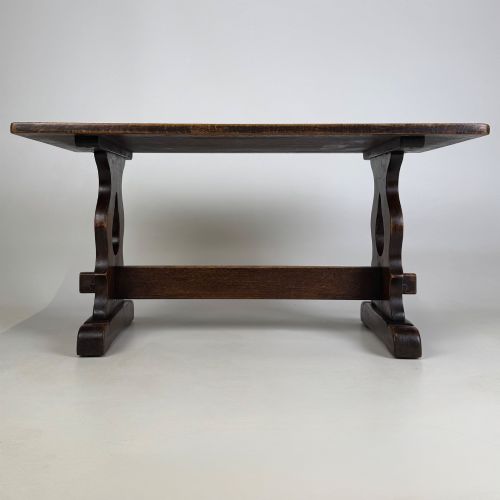
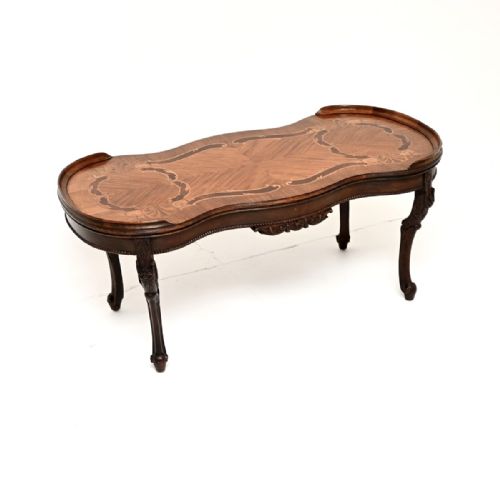
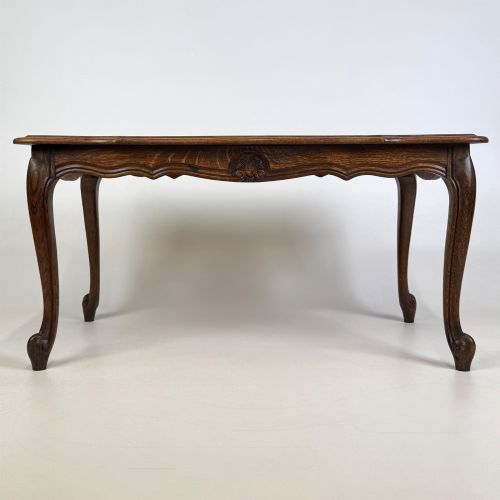
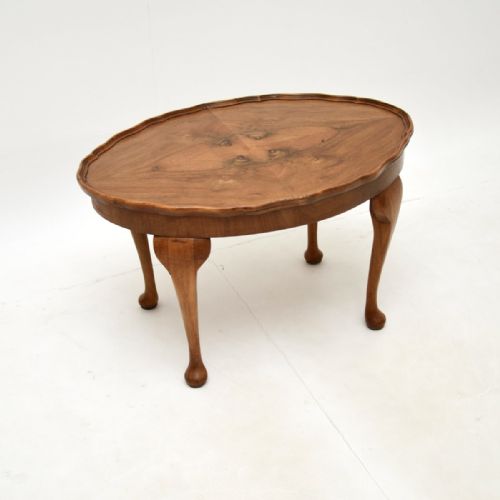
Vintage Cocktail Table
A vintage cocktail table brings surface space and period character to a sitting room, anchoring the room with walnut, brass or marble.
Vintage Cocktail Table
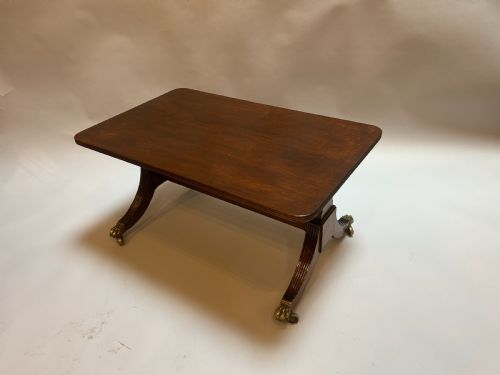
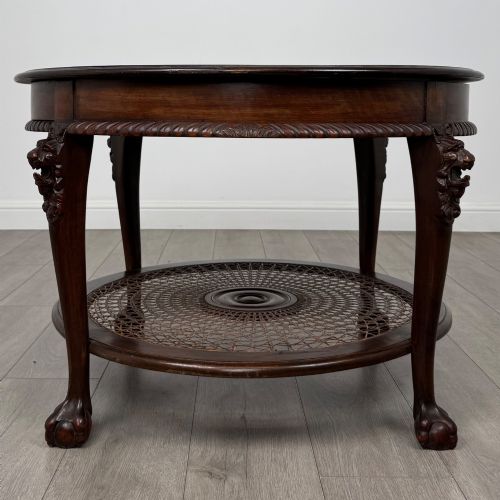
A vintage cocktail table provides low-level surface space in a reception room, often taking the form of a coffee table, low occasional table or serving trolley. When searching for a vintage cocktail table, buyers encounter pieces spanning the nineteenth and twentieth centuries, including Edwardian designs and Art Deco creations.
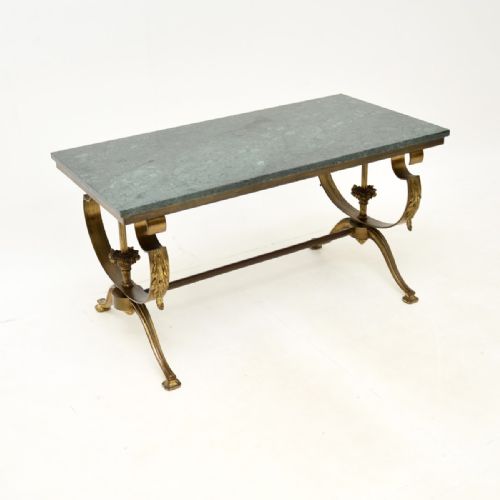
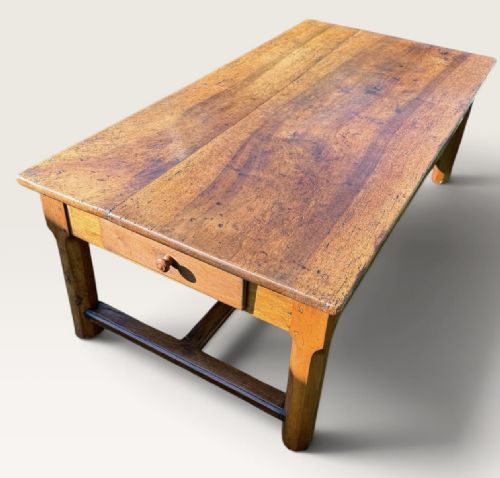
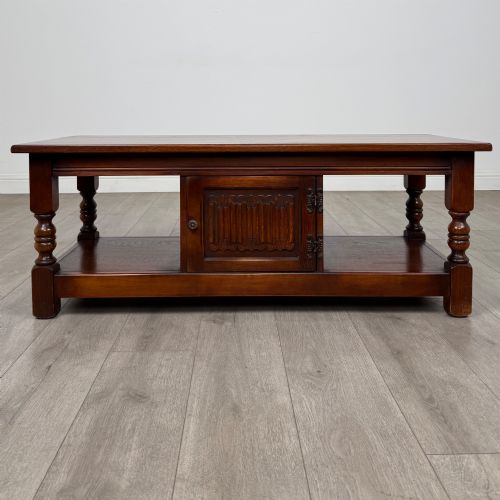
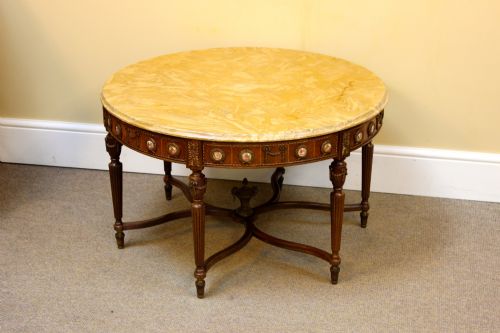
The selection ranges from French brass and marble examples to English walnut and mahogany forms. Low tables dominate the offerings, alongside occasional tea trolleys and drinks cabinets from the early decades of the twentieth century.
Origins vary widely across the selection, featuring English, French, Italian and Danish pieces. Buyers frequently meet walnut and oak constructions reflecting periods such as the Edwardian era and the Art Deco movement.
Materials and construction methods
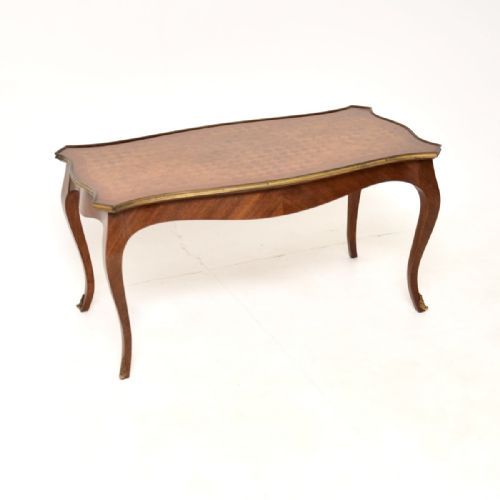
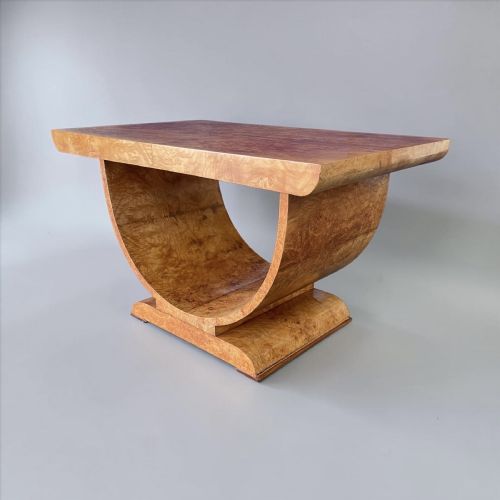
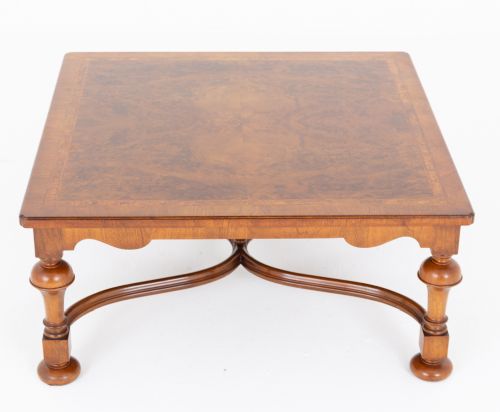
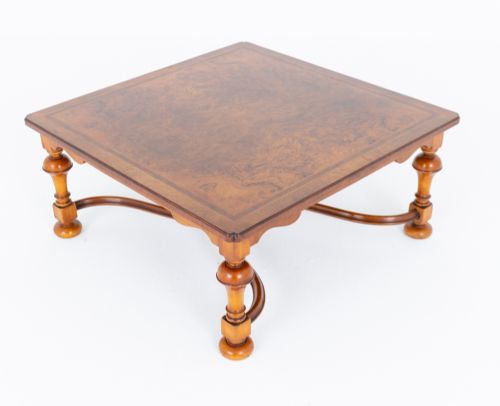
Cabinet makers utilised dense timbers including walnut, burr walnut, mahogany and oak for the structural frames. Veneers such as burr maple and yew oyster veneer appear frequently on tabletops, often accented with marquetry and parquetry inlay.
Metal and stone feature prominently alongside wood, with brass, bronze, chrome and giltwood providing structural supports or decorative mounts. Tops frequently incorporate white or patterned marble, inset glass or mirrored panels.
Surface decoration extends to hand-painted scenes on japanned finishes and carved details in the Carolean or Chippendale revival styles. Joinery methods reflect traditional cabinet making appropriate to each period, from nineteenth-century mahogany framing to twentieth-century tiered assemblies.
Vintage Cocktail Table Retail Price Guide 2026
Typical asking prices for vintage cocktail table among the pieces listed under this phrase on Sellingantiques today, from the lower quarter to the upper quarter. They describe what is for sale here now, not the wider market.
Some tables double as sneaky drinks trolleys, proving that previous generations enjoyed a tipple just as much as we do.
Distinguishing quality in construction and materials
The calibre of a piece rests upon the selection of timber and the execution of surface embellishments. Figured walnut, burr maple and carefully matched veneer work indicate superior craftsmanship compared to plain timber surfaces.
Structural refinement shows in the weight and finish of metal elements such as solid brass frames, bronze mounts and heavy marble tops. Finer examples display meticulous parquetry, marquetry or hand-painted japanned decoration executed with precision.
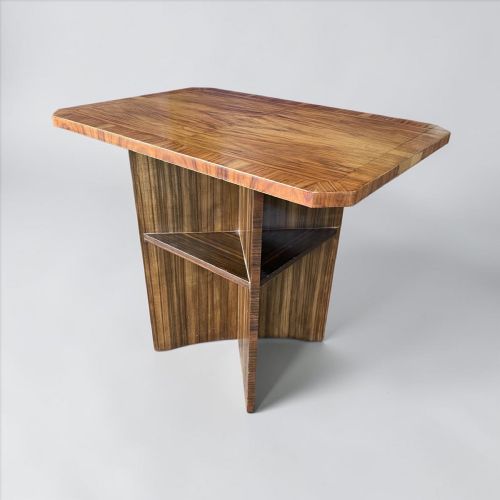
Design integrity separates standard production from exceptional pieces, particularly in items bearing specific stylistic idioms like Art Deco geometry or French neoclassical brass work. The integration of functional elements, such as tiered shelving or metamorphic serving actions, demonstrates advanced workshop capability.
Betty Joel·Maison Jansen·Maison Bagues·Romeo Rega
The Vintage Cocktail Table Glossary
- Parquetry
- Geometric wood mosaic work used for decorative tabletops. This technique arranges contrasting timber veneers in repeating patterns.
- Marquetry
- Elaborate pictorial veneer work forming floral or scroll designs. Craftsmen cut thin sheets of various woods and fit them together like a puzzle.
- Burr walnut
- Highly figured wood grain taken from tree growths or roots. It yields swirling, knotty patterns prized for fine cabinet work.
- Japanned
- European imitation of East Asian lacquerwork using dark varnishes and painted scenes. This finish became popular on English and continental furniture.
- Giltwood
- Wood that has been coated with a thin layer of gold leaf or gilt paint. It appears frequently on decorative frames and neoclassical furniture mounts.
Vintage Cocktail Table: Frequently Asked Questions
How do I style a vintage cocktail table?
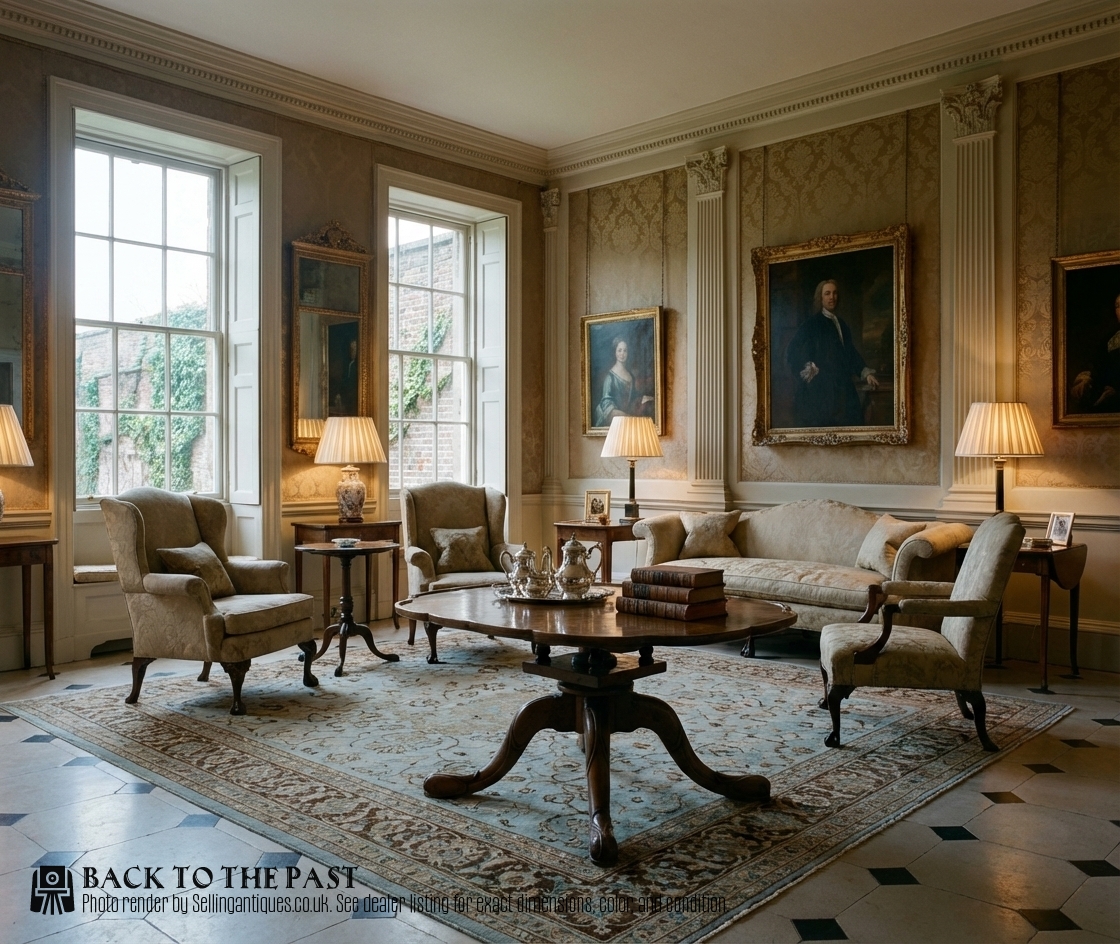
Pair the low profile of the table with contrasting vertical heights using books, lamps or decorative trays. Allow timber grains and marble surfaces to remain visible rather than overcrowding the top.
Keep surrounding seating at a complementary height to ensure easy access to the surface from a sofa or armchair.
What periods do these tables represent?
The pieces span from the nineteenth century through the mid-twentieth century, capturing Victorian, Edwardian, and Art Deco eras. Earlier examples showcase mahogany and oak, while 1920s and 1930s pieces lean towards burr walnut and brass.
Later mid-century designs introduce chrome and specialised designer aesthetics from European workshops.
How do I care for a marble top?
Clean marble surfaces with a soft, damp cloth and avoid acidic substances that can etch the polished stone. Use coasters under drinks to protect both polished wood and marble against moisture rings.
Apply specialist wax sparingly to wooden frames while keeping stone surfaces sealed according to their specific composition.
Are these tables suitable for everyday use?
Sturdy construction in hardwoods like oak, walnut and mahogany makes these pieces durable for daily living rooms. Metal and glass combinations offer stable platforms provided the weight distribution remains balanced.
Consider the surface finish when placing hot or wet items, using protective pads on antique french polish or delicate veneers.