





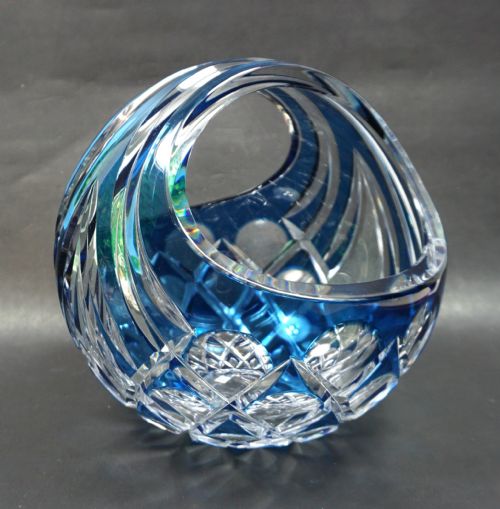
Vintage Cobalt Blue Bowl
These vintage cobalt blue bowl examples bring rich deep colour and diverse global ceramic traditions straight to your table.
Vintage Cobalt Blue Bowl
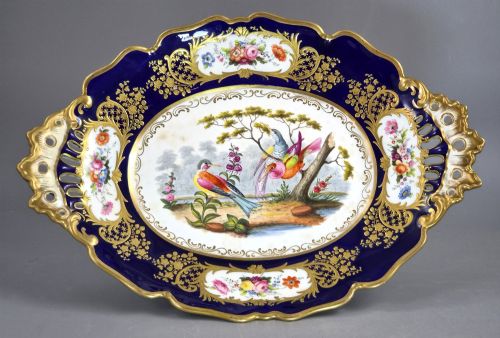
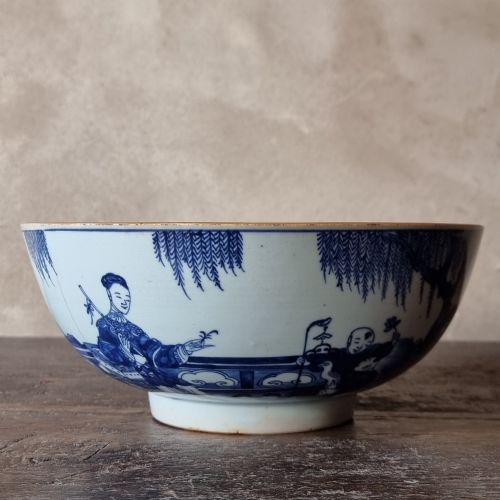
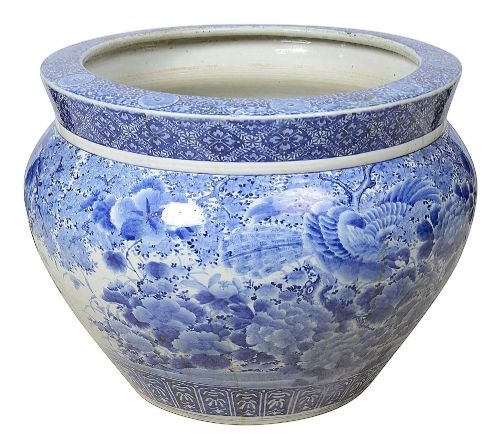
When searching for a vintage cobalt blue bowl, you encounter a wide array of historical tableware ranging from 18th century Chinese punch bowls to Japanese Imari porcelain and Victorian ironstone. The selection spans several centuries, touching periods like the Georgian era, the Victorian decades, and the 1930s.
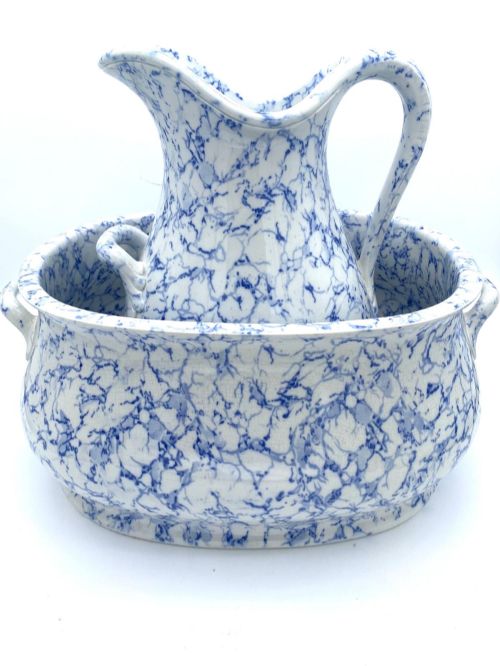
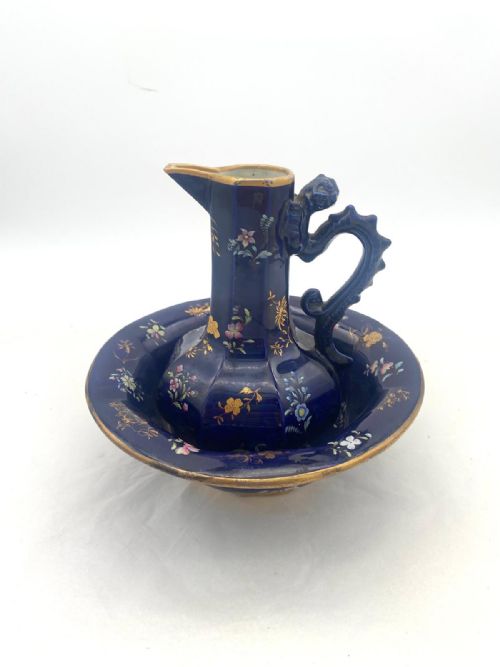
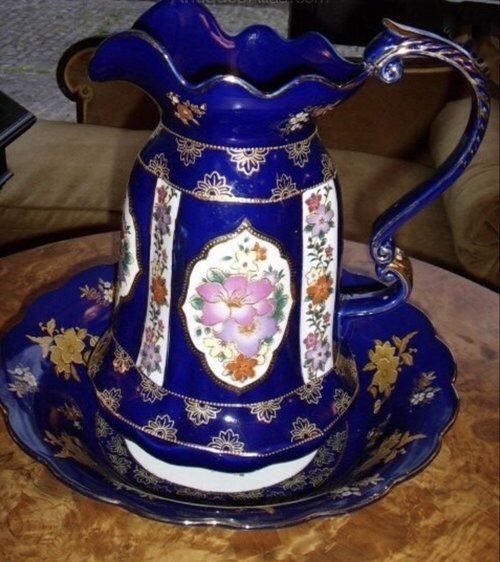
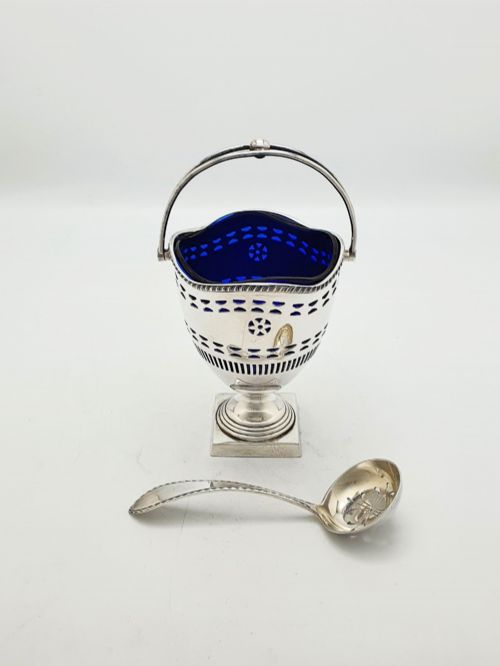
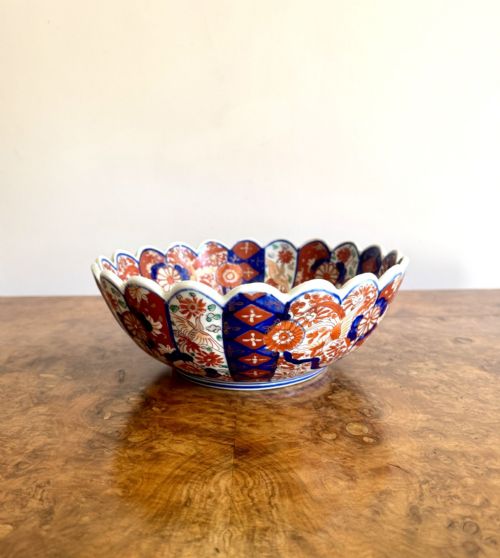
The objects take many forms, including large decorative bowls, scalloped edge dishes, sugar bowls with glass liners, and extensive wash sets with matching jugs. Japanese Imari styles and traditional blue and white Chinese porcelains appear frequently across the collection.
Origins stretch across Britain, continental Europe, and East Asia, bringing together English earthenware, Bohemian glass, French majolica, and Japanese porcelain in a single marketplace.
How they were made
Makers utilised high heat to fire porcelain, earthenware, and ironstone, applying intense cobalt blue glaze or pigment beneath or over the transparent surface. Gilding and gold leaf often accent the rich blue tones, particularly on Japanese Imari pieces and English porcelain trios.
Glass techniques involved blowing cobalt glass liners for silver plate mountings or casing clear crystal with blue overlays, as seen in Belgian glasswork. Potters shaped items by hand or on wheels, producing fluted edges, hexagonal forms, and scalloped profiles before final glazing.
A solitary American eagle once gazed proudly across an 18th century punch bowl, watching over endless gatherings of early tea drinkers.
What varies in quality
The depth and consistency of the cobalt blue glaze determine much of the visual impact, alongside the precision of hand-painted floral or figural motifs. Superior pieces display crisp detailing in gilt highlights and cobalt application without blurring or pooling.
The complexity of the form, such as pierced silver plate mounts or intricate scalloped and fluted mouldings, separates standard utilitarian vessels from grand centrepiece bowls and monumental decorative items.
Coalport·Minton·Masons Ironstone·Royal Davenport·Maling·Grainger and Co Royal Worcester·Kinkozan Kyoto·Val St Lambert·Gien Faience
The Vintage Cobalt Blue Bowl Glossary
- Cobalt glass
- Deep blue glass coloured with cobalt oxide during manufacture. It frequently appears as liners in sugar bowls or as standalone decorative bowls.
- Imari
- A Japanese style of porcelain decorated in underglaze blue and overglaze red, gold, and other colours. Items featuring this aesthetic often display scalloped edges.
- Ironstone
- A heavy, durable type of earthenware patented in the 19th century. English potteries utilised it extensively for robust jugs, basins, and large bowls.
- Majolica
- Pottery glazed with an opaque tin-lead glaze and painted with bright colours. French faience pieces in this style provide striking decorative alternatives to standard porcelain.
- Flow blue
- A style of transferware where the blue colour bled slightly into the white glaze during firing. This technique created a soft, misty appearance on Victorian earthenware.
Vintage Cobalt Blue Bowl: Frequently Asked Questions
How were antique punch bowls used?
Large punch bowls held mixed drinks for social gatherings in the 18th and 19th centuries, serving guests from a central table.
Today, these substantial porcelain and earthenware vessels function well as decorative centrepieces or fruit bowls in a dining room.
What is a wash set used for?
Victorian wash sets paired a large basin with a matching jug for bedroom hygiene before modern plumbing became common.
Collectors often display the complete set together on furniture or utilise the basin independently for floral arrangements.
How do I care for cobalt glass?
Cobalt glass requires gentle washing in lukewarm water with mild soap to preserve the smooth surface and prevent scratching.
Avoid abrasive sponges and sudden temperature changes to keep glass bowls and basketware in good condition.
How do I date Imari porcelain?
Imari pieces often reveal their age through the weight of the porcelain, the tone of the underglaze blue, and the wear on the overglaze gilding.
19th century examples frequently exhibit crisp scalloped edges and deep cobalt hues matching Meiji period production standards.