
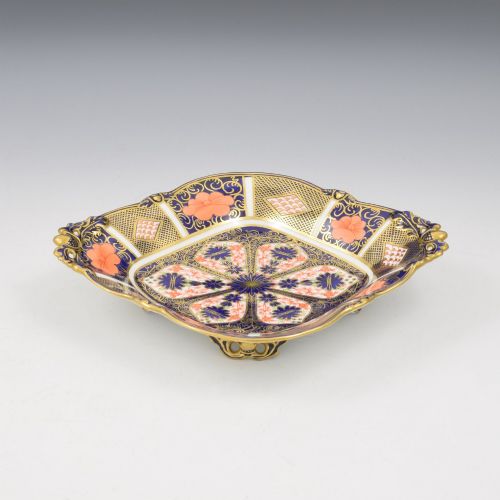
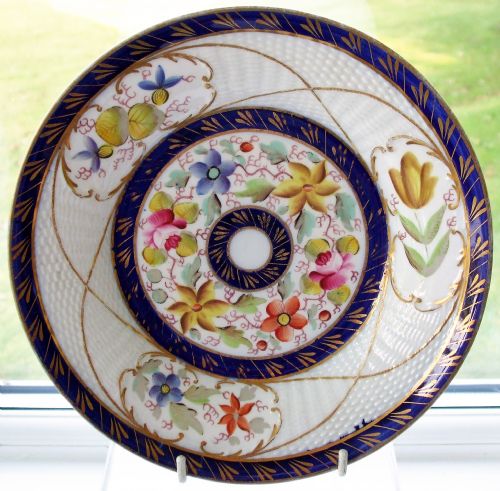


Vintage Ceramic Pin Dish
These small vessels span centuries and styles, offering a delicate surface for collecting rings and small items.
Vintage Ceramic Pin Dish
A vintage ceramic pin dish serves as a compact vessel designed to hold small everyday items like pins, rings, and trinkets. The selection includes porcelain, bone china, earthenware, and faience pieces spanning from the nineteenth century through the mid-twentieth century.
Buyers will encounter various forms on this page, ranging from small bowls and shaped trays to fan plates and vide-poche dishes. Origins vary from English potteries to French provincial workshops and continental factories.
Stylistic influences across the selection draw upon Edwardian, Art Deco, Arts and Crafts, and English Imari traditions. Each piece reflects the domestic habits and decorative tastes of its specific period.
Materials and Techniques
Potters shaped these vessels using traditional methods in porcelain, bone china, earthenware, and faience. Artisans applied glaze and enamel to create smooth surfaces ready for hand painting and intricate patterning.
Decoration often involved detailed hand painting, sometimes enhanced with gold leaf and gilt accents. Certain pieces utilised specialised techniques such as lustre glazes or pierced ceramic work to achieve their final appearance.
Materials across these listings include porcelain, bone china, faience, and earthenware, often enhanced with gold leaf.
Variations in Quality
The standard of painting largely defines the distinction between standard and superior pieces. Hand-painted examples featuring named artists display a level of precision and artistic control absent in simpler transfer-printed items.
The complexity of the ceramic body and glaze treatment also plays a role. Pierced work, applied gold leaf, and rich enamel palettes require greater technical skill during firing than plain glazed earthenware.
Royal Crown Derby·New Hall·Wedgwood·Royal Worcester·Moorcroft·HR Quimper·Royal Copenhagen
The Vintage Ceramic Pin Dish Glossary
- Faience
- Tin-glazed earthenware originating primarily from France and other continental European regions. It provides an opaque white background suitable for painted decoration.
- Imari
- A decorative style inspired by Japanese export wares featuring deep blues, iron reds, and gilt highlights. English potteries frequently adopted this palette.
- Vide-poche
- A small French receptacle designed literally to empty pockets of small items upon entering a room. These function similarly to pin trays and trinket dishes.
- Bone china
- A type of porcelain incorporating animal bone ash, resulting in a strong, highly translucent ceramic body. It became a staple of English table and decorative wares.
Vintage Ceramic Pin Dish: Frequently Asked Questions
What is a pin dish used for?
These small dishes were traditionally placed on dressing tables or desks to hold loose pins, needles, and small jewellery items.
Today they serve a similar purpose while adding a decorative touch to mantelpieces, sideboards, and entryways.
How do I clean ceramic pin dishes?
Dust them gently with a soft, dry cloth to remove everyday accumulation without risking the surface.
Avoid soaking pieces that feature delicate gold leaf or hand-painted enamel, as moisture can damage old finishes.
Are these dishes safe for food?
Many older ceramic items contain lead in their glazes or are simply too delicate for modern culinary use.
It is best to treat these decorative dishes and trays as ornamental objects rather than tableware.
How do I identify the period?
Makers' marks on the underside often provide clues to the factory and approximate date of manufacture.
Stylistic elements like Art Deco geometry or Edwardian floral motifs also help place the piece in its era.