





Vintage Coastal Wall Art
Vintage coastal wall art brings the weathered atmosphere of harbours and open seas indoors through period maritime paintings and watercolours.
Vintage Coastal Wall Art
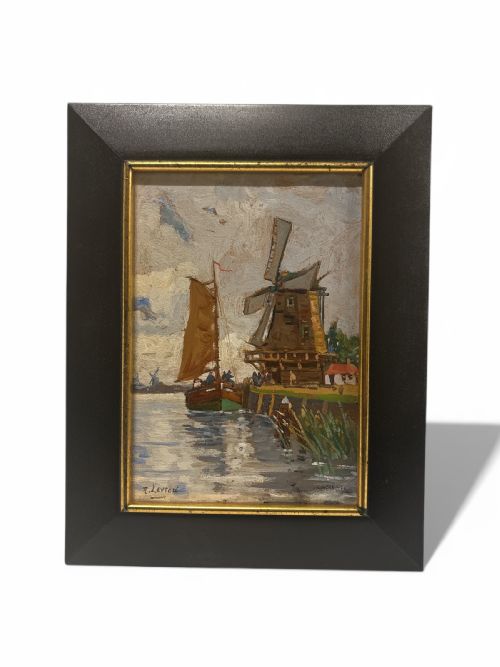
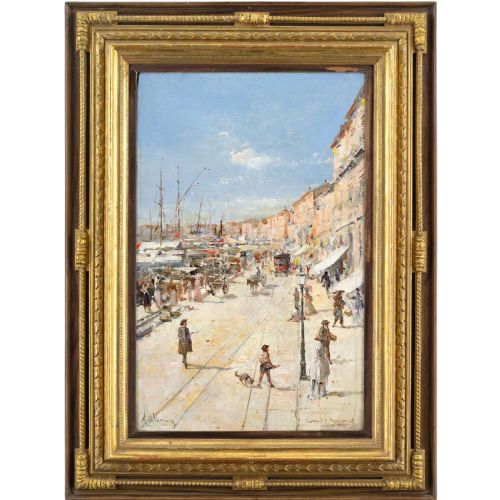
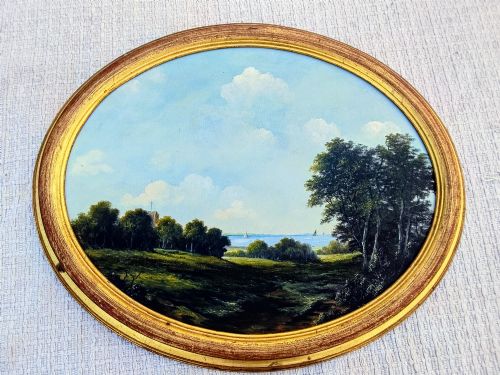
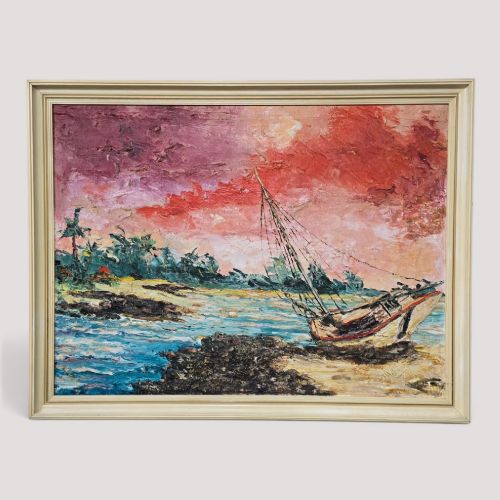
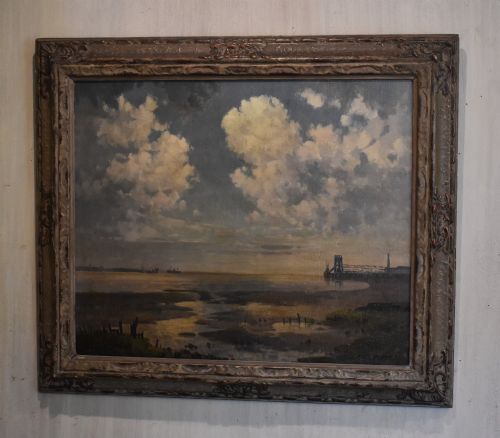
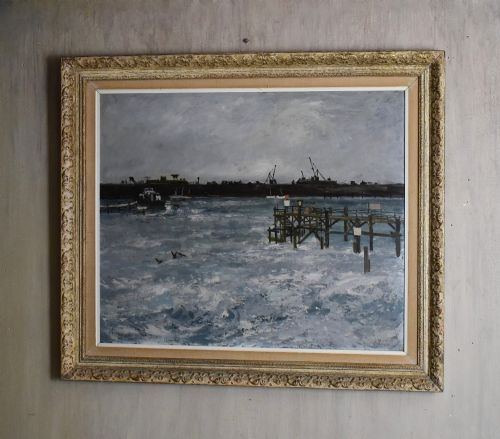
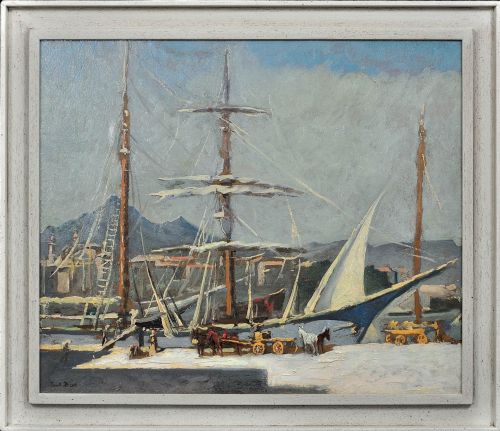
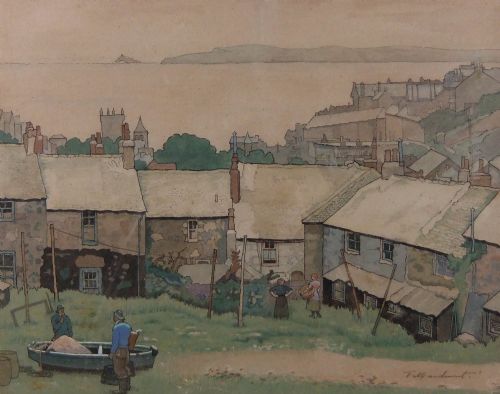
Vintage coastal wall art encompasses framed paintings, watercolors, and oil works capturing marine landscapes, harbours, and seaside life. These pieces span from the nineteenth century through the mid-twentieth century, recording ports and shores across Britain and Europe.
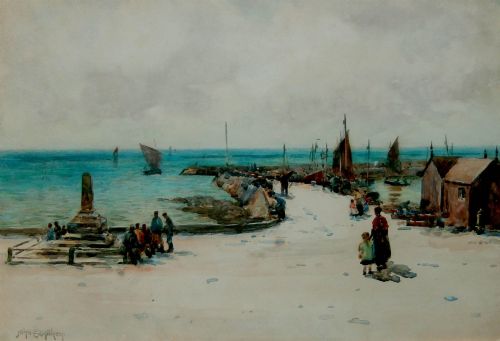
The selection on this page relies heavily on British Impressionism, Victorian marine painting, and mid-century British movements. Buyers encounter depictions of St Ives, fishing luggers, and quiet estuaries rendered by regional and named painters.
How these artworks were produced
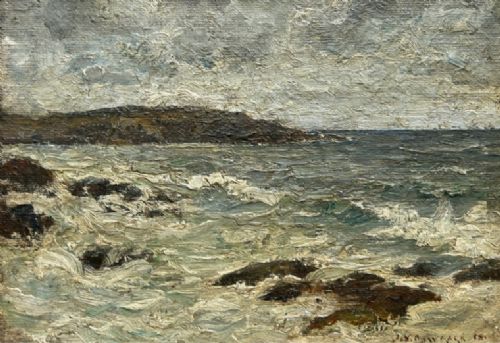
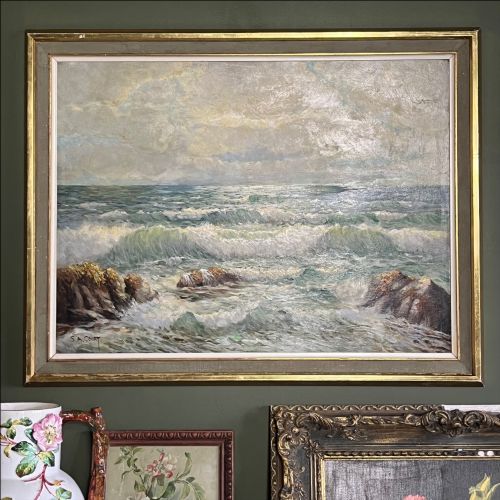
Artists captured maritime scenes using oil paint or watercolour applied to canvas, wood panels, or heavy paper sheets. En plein air techniques brought painters directly to cliffs and harbour walls to record changing light on water.
Many surviving works retain their period wood frames, occasionally finished in gilt or housing protective glass layers over delicate watercolours.
Vintage Coastal Wall Art Retail Price Guide 2026
Typical asking prices for vintage coastal wall art among the pieces listed under this phrase on Sellingantiques today, from the lower quarter to the upper quarter. They describe what is for sale here now, not the wider market.
Listings feature works spanning the nineteenth century through the 1960s, utilising oil paint, watercolour, canvas, and wood.
What sets individual pieces apart
Quality rests upon the artist's ability to render atmosphere, coastal light, and the convincing movement of water and shipping vessels. Hand-painted brushwork with clear depth separates accomplished canvases from formulaic decorative works.
The integrity of the original support, stable pigment retention, and matching period framing preserve the historic character of each maritime scene.
Kenneth Cozens·William Banks Fortescue·Augusto Alberici·Peter Brannan·Bernard Benedict Hemy·Thomas Maidment·William Henry Williamson·Abraham Hulk I·William Frederick Settle·Charles Napier Hemy
The Vintage Coastal Wall Art Glossary
- En plein air
- Painting outdoors to capture natural light and atmospheric conditions directly from the subject. This method defined much of nineteenth and twentieth-century landscape art.
- Impasto
- Paint applied thickly to a surface, leaving visible brush or palette knife marks that add physical texture. This technique frequently highlights waves and clouds in maritime scenes.
- Gilt frame
- A wooden picture surround coated with a thin layer of gold leaf or metallic paint. These frames are period-appropriate enhancements found on many older oil paintings.
- Watercolour
- A paint consisting of water-soluble pigments diluted with water, typically applied to paper. It produces translucent washes well-suited to quiet harbour views.
Vintage Coastal Wall Art: Frequently Asked Questions
How do I hang a heavy oil painting safely?
Secure wall fixings directly into studs or use appropriate masonry anchors depending on the wall construction. Ensure the hanging wire and D-rings on the wooden frame are structurally sound before mounting.
Position the artwork at eye level to replicate gallery display standards and keep the piece away from direct heat sources or damp environments.
Can I mix nineteenth-century and mid-century art?
Different eras of coastal art complement one another when unified by similar subject matter or shared wooden and gilt framing. The changing palettes from Victorian maritime scenes to mid-century modern views create visual depth on a shared wall.
Keep spacing consistent between frames to maintain a cohesive arrangement across mixed periods.
How do I identify a watercolour from an oil painting?
Watercolour paintings sit beneath protective glass on paper supports, displaying translucent washes and fine paper texture. Oil paintings utilise canvas or wood boards with thicker, textured paint layers that do not require glass covers.
Examining the surface under angled light reveals the distinct presence of varnish on oils versus matte paper on watercolours.
What subjects appear most often in these paintings?
Harbour scenes, sailing ships, fishing luggers, and rugged cliff views dominate the maritime works. Artists frequently documented specific coastal locations such as St Ives, Cornwall, and various European ports.
These depictions range from calm estuary departures to dramatic seascapes featuring working vessels.