





Vintage Chinese Decorative Vase
A vintage chinese decorative vase brings rich colour and enduring craftsmanship into a room, offering an instant focal point for any mantelpiece or side table.
Vintage Chinese Decorative Vase
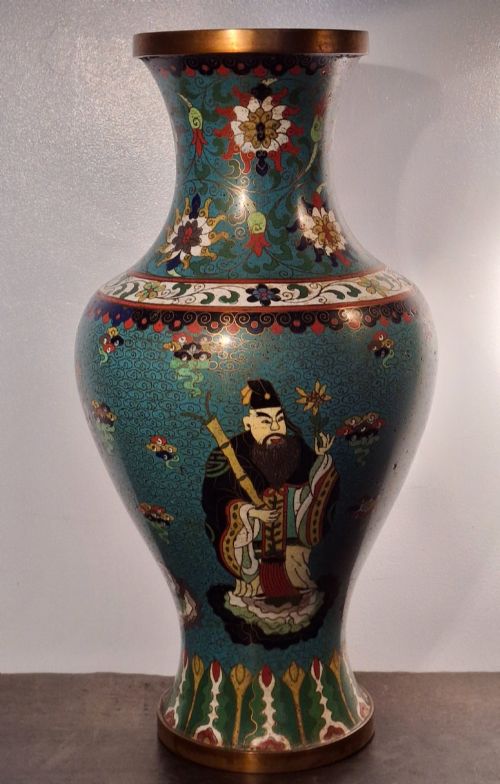
When you search for a vintage chinese decorative vase, you encounter a diverse selection of vessels spanning the nineteenth century through to the mid-twentieth century. The material palette ranges widely from delicate porcelain to robust brass and intricate metalwork.
The pieces appearing on this page encompass various traditional forms including ginger jars, lidded vessels, table lamps, and jardinieres. Styles span from Qing dynasty traditions and Chinese export art to Republic period works and Chinoiserie interpretations.
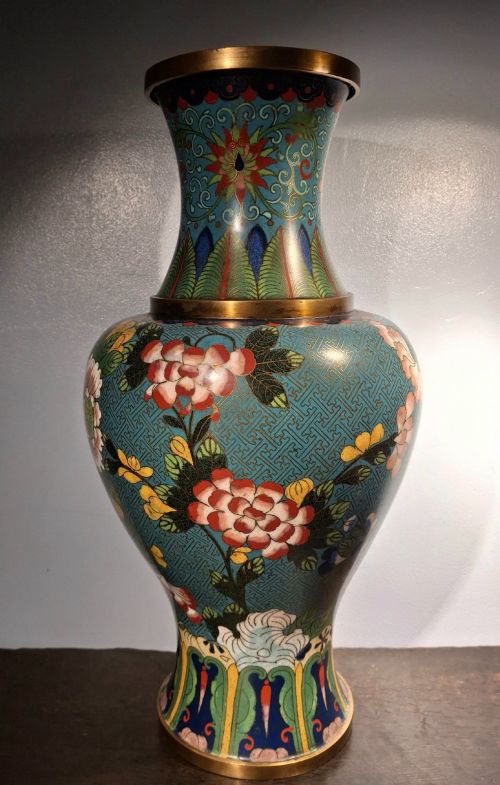
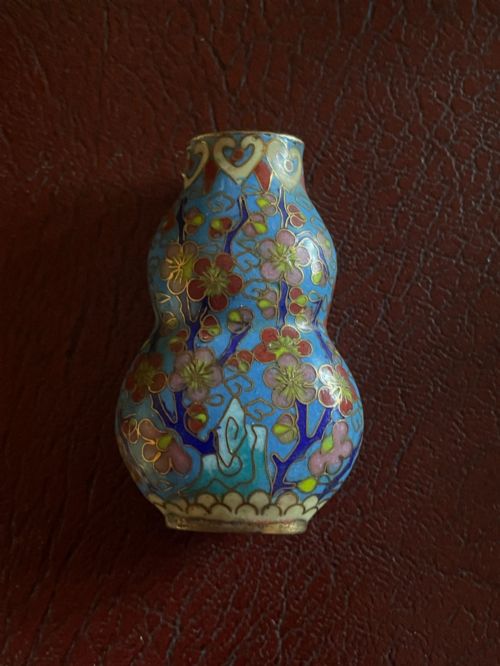
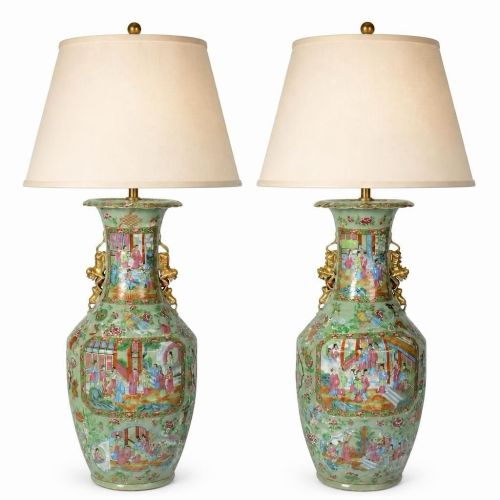
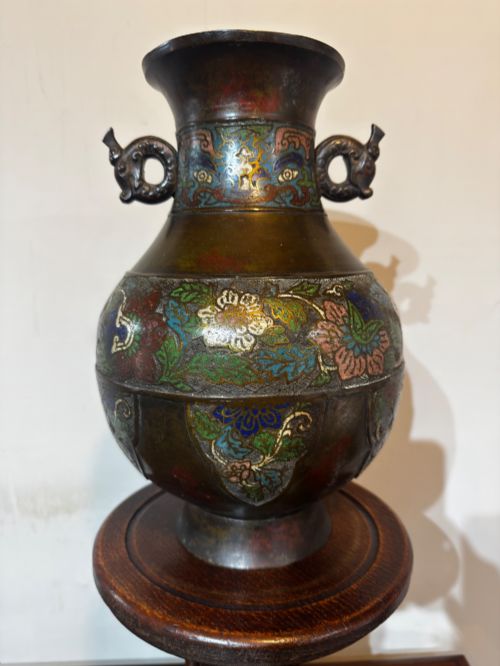
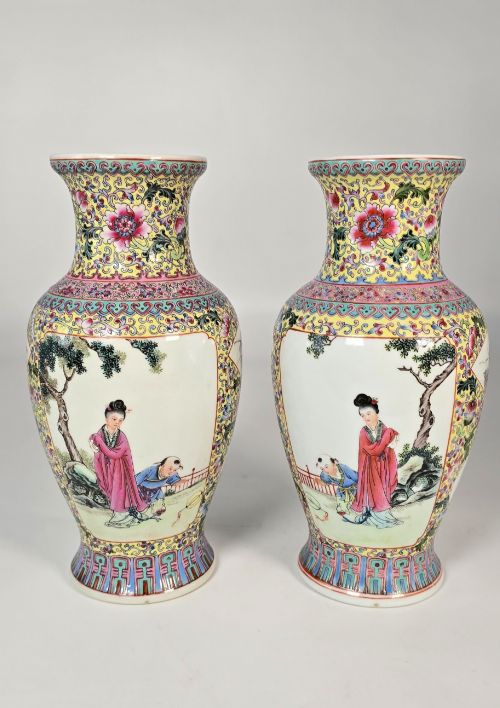
Cloisonne enamel examples emerge frequently alongside famille rose, famille verte, and Canton porcelain pieces. Buyers will find both single display items and matched pairs suitable for domestic decoration or conversion into lighting.
How they were made
Cloisonne enamel vases take shape through the application of delicate metal wires onto a metal body, creating individual cells that are subsequently filled with coloured enamel paste and fired. Gilt bronze, gilt metal, copper, and brass serve as the structural foundations for these and other metalwork vessels.
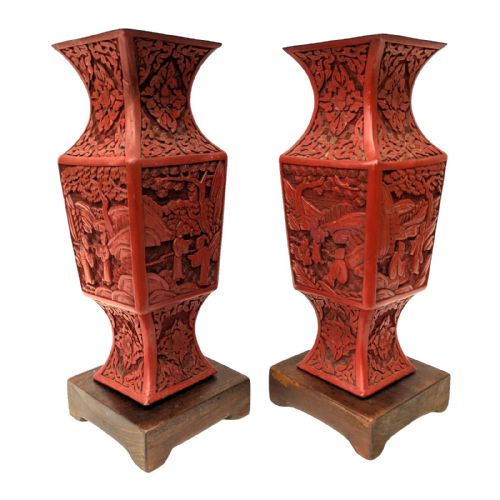
Porcelain pieces such as famille rose, famille verte, and Canton vases utilise traditional ceramic throwing and moulding techniques before receiving hand-painted polychrome decoration and glaze firings. Cinnabar lacquer pieces involve the meticulous building up of numerous layers of lacquer before being carved with intricate motifs.
Vintage Chinese Decorative Vase Retail Price Guide 2026
Typical asking prices for vintage chinese decorative vase among the pieces listed under this phrase on Sellingantiques today, from the lower quarter to the upper quarter. They describe what is for sale here now, not the wider market.
Listings feature vessels created from brass, copper, fabric, gilt bronze, gilt metal, and porcelain.
What varies in quality
The refinement of the hand-painted details and the precision of the enamel work distinguish finer examples from simpler production. Superior cloisonne displays crisp wirework and densely packed enamel fills without pitting, while top-tier porcelain exhibits expressive brushwork and vibrant colour control.
The weight and solidity of the underlying metal or ceramic body contribute significantly to the overall presence of the piece. Preservation of original gilt surfaces and intact lacquer carving further elevate the desirability of these decorative objects.
The Vintage Chinese Decorative Vase Glossary
- Cloisonne Enamel
- A decorative technique where thin metal wires form raised cells on a metal base, which are then filled with coloured glass paste and fired. This method creates distinctive patterned surfaces across many traditional vases.
- Famille Rose
- A palette of opaque rose-pink enamel colours introduced in Chinese ceramics during the Qing dynasty. It allowed artists to render delicate floral and figurative scenes.
- Famille Verte
- A ceramic glaze and enamel palette dominated by green tones, developed during the Qing dynasty. Pieces utilising this style often feature vibrant botanical and narrative motifs.
- Cinnabar Lacquer
- A technique involving the layering of natural tree sap pigmented with mercuric sulphide, applied thickly enough to allow deep surface carving. These items display rich red hues and tactile relief patterns.
- Champleve
- An enamelling method where troughs or pits are gouged into a metal surface and filled with enamel before firing. It differs from cloisonne by carving into the base metal rather than soldering wires onto it.
- Ginger Jar
- A ceramic vessel featuring a wide rounded body and a high-domed cover, originally designed for storing spices. They remain popular decorative items in interior styling.
Vintage Chinese Decorative Vase: Frequently Asked Questions
How do I date a Chinese cloisonne vase?
Dating typically relies on stylistic indicators, wire gauge thickness, and the characteristics of the underlying metal base. Earlier nineteenth-century examples often display heavier construction and distinct colour palettes compared to later twentieth-century production.
Examining the base and interior can also reveal manufacturing traits associated with specific periods like the Qing dynasty or the Republic era.
Can these vases be used as table lamps?
Many of these vessels have historical or contemporary adaptations allowing them to function as lamps. Buyers frequently encounter pieces that have been wired for electricity while retaining their decorative body.
Careful inspection is recommended to determine if the conversion was done professionally without compromising the structural integrity of the ceramic or metal.
What is the difference between Canton and famille rose porcelain?
Canton porcelain is a specific type of famille rose ware traditionally produced for export in the Canton region. It is typically characterised by dense panels alternating between figures and birds or flowers.
Broader famille rose pieces may feature continuous landscape scenes or floral compositions without the compartmentalised borders typical of Canton work.
How should I clean an antique enamel vase?
Maintenance requires gentle dusting with a soft, dry cloth to prevent the accumulation of grit on delicate enamel or gilt surfaces. Moisture and abrasive cleaning agents should be strictly avoided to protect the aged metal and glass pastes.
Professional conservation advice should be sought if deeper cleaning is required for fragile or heavily patinated pieces.