




Vintage Chinoiserie Urn
A vintage chinoiserie urn brings painted narrative and rich lacquer to a room, offering the decorative weight of centuries past.
Vintage Chinoiserie Urn
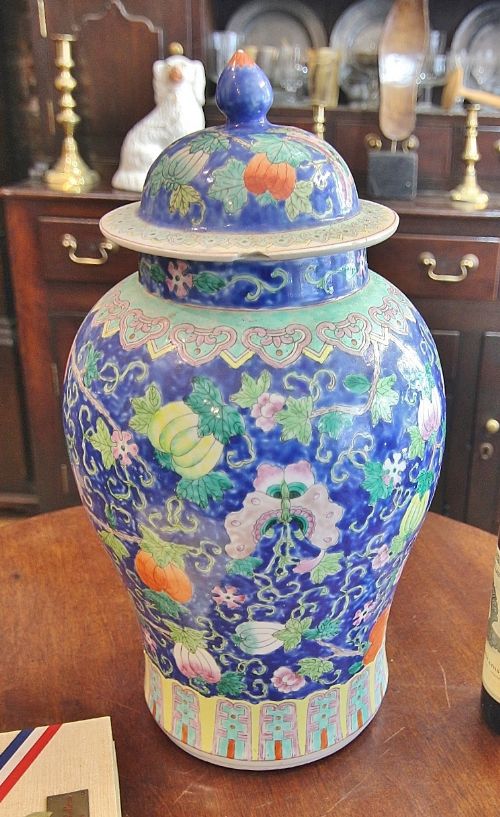
When you search for a vintage chinoiserie urn, you encounter vessels that adopt European interpretations of East Asian motifs or genuine imported wares. These objects encompass lidded jars, ginger jars, and decorative vessels adapted into lamps.
The selections span distinct periods including the nineteenth century, Edwardian era, and early twentieth century. Many items take the form of table lamps utilising porcelain, toleware, and ironstone bodies.
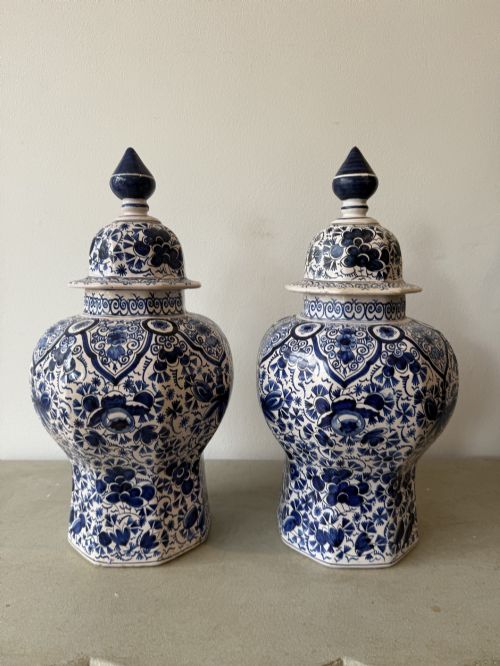
Forms vary from traditional beaker vases to large plant stands and coffee urns. You will frequently find pairs designed for symmetry on side tables or mantlepieces.
Materials and construction methods
The construction relies heavily on ceramics, porcelain, and ironstone shaped into vessel forms and finished with detailed glazes. Artisans applied cobalt blue, polychrome enamels, and gilt highlights to depict figures, landscapes, and floral patterns.
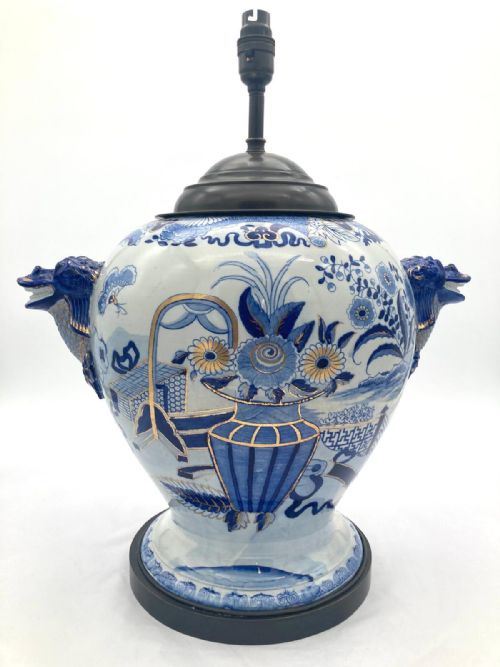
Electrical adaptation appears frequently, with older ceramic vessels carefully drilled or mounted for modern use as table lamps.
Vintage Chinoiserie Urn Retail Price Guide 2026
Typical asking prices for vintage chinoiserie urn among the pieces listed under this phrase on Sellingantiques today, from the lower quarter to the upper quarter. They describe what is for sale here now, not the wider market.
Some urns have lived double lives, starting as pantry jars before finding new careers as glowing living room lamps.
Distinctions in quality and execution
Quality rests in the crispness of the hand-painted detail and the depth of the glaze or lacquer finish. Finer pieces display confident brushwork and rich colour saturation that hold the eye from across a room.
The integrity of the body itself dictates value, whether porcelain, ironstone, or heavy toleware. Superior examples maintain intact gilding and well-preserved surface decoration without heavy wear.
Hicks and Meigh·Mason·Carlton Ware·Royal Doulton
The Vintage Chinoiserie Urn Glossary
- Chinoiserie
- European decorative style reflecting Chinese artistic influences, characterised by whimsical scenes and motifs. It appears across furniture, ceramics, and lamps.
- Toleware
- Painted or lacquered sheet metal items, often executed in black with gold highlights. This material frequently forms decorative urns and lamp bases.
- Ironstone
- A heavy, durable type of earthenware patented in the nineteenth century. It provides a sturdy body for large decorative vases and posy vessels.
- Ginger Jar
- A wide-mouthed storage jar originating in China, typically featuring rounded shoulders and a matching lid. These bodies are frequently converted into lamps.
- Cloisonné
- Enamelwork in which compartments are created on a metal surface by soldering wires. Coloured paste is applied within these enclosures before firing.
Vintage Chinoiserie Urn: Frequently Asked Questions
Are these urns wired for modern lighting?
Many of these vessels have been converted into table lamps during their history. Rewired examples integrate electrical fittings while preserving the original ceramic or metal body.
Check individual listings to confirm the current wiring status and compatibility with standard lamp shades.
How do I identify a nineteenth century piece?
Nineteenth century examples often display hand-painted blue and white or polychrome decoration on heavy porcelain or crackle ware bodies. Stylistic markers include Canton and Famille Rose motifs.
Examine the base and glaze characteristics to help determine the manufacturing period.
Where should I place a plant stand?
Plant stands and jardiniere stands provide a sturdy platform for large vases, urns, or potted plants. They suit corners of reception rooms or hallways where height adds visual balance.
Marble top variants offer a durable surface that resists moisture from plants.