


Vintage China Cupboard
A vintage china cupboard brings glass, timber and ceramics together to display domestic collections with architectural poise.
Vintage China Cupboard
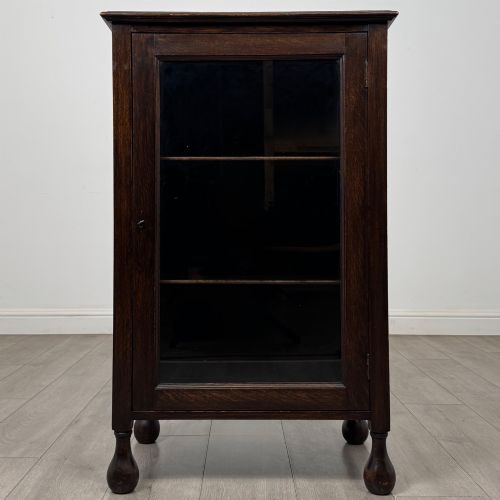
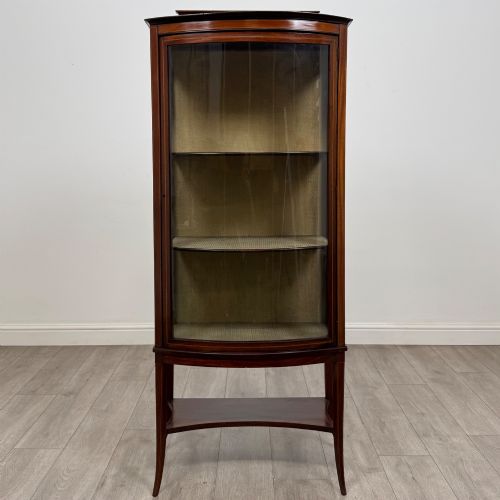
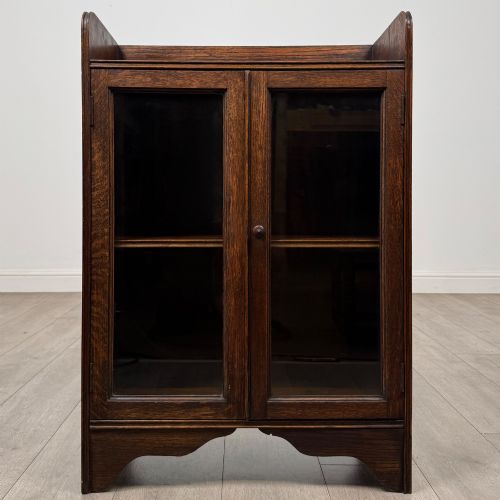
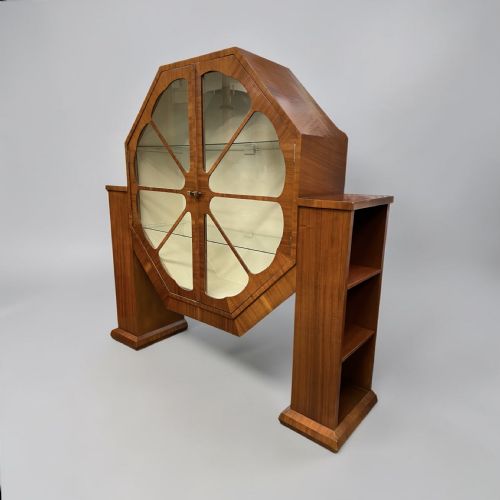
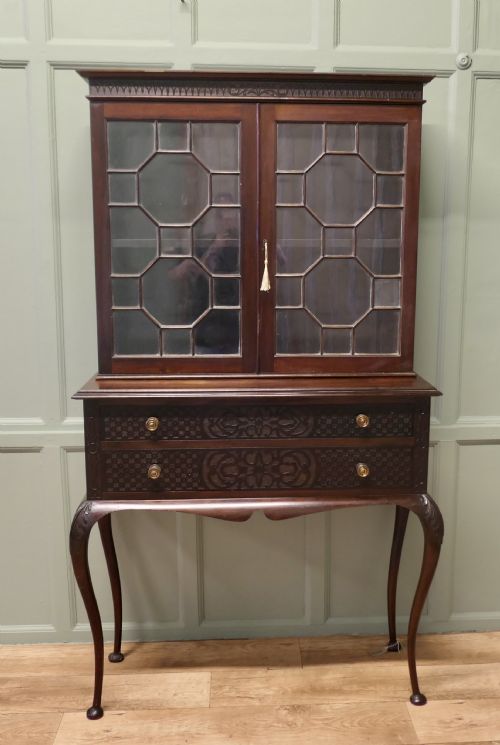
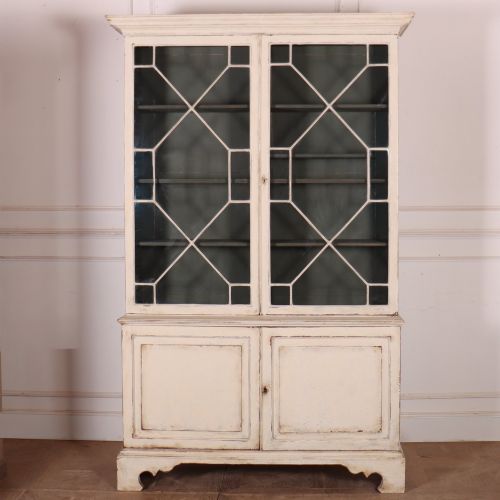
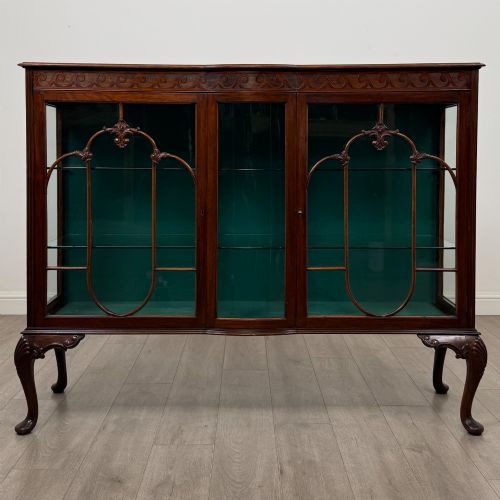
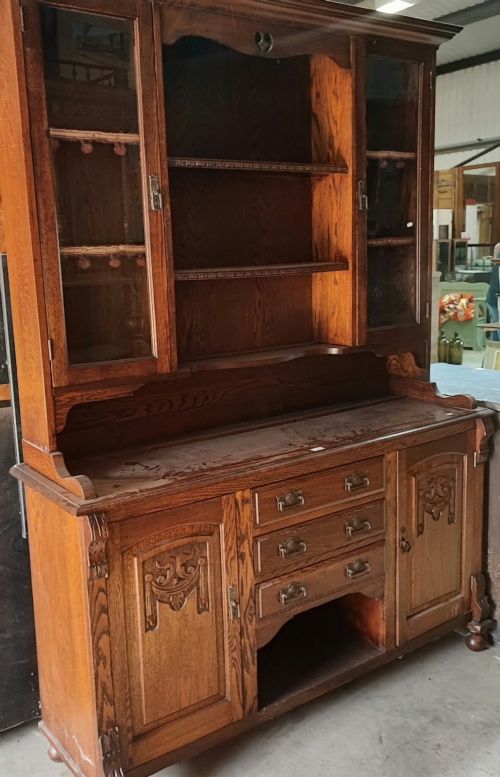
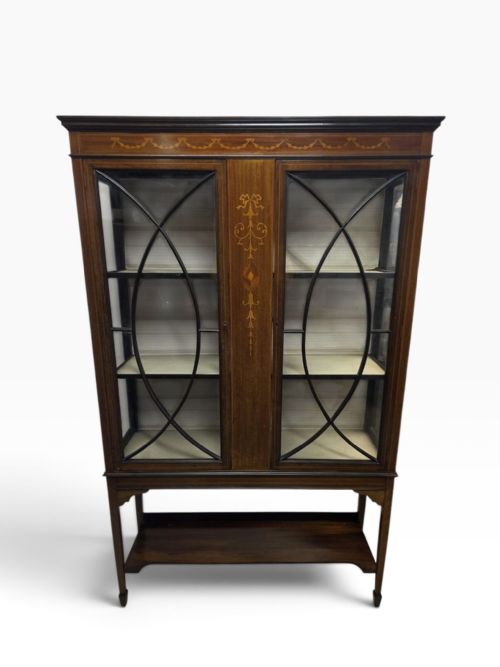
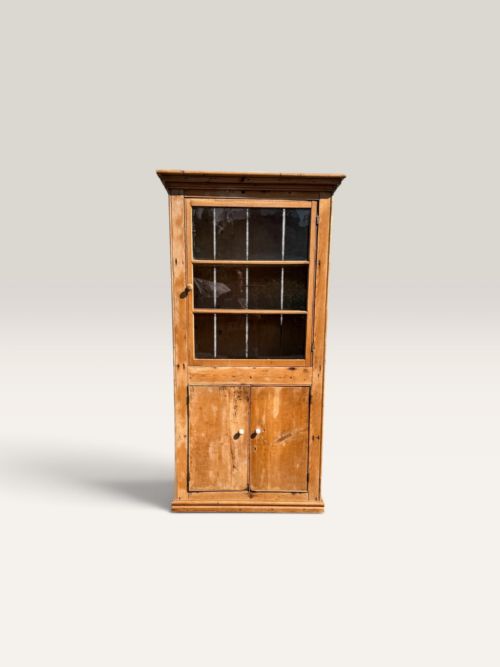
When searching for a vintage china cupboard, buyers encounter a variety of forms including display cabinets, bookcases, dressers and corner cupboards. These pieces bridge the gap between functional storage and visual presentation, designed primarily to protect and exhibit tableware or ornaments behind glazed doors.
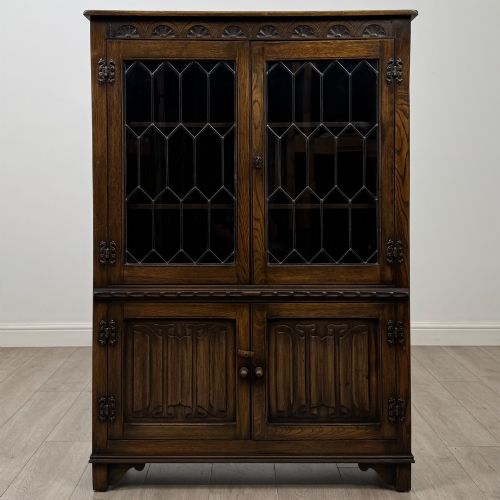
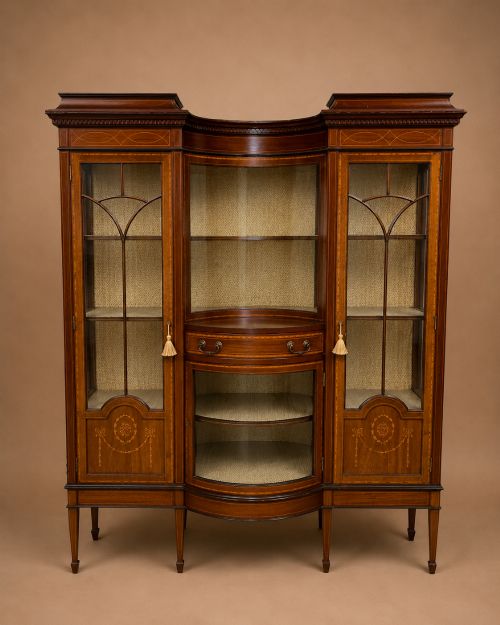
The selections span multiple periods from the eighteenth century through the Victorian and Edwardian eras into Art Deco designs of 1930. Edwardian mahogany and oak display cabinets appear frequently alongside walnut pieces and traditional Welsh dressers constructed from oak.
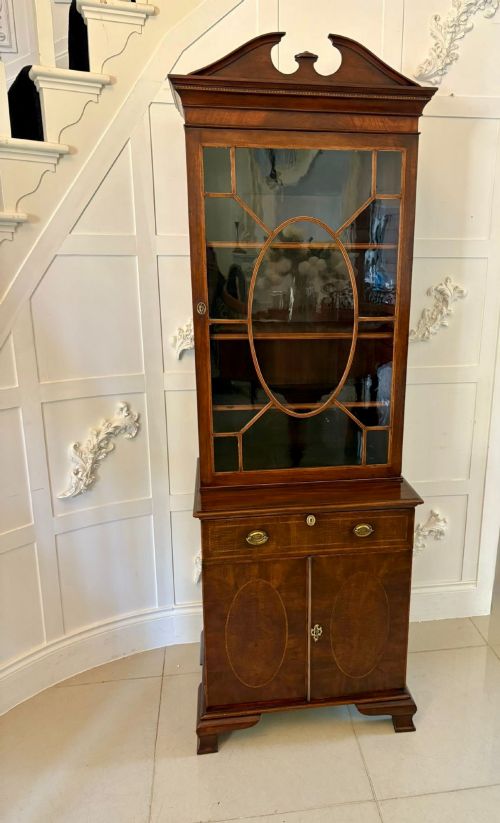
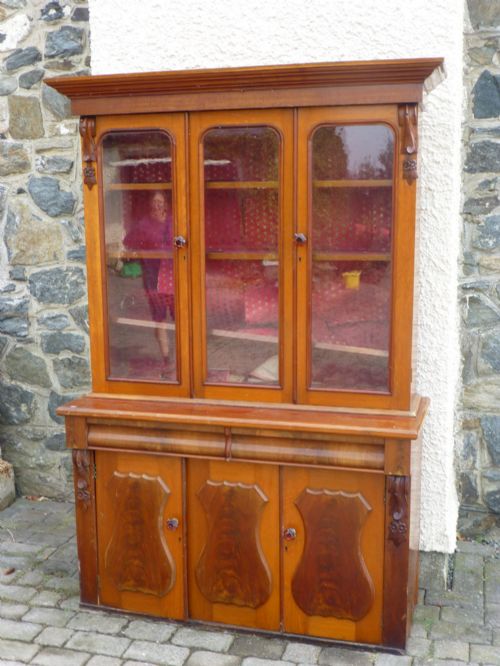
Makers and cabinetmakers utilised diverse regional styles, ranging from Sheraton Revival satinwood to Chinese Chippendale mahogany. Buyers will find configurations that incorporate lower wooden cupboards or drawers beneath upper glazed shelving units tailored for domestic display.
Materials and construction methods
Makers constructed these cabinets using dense hardwoods such as mahogany, oak and walnut, frequently applying fine veneers like satinwood and burr walnut to primary display surfaces. Lead and brass often secured individual panes of glass within astral glazing bars, creating structured grid patterns across the cabinet doors.
Joinery techniques combined solid timber frames with inlaid marquetry, floral details and mirror backs to enhance light reflection within the interior shelving. Pine and secondary timbers were utilised for internal carcases and drawer linings, ensuring structural stability for heavy ceramic collections.
Some oak cupboards incorporate secret linenfold panels, hiding quiet folds of carved cloth within sturdy wooden grain.
Distinctions in construction and finish
Superior examples distinguish themselves through the selection of highly figured timber veneers, precise marquetry inlay and balanced proportions. The integration of original glass panes, functional brass hardware and well-fitted doors separates standard utility furniture from pieces produced with finer cabinetmaking standards.
Finer construction is evident in the crispness of carved details, the subtlety of Sheraton Revival satinwood banding and the integrity of internal mirrors and shelving. Pieces featuring matched grain patterns and harmonious proportions demonstrate a higher level of workshop execution.
Maple & Co.
The Vintage China Cupboard Glossary
- Astral glazing
- Wooden or metal bars that divide a glass window into smaller panes. These structural divisions provide the characteristic geometric grid seen on many cabinet doors.
- Marquetry
- Decorative patterns formed by inserting pieces of contrasting veneer into a wooden surface. This technique creates floral or geometric motifs across drawer fronts and cornices.
- Figured walnut
- Timber cut to reveal irregular, highly decorative grain patterns. Cabinetmakers selected these sections for prominent display doors.
- Welsh dresser
- A traditional form combining lower cupboards with upper open shelves or glazed display cabinets. They were originally utilised in domestic kitchens for storing and displaying pottery.
- Satinwood
- A lustrous, yellow-toned timber used extensively during the Sheraton Revival period for banding and inlay work. It provides sharp visual contrast against darker mahogany.
Vintage China Cupboard: Frequently Asked Questions
What is a vintage china cupboard?
A vintage china cupboard is a cabinet designed with glass doors or open shelving specifically intended to hold and exhibit ceramic plates, bowls and glassware.
These pieces range from tall Edwardian display cabinets in mahogany and oak to traditional Welsh dressers and corner cupboards originating across the eighteenth, nineteenth and twentieth centuries.
How were these cabinets used?
Historically, households utilised these pieces in dining rooms and kitchens to store everyday tableware while keeping prized porcelain protected from dust behind glass.
The upper glazed sections permitted the visual enjoyment of decorative ceramics, whereas lower wooden cupboards and drawers accommodated heavier linens and serving dishes.
How do I identify Edwardian pieces?
Edwardian cabinets frequently feature light mahogany or oak constructions supplemented by satinwood inlay, mirror backs and delicate stringing details.
They often reflect revivals of earlier styles such as Sheraton or Chippendale, combined with practical proportions suited to twentieth-century domestic interiors.
Where should I place a corner cupboard?
Corner cupboards are designed to fit snugly into room junctions, making them effective for utilising otherwise neglected architectural spaces.
Their triangular footprint allows them to display collections in smaller dining areas without dominating the surrounding floor space.