



Walnut Curio Cabinet
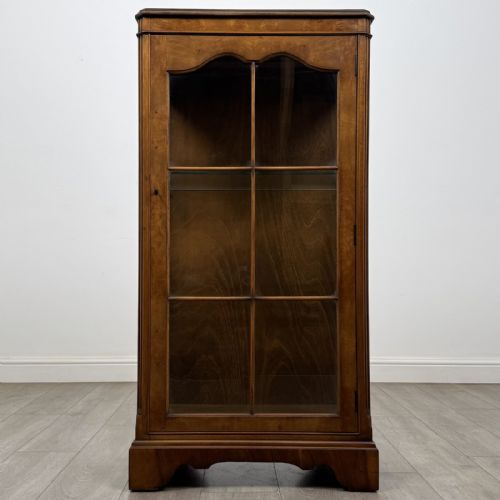
A walnut curio cabinet offers a glazed stage for treasured collections, combining rich timber grains with protective display.
Walnut Curio Cabinet
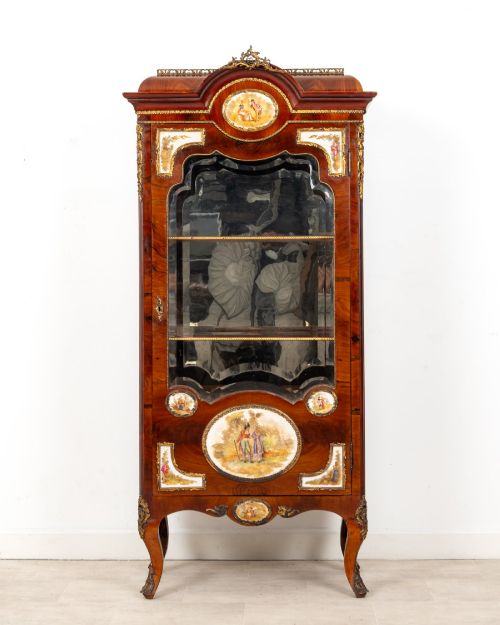
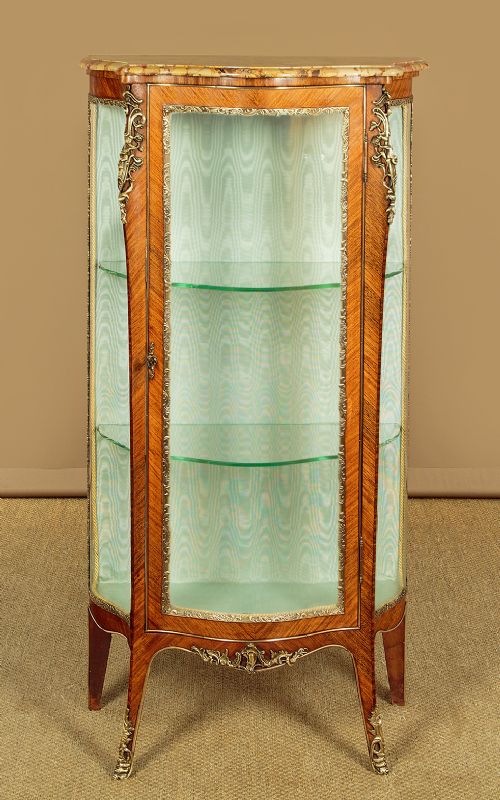
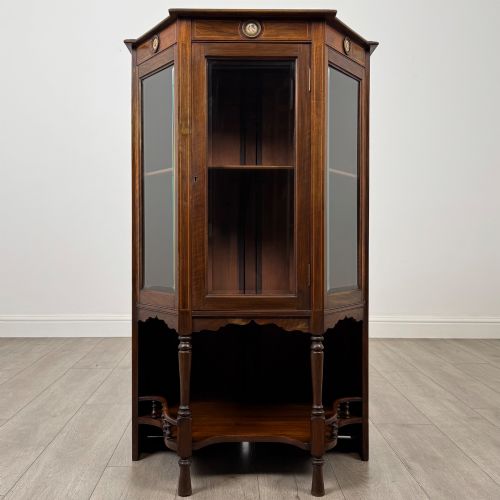
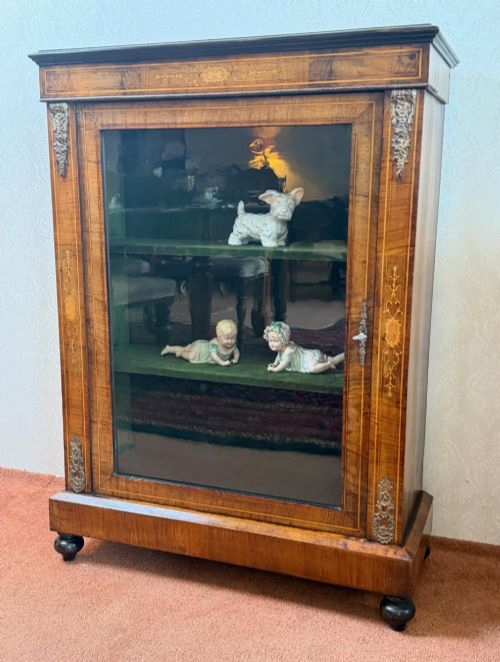
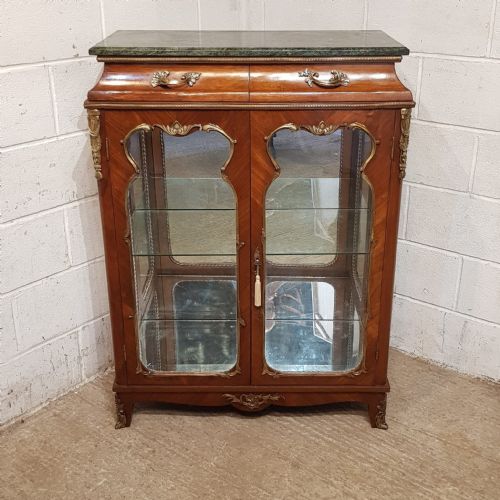
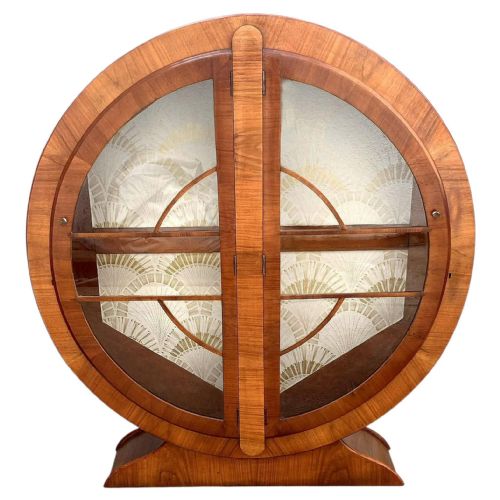
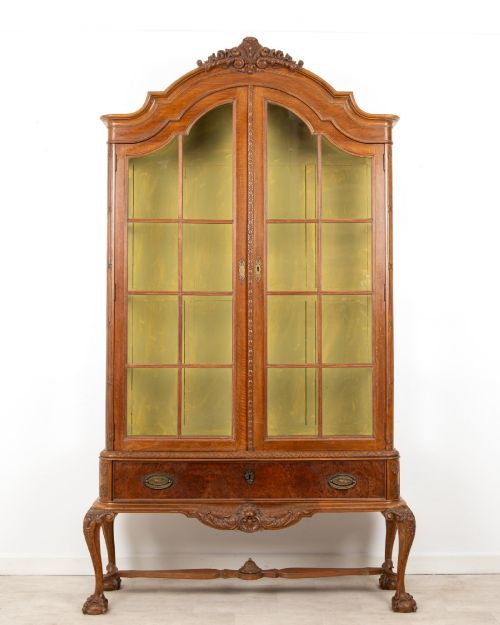
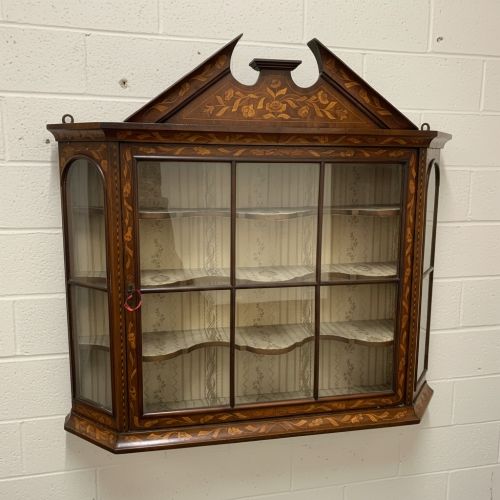
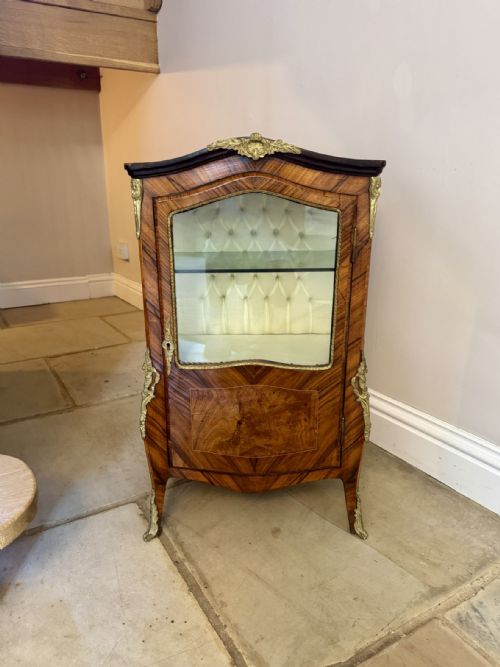
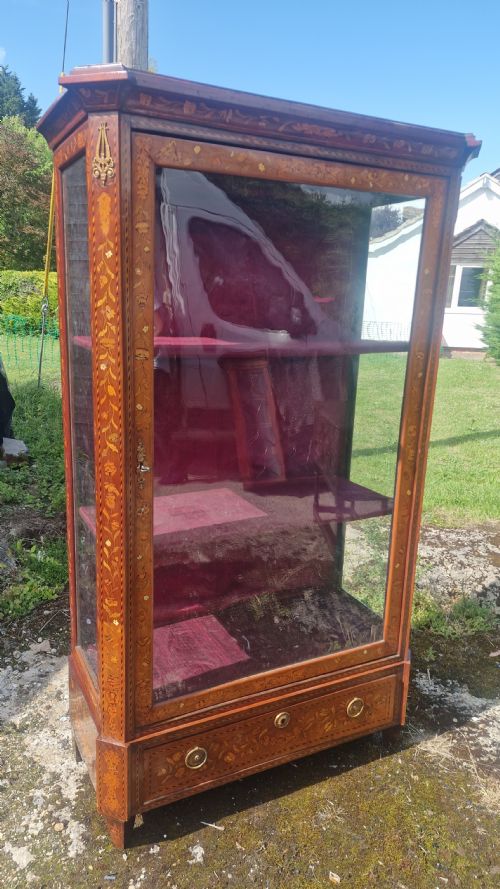
A walnut curio cabinet spans several distinct decorative movements, taking the form of upright vitrines, wall cabinets, and circular display pieces. Buyers seeking a walnut curio cabinet encounter French styles with gilt mounts alongside English Edwardian and Art Deco interpretations.
The materials and construction reflect periods ranging from the eighteenth century to the 1930s. Pieces appear in plain walnut, burr walnut, and figured veneers, frequently paired with glass and velvet linings.
Makers and designers from Dutch baroque workshops to French cabinetmakers and English firms shaped these display pieces. The selections include pier cabinets, table cabinets, and bombé forms designed to showcase porcelain and small artefacts.
Materials and Construction
Makers utilised solid walnut and decorative veneers like burr walnut and kingwood over carcase timbers. Surfaces often display intricate marquetry inlay work, contrasting with the dark timber grain.
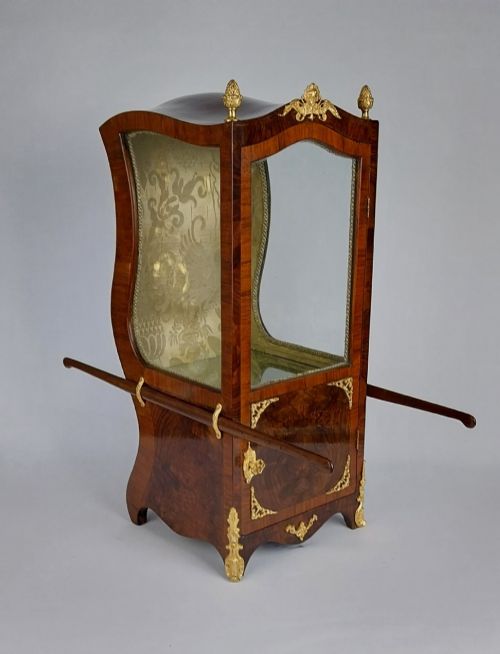
Ormolu, gilt metal, and brass mounts accent the corners, frames, and feet of French and English vitrines. Glass panels form the sides and doors, while interiors frequently feature fabric, velvet, or porcelain plaque inserts.
Among the delicate vitrines and marquetry cabinets sits an unexpected nineteenth-century American gambler's pistol named The Defender.
Judging the Workmanship
Quality rests upon the selection of the timber veneers and the crispness of the marquetry inlay. Figured and burr walnut display dramatic natural grain patterns that elevate the visual weight of the cabinet.
The integration of metal mounts and the joinery of the glazed doors separate standard production from superior output. Ormolu and gilt bronze work should sit flush and show clear chiselling details.
Linke·Rurka
The Walnut Curio Cabinet Glossary
- Vitrine
- A glass-fronted display cabinet used for showing porcelain and small collectibles. These pieces often feature glazed sides to let light enter from multiple angles.
- Ormolu
- Gilded bronze mounts applied to furniture for decoration. This technique is frequently seen on French cabinets from the nineteenth century.
- Marquetry
- The art of applying pieces of veneer to a structure to form decorative patterns. Dutch examples often display floral marquetry across the entire surface.
- Burr walnut
- Timber taken from a tree growth that produces complex and swirling grain patterns. It is sliced into veneers for high-status furniture.
- Bombe
- A swollen, convex shape characteristic of certain eighteenth-century furniture designs. This undulating profile requires skilled woodworking to achieve.
Walnut Curio Cabinet: Frequently Asked Questions
What is a walnut curio cabinet used for?
These cabinets serve to display porcelain, curios, and small collectibles while protecting them from dust. The glazed panels and glass shelves allow light to pass through the interior.
Historically, they occupied drawing rooms and parlours where hosts exhibited their gathered treasures to guests. Today, they perform the same decorative and protective function in modern interiors.
How do I identify an Art Deco walnut curio cabinet?
Art Deco examples, typically dating around 1930, feature geometric forms such as circular or octagonal shapes. They rely on figured walnut veneers rather than applied metal mounts to create visual interest.
Their lines are cleaner and less ornate than nineteenth-century revival styles. These pieces often lack the heavy carving found on earlier Victorian or Dutch baroque furniture.
Where should I place a wall hanging display cabinet?
Wall cabinets require a secure fixing to a sturdy wall to support the weight of the timber and glass. They suit smaller spaces or rooms where floor area is limited.
Positioning them at eye level ensures the contents are easily viewed. Placing them away from direct sunlight protects the interior fabrics and timber finishes.