
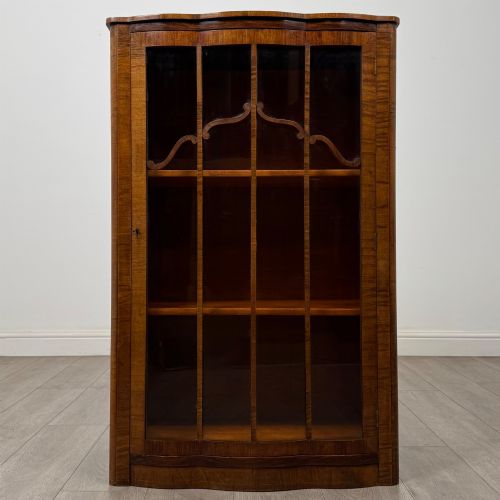
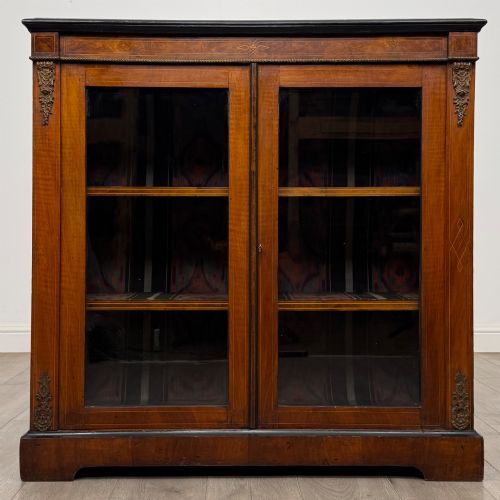
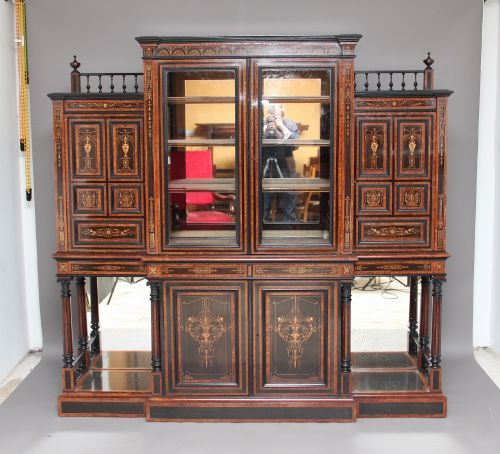
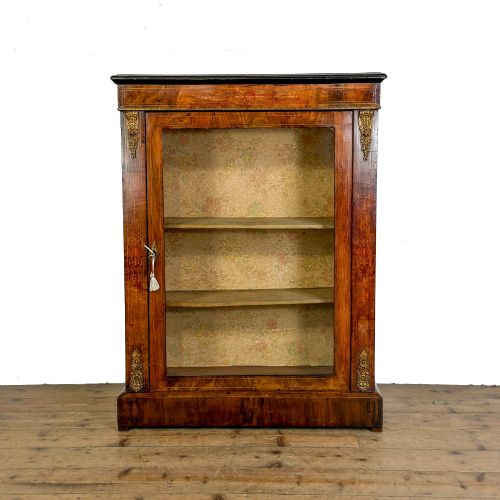
Walnut Glazed Display Case
A walnut glazed display case brings warmth and clear visibility to cherished objects, spanning Victorian, Edwardian, and Art Deco designs.
Walnut Glazed Display Case
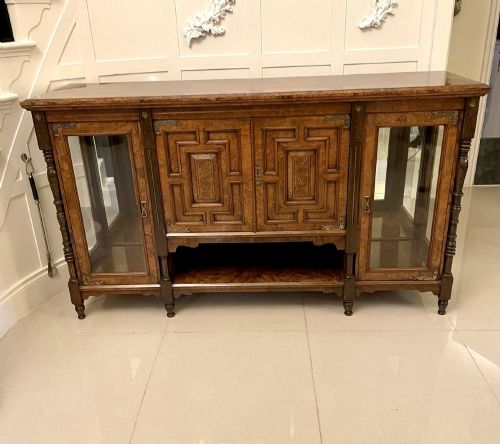
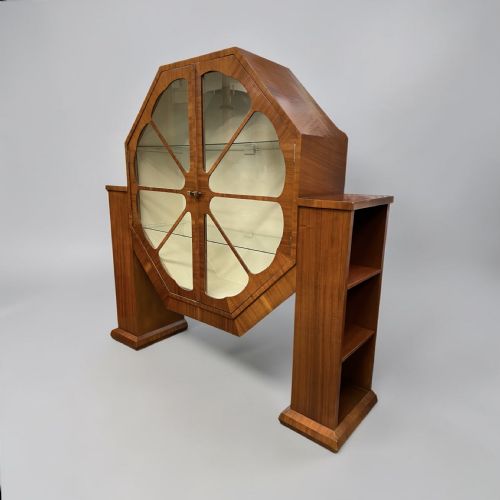
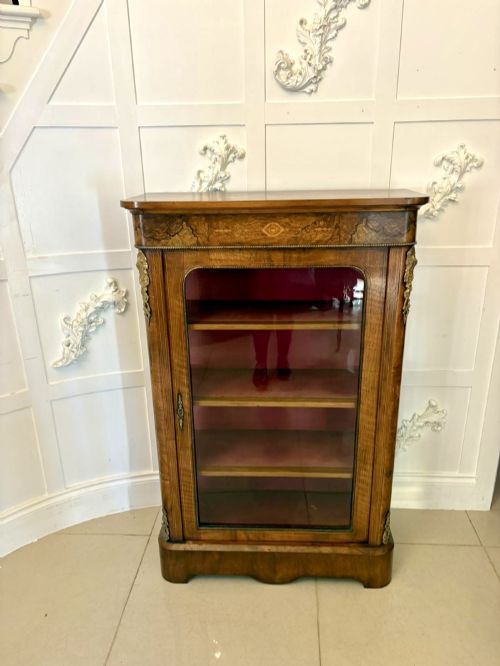
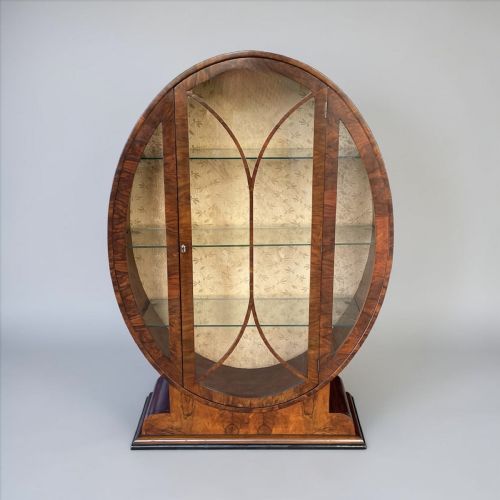
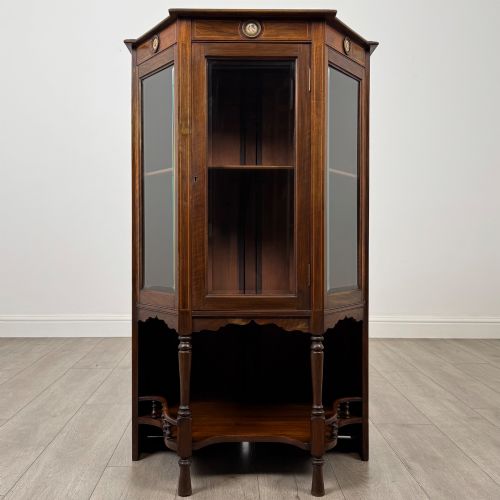
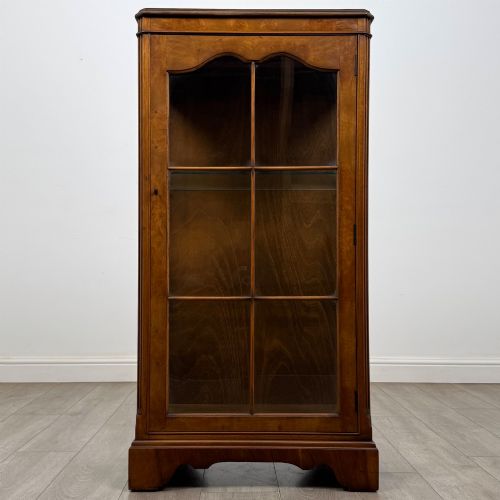
A walnut glazed display case encompasses freestanding display cabinets, pier cabinets, breakfront bookcases, and corner units designed to showcase fine possessions behind glass. These pieces emerge primarily from the Victorian, Edwardian, and Art Deco periods, ranging from compact pier cabinets to large library bookcases.
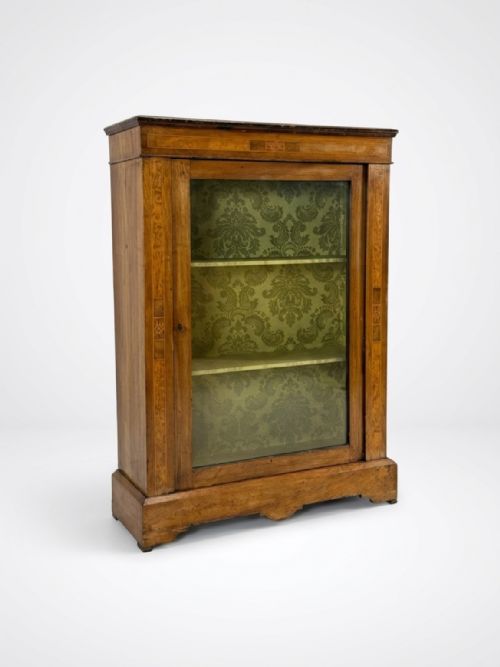
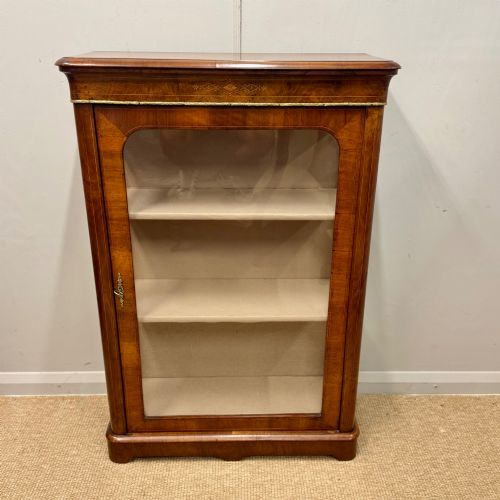
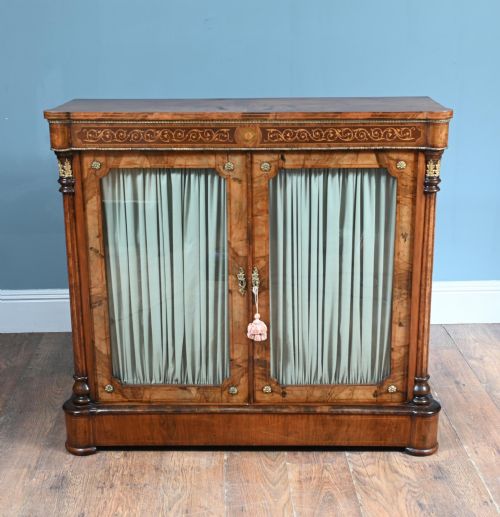
The most common examples met on this page are Victorian pier cabinets and Edwardian glazed bookcases executed in walnut, frequently featuring single or double glass doors for interior visibility. Many incorporate specialised compartments such as velvet-lined shelves, side cabinets, or open display areas tailored for china and small objects.
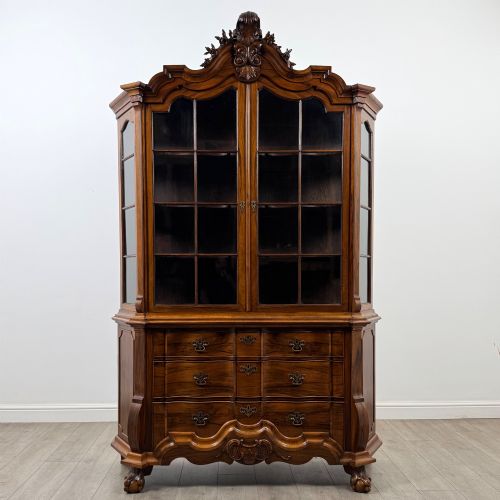
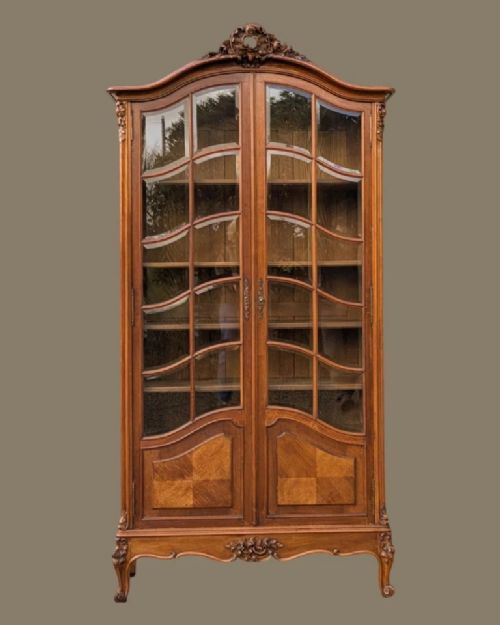
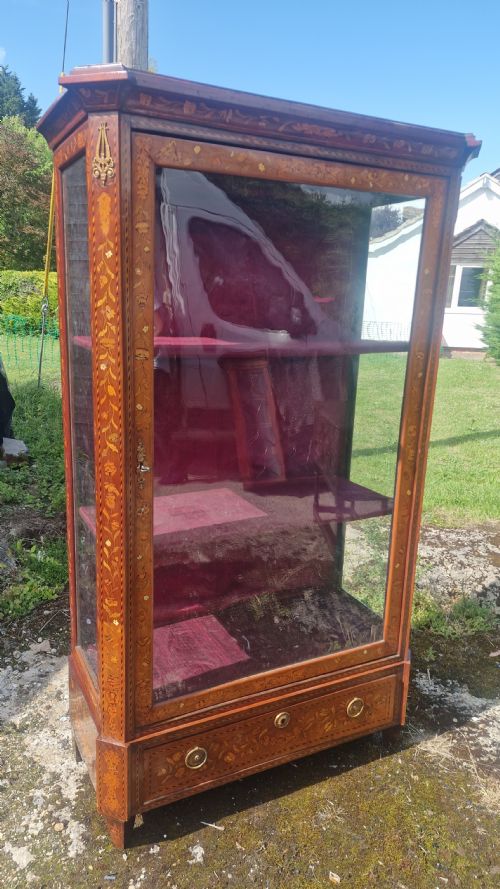
Makers and designers of the nineteenth and twentieth centuries adapted these display cases into various revival and modern idioms, including Queen Anne, Louis XV, Dutch marquetry, and geometric Art Deco forms. They bridge functional book storage and decorative exhibition space within domestic interiors.
How They Were Made
Makers constructed these cabinets using solid wood carcases overlaid with figured walnut veneers, notably burr walnut, to create dramatic decorative grain patterns across flat surfaces and door panels. Glass panels were secured within rebated timber frames to form the glazed display doors.
Ornate enrichment was achieved through brass mounts, ormolu fittings, and detailed marquetry or inlay work utilising contrasting timbers such as boxwood. Structural elements were often reinforced with internal shelving and occasionally lined with velvet or fabric for display purposes.
Some cabinet doors open wide enough to turn your front room into a miniature museum of Victorian curiosities.
What Varies in Quality
The selection of timber veneers dictates much of the visual merit, with heavily figured burr walnut and symmetrical grain matching representing the higher tiers of craftsmanship. Finer examples display meticulous hand-cut marquetry, precise brass or ormolu mounts, and integrated architectural mouldings rather than simple applied decoration.
Structural integrity and the quality of the glazing bars also distinguish superior pieces, alongside the original condition of internal velvet linings and working brass locks. The balance of proportions between the glazed display area and the timber base determines the elegance of the finished cabinet.
Lamb of Manchester
The Walnut Glazed Display Case Glossary
- Burr walnut
- A prized timber veneer sourced from the growth warts of walnut trees, yielding intricate, swirling grain patterns. It was frequently utilised on the primary facade of Victorian and Edwardian display furniture.
- Pier cabinet
- A narrow, upright display case designed specifically to stand against the wall space between two windows. These pieces typically feature a single glazed door and flat sides.
- Ormolu
- Gilded bronze ornamentation applied to furniture mounts, feet, and cornices. It adds metallic contrast to the dark walnut timber, particularly on French and high-status English pieces.
- Marquetry
- The art of applying decorative veneer pieces in various woods to form geometric or floral pictures. It appears frequently on the panels of Victorian and Dutch revival cabinets.
- Breakfront
- A piece of furniture whose central section projects forward from the flanking wings. This architectural arrangement creates depth and visual rhythm on larger bookcases and display cases.
Walnut Glazed Display Case: Frequently Asked Questions
What are walnut glazed display cases?
These are wooden storage and exhibition pieces featuring glass doors or panels designed to protect and display books, ceramics, and ornaments. Built across multiple centuries, they combine functional shelving with decorative woodwork.
They appear in forms ranging from narrow pier cabinets to large breakfront library bookcases. The primary timber used is walnut, often highlighted with veneers and brass mounts.
How were pier cabinets used?
Victorian pier cabinets were specifically made to occupy the narrow wall sections between large drawing-room windows. They provided vertical display space without blocking natural light.
Inside, adjustable shelving held decorative ceramics, glassware, and small collectibles behind secure glazed doors.
How do I date a walnut display case?
Dating relies on observing the stylistic markers, construction techniques, and hardware associated with specific periods. Victorian pieces often feature heavy cornices and rich burr walnut, whilst Edwardian examples tend to be lighter in proportion.
Art Deco cabinets from the 1930s introduce geometric silhouettes, waterfall edges, and dramatic veneer placements without historical revival motifs.
How do I care for antique walnut?
Maintain walnut furniture by keeping it away from direct sunlight and dramatic shifts in temperature or humidity. These precautions protect the delicate timber veneers and prevent the wood from splitting.
Apply occasional appropriate wax polish to nourish the grain and clean glass surfaces with standard non-abrasive solutions.