





Linke Style Cabinet
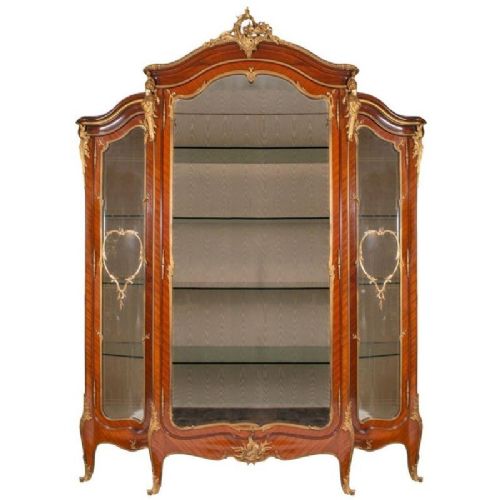
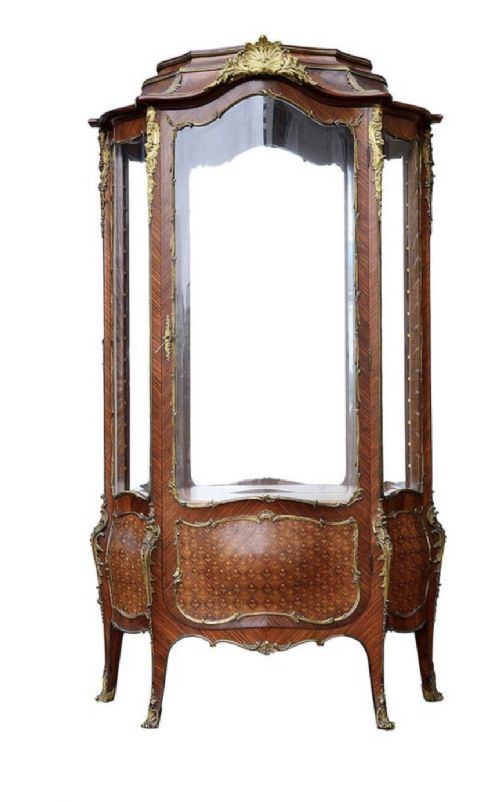
A linke style cabinet brings French revival grandeur into a room, offering refined timber and gilt bronze mounts for display.
Linke Style Cabinet
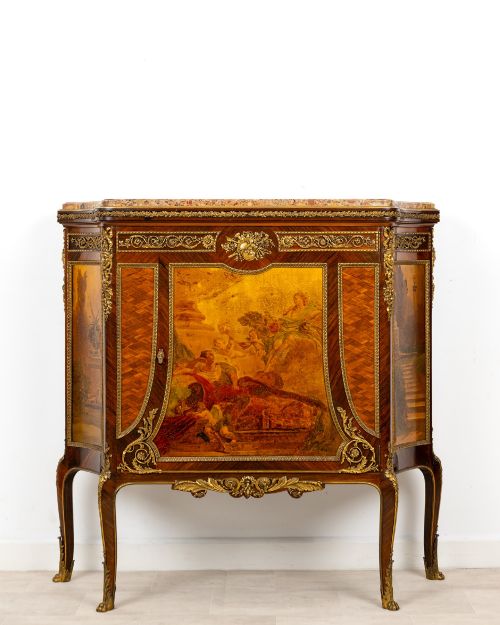
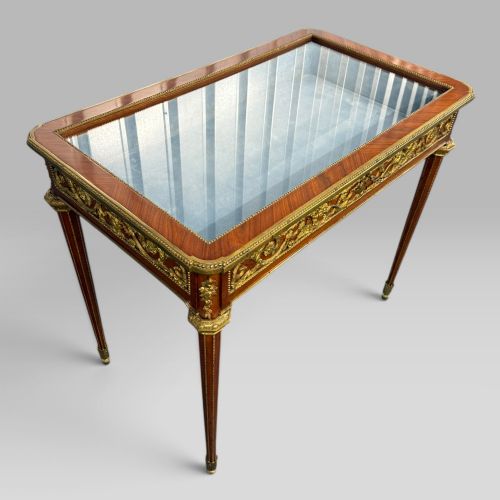
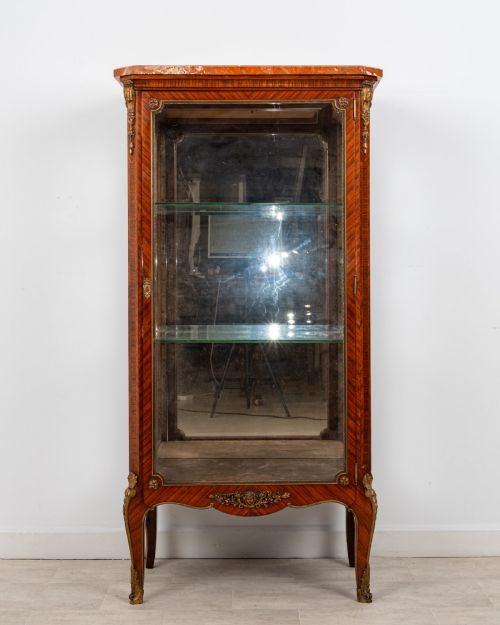
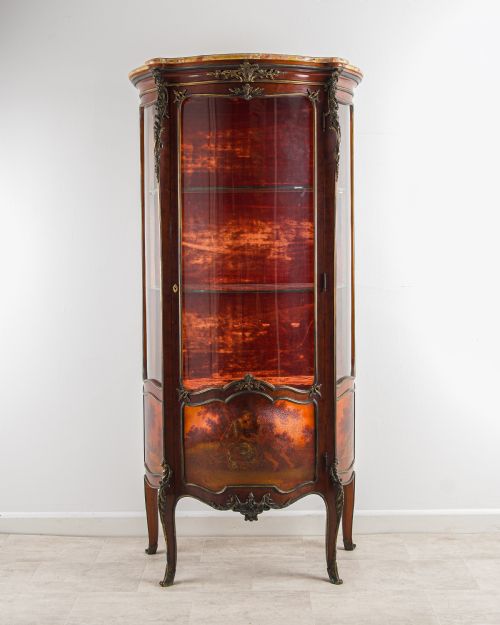
When you search for a linke style cabinet, you encounter ornate French revival furniture designed for display and decorative storage. These pieces take the form of vitrines, side cabinets, bedside tables, and display tables originating primarily from the nineteenth century alongside later twentieth-century interpretations.
The aesthetic draws heavily upon Louis XV and Louis XVI revivals, incorporating French Rococo and chateau styling. You will frequently find pieces explicitly attributed to François Linke, created in his manner, or produced under his influence.
Display cabinets and vitrines dominate the selection, designed specifically to showcase porcelain, glass, and small treasures behind glazed panels. Alongside these, smaller bedside tables and side cabinets offer the same characteristic gilt mounts and figured veneers on a more intimate scale.
Materials and construction
Cabinetmakers utilised rich timber veneers including kingwood, mahogany, and rosewood over solid carcases to achieve striking grain patterns. Marble tops frequently complete the upper surface of vitrines and side cabinets, providing a cool, polished contrast to the warm wood tones below.
Decorative impact relies heavily on cast or chased ormolu and gilt bronze mounts that frame glass panels and accentuate structural corners. Vernis Martin painted panels appear on select vitrines, introducing figurative scenes rendered in traditional varnishes.
Materials recorded in these listings include ormolu, glass, kingwood, marble, mahogany, gilt bronze, rosewood, and mirror.
Assessing quality and execution
The refinement of the ormolu and gilt bronze mounts distinguishes finer examples from simpler workshop production. Crisp chasing, deep relief, and secure placement indicate superior craftsmanship in the decorative hardware.
Timber selection and veneer matching dictate the visual harmony of the cabinet body. Master makers employed carefully chosen kingwood, mahogany, or rosewood to create balanced geometric patterns across doors and panels.
François Linke
The Linke Style Cabinet Glossary
- Ormolu
- Gilded bronze used for decorative mounts and fittings on fine furniture. It provides a bright metallic contrast against dark timber veneers.
- Vitrine
- A glass-fronted display cabinet designed for showing porcelain and precious objects. These cabinets typically feature glazed sides and mirrored backs.
- Vernis Martin
- A type of decorative lacquer finish developed in eighteenth-century France and imitated in later revival pieces. It often depicts pastoral or romantic scenes in translucent colours.
- Kingwood
- A dense, richly figured tropical timber prized for its contrasting dark and golden-brown stripes. Cabinetmakers used it extensively for veneering luxury surfaces.
Linke Style Cabinet: Frequently Asked Questions
What is a linke style cabinet?
A linke style cabinet is a nineteenth-century or later French revival piece inspired by the workshop of François Linke. These items typically feature Louis XV or Louis XVI styling with extensive ormolu mounts.
Such cabinets serve primarily as vitrines or display furniture, combining glazed panels with fine wood veneers like kingwood and mahogany.
How do I date these cabinets?
Dating relies on timber construction methods, lock mechanisms, and stylistic revival cues. Most pieces date from the nineteenth century, specifically around the 1890s and 1900s.
Later interpretations appear from around 1960, replicating earlier Louis XVI revival designs with similar decorative hardware.
Where should I place a vitrine?
A vitrine requires a prominent interior space with adequate ambient light to appreciate the glazed display area and ormolu mounts. Drawing rooms and studies provide suitable settings for showcasing collections.
Ensure the floor is level and stable, particularly for larger cabinets featuring heavy marble tops and glass shelving.
What woods were used in these cabinets?
Cabinetmakers employed exotic hardwoods selected for their rich grain patterns and suitability for veneering. Kingwood, mahogany, and rosewood appear frequently across the available selection.
These timbers are often arranged in symmetrical geometric patterns across doors and drawer fronts to enhance the visual depth.