
20th Century Walnut Cabinet
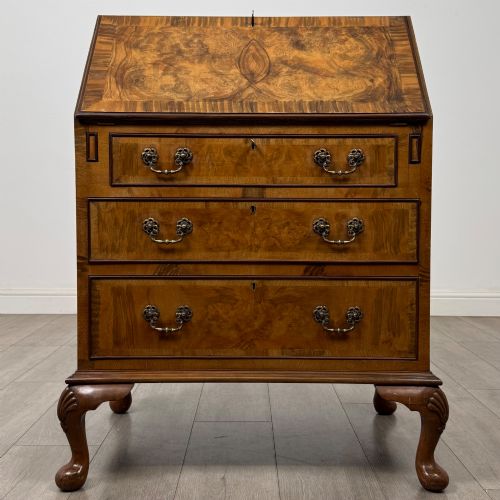
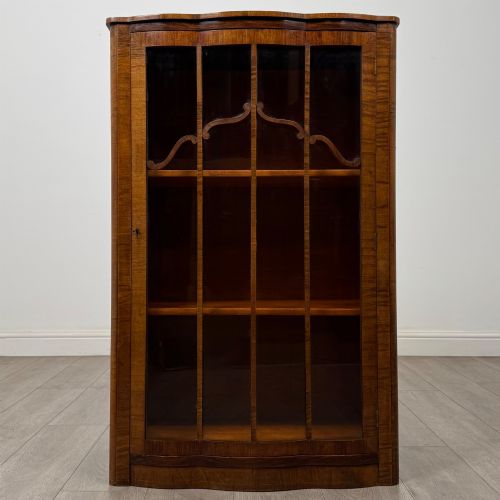
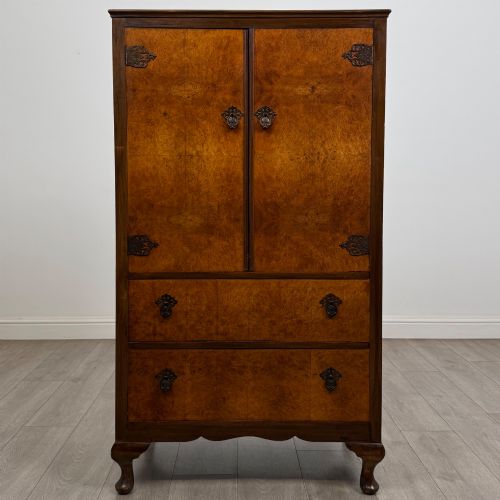
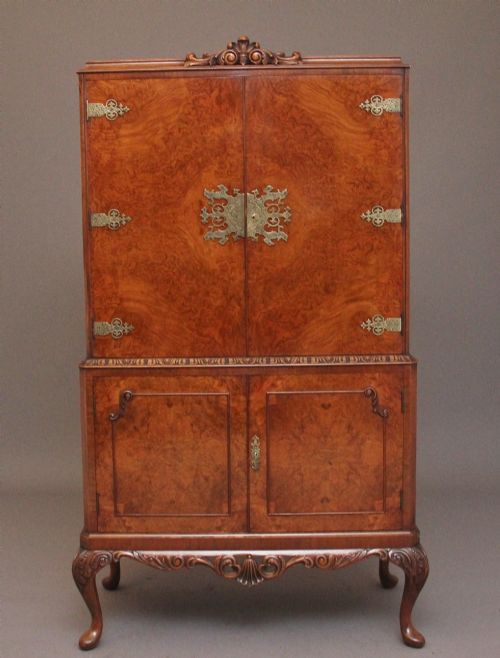
A 20th century walnut cabinet brings rich grain and practical storage into a room, offering everything from glazed display cases to fitted drinks furniture.
20th Century Walnut Cabinet
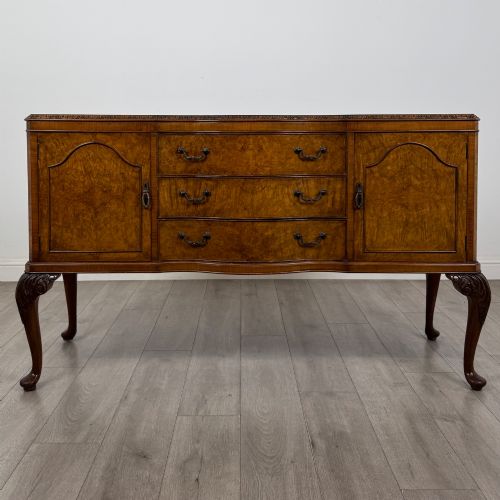
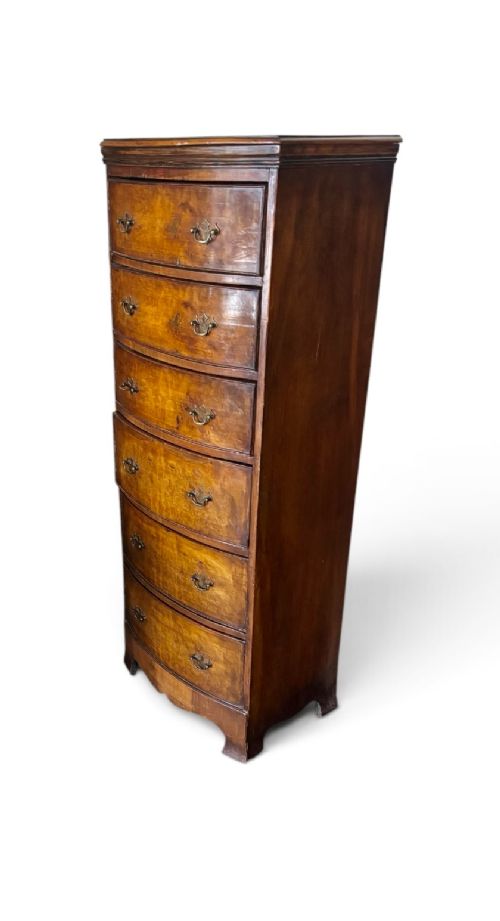
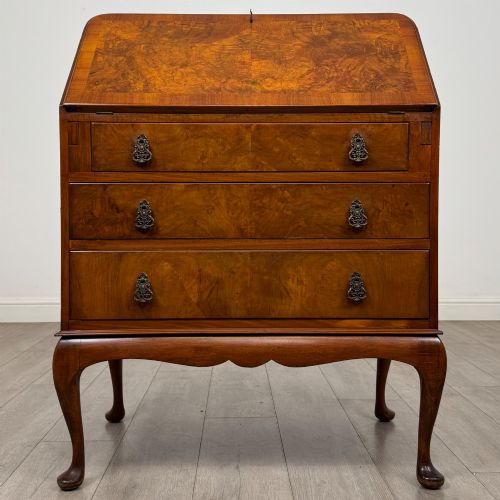
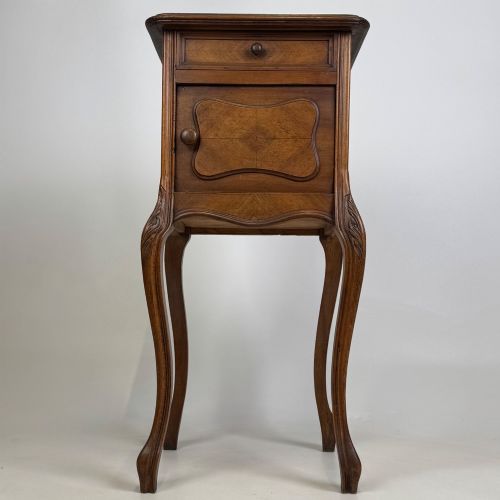
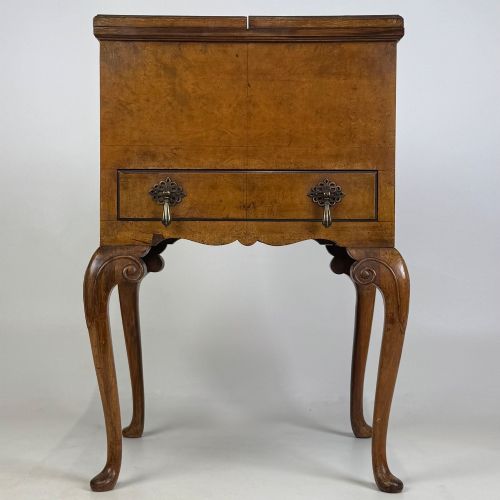
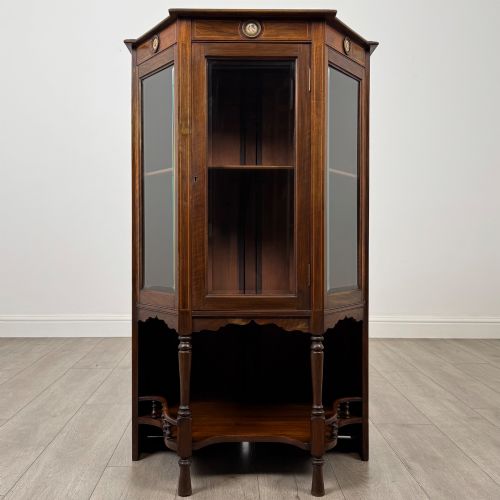
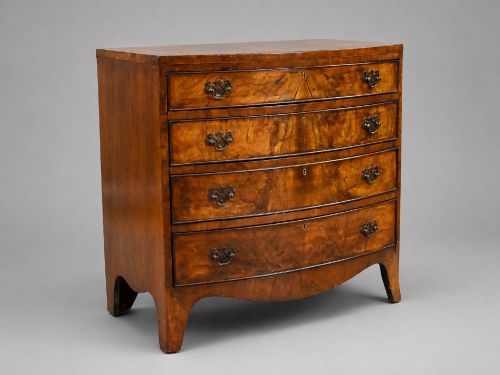
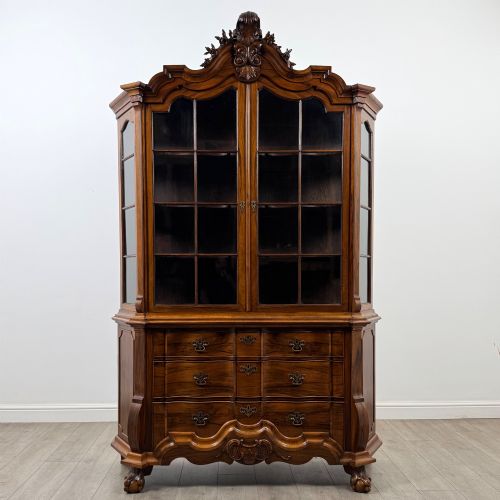
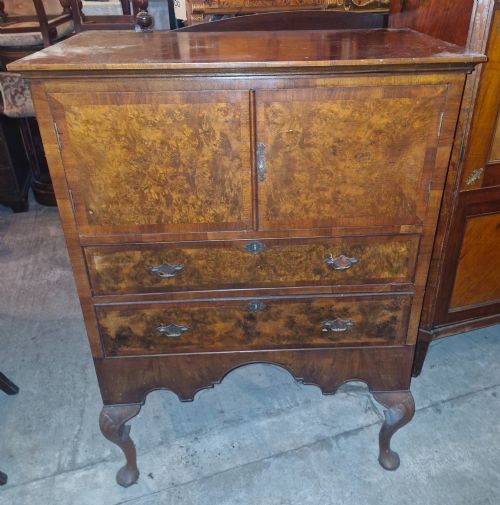
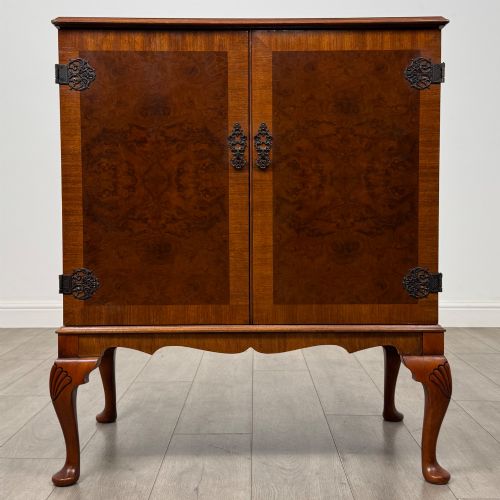
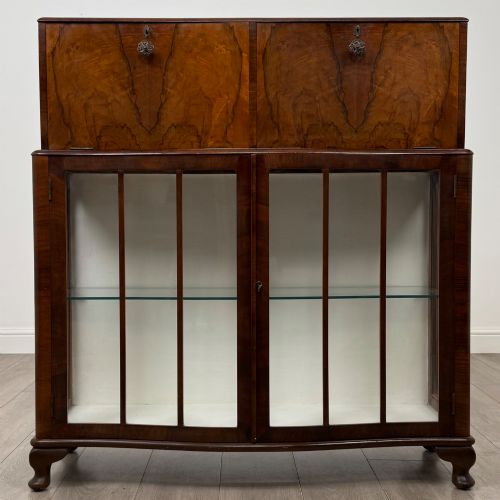
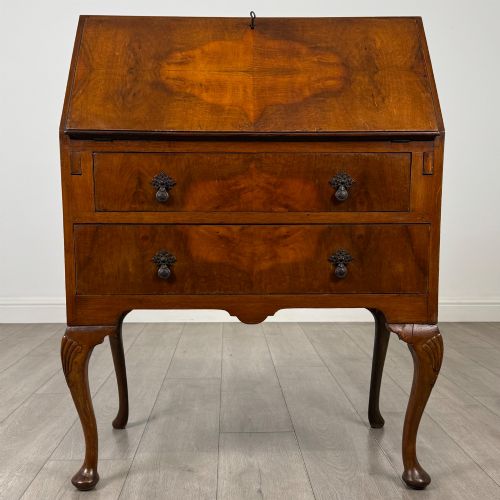
When searching for a 20th century walnut cabinet, buyers encounter a diverse range of forms spanning Edwardian pieces through to items from the 1930s. The selection on this page includes display cabinets, sideboards, bedside tables, and drinks cabinets shaped by various design revivals.
Edwardian examples frequently utilise burr walnut and figured veneers on formal display pieces and bureaus, while later 1930s items often adopt bow fronts or specialised cocktail functions. French, Dutch, and Viennese influences appear alongside domestic British production.
Buyers will find both glazed bookcase formats and compact bedside cupboards, allowing these wooden items to serve multiple domestic roles. The periods represented stretch from 1900 through the interwar decades, showing stylistic shifts from heavy Edwardian carving to cleaner modernist or revival silhouettes.
Materials and construction methods
Brass hardware, including handles, hinges, and lock escutcheons, provides functional and decorative accents across the period pieces. Marble tops appear on specific French and continental commodes and side cabinets, offering a durable and contrasting surface.
Marquetry and parquetry techniques introduce geometric and floral wood patterns onto surfaces, particularly on continental pieces and detailed sideboards. Polishing methods were applied to enhance the natural figuring of the walnut grain.
Listings feature items from the Edwardian period through to the 1930s, utilising brass, glass, marble, and several varieties of walnut wood.
Distinctions in quality and execution
The choice of veneer defines much of the visual merit, with heavily figured burr walnut and book-matched panels sitting at the upper end of the scale. Plain timber surfaces rely entirely on clean lines and proportion rather than grain complexity.
Maker attribution and workshop origin heavily influence standing, as pieces bearing signatures from known international or British cabinet makers command attention. The precision of marquetry work and the integration of fitted interiors, such as bottle storage in drinks cabinets, mark out superior manufacturing.
Structural integrity depends on the seasoning of the wood and the accuracy of the joinery, preventing warping in large doors and panels over decades of environmental changes. Fine quality items maintain smooth drawer movement and tightly fitted doors without sagging hinges.
August Ungethüm·Pietro Ferrario·Whytock and Reid·Gillows
The 20th Century Walnut Cabinet Glossary
- Burr walnut
- A veneer sliced from the growth warts or burls of walnut trees, prized for its swirling, highly figured grain patterns. It is frequently utilised on the main doors and drawer fronts of formal Edwardian and later cabinets.
- Figured walnut
- Timber exhibiting attractive, natural grain distortion that creates rippled or dappled visual effects when polished. This material was selected by makers to enhance the flat surfaces of sideboards and tallboys.
- Marquetry
- The art of applying small pieces of veneer to a structure to form decorative patterns, pictures, or designs. Examples on these pages include floral and geometric arrangements on commodes and sideboards.
- Breakfront
- A piece of furniture whose central section projects forward from the flanking outer sections. This architectural arrangement adds depth and visual interest to large bookcases and display cabinets.
- Lowboy
- A small table with drawers, resembling the lower section of a highboy or tallboy chest, often designed in revival styles. They function as compact side tables or writing surfaces within domestic interiors.
20th Century Walnut Cabinet: Frequently Asked Questions
What is a walnut drinks cabinet?
A walnut drinks cabinet is a specialised piece designed for storing glassware, bottles, and bar accessories, often featuring fitted interior shelving or mirrored surfaces. These items became popular during the interwar period and frequently utilise burr walnut veneers.
Many examples include fold-down serving flaps or revolving doors to conceal their contents when not in use. They combine the decorative grain of walnut with practical hosting compartments.
How do I identify an Edwardian cabinet?
Edwardian cabinets generally date from the first decade of the twentieth century and often incorporate Sheraton or Queen Anne revival design motifs. They frequently feature rich burr walnut veneers, inlaid stringing, and glazed panels for display.
Construction from this era typically balances traditional cabinet-making joinery with lighter, more decorative proportions than heavy Victorian predecessors. Brass handles and escutcheons are standard period details.
Where were side cabinets placed?
Side cabinets were traditionally utilised in dining rooms, hallways, or drawing rooms to store table linen, silver, or documents. Their flat tops also served as surfaces for decorative objects, lamps, or serving food.
Compact versions, such as bedside cupboards and small sideboards, provided enclosed storage within bedrooms and smaller sitting spaces. Their versatile dimensions made them suitable for various domestic rooms.
What is parquetry?
Parquetry is a geometric mosaic of wood pieces used for decorative surfaces on furniture, similar to parquet flooring. Makers used contrasting timber tones to create repeating patterns on tabletops and cabinet doors.
This technique required high precision from the woodworker to ensure tight joints between the individual wooden tiles. It appears on select continental side tables and commodes.