

Vintage Chime Clock
A vintage chime clock brings mechanical rhythm and room-filling sound into a home through traditional craftsmanship.
Vintage Chime Clock
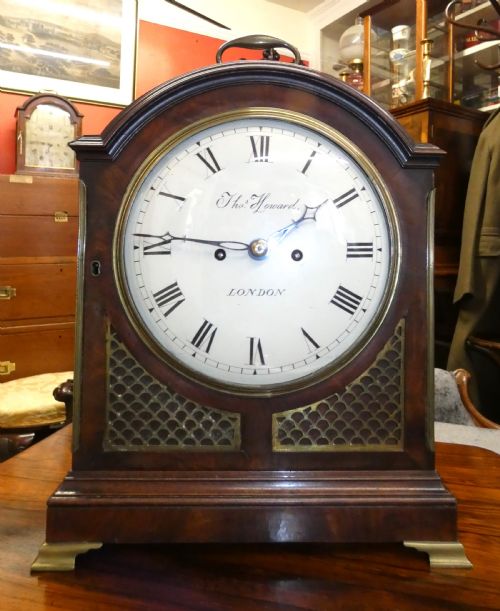
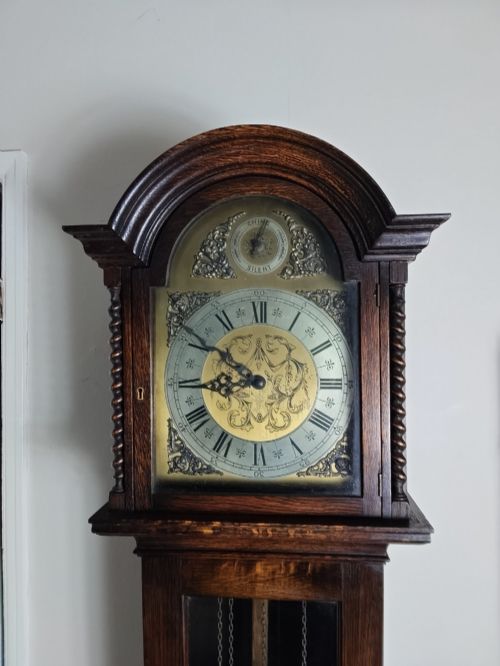
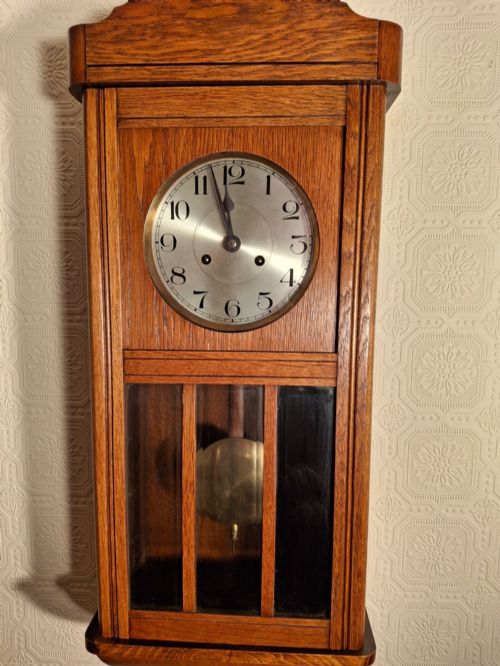
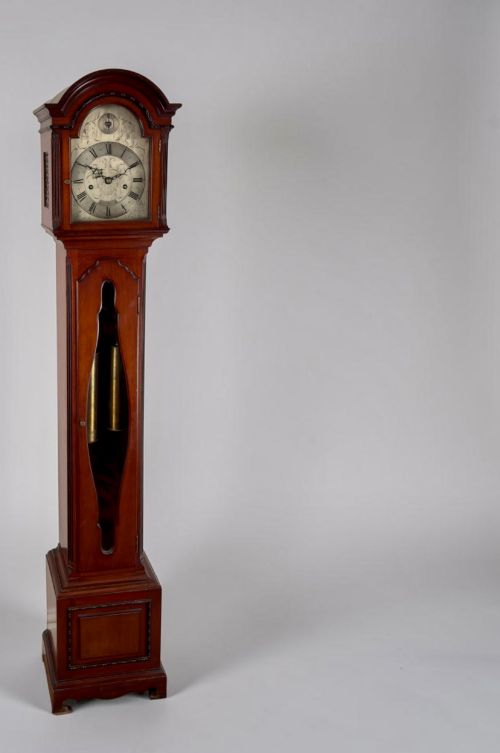
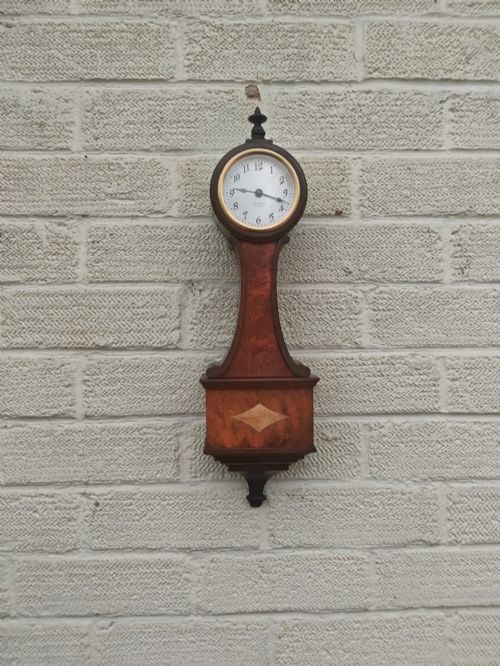
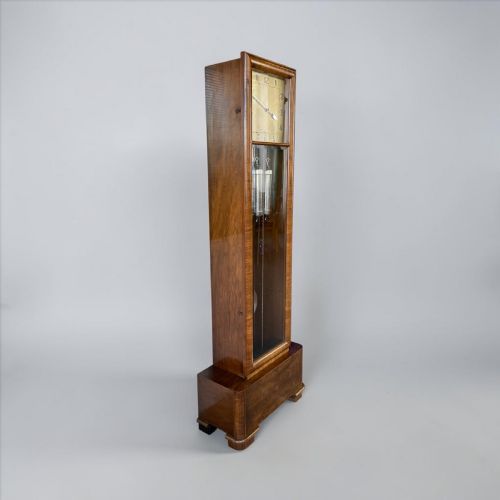
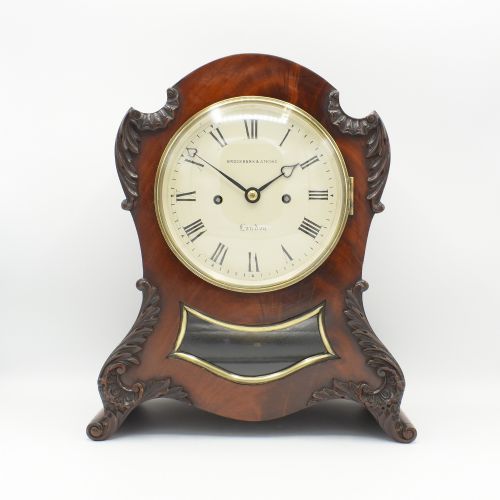
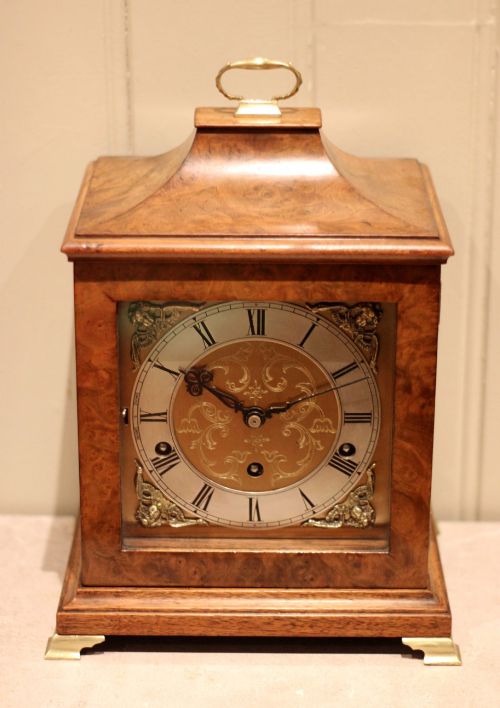
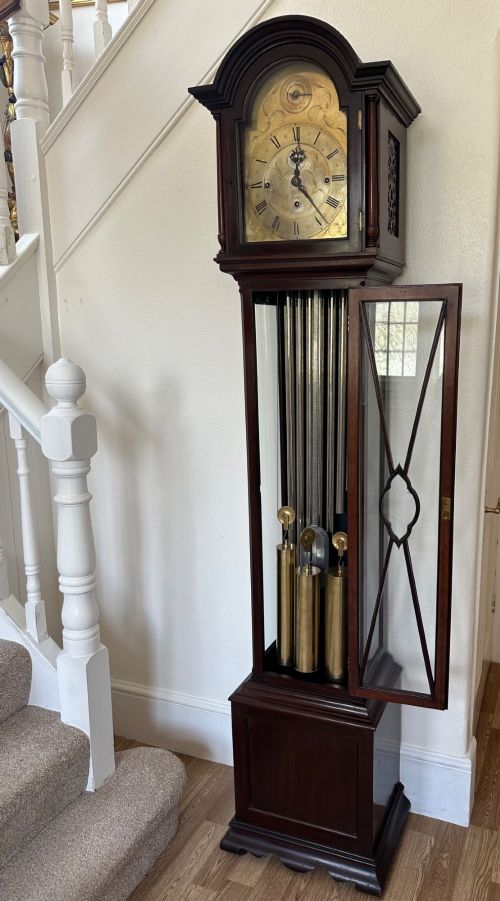
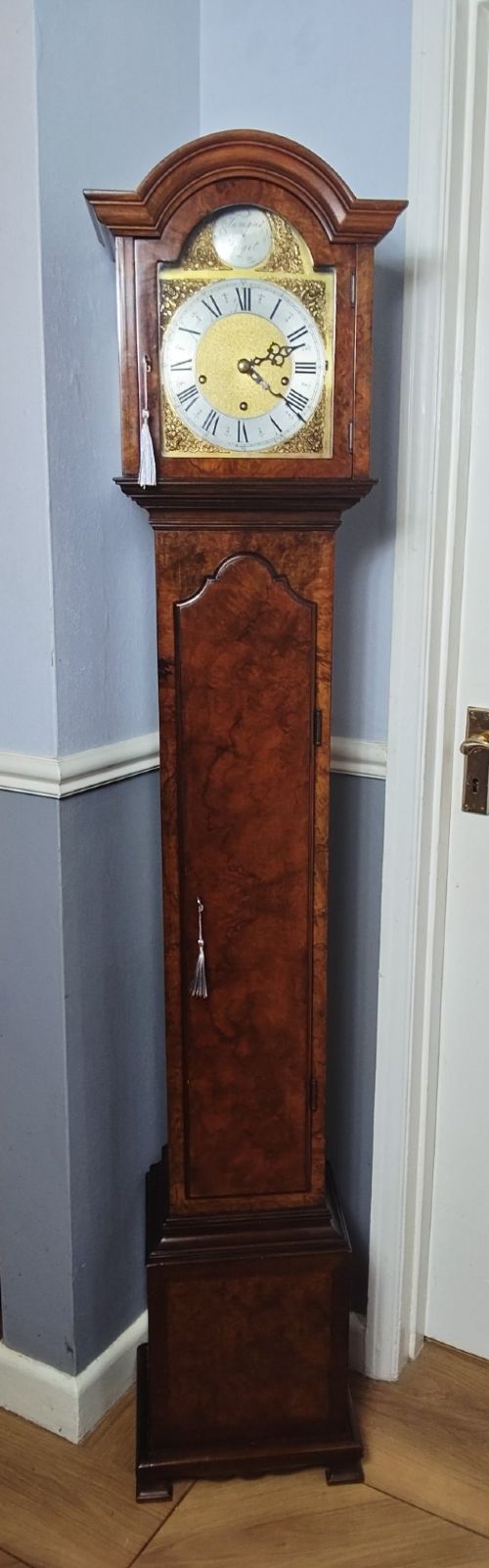
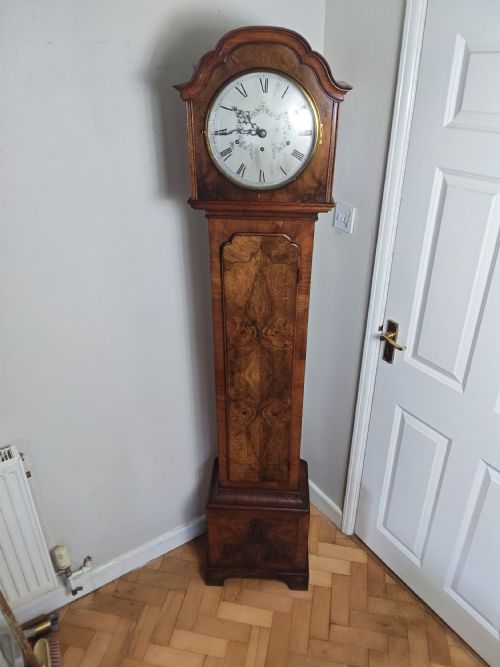
A vintage chime clock encompasses floor-standing longcases, compact mantel pieces, and wall-mounted dials designed to audit the hours with musical notes or struck gongs. The selections here range from tall Edwardian grandmother clocks to Art Deco mantel variations housed in rich timbers.
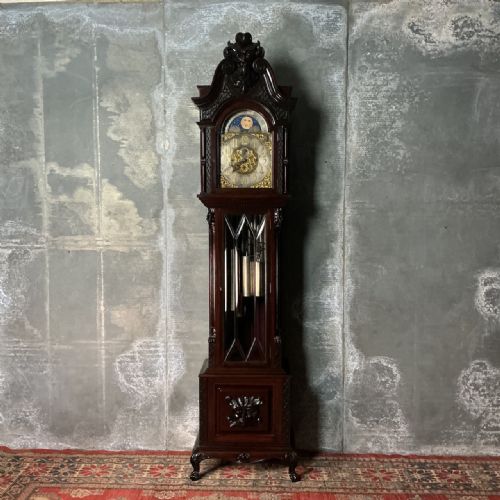
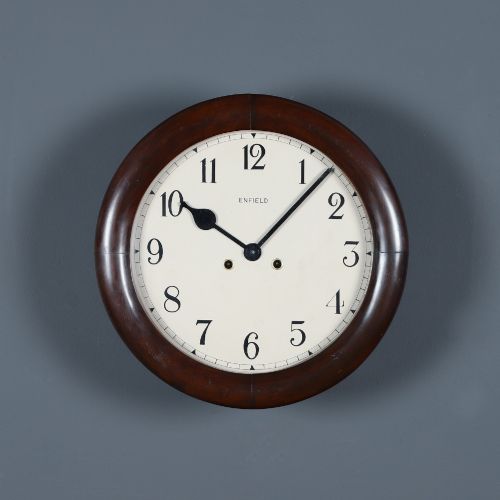
Floor-standing variants include slender grandmother and grandfathers clocks, while smaller domestic spaces often utilise bracket clocks and wall-hung railway dials. These timepieces stem from various periods, stretching from Victorian designs to mid-century walnut models.
Materials and Construction
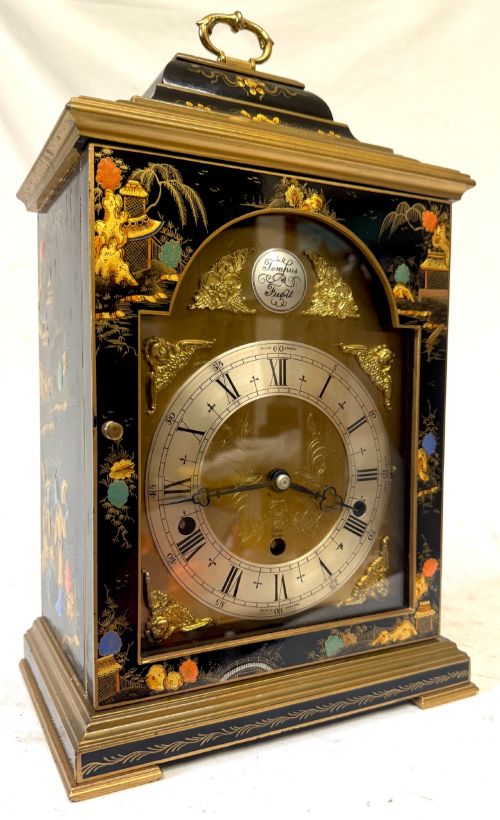
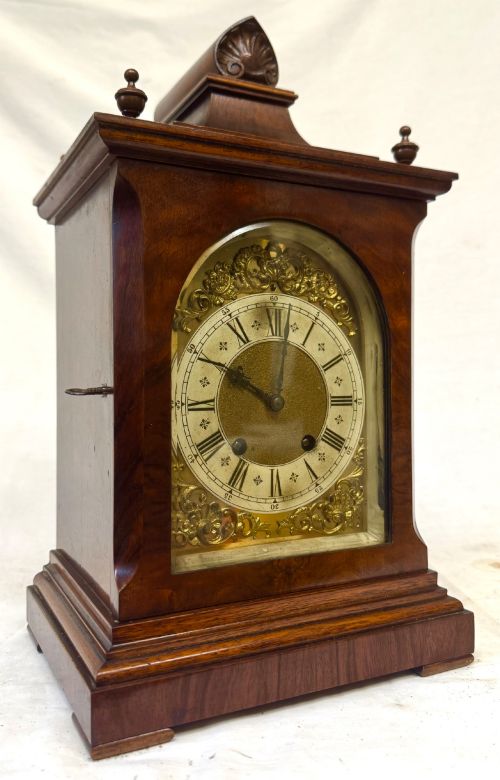
Cabinetmakers utilised dense cabinet timbers such as mahogany, oak, and burr walnut, frequently embellished with intricate marquetry or Chinoiserie lacquer work. Glass panels protect the dials, allowing visibility of the brass bezels and swinging pendulums within.
Mechanical movements rely on brass gears, steel springs, and weighted chains to drive the striking hammers and musical tubular bells. Skilled horologists housed these complex gear trains inside sturdy wooden carcases built to sustain tension over decades.
Form factors on this page range from small desk and mantel clocks to towering musical longcase clocks housing tubular bells.
Distinctions in Standard
Superior examples separate themselves through the complexity of their internal movements, such as three-train setups that play multiple tunes or strike Westminster quarters. The acoustic resonance of the bells or gongs dictates the auditory experience.
Cabinet quality relies on the depth of the wood figure, particularly in burr walnut and inlaid mahogany specimens, alongside the crispness of brass dial engraving. Original maker signatures and well-preserved lacquering elevate the standing of a piece.
Gillett & Johnston·Mappin & Webb·Lenzkirch·Seth Thomas·Winterhalder
The Vintage Chime Clock Glossary
- Bracket clock
- A portable mechanical clock traditionally designed to sit on a bracket or furniture surface. These spring-driven pieces often feature intricate brass dials and striking mechanisms.
- Grandmother clock
- A slender, scaled-down version of the traditional longcase clock. They offer the presence of a tall clock within a more compact floor footprint.
- Three train
- A clock movement driven by three separate gear trains. They manage timekeeping, hour striking, and musical chiming independently.
- Chinoiserie
- A decorative style employing European interpretations of Chinese motifs. It appears on clock cases through hand-painted lacquer and gilt ornamentation.
- Tubular bell
- Long metal tubes suspended inside a tall clock case to produce deep, resonant chime notes when struck by hammers.
Vintage Chime Clock: Frequently Asked Questions
How do I wind a vintage chime clock?
Most mechanical clocks require a key inserted into specific winding holes on the dial face to tension the springs or lift the weights.
Care must be taken not to over-wind the mechanism, stopping as soon as resistance is felt to protect the internal brass gears.
Where should I place a longcase clock?
Tall clocks need a stable, level floor against an interior wall away from direct sunlight and major temperature fluctuations.
Positioning them securely ensures the pendulum swings evenly and the escapement ticks with a steady rhythm.
How do I tell an Edwardian clock apart from a Victorian one?
Victorian pieces often display heavier proportions and rich ornamentation, reflecting mid-to-late nineteenth-century tastes in cabinet making.
Edwardian designs tend towards lighter inlaid marquetry and refined proportions, drawing on revival styles of earlier centuries.
What maintenance does the movement need?
Mechanical clocks require periodic cleaning and oiling by a qualified horologist to remove dust and prevent wear on the metal pivots.
Keeping the case glass clean and ensuring the weights hang freely helps maintain accurate timekeeping between services.