
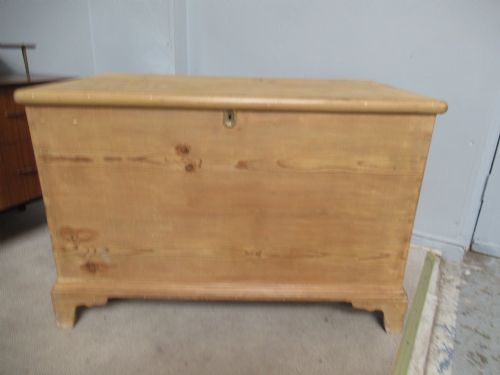
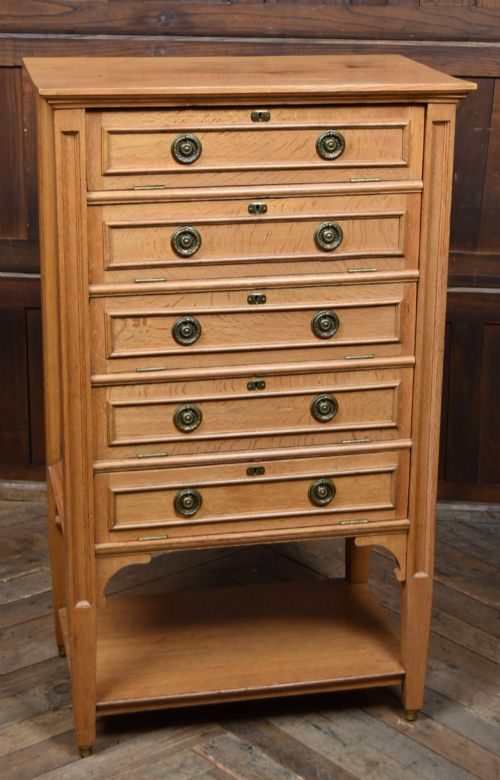
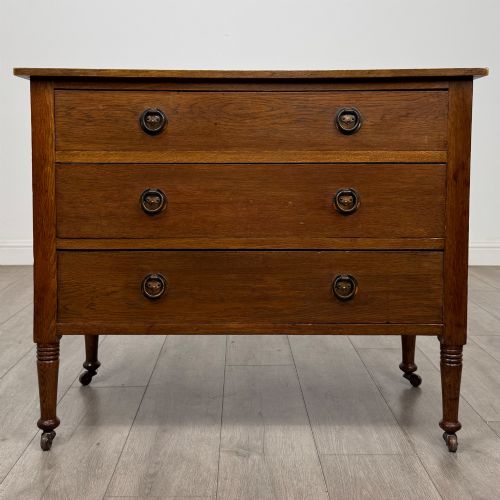
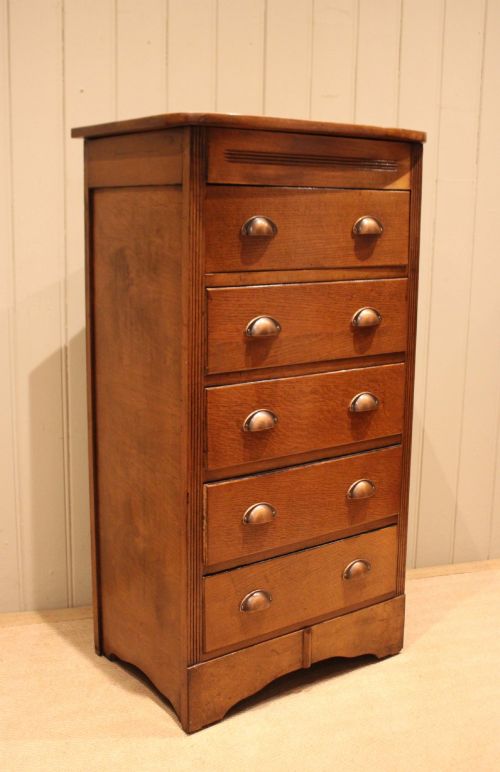
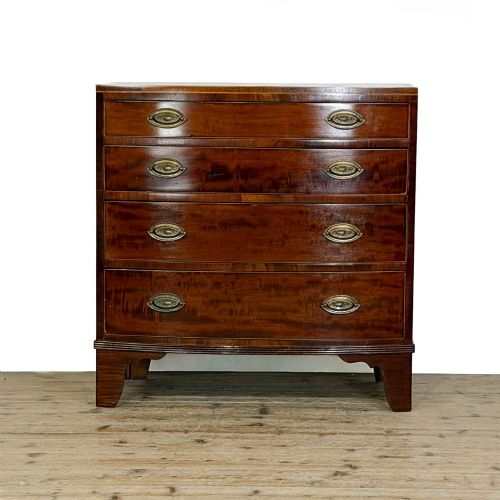
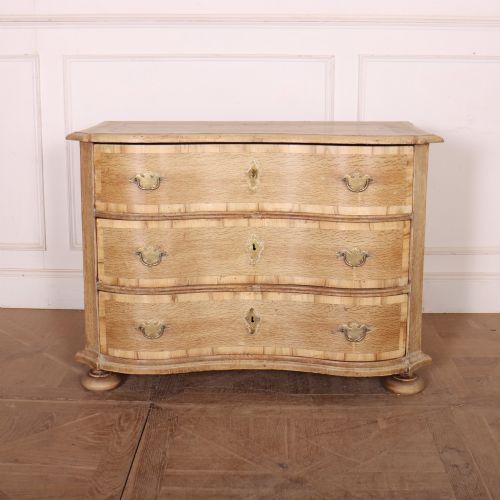
Vintage Chest on Chest
A vintage chest on chest is a towering double-decked storage piece offering generous proportions and distinct period character.
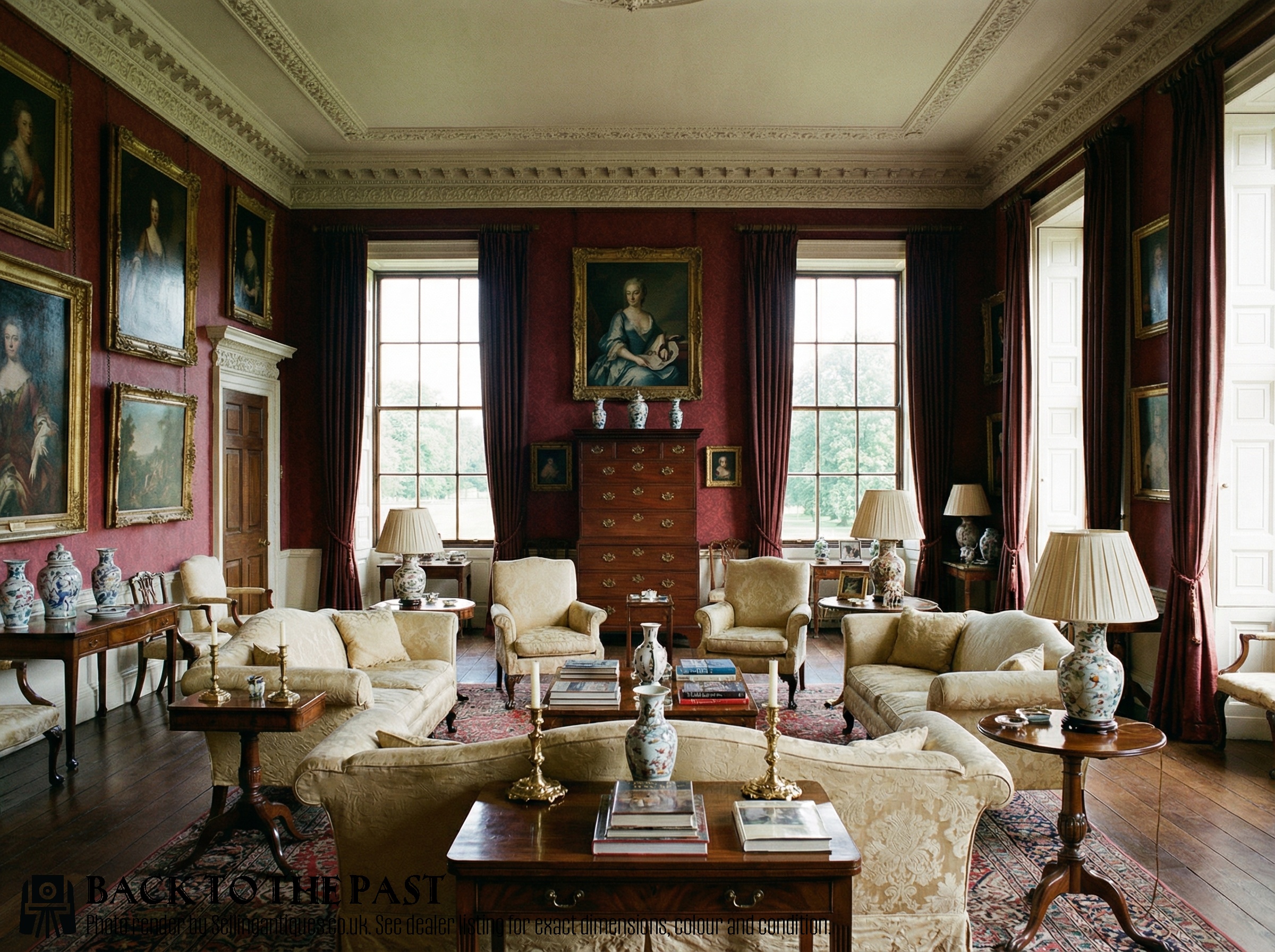
What these pieces are
A vintage chest on chest combines two distinct cabinetry sections stacked vertically, delivering maximum storage capacity within a compact floor footprint. The upper case sits squarely upon a slightly deeper lower body, creating a striking silhouette that dominates a room.
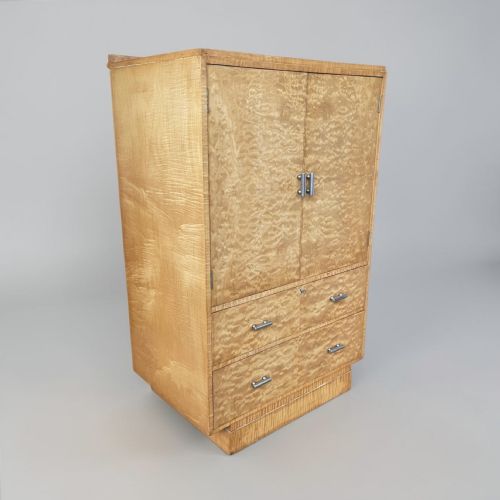
Most examples encountered on this page date from the eighteenth century through to the interwar period of the nineteen twenties and thirties. Pieces range from formal Georgian iterations to streamlined Art Deco tallboys and figured elm variants.
Makers utilised this dual-cased form to house numerous drawers for linens and garments. The tall architecture allows for clean lines and substantial presence without claiming excessive bedroom or hallway space.
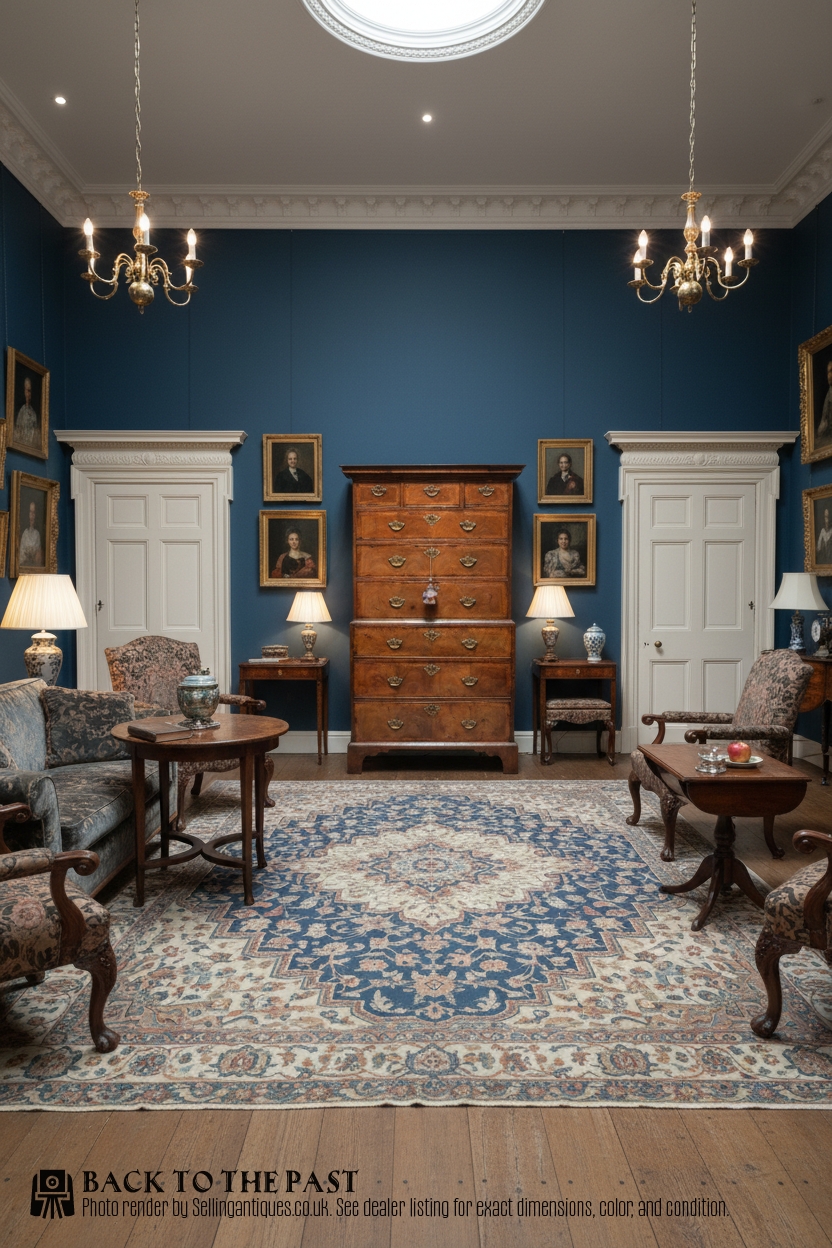
How they were made
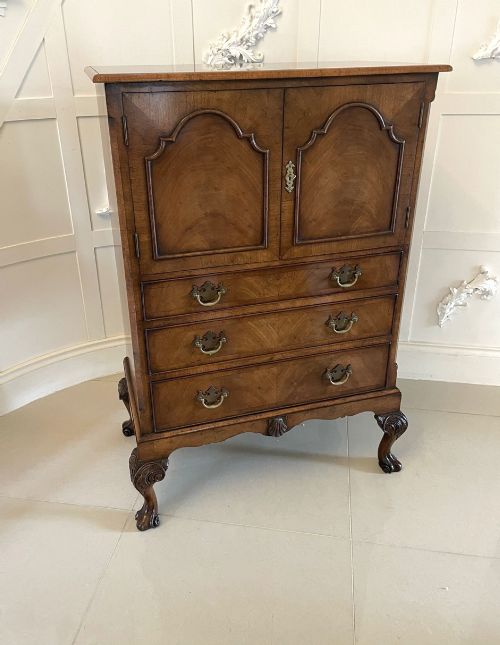
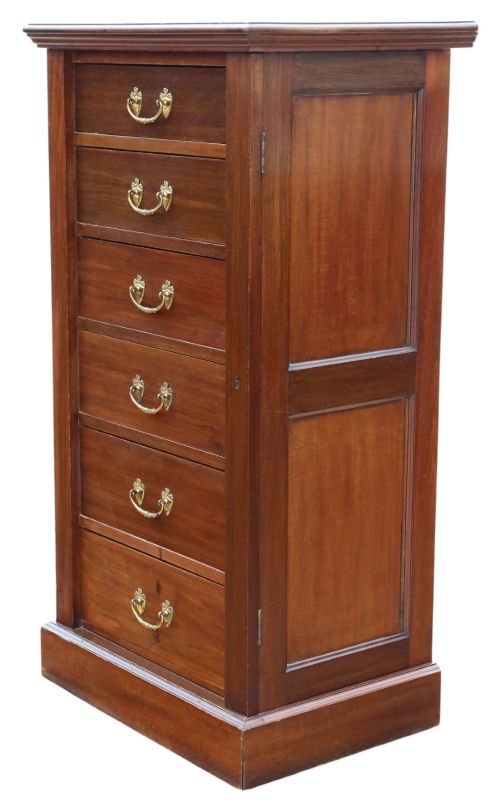
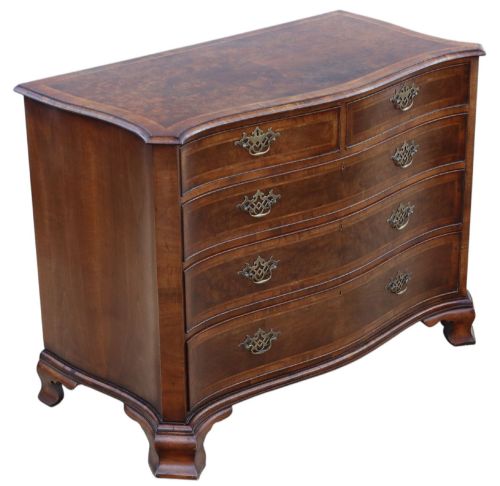
Cabinetmakers constructed these tallboys using dense hardwoods such as mahogany, walnut, and oak, often selecting burr walnut or figured elm for striking surface grain. Panels received careful matching and arrangement across drawer fronts to create harmonious visual patterns.
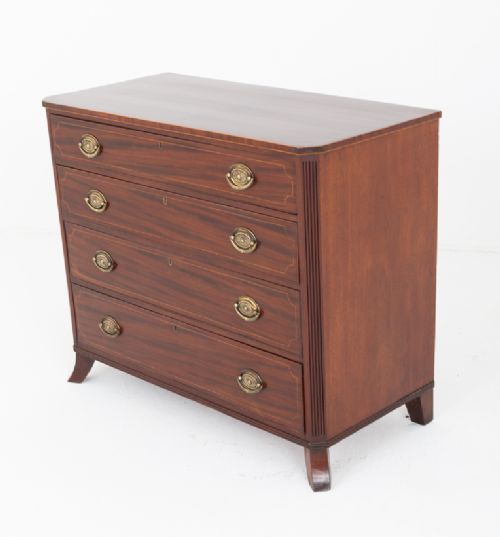
Makers applied traditional joinery methods, incorporating precision dovetailing on drawer construction and sturdy internal framing to support the heavy upper sections. Surfaces often feature delicate inlay work alongside brass drop handles and key escutcheons.
Retail Price Guide 2026
Typical UK retail prices for vintage chest on chest, calculated from the Sellingantiques database of over a million retail prices indexed since 2003. This retail price guide relies exclusively on Sellingantiques data; no external sources or auction records are used, so the figures do not describe the wider market.
Some seventeenth-century ancestors of these tall chests were affectionately nicknamed 'brag' boxes for their sheer showiness.
What varies in quality
The distinction between ordinary and exceptional examples rests upon timber selection and the crispness of cabinetmaking. Superior pieces display continuous grain alignment across stacked drawer tiers and finely executed cockbeading around drawer edges.
Proportion and decorative restraint dictate visual success, where subtle cockbeading and understated brass hardware elevate the architecture. Horn or brass corner brackets and intact original bracket feet further distinguish the most accomplished examples.
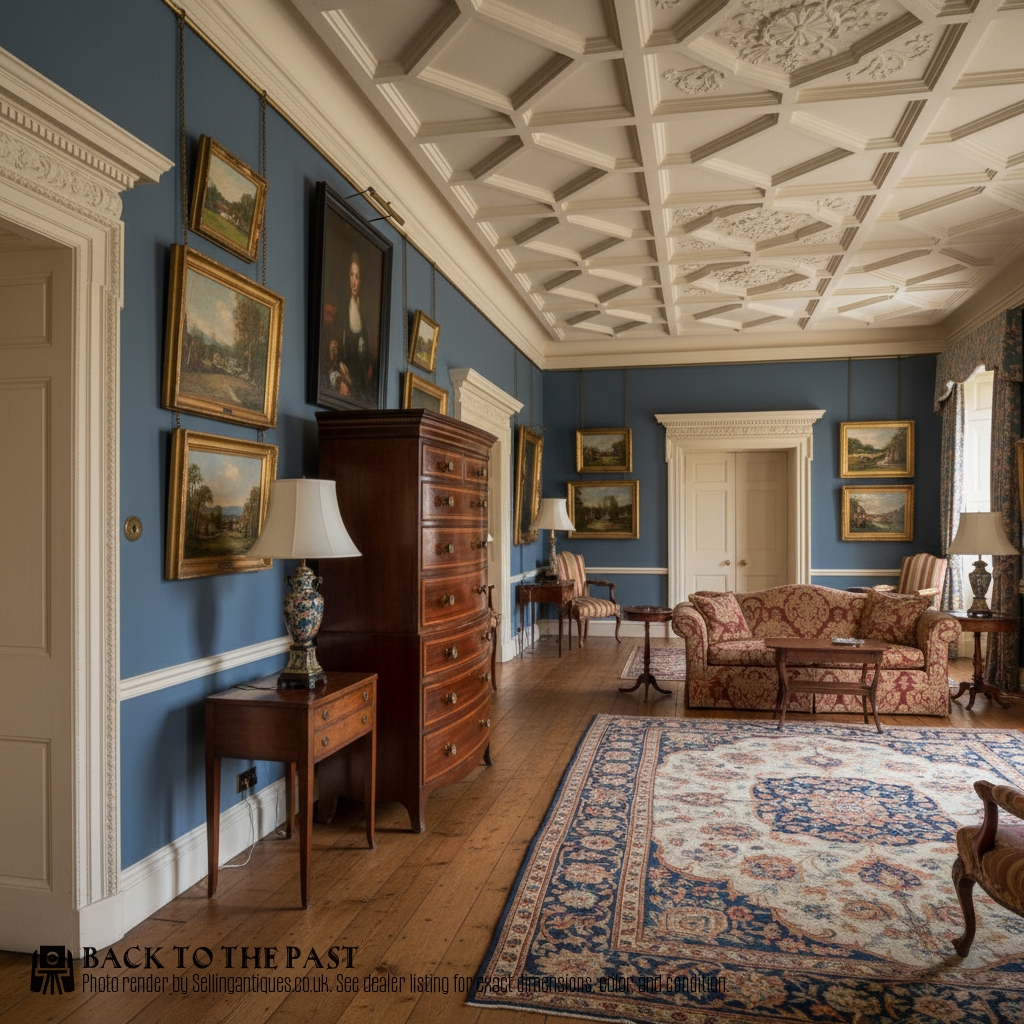
The Vintage Chest on Chest Glossary
- Tallboy
- A traditional English term for a tall chest of drawers, often synonymous with a chest on chest. These pieces use vertical space to house multiple storage tiers.
- Secretaire
- A cabinet incorporating a pull-down writing drawer with internal pigeonholes and small compartments. This functional addition appears in select Georgian tallboys.
- Cockbeading
- A narrow rounded wooden moulding applied to the edges of drawer openings. This detail protects the drawer edges and frames the timber grain.
- Escutcheon
- A protective plate surrounding a keyhole, usually fashioned from brass. These small hardware elements anchor the visual rhythm of the drawer fronts.
Frequently Asked Questions
What is a chest on chest?
A chest on chest is a tall storage furniture item built in two separate stacked sections. The upper case rests directly on a wider lower base.
This form provides numerous drawers while maintaining a relatively narrow footprint. It remains a practical solution for vertical storage in period interiors.
How do I date a tallboy?
Dating relies upon timber selection, hardware style, and construction traits visible inside the drawers. Eighteenth-century pieces typically show hand-cut dovetails and native cabinet timbers.
Later twentieth-century examples display different finish treatments and machine assistance. Comparing foot styles and moulding profiles clarifies the era of manufacture.
Where should I place one?
These tall items suit bedrooms, dressing rooms, or wide hallways with high ceilings. Their vertical emphasis draws the eye upward without overcrowding floor space.
Ensure adequate clearance for upper cornices and allow space for drawers to open fully. Wall anchoring is often recommended due to the height and weight.
What woods were used?
Cabinetmakers primarily worked with mahogany and walnut during the Georgian periods. Elm and oak also appear frequently across regional and twentieth-century examples.
Burr walnut veneers and decorative inlay frequently highlight primary display surfaces. Secondary timbers like pine or oak commonly form internal drawer linings.