





Vintage Ceramic Wall Art
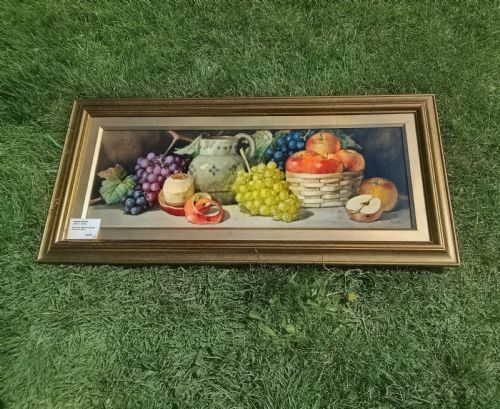
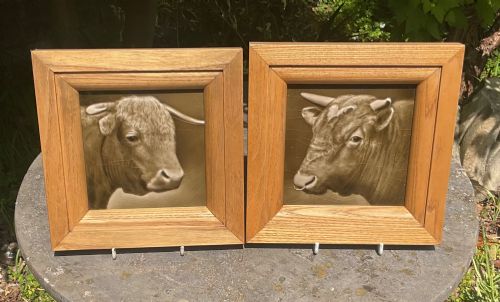
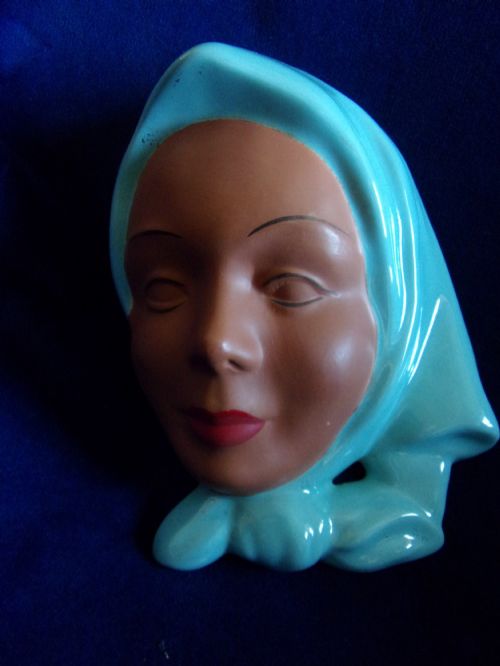
Vintage ceramic wall art brings fired earth and glaze into vertical spaces, spanning everything from bold Art Deco masks to hand-painted tiles.

Vintage Ceramic Wall Art
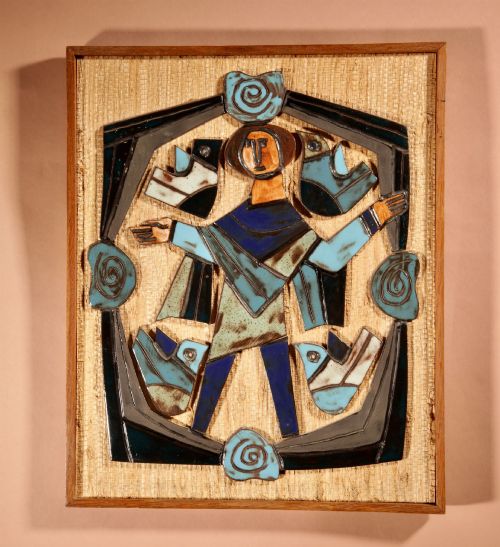
Vintage ceramic wall art encompasses moulded plaques, framed tiles, decorative chargers and pottery dishes designed specifically for display on vertical surfaces. Buyers seeking this category encounter pieces originating from the nineteenth century through to the mid-twentieth century, with notable representation from the Art Deco and Edwardian periods.
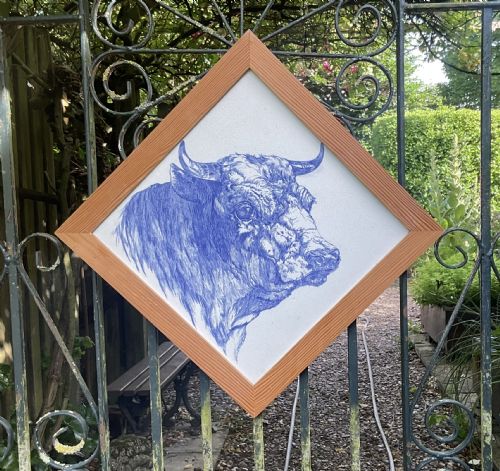
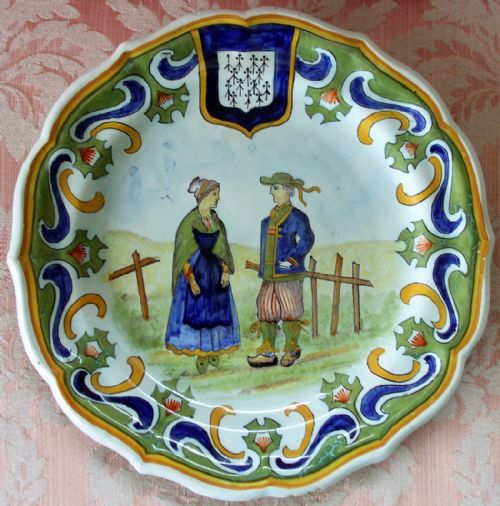
The objects take varied physical forms, ranging from single framed glazed tiles and large painted chargers to three-dimensional wall masques and transfer-printed earthenware plaques. European potteries from England, France, Austria and the Netherlands dominate the selection available on this page.
While the phrase directs attention to ceramics, the broader selection includes related wall-mounted decorative arts executed in porcelain, earthenware and faience. These pieces capture domestic and figurative subjects, translating everyday scenes and floral studies into permanent fired mediums.
How they were made
Makers shaped these pieces using earthenware, porcelain and faience bodies, applying coloured glazes and metallic oxides before firing the clay in kilns to achieve permanent vitrification. Many surface designs rely on hand-painted brushwork, while others utilise raised clay outlines known as tubelining to contain vibrant pools of enamel.
Glaze application varies from glossy transparent finishes to opaque tin glazes characteristic of traditional faience dishes and plaques. Firing techniques dictate the depth of the colours, allowing cobalt blues, earthy oranges and rich greens to bond permanently with the ceramic substrate.
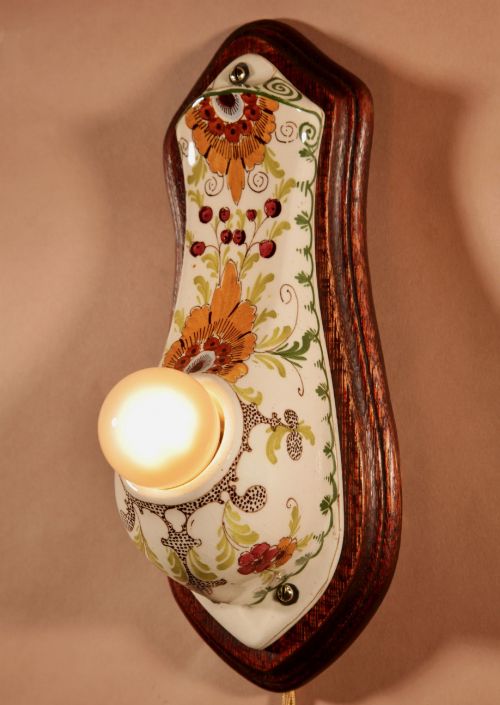
Framed presentation often involves wooden surrounds or copper mounts designed to support heavy porcelain tiles and chargers securely on walls. Structural integrity depends on the precise fit between the fired ceramic body and its housing.
Vintage Ceramic Wall Art Retail Price Guide 2026
Typical asking prices for vintage ceramic wall art among the pieces listed under this phrase on Sellingantiques today, from the lower quarter to the upper quarter. They describe what is for sale here now, not the wider market.
Listings feature ceramic wall art spanning the nineteenth century through the 1960s, including earthenware, porcelain and faience.
What varies in quality
Quality rests in the crispness of the moulding and the intentionality of the brushwork across the glazed surface, separating mass-produced items from studio masterworks. Superior pieces demonstrate confident handling of pigments and precise control during the high-temperature kiln firing.
The complexity of the design execution distinguishes finer examples, particularly where intricate tubelined patterns or multi-layered tin glazes demand advanced technical skill. Clarity in the impressed factory marks or artist signatures on the reverse further anchors the standing of an individual piece.
Sherwin and Cotton·Mintons·Royal Worcester·Charlotte Rhead·Clarice Cliff·Richard Ginori
The Vintage Ceramic Wall Art Glossary
- Charger
- A large decorative plate intended for display on a wall or sideboard rather than for dining use. These large ceramic surfaces often showcase elaborate pictorial scenes.
- Faience
- Tin-glazed earthenware produced across continental Europe, particularly in France and the Netherlands. This technique yields an opaque white or cream background suitable for hand-painted decoration.
- Tubelining
- A ceramic decoration method where liquid clay is squeezed through a nozzle onto a flat tile or vessel to form raised outlines. Artisans then fill the resulting compartments with coloured glazes.
- Wall Masque
- A sculptural ceramic representation of a human or mythical face designed to hang directly on a wall. These decorative items gained popularity during the Art Deco period.
- Porcelain
- A hard, vitreous ceramic material fired at extremely high temperatures until non-porous. It provides a smooth, white base for detailed artistic painting.
Vintage Ceramic Wall Art: Frequently Asked Questions
How do I hang heavy ceramic wall art safely?
Heavy ceramic plaques and chargers require robust fixings that anchor directly into wall studs or utilise appropriate masonry plugs. Ensure the hanging wire or integrated mounting bracket on the reverse supports the full weight of the piece before releasing it.
Avoid relying on simple picture hooks designed for light paper items. Period frames and mounting hardware should be inspected periodically to maintain structural security against the wall surface.
What is the difference between earthenware and porcelain wall pieces?
Earthenware is fired at lower temperatures, resulting in a porous ceramic body that requires an opaque glaze like tin enamel to seal the surface. Porcelain undergoes high-temperature firing, producing a dense, vitreous material that remains completely non-porous even without glaze.
Visual inspection reveals that earthenware often supports thick, colourful surface painting and raised reliefs, whereas porcelain offers a refined, smooth substrate capable of holding delicate, precise detail.
Can I date ceramic wall art by its glazes?
Glaze formulations provide strong chronological clues, as early nineteenth-century pieces often display soft tin glazes while mid-century examples feature vibrant, glossy synthetic finishes. The chemical composition and application thickness shifted noticeably between the Edwardian era and the Art Deco period.
Comparing surface sheen and colour palettes against documented factory output helps narrow down the decade of production. Examining the unglazed foot or reverse reveals the raw clay body characteristic of specific eras.