




Victorian Polychrome Wall Plates
Victorian polychrome wall plates are colourful ceramic vessels brought from the Victorian interior to modern walls, offering bright palette work and varied nineteenth-century hand painting.

Victorian Polychrome Wall Plates
When you search for Victorian polychrome wall plates, you find nineteenth-century earthenware and porcelain table wares decorated in multi-coloured enamel and glaze. These pieces range from mid-century stoneware and ironstone to delicate cabinet porcelain produced across the Victorian era.
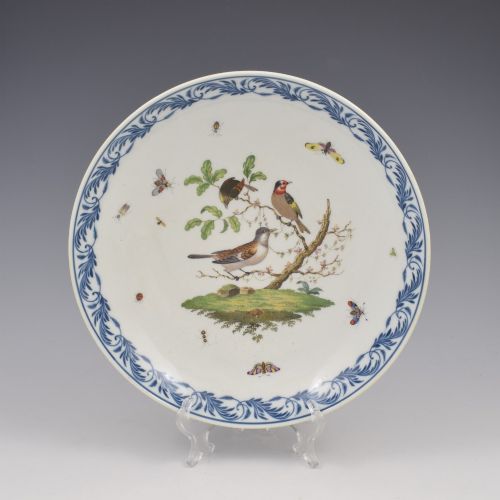
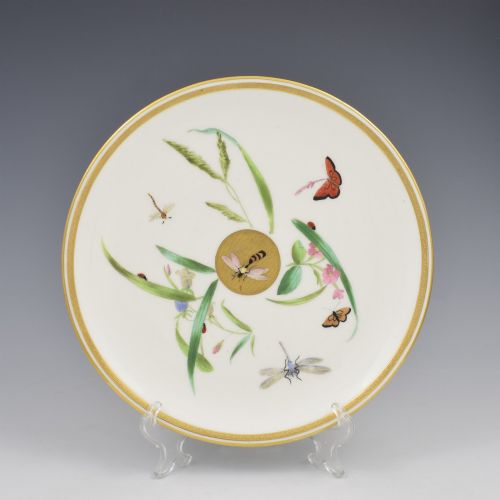
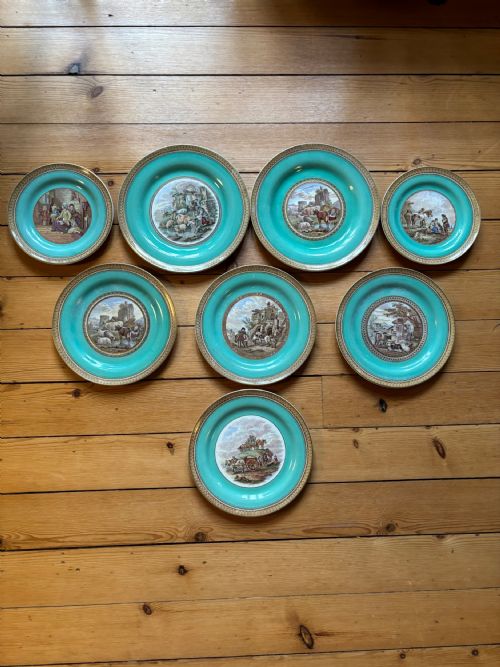
The versions you are most likely to meet on this page include colourful dessert plates, reticulated dishes, and meat platters bearing floral, bird, and landscape motifs. Makers span English factories like Minton, Mason's, and John Ridgway alongside continental porcelain works.
How they were made
Potters shaped these vessels from hard-paste porcelain, stoneware, earthenware, and ironstone before applying white or tinted glazes. Base bodies were formed into standard circular shapes, reticulated borders, or basketweave textures.
Decoration relied on hand painting using overglaze enamels and underglaze pigments, often complemented by gilt or gold leaf detailing. Kiln firing fixed the bright multi-coloured palettes onto the ceramic surface.
Victorian Polychrome Wall Plates Retail Price Guide 2026
Typical asking prices for victorian polychrome wall plates among the pieces listed under this phrase on Sellingantiques today, from the lower quarter to the upper quarter. They describe what is for sale here now, not the wider market.
Listings feature pieces from the Victorian period, including specific dates such as eighteen-fifty, eighteen-sixty, and eighteen-seventy-five.
What varies in quality
Quality depends on the precision of the hand painting and the crispness of the enamel and gilt application across the surface. Finer examples display detailed ornithological subjects, insects, or orientalist scenes painted with distinct brushwork rather than mechanical transfer printing.
The body material also dictates value, with delicate hard-paste porcelain cabinet plates sitting differently from heavy ironstone meat platters or stoneware service plates. Marks stamped or painted on the reverse indicate factory origin and period standard.
Meissen·Minton·John Ridgway
The Victorian Polychrome Wall Plates Glossary
- Polychrome
- Decoration executed in multiple distinct colours. This multi-coloured approach defines the bright enamels found on nineteenth-century ceramics.
- Enamel
- Opaque vitreous paint applied over the fired glaze. These coloured glasses are fixed with a secondary low-temperature kiln firing.
- Ironstone
- A heavy durable ceramic patented in the nineteenth century. It bridges the gap between earthenware and fine porcelain.
- Reticulated
- Pierced or openwork patterning cut into the ceramic border. This decorative technique appears on fine dessert and cabinet plates.
- Gilt
- A thin layer of gold applied to ceramic surfaces for accent. It highlights rims, handles, and painted motifs.
Victorian Polychrome Wall Plates: Frequently Asked Questions
How do I hang Victorian wall plates safely?
Plates require spring-loaded brass wire hangers that grip the rim without causing friction damage to the glaze. Ensure the wall fixing securely bears the weight of heavier ironstone or stoneware pieces.
Position plates away from direct sunlight and areas of heavy vibration to protect the enamel and gilt surfaces over time.
Were these plates originally made for walls?
Most nineteenth-century examples began life on the dining table or sideboard as dessert dishes, meat platters, or service courses. Victorian interior fashion later encouraged mounting decorative plates on walls and within cabinets.
Heavier stonewares served functional dining purposes, while delicate porcelain cabinet plates were often displayed as ornaments from the outset.
How do I identify the period of a plate?
Dating relies on factory marks stamped or painted on the reverse, alongside material characteristics like ironstone body weight or porcelain translucency. Stylistic clues such as Aesthetic Movement motifs or Rococo Revival moulding narrow down the production decade.
Mid-century pieces often feature robust stoneware bodies, while later Victorian items lean towards Japanese-inspired ornamentation and delicate enamelling.
How should I clean polychrome ceramic plates?
Dust surfaces gently with a dry, soft cloth to remove everyday particles without disturbing fragile overglaze enamels. Avoid soaking pieces with gilt or gold leaf work in water.
Harsh chemical detergents strip historic enamel colours, so professional conservation cleaning is recommended for heavily soiled or valuable cabinet pieces.