





19th Century Prattware Pottery
These 19th century prattware pottery pieces offer colourful underglaze decoration on earthenware and pearlware forms that bring immediate character to a room.

19th Century Prattware Pottery
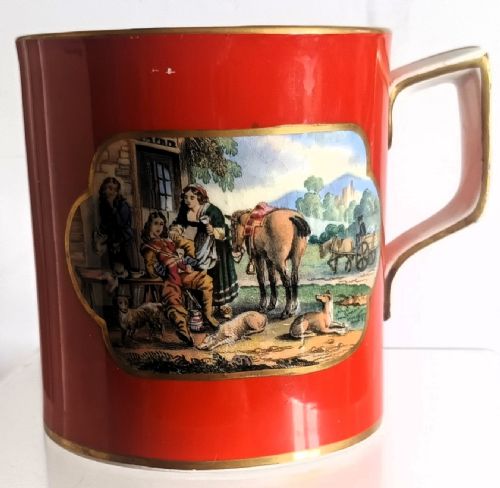
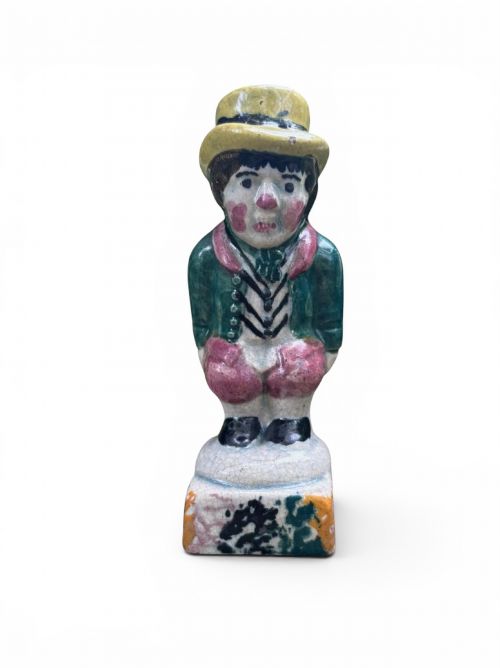
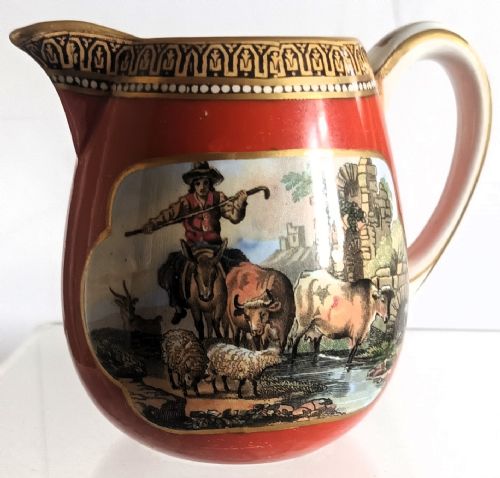
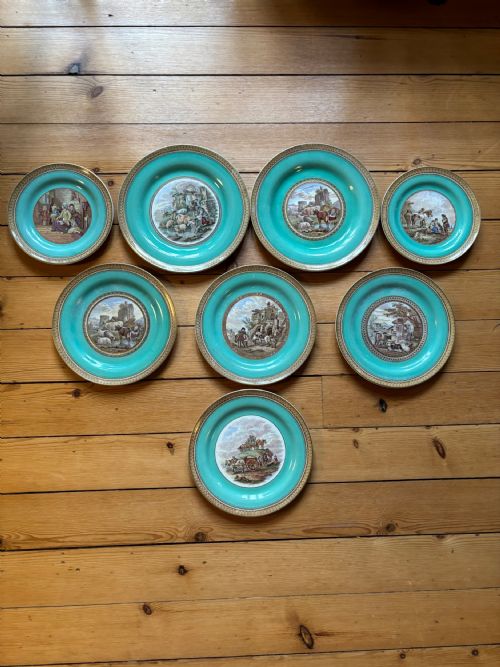
When you search for 19th century prattware pottery, you encounter a distinct group of utilitarian and decorative ceramic items spanning the Georgian, Regency, and Victorian eras. These encompass domestic vessels such as cream jugs, half pint mugs, pepper pots, and pate jars alongside figurative works like decorative figures, pug dogs, and plaques.
The objects most frequently met on this page include jugs, mugs, and figural pieces decorated with characteristic multi-coloured underglaze pigments. They combine robust Staffordshire earthenware bodies with lively historic scenes, animals, and architectural forms.
How they were made
Potters shaped these pieces using earthenware, pearlware, and terracotta bodies moulded or thrown into forms such as cottage jars, Toby jugs, and animal figures. The surfaces then received cobalt, ochre, and other metallic oxides applied beneath a clear glaze before firing.
19th Century Prattware Pottery Retail Price Guide 2026
Typical asking prices for 19th century prattware pottery among the pieces listed under this phrase on Sellingantiques today, from the lower quarter to the upper quarter. They describe what is for sale here now, not the wider market.
The site listings combine functional domestic vessels like cream jugs and pepper pots with figurative subjects including lions, pug dogs, and Toby jugs.
What varies in quality
Quality rests principally in the crispness of the moulding and the controlled application of the underglaze colours. Finer examples display sharp relief work on figures and plaques where facial expressions and clothing details remain distinct beneath the glaze.
The vibrancy and precision of the pigment distribution also separate standard domestic wares from superior specimens. Strong, clear cobalt blues and ochres that stay within their intended outlines indicate a higher level of kiln control and painting skill.
Mexborough
The 19th Century Prattware Pottery Glossary
- Pearlware
- A refined earthenware body developed in the late eighteenth century featuring a thin glaze with a faint bluish tint that pooled in crevices. This material served as the smooth canvas for much early prattware decoration.
- Underglaze
- Pigments applied to the unglazed ceramic body before the transparent glaze layer goes over the top. This technique protects the painted colours from wear during daily use.
- Earthenware
- A porous, opaque ceramic fired at lower temperatures than stoneware or porcelain. It forms the heavy, durable substrate for jugs, mugs, and figures of the period.
- Staffordshire
- The principal English ceramic manufacturing region encompassing numerous towns where potteries produced utilitarian and decorative figures. Many marked and unmarked pieces originate from these kilns.
19th Century Prattware Pottery: Frequently Asked Questions
What is prattware pottery?
Prattware is a type of English earthenware and pearlware identified by its distinctive underglaze colour palette of ochre, blue, brown, and green. The pieces typically date from the late eighteenth and nineteenth centuries.
Potters used these mineral oxides to paint figures, landscapes, and commemorative subjects directly onto the clay before applying a clear lead glaze and firing the vessel.
How were these pots used?
Many of these items served practical daily functions in the nineteenth-century household as cream jugs, drinking mugs, pepper pots, and storage jars for preserves. Others functioned purely as mantelpiece ornaments, figural groups, or commemorative plaques.
Utilitarian vessels saw frequent handling at the dining table, while figurines and plaques were displayed in parlours to demonstrate taste and tell visual stories.
How do I date prattware pottery?
Dating relies on stylistic clues, the type of ceramic body, and specific historic references in the subject matter. Pearlware bodies and Neoclassical motifs generally point towards the earlier Georgian and Regency periods.
Later Victorian pieces often employ denser earthenware bodies and bolder colour combinations, sometimes accompanied by date stamps or direct references to contemporary events and literature.
How do I live with prattware?
These colourful ceramics integrate well into traditional and modern interiors when displayed on sturdy shelves, mantelpieces, or inside glass-fronted cabinets. Their bright underglaze palettes provide strong focal points in a room.
Because they are earthenware, they require stable placement away from high-traffic edges and should be cleaned gently by hand using mild soap and warm water when necessary.