


Vintage Ceramic Pitcher
These vintage ceramic pitcher examples are solid household vessels shaped in clay, stoneware, ironstone, and porcelain, offering practical utility and period character.

What They Are
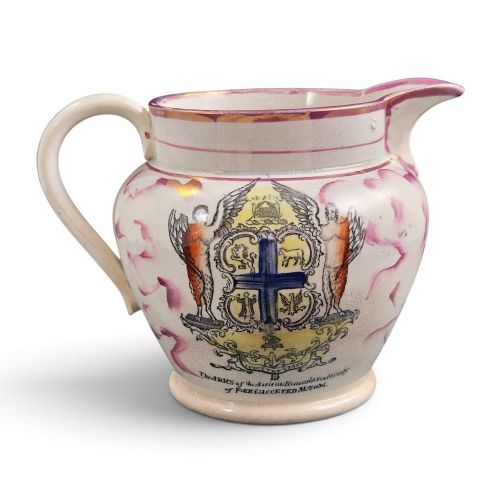
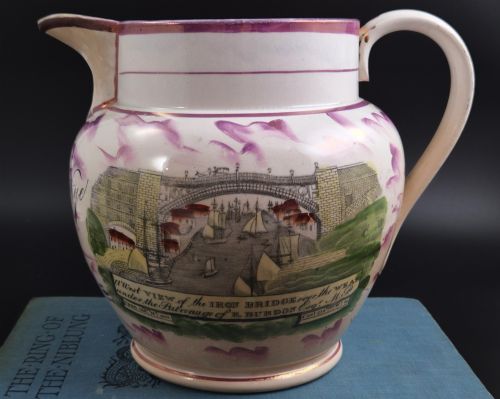
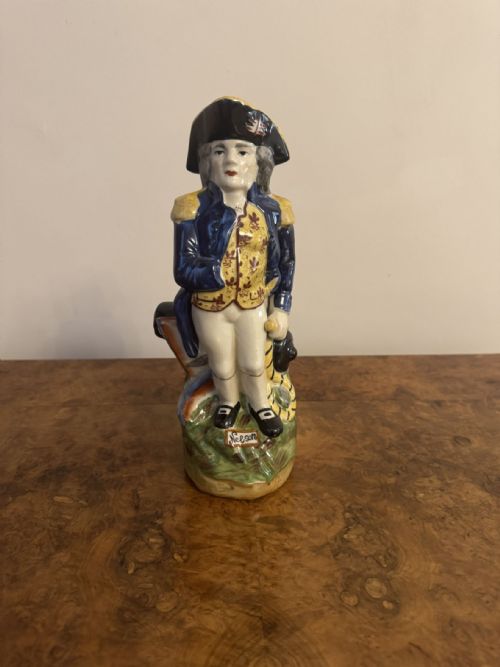
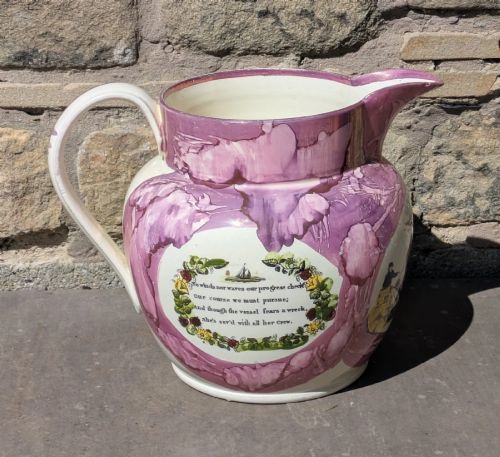
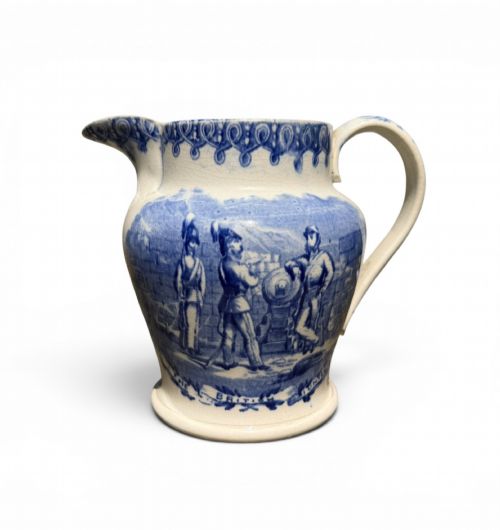
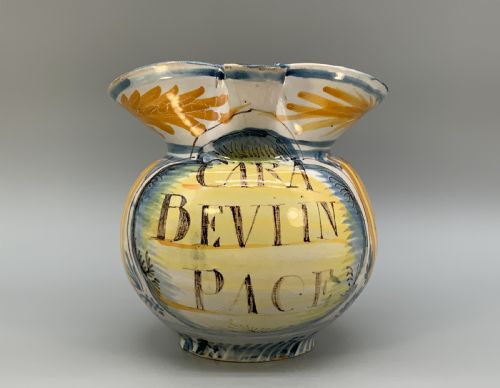
When you search for a vintage ceramic pitcher, you are looking at utilitarian pouring vessels that have crossed over from everyday service into decorative display. The examples on this page span the nineteenth century, the Victorian era, nineteen-eighty, and nineteen-twenty, encompassing both robust stoneware and refined porcelain.
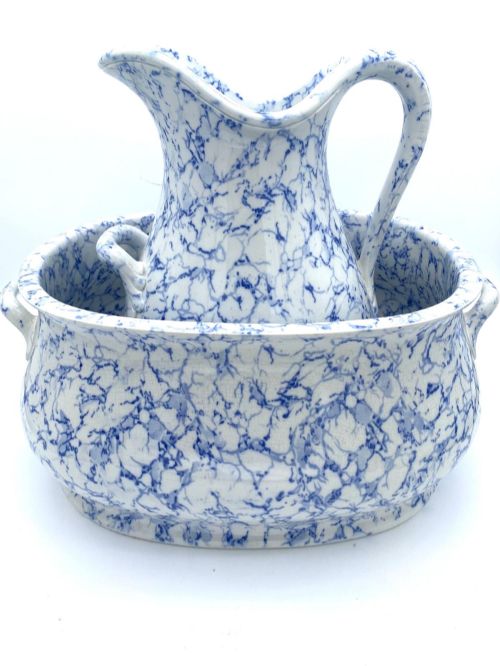
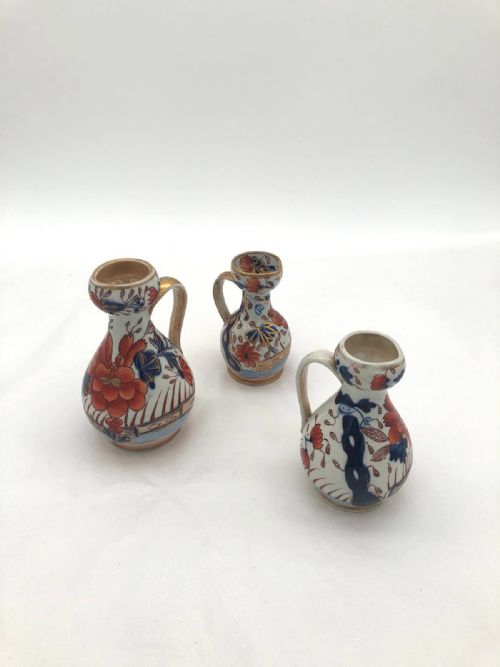
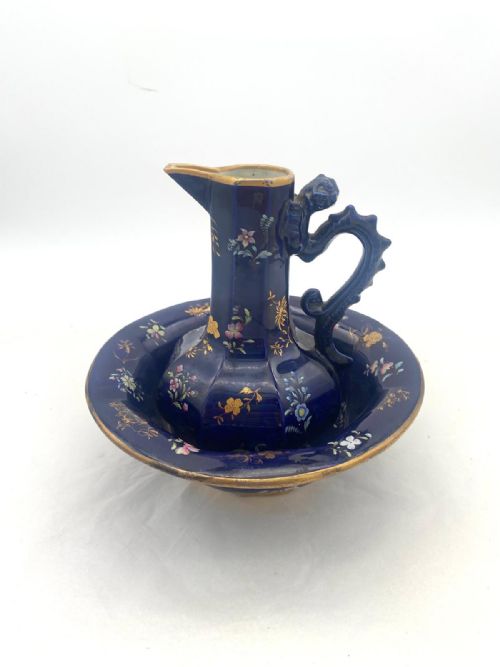
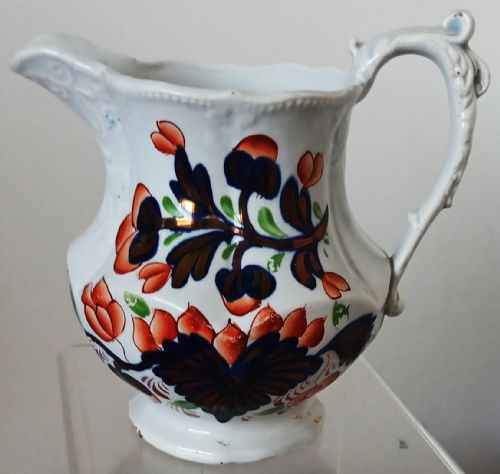
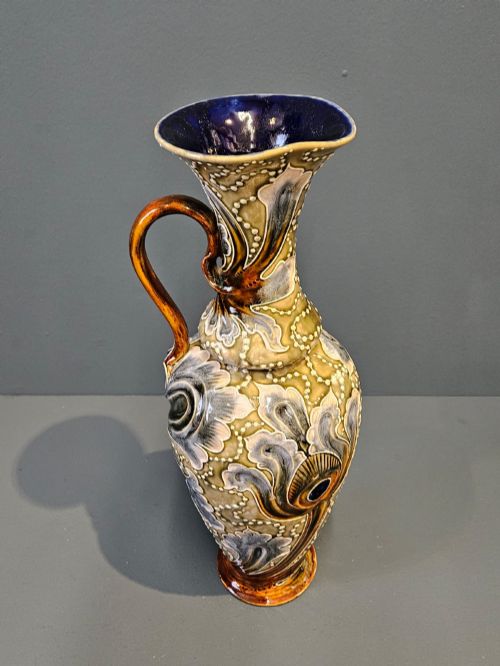
The forms you are most likely to meet here include sturdy jugs alongside a jug and bowl set. Their origins stretch from Georgian Gaudy Welsh ironstone pieces bearing the Bethesda pattern through to Doulton Lambeth harvest jugs and later English porcelain productions.
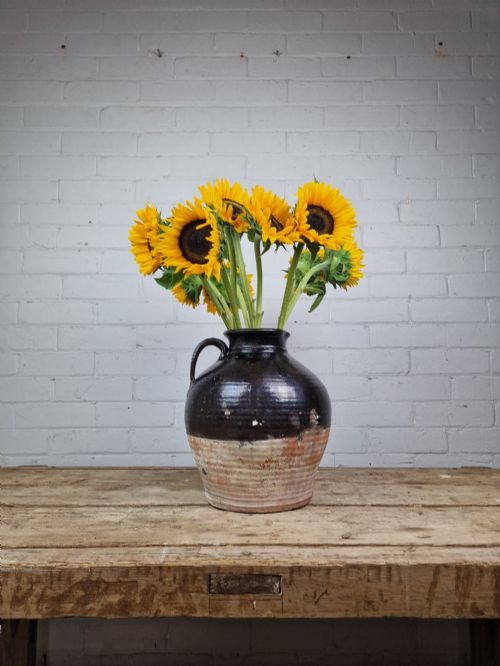
These vessels served functional roles in homes before becoming collectable objects of display. Each piece carries the distinct stylistic markers of its period, whether through transfer-printed patterns or textured salt-glazed stoneware.
How They Were Made
Makers utilised various earths, employing heavy clay and dense stoneware for utilitarian strength, while refining other batches into porcelain for domestic elegance. Ironstone provided a durable semi-porcelain body capable of taking vibrant coloured glazes and transfer-printed patterns.
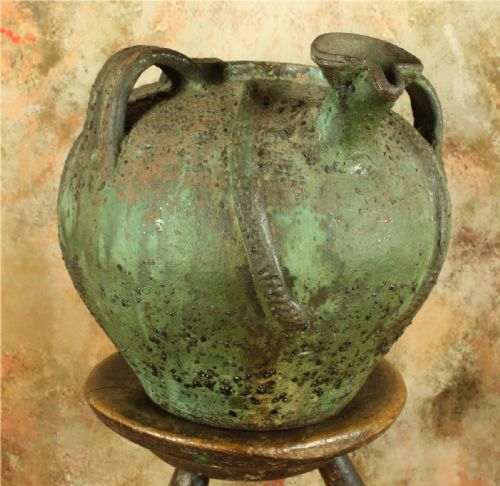
Surface treatments involved dipping or painting the raw body in glaze before firing, creating protective waterproof layers. Salt-glazing was applied to stoneware pieces during the kiln firing to produce the characteristic textured finish seen on harvest jugs.
Harvest jugs were filled with strong ale to keep farmworkers happy while gathering the crops.
What Varies in Quality
The distinction between standard domestic ware and superior production lies in the crispness of the moulding and the control of the kiln firing. Finer pieces display precise application of patterns, such as the Gaudy Welsh ironstone designs, where hand-painted colour sits neatly within the transfer-printed lines.
Material weight and finish dictate the character of each piece, from the rugged density of salt-glazed stoneware to the delicate translucency of English porcelain. Superior examples retain their original glaze lustre and show minimal distortion from the firing process.
Doulton Lambeth
The Vintage Ceramic Pitcher Glossary
- Ironstone
- A heavy, durable type of earthenware patented in the nineteenth century to imitate Chinese porcelain. It provides a strong white body well-suited to domestic jugs.
- Gaudy Welsh
- A style of colourful, hand-painted decoration applied over transfer-printed outlines on British ironstone and earthenware during the nineteenth century. It frequently employs cobalt blue, copper lustre, and iron red.
- Porcelain
- A fine, translucent ceramic fired at high heat, made from white clay containing kaolin. It represents the more refined end of domestic table wares.
- Harvest jug
- A large stoneware or earthenware vessel traditionally used to hold ale during agricultural harvest celebrations. They often feature applied relief decoration.
Frequently Asked Questions
What is an ironstone jug?
An ironstone jug is a heavy, durable ceramic pouring vessel made from a patented earthenware body designed to resist chipping. These pieces date across the nineteenth century and combine practical strength with decorative surface patterns.
They were produced in large quantities for domestic service, often featuring transfer-printed designs like the Gaudy Welsh Bethesda pattern. Their robust nature means many survive in usable condition today.
How do I date a stoneware jug?
Dating a stoneware jug involves examining the weight, the style of the handle, and the texture of the salt-glaze surface. Nineteenth-century examples often bear factory stamps or stylistic indicators specific to the Victorian period.
Makers such as Doulton Lambeth stamped their harvest jugs with specific marks that help narrow down the production decade. Comparing the form against dated pieces in archives remains the most reliable method.
Were these jugs used for water?
These ceramic and porcelain vessels served multiple domestic functions, including holding water, milk, or ale depending on their size and material. Jug and bowl sets were standard bedroom accessories before indoor plumbing became universal.
Stoneware versions handled heavier farm and tavern liquids, while porcelain and ironstone variants appeared on dining tables. Their glazed interiors kept liquids contained safely.
How should I clean my jug?
Cleaning antique ceramic and porcelain jugs requires gentle hand washing with warm water and mild soap. Avoid abrasive pads that can scratch the aged glaze or wear away hand-painted details.
Because many nineteenth-century pieces have porous unglazed bases or historical hairline fractures, submerging them for long periods is discouraged. Pat them dry with a soft cloth after washing.