
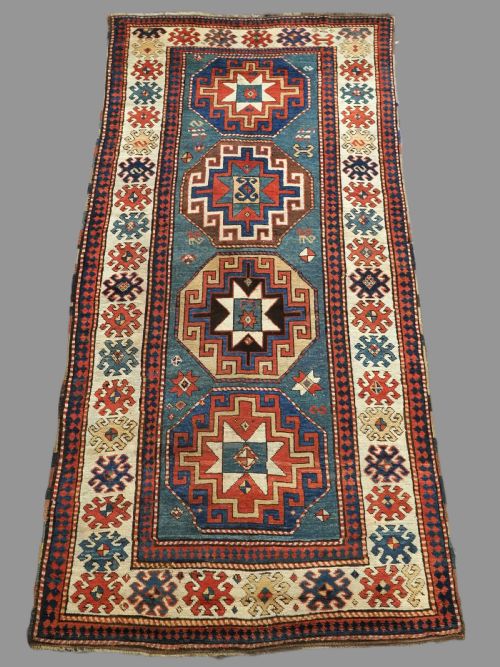
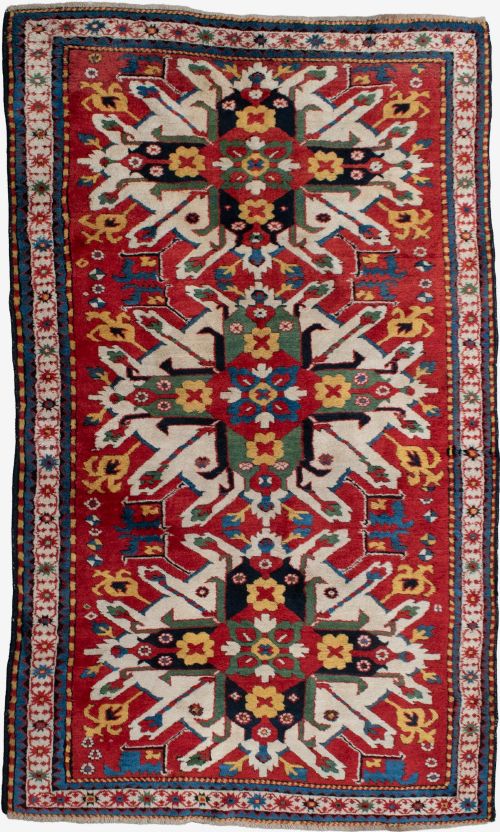
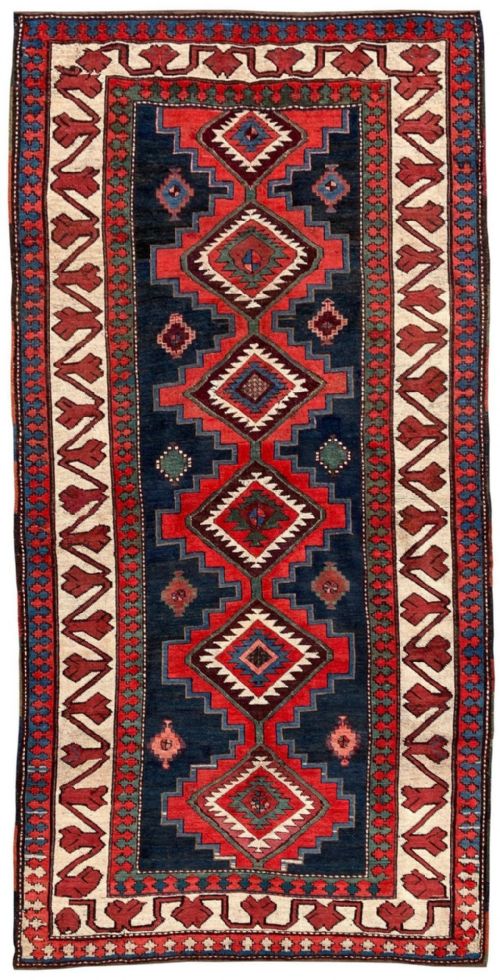
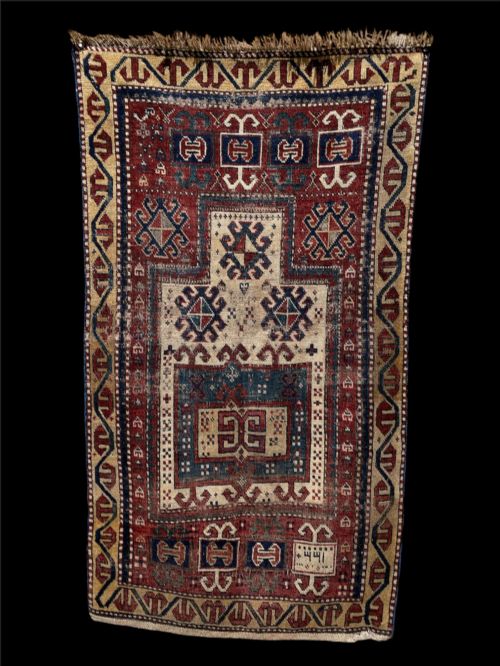
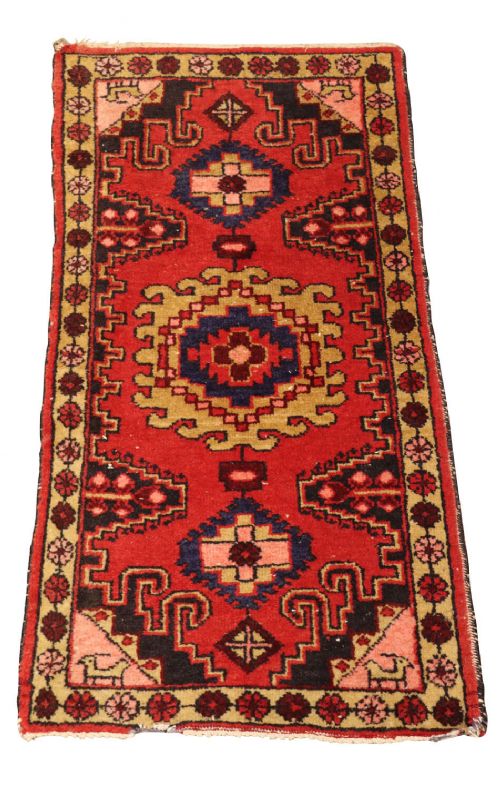


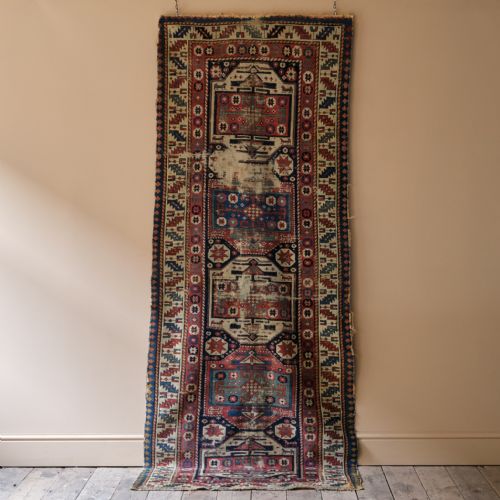
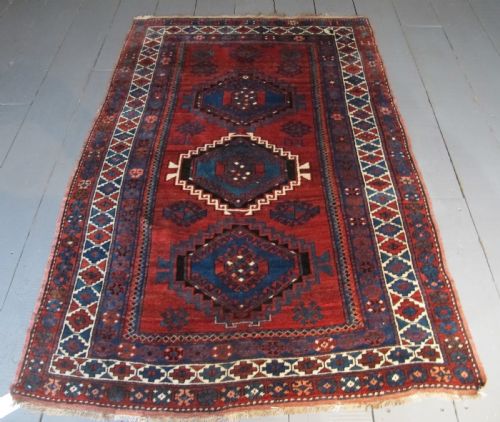


Vintage Caucasian Kazak Rug
A vintage caucasian kazak rug brings bold tribal geometry and saturated wool into a room with the directness of nineteenth-century folk art.
Vintage Caucasian Kazak Rug
A vintage caucasian kazak rug is a hand-knotted textile originating from the Caucasus region, produced across the nineteenth and early twentieth centuries by tribal weavers. These pieces appear in formats ranging from square prayer rugs and long runners to substantial carpets with large medallions.
The selections available on this page span several decades of regional weaving traditions, including specific sub-types like Fachralo, Borchalu, Moghan, and Gendje. Buyers encounter distinct geometric configurations, animal motifs, and prayer arches rooted in specific local aesthetics.
Most examples date from the Victorian era up to the interwar period, utilising traditional village formats rather than urban workshop standards. Each rug reflects the specific visual vocabulary of its originating valley or tribe.
How They Were Made
Weavers constructed these textiles using wool, cotton, and hand-spun wool, tying dense piles onto structural foundations by hand. The reliance on locally sourced animal fibres provided the durable texture characteristic of the region.
Dyes derived from natural sources yielded deep, saturated tones that mellow gradually over time, giving older village carpets their characteristic aged palette.
Several runners embrace asymmetry proudly, reminding us that nomad weavers did not use graph paper.
What Varies in Quality
Quality rests in the precision of the knotting and the crispness of the geometric design, which separates master village weaving from simpler utility pieces. Piles with greater density and more tightly packed foundations hold their structural integrity far longer.
The saturation and complexity of the colour palette also define the upper tier of these textiles, particularly where uncommon ground shades or intricate boteh motifs appear. Original side cordings and intact ends indicate a higher degree of preservation.
The Vintage Caucasian Kazak Rug Glossary
- Kazak
- A designation for rugs woven in the northern and western regions of the Caucasus, known for bold geometry and rich wool. These pieces rely on primary colours like red, blue, and green.
- Boteh
- A stylised almond or paisley motif representing a floral spray or cypress tree. This ancient symbol appears frequently in regional runners and field patterns.
- Prayer rug
- A small format textile featuring a mihrab or arch design at one end, traditionally used for personal devotion. The niche directs the viewer's focus during use.
- Medallion
- A central decorative unit set into the field of the rug, often repeating down the vertical axis. Village weavers utilised hooked and stepped polygons for these focal points.
- Kilim
- A flat-woven textile produced without a pile, sometimes constructed from joined panels known as mafrash. These items served utility and storage functions in nomadic households.
Vintage Caucasian Kazak Rug: Frequently Asked Questions
How do I place a tribal runner in a hallway?
Runners fit well in high-traffic corridors or narrow spaces where their linear format and durable wool pile can withstand daily movement.
Pair them with a quality underlay to prevent sliding on hard floors and to cushion the hand-knotted structure against excessive wear.
Can I use these rugs in modern interiors?
The geometric designs and earthy palettes complement minimalist or contemporary furniture by adding texture and historical contrast to neutral rooms.
Allow enough surrounding floor space to let the bold medallions and tribal motifs function as standalone focal points.
How should I clean my village rug?
Regular gentle vacuuming without a beater bar removes surface dirt from the wool pile before it settles deep into the cotton foundation.
Professional specialist cleaning is necessary for deep washing to protect the natural dyes and hand-spun fibres from damage.
What indicates a specific regional sub-type?
Weavers incorporated distinct structural markers, such as specific medallion counts, particular prayer niche shapes, and regional colour combinations like green grounds or white borders.
Comparing the specific arrangement of animal motifs and latch-hooks helps attribute a textile to valleys like Borchalu or Lori Pambak.