

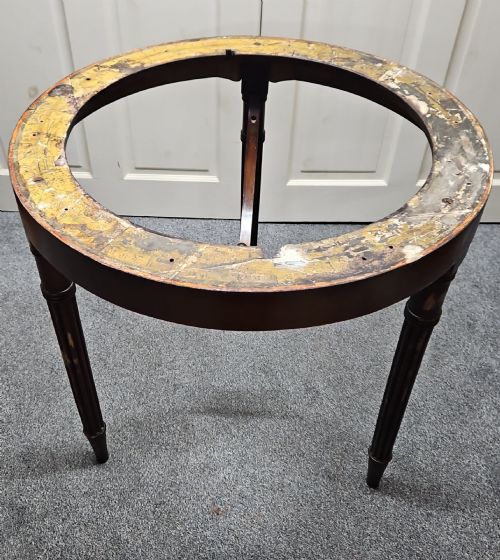
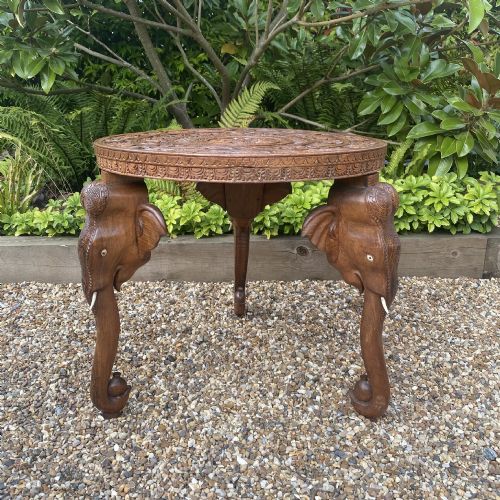
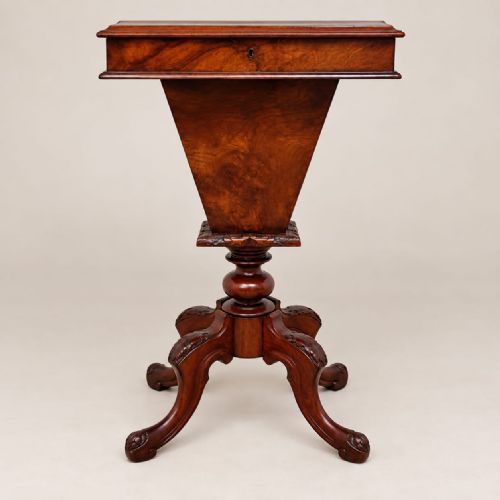
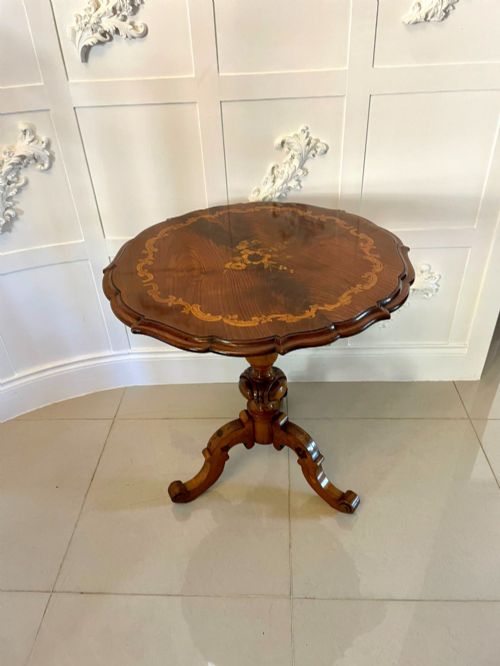
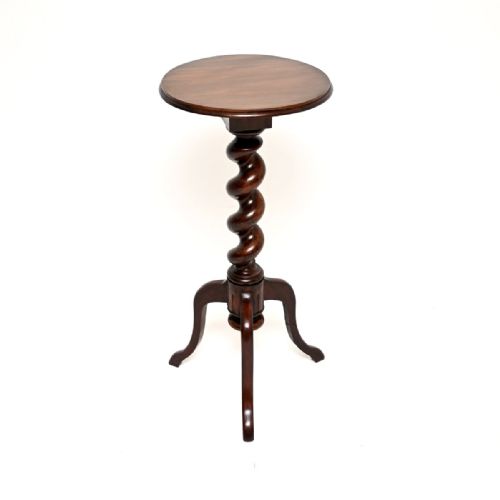
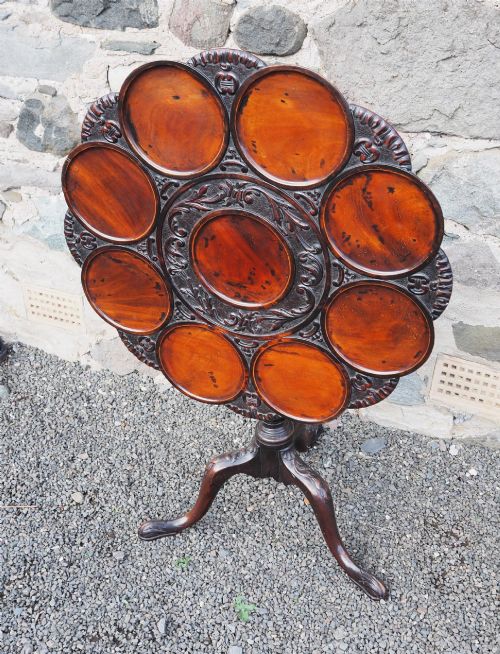
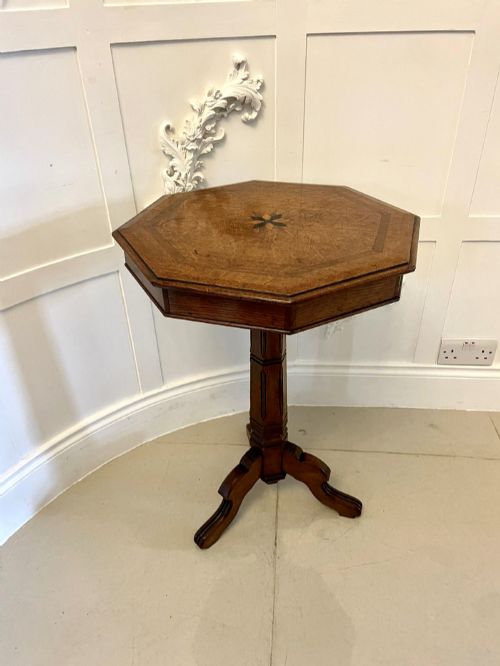
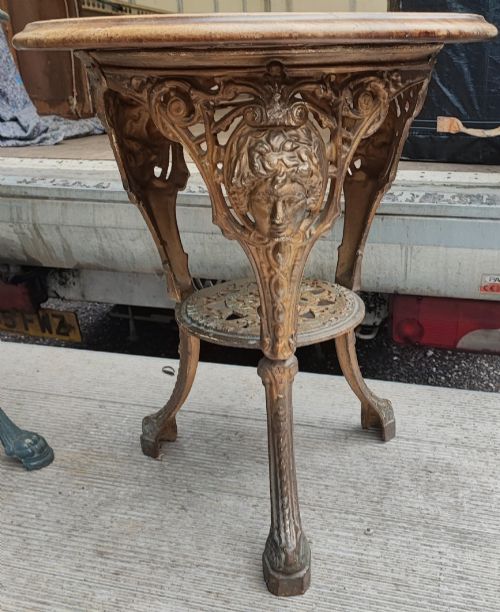
Vintage Carved Tripod Table
These vintage carved tripod table examples offer compact display surfaces supported by three legs, bringing rich regional carving and timber figure into any room.
Vintage Carved Tripod Table
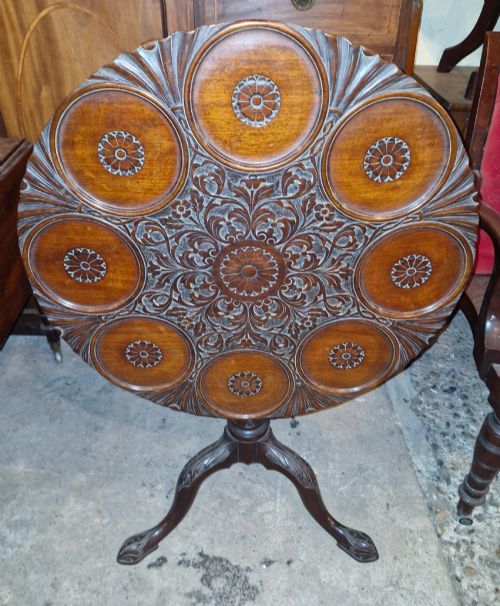
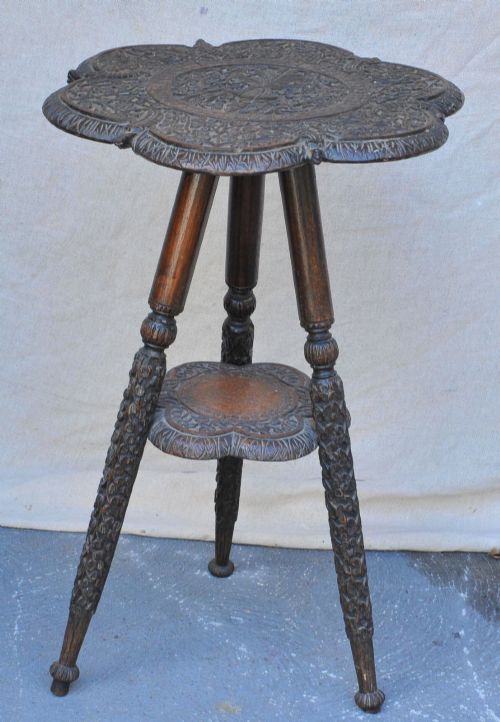
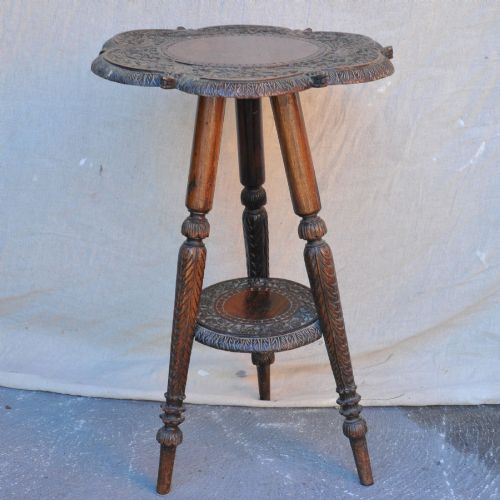
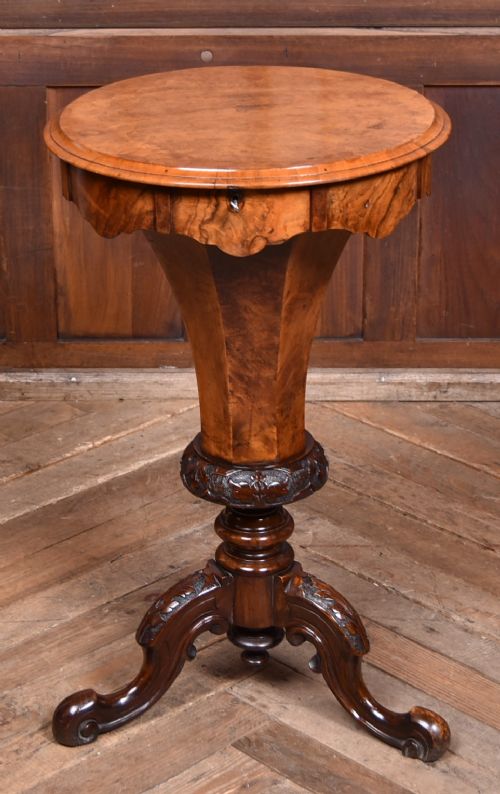
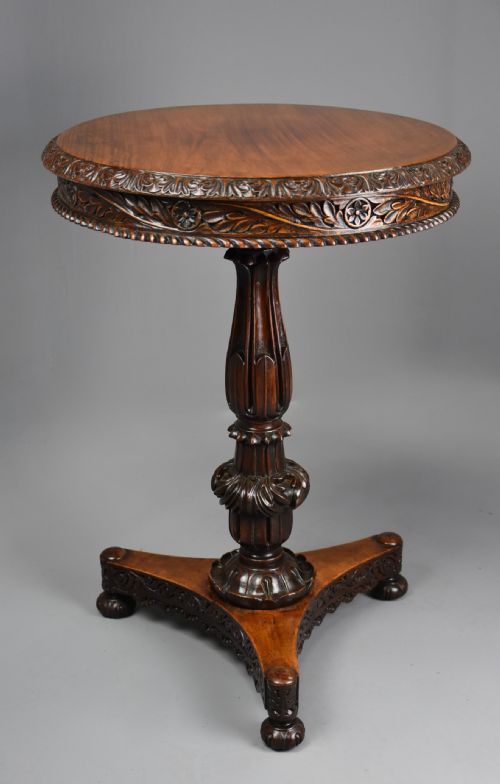
When searching for a vintage carved tripod table, you encounter diverse forms ranging from compact wine tables and occasional surfaces to detailed plant stands and work tables. The pieces span the nineteenth century through the early twentieth century, incorporating regional aesthetics such as Anglo-Indian, Burmese, and Chinoiserie alongside domestic revival styles.
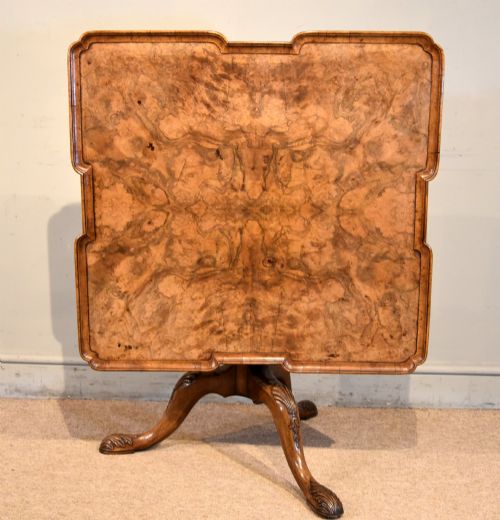
The domestic British and European examples lean towards mahogany, walnut, and oak utilising traditional column supports, while imported colonial pieces showcase dense hardwoods laden with deep relief carving. You find circular tilt-top mechanisms, fixed pedestal bases, and distinct tripod configurations designed to occupy corners or beside seating without dominating the floor space.
Materials and construction methods
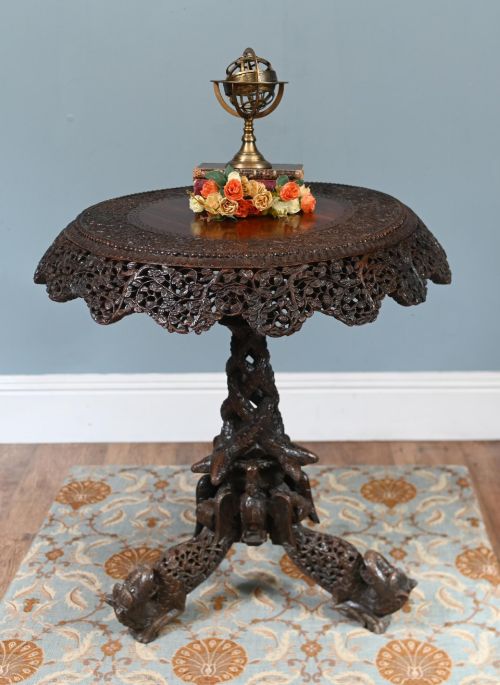
Cabinetmakers constructed these tables using native and exotic timbers including mahogany, walnut, teak, burr walnut, rosewood, and various hardwoods, often turning central pedestals on a lathe and joining three splayed legs via tenons or dovetails. Regional makers abroad applied intricate chip-carving and piercing directly into dense tropical hardwoods, creating elaborate motifs of foliage, dragons, and figures.
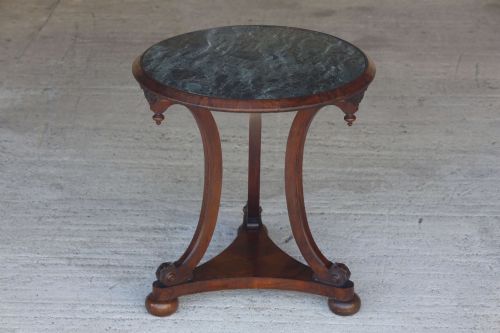
European workshops favoured stability through seasoned oak and elm frames, occasionally adding marquetry inlay, brass mounts, or marble tops to circular wooden carcases. Surface finishing relied on hand-applied polish, wax, or oil to enhance the natural grain pattern and protect the carved relief work from daily wear.
Vintage Carved Tripod Table Retail Price Guide 2026
Typical asking prices for vintage carved tripod table among the pieces listed under this phrase on Sellingantiques today, from the lower quarter to the upper quarter. They describe what is for sale here now, not the wider market.
Listings feature periods from the 1850s through the 1930s, utilising mahogany, walnut, teak, oak, brass, and burr walnut.
Distinguishing grades of craftsmanship
Superior examples separate themselves through the crispness of the hand-carved detail and the selection of figured timber veneers, such as burr walnut or rich rosewood, rather than plain stock. A finer table maintains absolute rigidity in the central column and tripod base, whereas lesser items suffer from looseness in the leg joints or warped tilt-top mechanisms.
The depth and fluidity of the carving define the artistic merit, particularly on Anglo-Indian and Burmese pieces where sharp undercut foliage contrasts with shallow, hurried tool marks on lower-tier items. Original surface patination and intact structural joinery without modern steel brackets elevate a piece above altered or heavily restored alternatives.
The Vintage Carved Tripod Table Glossary
- Tripod base
- A furniture support comprising three legs radiating from a central pillar. This design provides stable footing on uneven floors.
- Tilt-top
- A tabletop hinged to the central pedestal so it can rotate vertically for storage against a wall. This mechanism often employs a brass catch or wooden peg.
- Gueridon
- A small French occasional table supported by a column or figures. These often feature decorative marble tops or marquetry.
- Padouk
- A heavy tropical hardwood valued for its durability and reddish hue. It appears frequently in nineteenth-century Anglo-Indian furniture.
- Pie crust
- A carved tabletop edge shaped into raised serpentine curves resembling pastry work. This detail is typical of finer mahogany wine tables.
Vintage Carved Tripod Table: Frequently Asked Questions
What rooms suit a tripod table best?
These compact tables fit easily beside armchairs, in narrow hallways, or as bedside surfaces where larger furniture overpowers the floor plan.
Their small footprint allows them to tuck into unused corners while holding a lamp, book, or decorative plant.
How do I identify an Anglo-Indian piece?
Look for dense, dark tropical hardwoods covered in deep relief carvings depicting foliage, animals, or mythological scenes. These pieces frequently originate from nineteenth-century workshops catering to British colonial export.
The structural timber is often padouk or rosewood, differing noticeably from standard European mahogany or oak.
Can these tables hold heavy objects?
While the three-legged base provides stable ground contact, the central column and leg joints dictate the weight limit. Smaller wine tables suit lightweight lamps or cups rather than heavy ceramic planters.
Checking the tightness of the leg junctions beneath the pillar ensures the table remains secure under load.
What is the purpose of a tilt mechanism?
The tilting mechanism allowed historical users to store the table flat against a parlour wall when not in use, clearing floor space for other activities.
Today, this feature remains a mark of traditional construction, though collectors should inspect the pivot block for wear.