


Indian Carved Plant Stand
An indian carved plant stand brings complex geometric and floral relief work from the subcontinent into nineteenth and early twentieth century domestic interiors.
Indian Carved Plant Stand
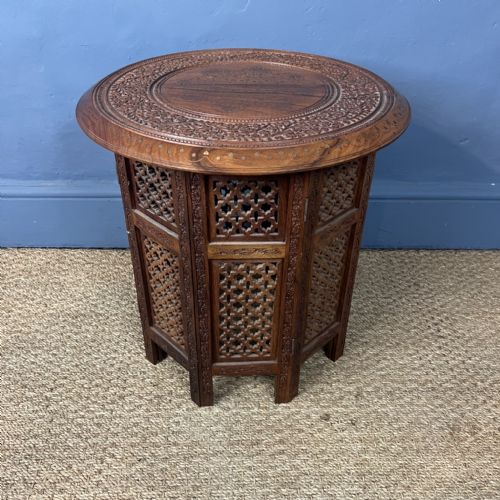
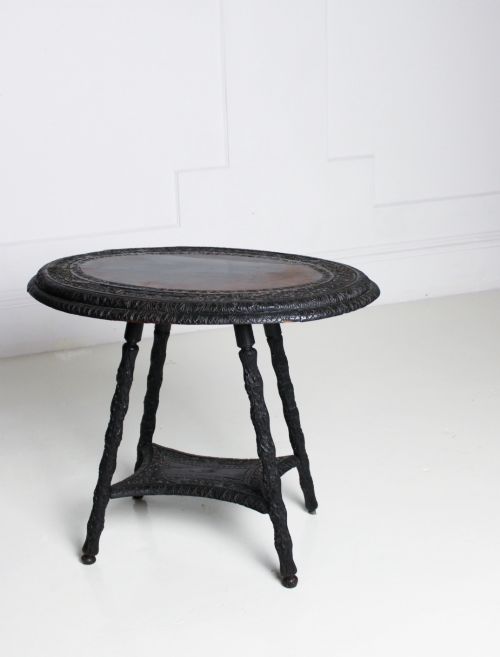
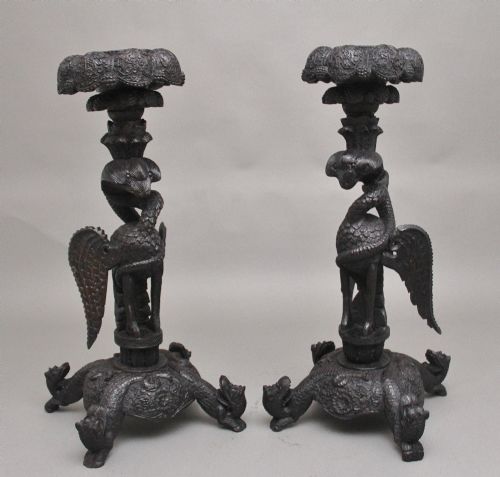
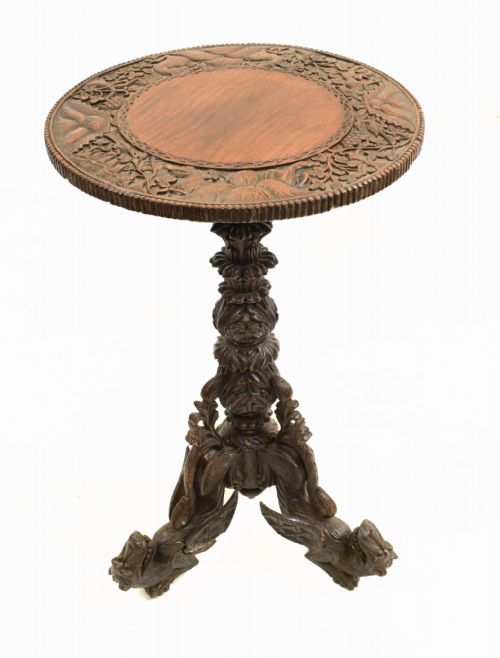
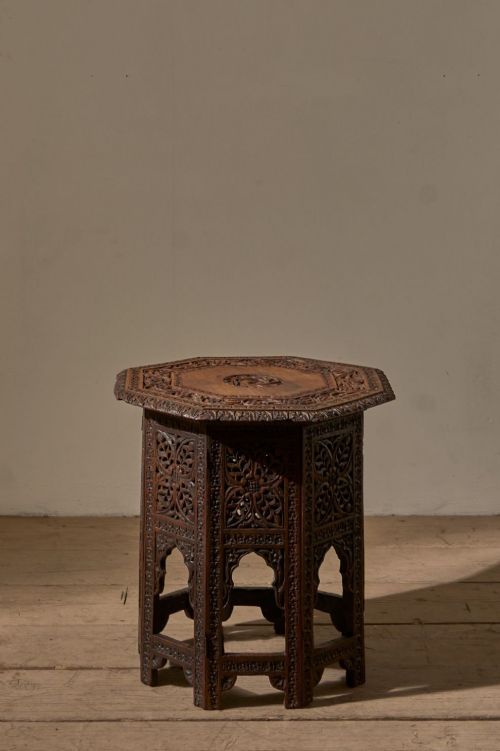
When you search for an indian carved plant stand, you encounter a variety of heavily ornamented occasional furniture, torcheres, pedestals, and octagonal tables produced during the Victorian and Edwardian eras. These pieces often originate from specific regional workshops in regions such as Hoshiarpur and the Bombay Presidency, frequently created for British colonial homes and the domestic export market.
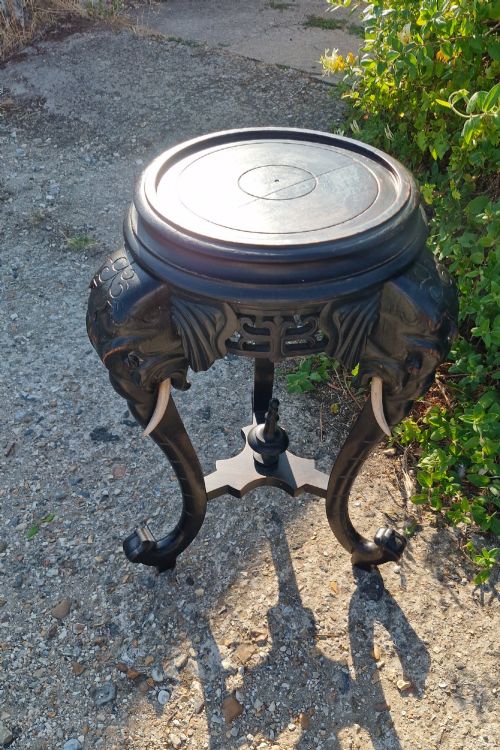
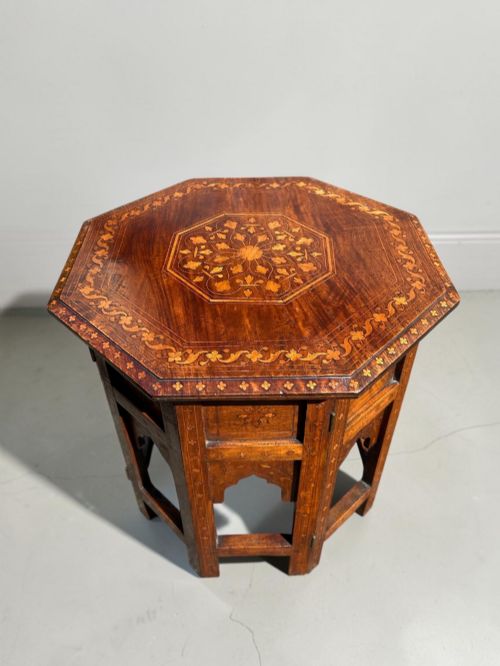
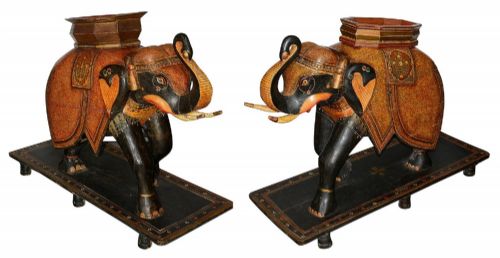
The inventory on this page spans the nineteenth century through the 1930s, featuring forms like folding campaign tables, tripod bases, and sculptural animal supports including elephants and camels. Alongside dedicated plant stands and pedestals, many low tables and side tables serve the same decorative function in a room.
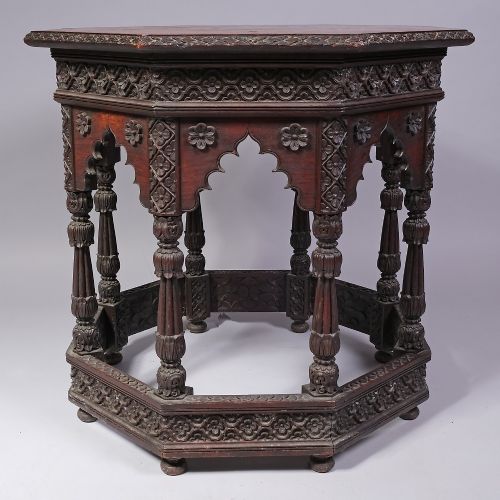
Moorish Revival and Anglo-Burmese styles appear frequently alongside Anglo-Indian designs, bringing diverse regional ornamentation to the same domestic category. Buyers find both circular and multi-sided tops, ranging from compact occasional pieces to large monumental stands.
Materials and Construction
Maker's workshops relied on dense tropical timbers including teak, rosewood, padauk, sandalwood, and general hardwoods that accepted intricate chisel work without splitting. Artisans carved deep foliage, geometric jaali lattice patterns, and figural motifs directly into the solid wood.
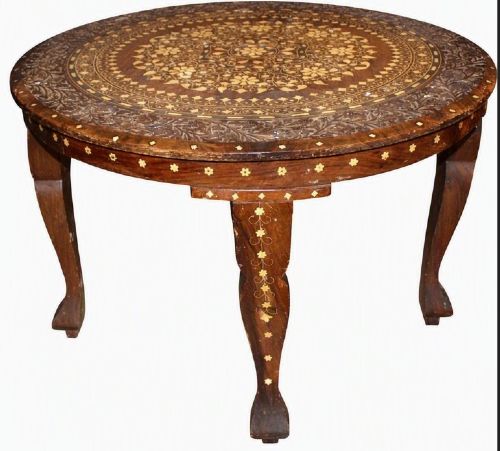
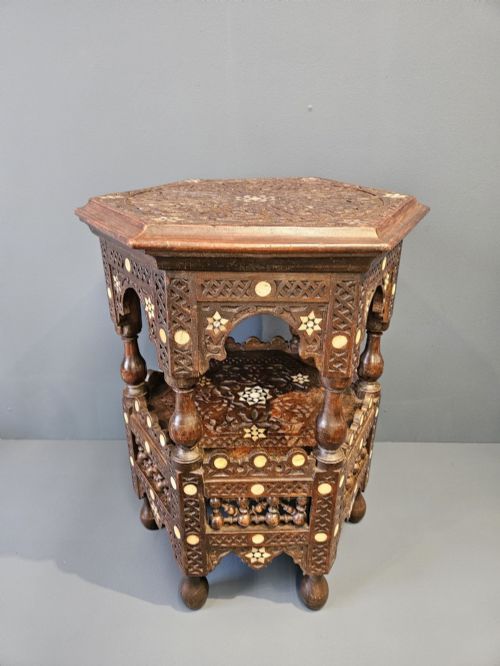
Contrasting materials provide visual detail across these pieces, utilising inlaid brass wire, sheet brass, and carved bone or bone inlay set flush into the timber surface. Some variants incorporate copper tops or painted wooden elements to highlight specific animal sculptures or architectural motifs.
Several examples feature hand-painted wooden tusks fitted to carved wooden elephants.
Assessing Craftsmanship
Quality depends heavily on the crispness and depth of the woodcarving, distinguishing sharp, undercut foliage from shallow, hurried incisions. Finer examples display meticulous symmetry in complex geometric patterns and tightly fitted joints that remain stable without excessive modern reinforcement.
The precision of the inlay work separates standard production from superior pieces, particularly where bone, brass, or mother-of-pearl sits flush within the hardwood ground. Well-preserved original surfaces and rich patination on timbers like rosewood and teak indicate careful custodianship over the decades.
Liberty and Co
The Indian Carved Plant Stand Glossary
- Hoshiarpur
- A town in Punjab renowned for intricate woodwork and inlay. Pieces from this centre typically feature dense bone and brass inlay on teak.
- Octagonal
- Having eight sides. This geometric table shape permits elaborate panel carving on every face.
- Torchere
- A tall stand or pedestal designed to support a lamp or decorative plant. These elevated pieces display turned columns or carved figural supports.
- Jaali
- Perforated stone or latticed screenwork translated into wood. This pierced carving technique creates light, open decorative panels on tables and stands.
- Padauk
- A heavy, durable reddish-brown tropical hardwood. Artisans utilised this timber for its rich colour and stability under deep carving.
Indian Carved Plant Stand: Frequently Asked Questions
What is an Indian carved plant stand?
An Indian carved plant stand is a decorative occasional piece, torchere, or small table featuring dense relief carving and regional ornamentation produced during the nineteenth and early twentieth centuries.
These items were largely made in workshops across the subcontinent for both local use and the British colonial market, utilising dense hardwoods decorated with floral motifs, animals, or geometric patterns.
How were these stands used historically?
Historically, these stands served to display potted plants, lamps, or decorative ornaments in Victorian and Edwardian drawing rooms and parlours.
Many examples were designed with folding bases or compact dimensions, allowing them to be moved easily for tea service or repositioned around domestic interiors as occasional furniture.
How do I care for carved wood and inlay?
Care for these pieces involves dusting regularly with a soft, dry cloth and avoiding placement near direct heat sources or strong sunlight.
Moisture and sudden temperature changes can cause timber to shrink and delicate bone or brass inlay to loosen from its recessed channel.
How can I tell the age of a stand?
Dating relies on observing construction methods, timber species, tool marks, and stylistic indicators associated with periods like the late Victorian era or the 1920s.
Examining the underside, joinery, and the wear patterns on the wood helps distinguish nineteenth-century production from later twentieth-century interpretations.