
Vintage Carved Sideboard
A vintage carved sideboard brings heavy timber and elaborate joinery into a dining room, offering substantial storage alongside dense ornamentation.
Vintage Carved Sideboard
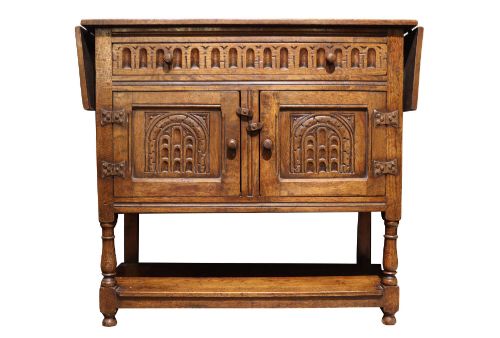
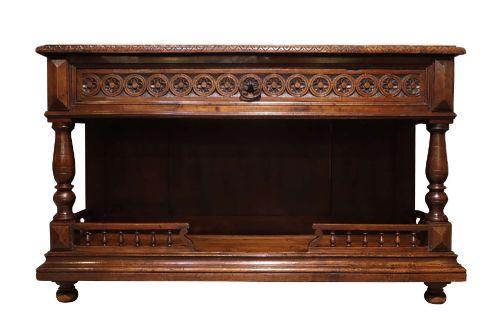
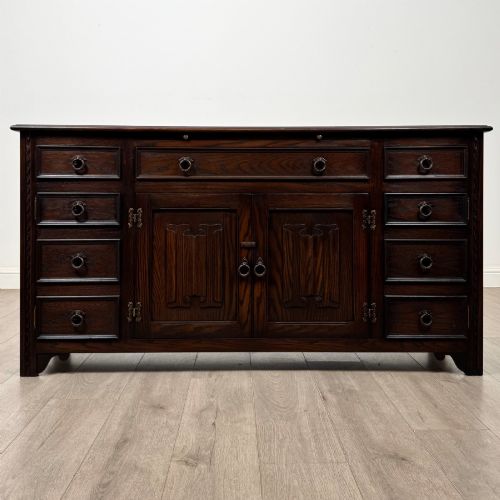
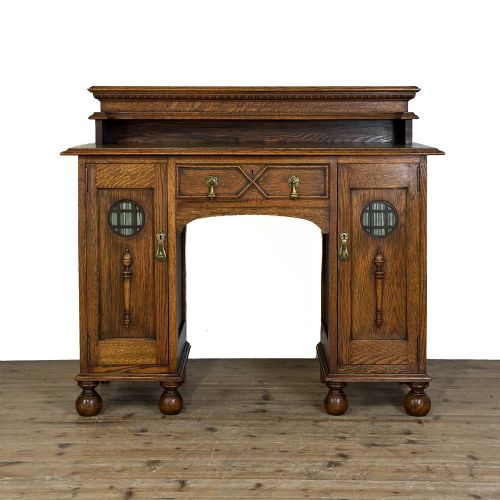
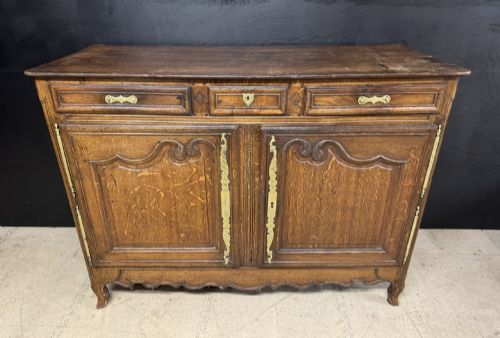
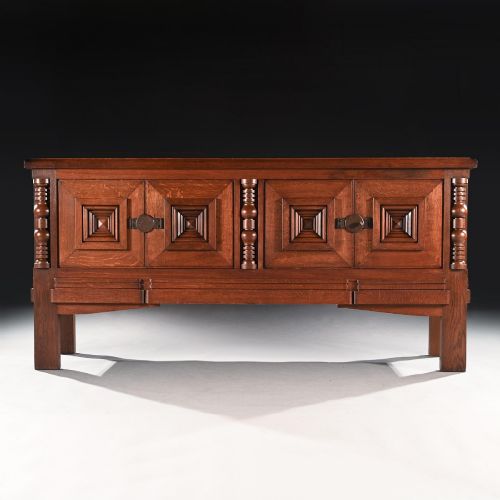
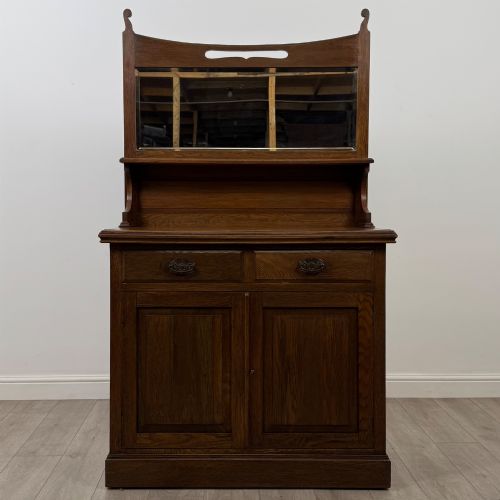
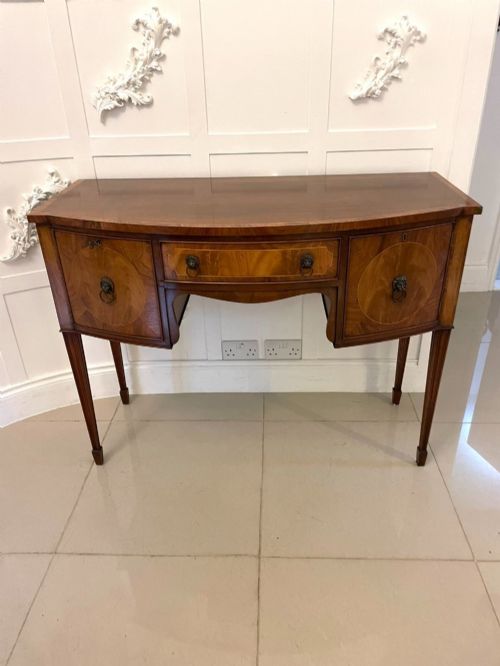
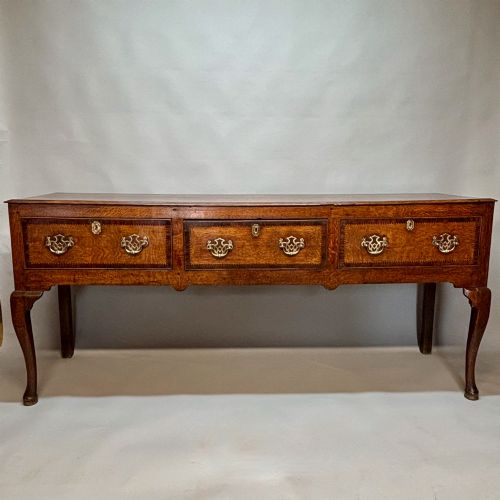
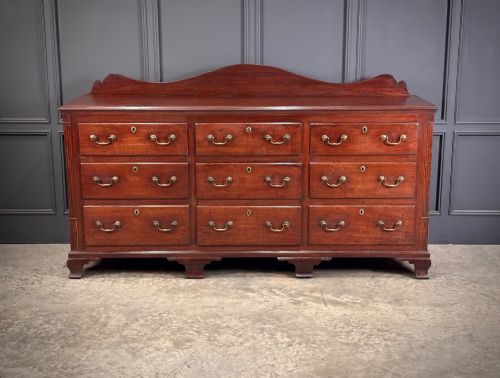
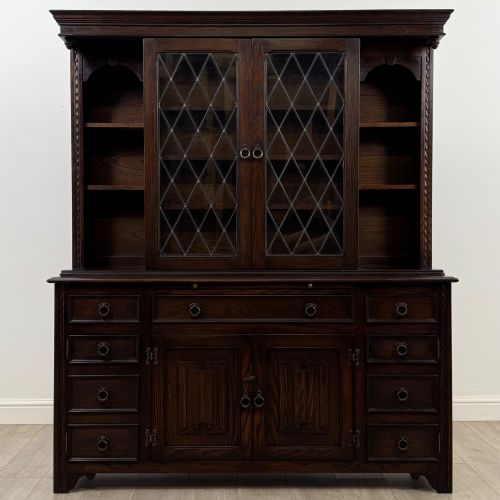
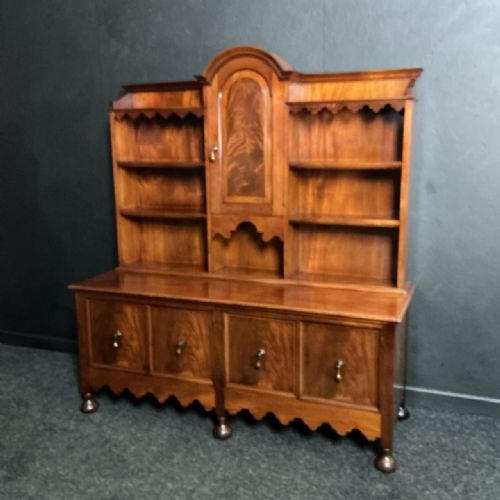
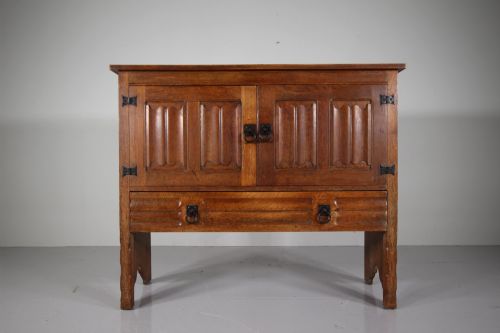
A vintage carved sideboard spans heavy dining room storage pieces originating from periods including the Victorian era, the Edwardian years, and the nineteenth century. The selection leans heavily toward Edwardian examples executed in oak, alongside nineteenth-century dressers and mahogany servers.
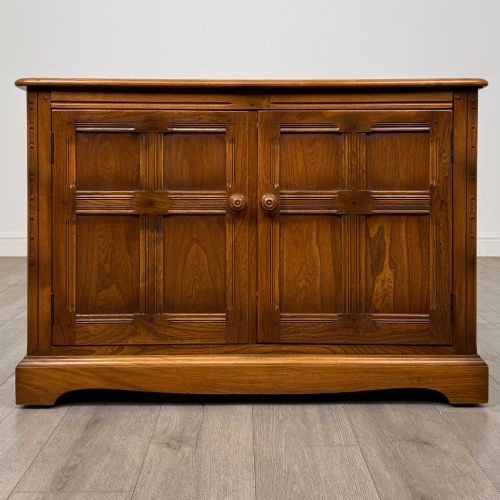
Forms range from low cupboard bases and court cupboards to tall Welsh dressers featuring glazed upper bookcases. Buyers encounter revivalist aesthetics, notably Jacobean, Tudor, Gothic, and Queen Anne styles, which dictate the character of the relief work.
The primary function remains tableware storage and display, manifest in combinations of deep drawers, shelved cupboards, and mirror backs. Pieces scale from compact side cabinets to large, impressive servers intended for substantial rooms.
Factors of distinction
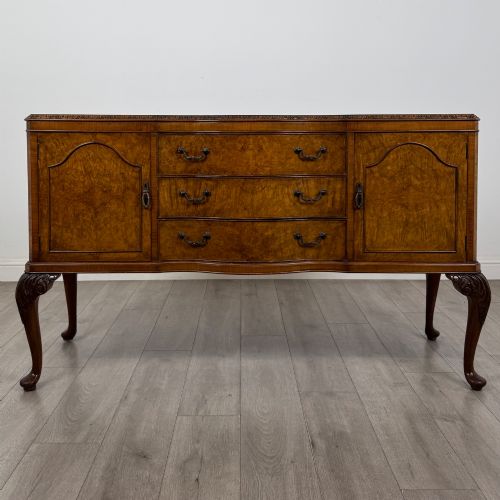
Quality rests upon the depth and crispness of the hand-carving, separating mechanical mass-produced decoration from skilled sculptural execution. The selection of timber grain, particularly figured mahogany and burr walnut, determines the visual impact of the primary surfaces.
Structural integrity depends on the weight of the timber and the retention of original brass handles and hinges. Pieces demonstrating harmonious proportions across larger forms command greater appreciation among collectors.
One unexpected Edwardian oak sideboard hides a complete twelve-piece cutlery set inside its velvet-lined compartments.
The Vintage Carved Sideboard Glossary
- Serpentine
- A furniture front characterised by a curving line, flowing convex in the centre and concave at the sides. This shape requires considerable woodworking skill to construct.
- Court cupboard
- A heavy enclosed wooden sideboard with a recessed upper tier supported by pillars. These pieces date back centuries but appear in later revival forms.
- Chiffonier
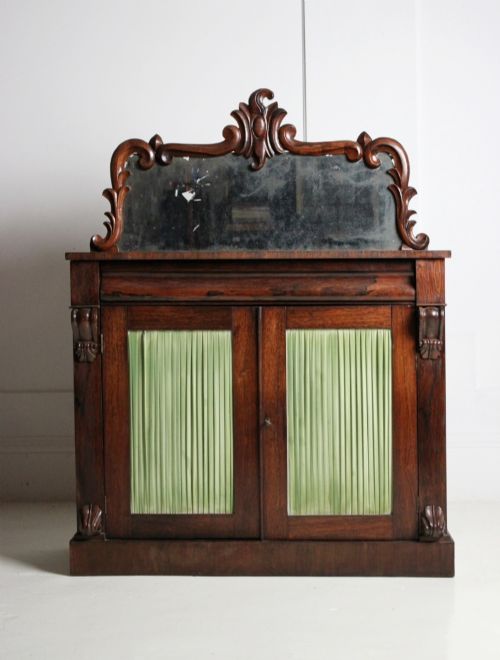
- A compact sideboard featuring enclosed cupboards below, often accompanied by a small shelf or mirror superstructure above. It serves smaller dining spaces.
- Linenfold
- A style of carved wooden panelling that resembles folded vertical sheets of linen. It appears frequently on revival oak cupboards.
- Barley twist
- A turned column or leg resembling a rope wound in a spiral. This decorative turning is common on Edwardian oak furniture.
Vintage Carved Sideboard: Frequently Asked Questions
How do I clean a carved oak sideboard?
Dust regularly with a dry, soft cloth to prevent particles from settling deep within the carved recesses. Apply a traditional beeswax sparingly to nourish the timber without building up a sticky residue.
Avoid modern liquid polishes containing silicone, as these penetrate the grain and alter the natural finish of the wood over time.
What is the difference between a sideboard and a dresser?
A sideboard consists primarily of a low cabinet with cupboards and drawers designed for serving food and storing cutlery. It focuses on surface area and enclosed storage.
A dresser includes an upper section of open shelves or a glazed cabinet intended for displaying ceramic plates and glassware above a lower base.
Can I fit a large sideboard in a modern dining room?
Measure both the floor space and the ceiling height carefully, as these pieces possess considerable physical weight and visual mass. Ensure doorways and stairwells offer sufficient clearance for delivery.
Allow enough room around the piece for drawers and cupboard doors to open fully without striking adjacent chairs or walls.
How do I identify a revival style piece?
Examine the timber colour, tool marks, and interior construction details to establish the manufacturing era. Revival pieces from the Edwardian period often combine older decorative motifs like linenfold with modern mechanical hinge placements.
Look at the secondary woods inside drawers, which typically reveal nineteenth- or twentieth-century milling techniques rather than sixteenth-century hand- cleft methods.