
Vintage Caned Seating
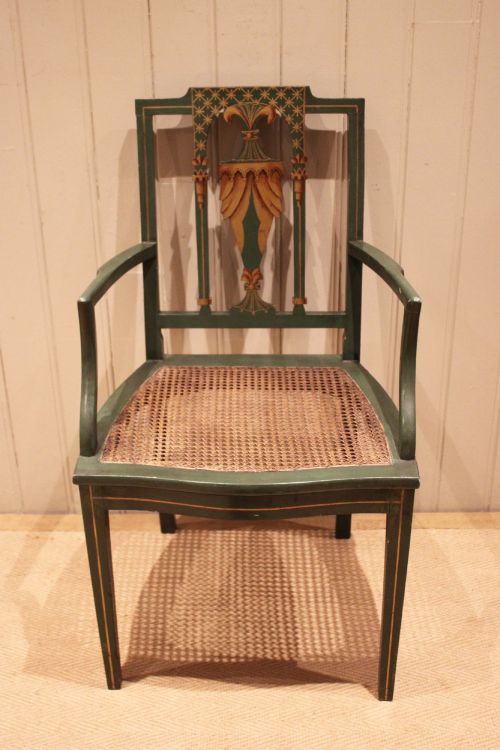
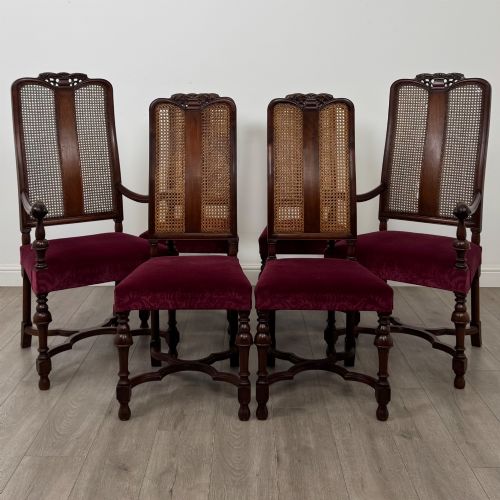
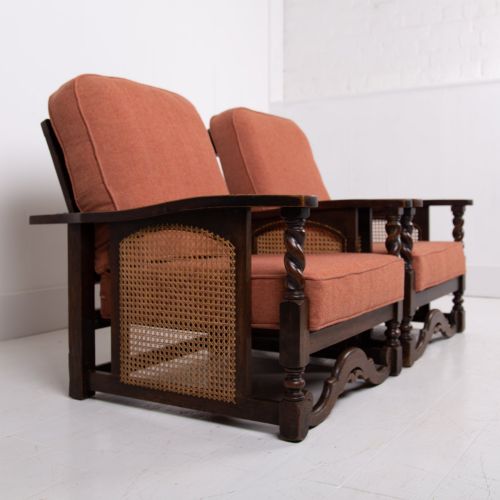
These vintage caned seating pieces bring woven texture and sturdy wooden frames into domestic spaces.
Vintage Caned Seating
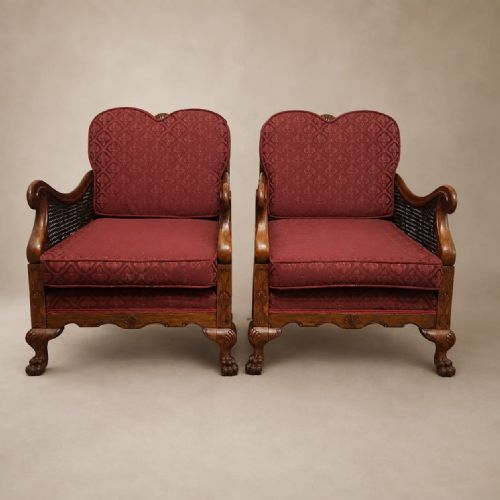
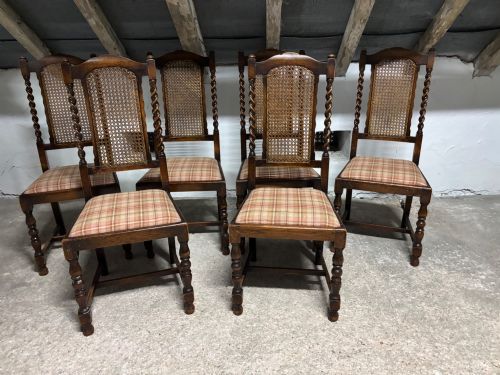
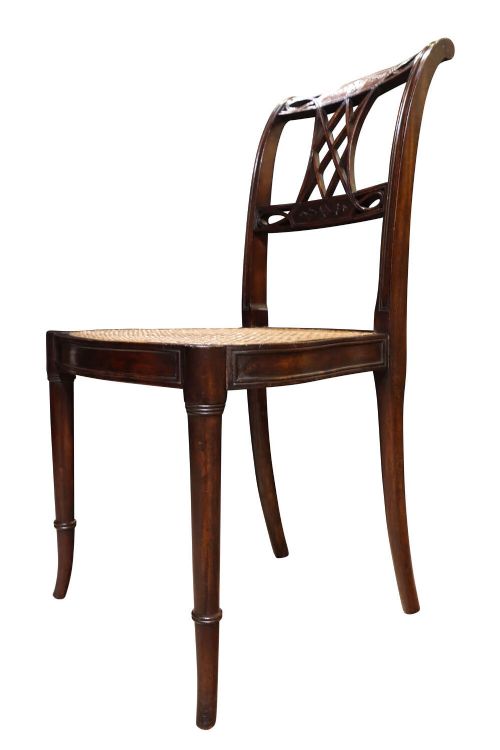
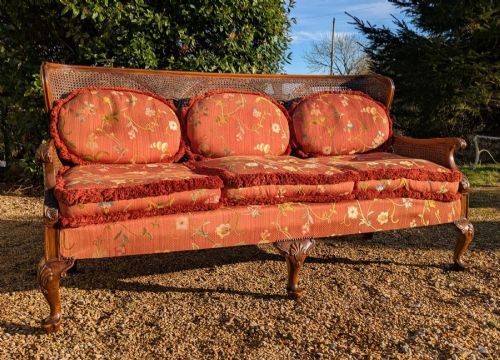
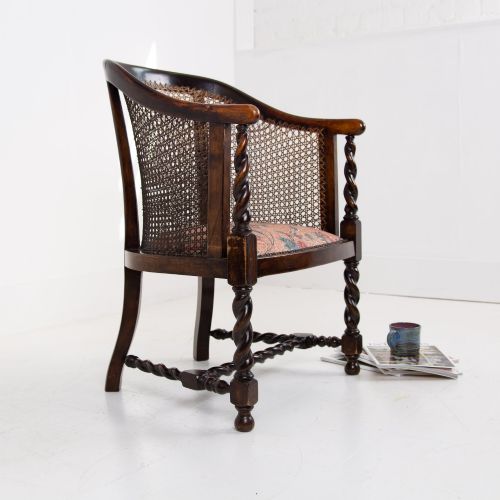
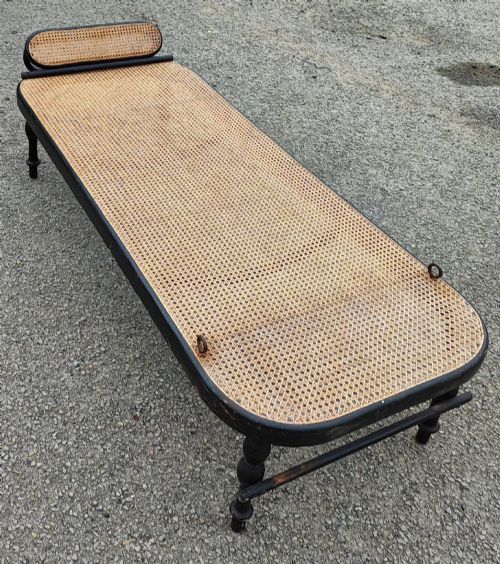
Vintage caned seating encompasses chairs, sofas, daybeds and stools that feature woven cane or rattan panels integrated into wooden frames. When searching for vintage caned seating, buyers encounter dining chairs, armchairs, bergères and suites spanning the nineteenth century through the early twentieth century.
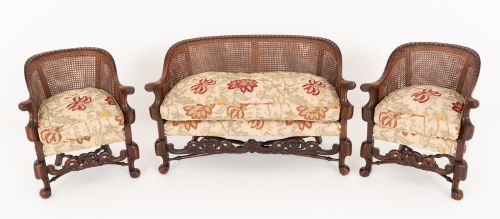
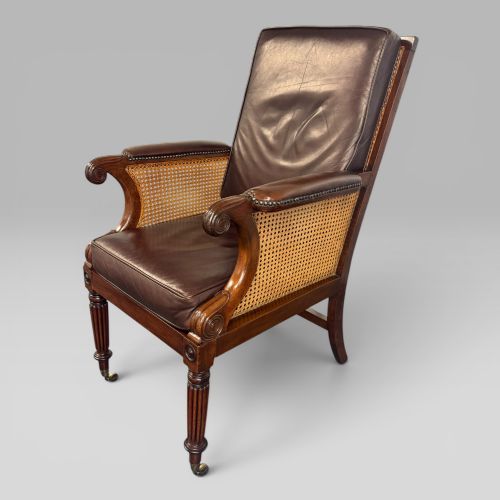
The selection ranges from Regency mahogany library armchairs and Edwardian bedroom chairs to Arts and Crafts wicker pieces and Jacobean revival styles. Oak, walnut, mahogany and beech provide the structural support for the woven elements across these various historical periods.
How they were made
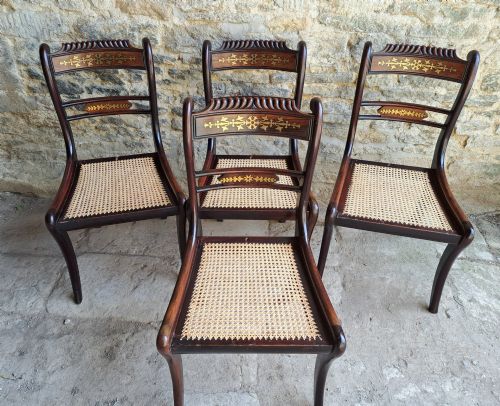
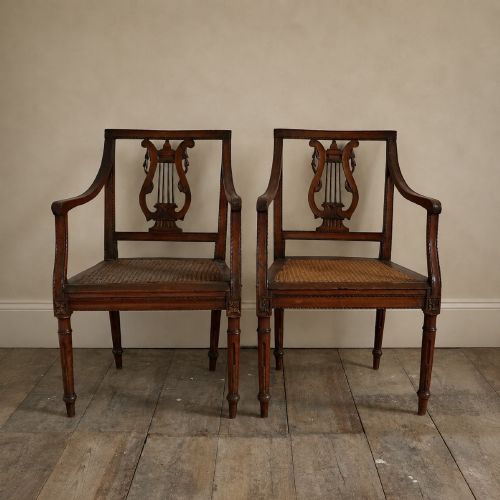
Craftsmen built the structural frames using hardwoods such as mahogany, oak, walnut and satinwood, often employing turning, carving or brass inlay. Frames were joined using traditional woodworking techniques to ensure rigidity before the seating panels were added.
Woven sections utilise natural cane and rattan threaded through drilled holes or channeled frames by hand. Additional materials like leather, fabric and loose feather cushions appear on upholstered bergères and armchairs.
Listings feature oak, walnut, mahogany and satinwood frames paired with traditional hand-woven cane and rattan seating.
What varies in quality
The standard of timber selection and cabinetmaking dictates the underlying integrity of each piece, distinguishing solid mahogany or walnut frames from simpler turned beech. Carving depth, joinery precision and timber figure separate standard production items from finer workshop output.
The tightness, regularity and material grade of the woven cane or rattan panels affect longevity and visual refinement. Original surfaces, polish retention and the preservation of carved details influence the overall character of the piece.
Dryad And Co·Waring And Gillow·Thonet
The Vintage Caned Seating Glossary
- Bergère
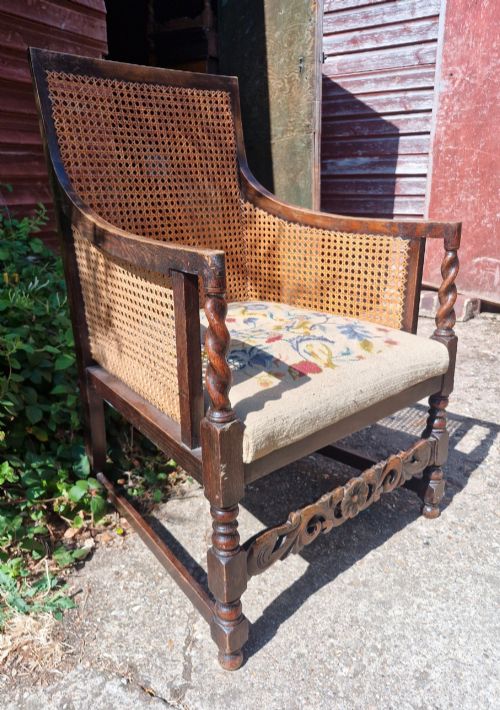
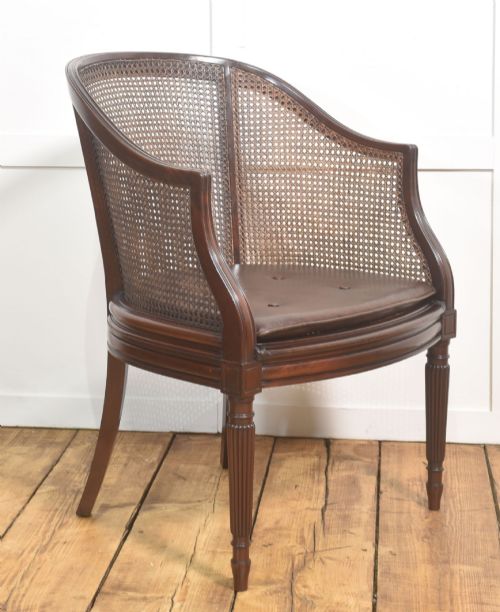
- An enclosed upholstered armchair with a wooden frame where the sides and back incorporate woven cane panels. These typically feature loose seat cushions for added comfort.
- Cane
- Strips of material derived from the outer bark of the rattan palm, used in traditional weaving patterns for seats and backs. It provides flexibility and tensile strength.
- Rattan
- A climbing palm species whose stems are processed for wicker furniture and structural framing. It offers durability and pliability for curved designs.
- Sabre leg
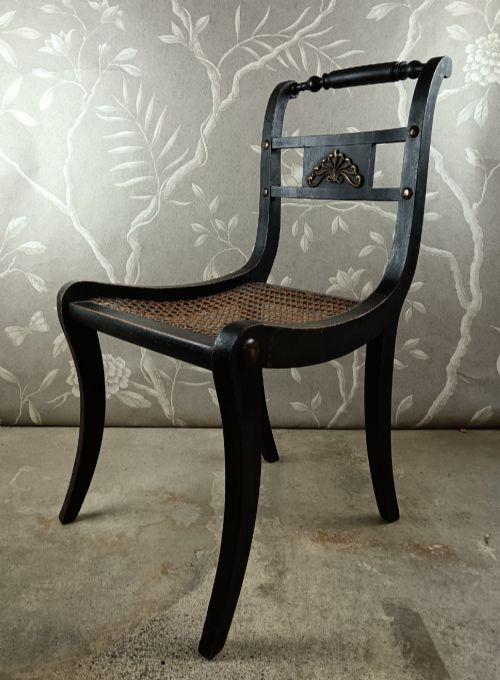
- A concave sweeping leg form tapering towards the foot, commonly found on Regency dining and side chairs. This profile derives from ancient Greek furniture designs.
- Tub armchair
- A chair with a rounded, continuous back and armrest structure forming a deep seating enclosure. Examples frequently incorporate cane panels around the curved back.
Vintage Caned Seating: Frequently Asked Questions
How do I care for vintage cane seats?
Keep woven panels hydrated by wiping them occasionally with a damp cloth to prevent the natural material from becoming brittle. Avoid placing these pieces in direct sunlight or beside strong heat sources.
Support the woven areas with suitable cushions if the seating is used heavily. Proper weight distribution prevents undue stress on the historical webbing.
Can broken cane panels be repaired?
Traditional hand-woven cane can be completely replaced by a restorer using matching materials threaded through the existing frame holes. Skilled artisans weave new strands to match historical patterns.
Working with an experienced restorer preserves the original wooden framework while restoring the structural integrity of the seat or back.
What is a bergere chair?
A bergère is a French-style armchair featuring solid wooden framing and enclosed sides filled with woven cane. These seats often include upholstered cushions for the seat base.
Originating in various historical revivals, they provide deep, comfortable seating while maintaining a lighter visual presence than fully upholstered armchairs.
How do I date a caned chair?
Examine the timber species, joinery methods, tool marks and stylistic details such as sabre legs or carved motifs. Regency pieces often display classical lines and mahogany, while Edwardian examples favour inlaid mahogany and lighter frames.
Comparing construction traits against established period styles helps narrow down the decade of manufacture. Hardware and upholstery remnants also offer clues to the production era.