




Carved Beech Armchair
A carved beech armchair brings robust timber and fluid carving together, offering a sturdy yet graceful seat rooted in centuries of craftsmanship.
Carved Beech Armchair
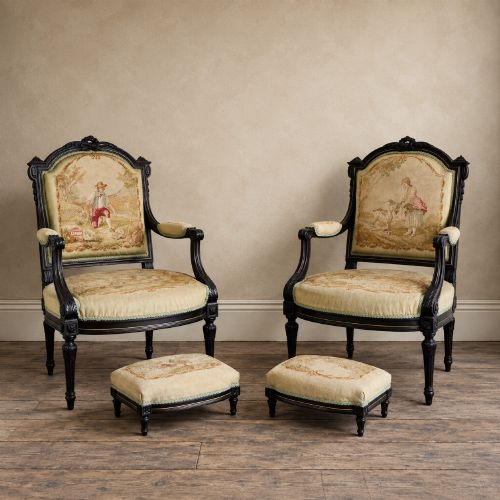
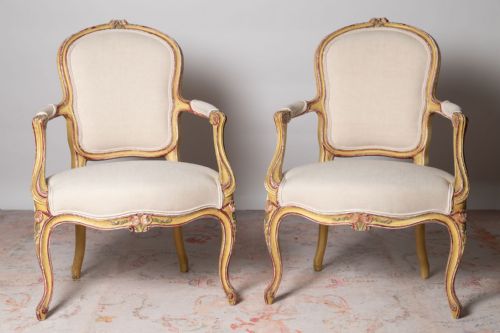
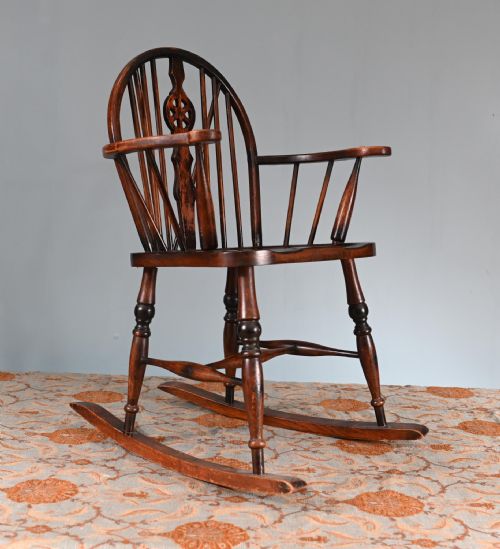
A carved beech armchair bridges the gap between robust vernacular seating and formal continental design, drawing on periods from the eighteenth century through to the Edwardian era. These chairs emerge in various forms, from rustic Windsor and smoker's bow designs to refined Louis XV and XVI revival salon chairs.
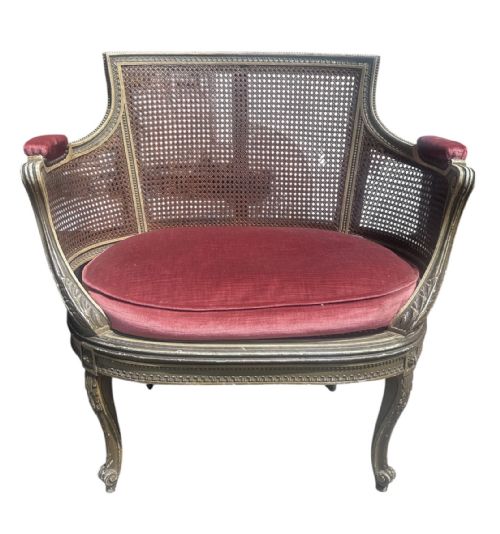
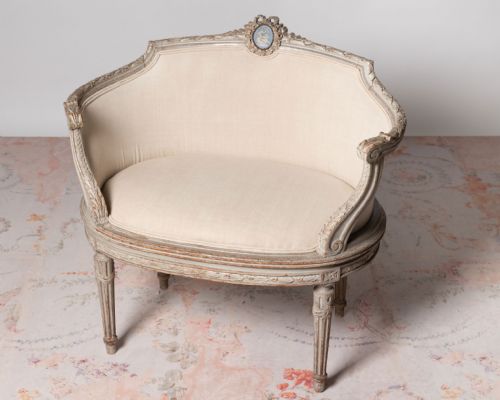
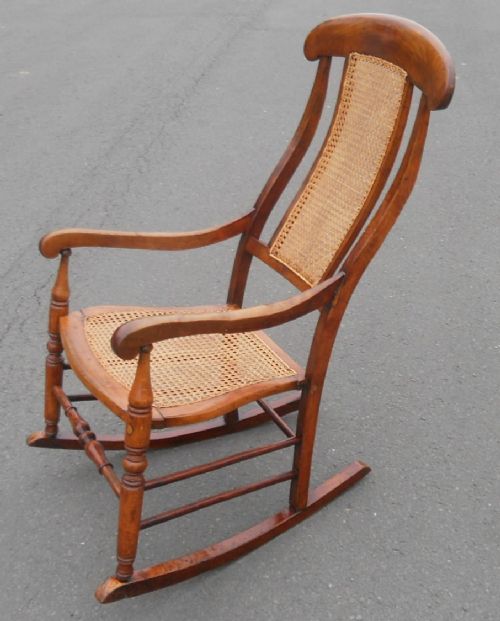
Visitors to this selection will most frequently encounter nineteenth-century French revival pieces and English country variants. These items range from open armchairs and bergere tub chairs to rocking chairs upholstered in linen, tapestry fabric, or fitted with rattan cane.
Materials and construction
The primary structural timber is beech, selected for its dense grain and responsiveness to detailed carving, often paired with elm or oak in vernacular Windsor framework. Surfaces receive varied treatments, appearing in their natural grain, ebonised, or finished with paint.
Seating areas utilise traditional webbed upholstery covered in linen and tapestry fabric, alongside woven cane and rattan. Joinery combines pegged tenons with steam-bent components, particularly in the construction of bow backs and circular Windsor seats.
The listings combine formal continental revival styles with robust English country vernacular forms.
Judgments of quality
Quality rests upon the crispness of the timber carving and the integrity of the frame construction. Superior examples display deeply chiselled foliage and scrolls that retain sharp profiles rather than softened edges from wear or over-finishing.
The harmony between the beech frame and secondary timbers such as elm determines structural longevity. Chairs retaining original surface treatments, whether ebonised finishes or early paint, hold greater integrity than those stripped down or heavily reworked.
Liberty of London
The Carved Beech Armchair Glossary
- Bergere
- An enclosed upholstered armchair with exposed wooden framing and cane or upholstered sides. This French form provides a deep, comfortable seat.
- Cane
- Woven material split from rattan palms, utilised for flexible and breathable seat panels or backrests. It requires careful tensioning during manufacture.
- Ebonised
- Timber treated with a dark stain or finish to imitate ebony. This technique was popular in nineteenth-century revival furniture.
- Windsor
- A traditional wooden chair style featuring spindles inserted into a solid shaped seat. Regional variants include stick backs and wheelbacks.
Carved Beech Armchair: Frequently Asked Questions
What periods do these armchairs cover?
The pieces span from the eighteenth century through the Victorian and Edwardian eras up to the nineteen-thirties. You will find eighteenth-century French forms alongside nineteenth-century revival pieces.
Later examples include Arts and Crafts designs and early twentieth-century rocking chairs. Each era brings distinct stylistic flourishes to the carved beech framework.
How do I care for cane seats?
Cane requires moderate humidity to prevent the natural fibres from becoming brittle and snapping. Avoid placing these chairs near direct heat sources or radiators.
Cleaning should involve only a damp cloth to remove dust from the woven interstices. Excess moisture can weaken the organic material over time.
Are these chairs suitable for daily use?
Most of these seating options are robust enough for everyday placement when the joints remain sound. Robust timbers like beech and elm provide a strong structural core for regular sitting.
Heavily carved salon chairs with delicate frames benefit from lighter use. Checking the stability of the legs and arm joints ensures safe daily deployment.
How do I distinguish French revival from English country styles?
French revival pieces typically showcase scrolled cabriole legs, carved floral motifs, and upholstered or caned bergere panels. These reflect courtly eighteenth-century aesthetic influences.
English country styles lean towards Windsor frameworks, turned spindle supports, and solid elm or beech saddles. They prioritise robust utility and vernacular simplicity over ornamental carving.