

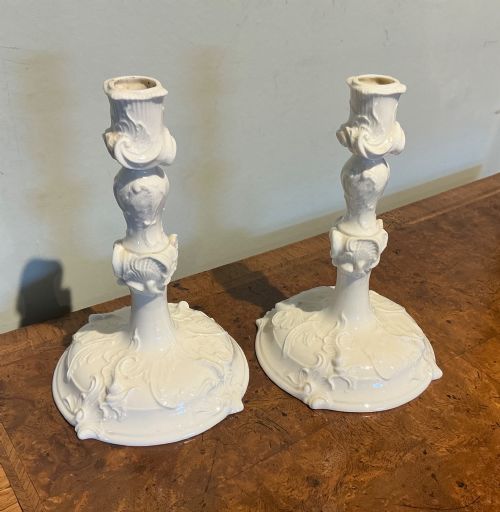
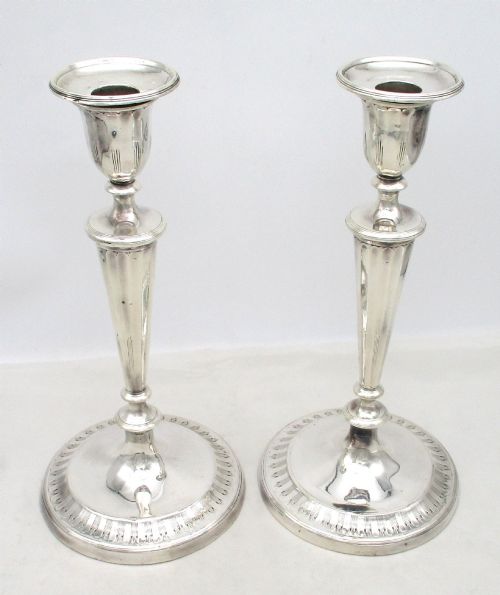
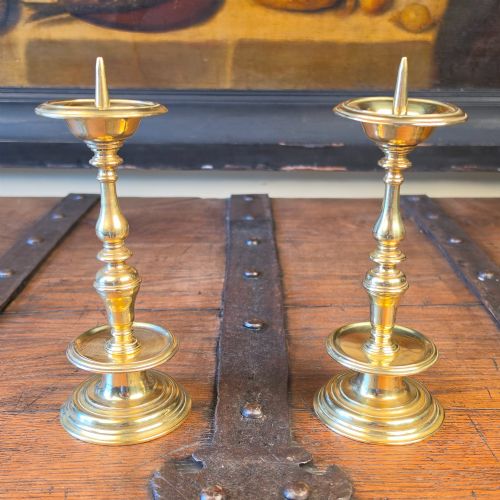
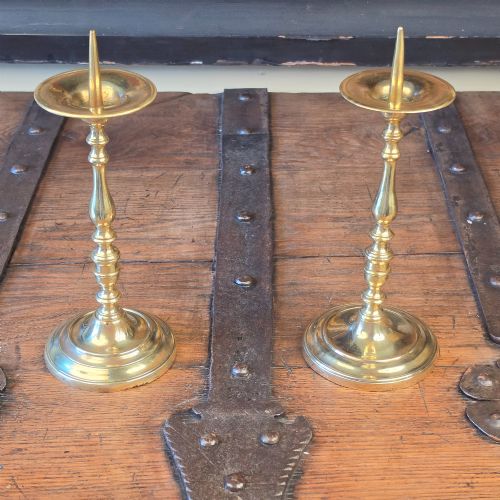
Vintage Candle Stand Pair
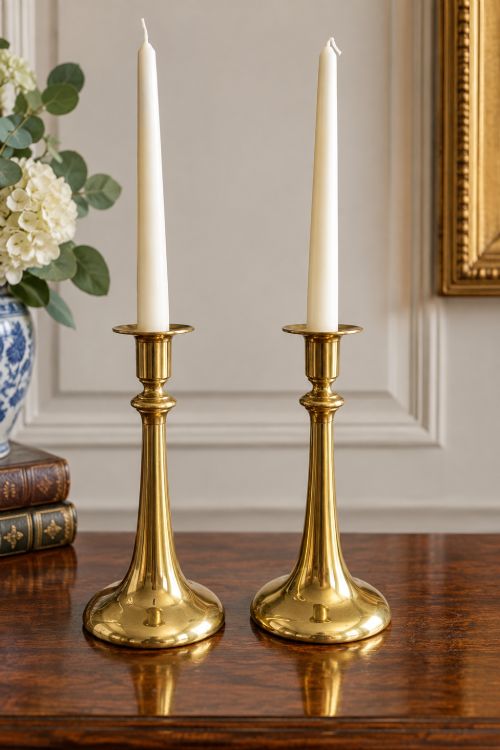
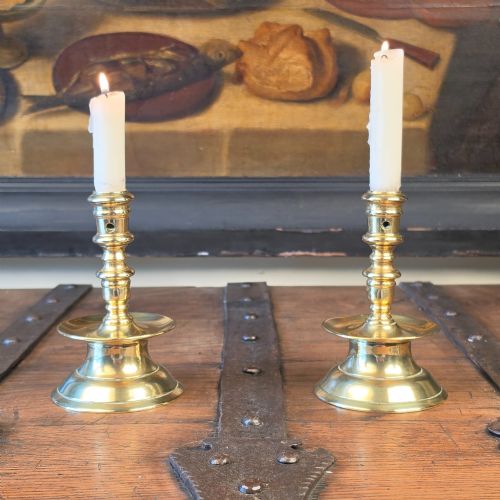
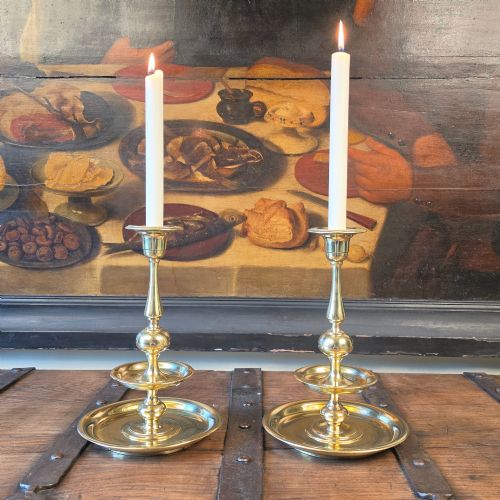
A vintage candle stand pair brings balanced illumination and period character to a room, offering matched design through paired lighting.
Vintage Candle Stand Pair
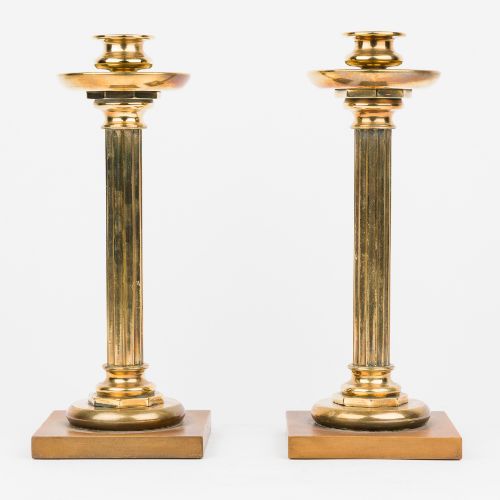
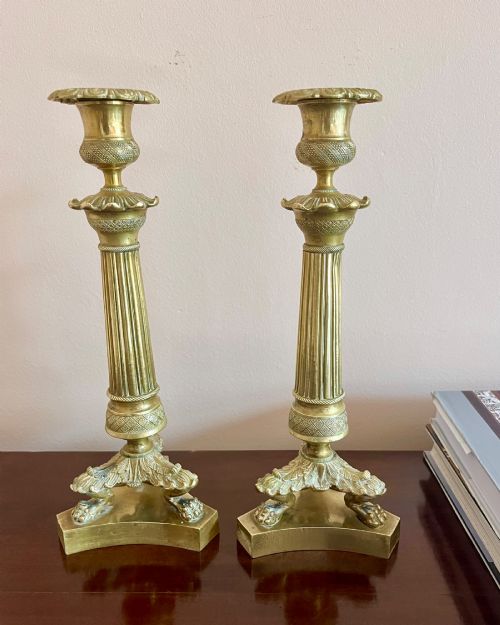
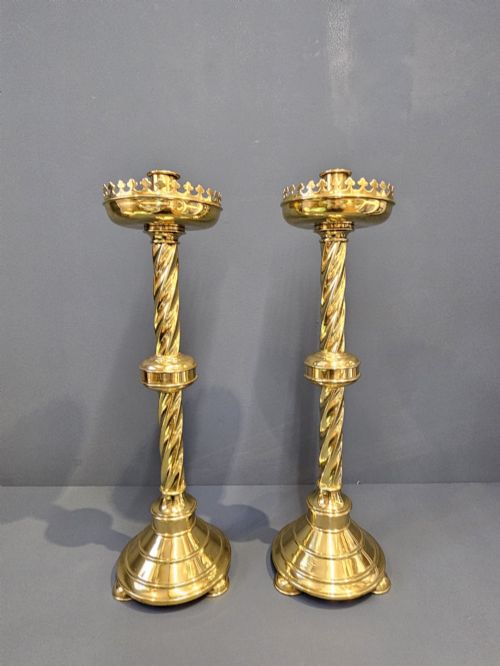
A vintage candle stand pair encompasses paired lighting fixtures and supporting stands designed to hold candles securely while providing decorative symmetry.
The selections on this page span from the nineteenth century into the twentieth century, reflecting Victorian, Edwardian, and Art Deco aesthetic movements.
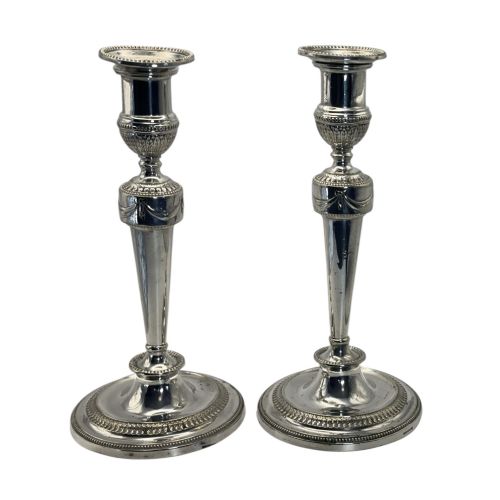
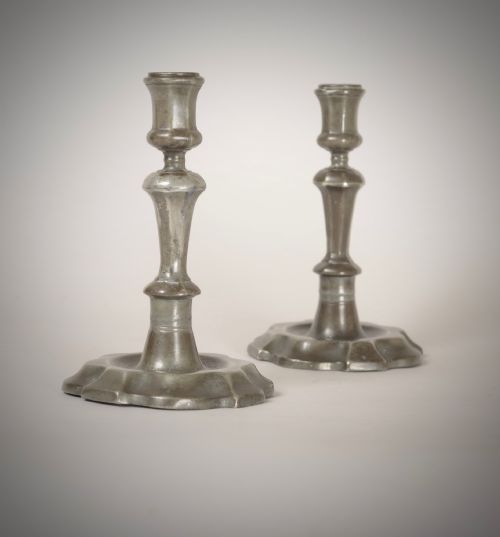
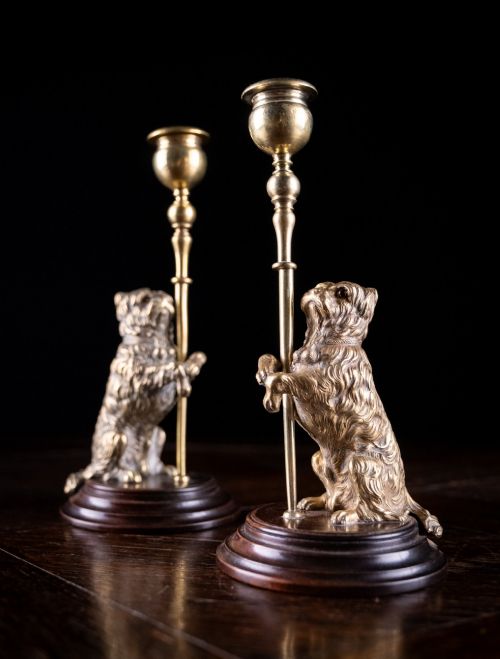
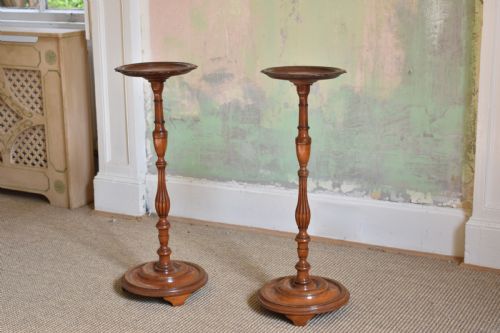
Most examples take the form of traditional candlesticks and candelabra alongside tall torcheres and pedestals executed in brass, silver plate, and various woods.
Assessing craftsmanship
Quality rests in the crispness of the casting detail and the integrity of the joins, separating mass-produced items from finely chased or hand-finished pieces.
Heavier gauge metals and genuine wood inlays indicate superior manufacture compared to lighter plated alternatives or surface-only ornamentation.
Purity of style execution, whether adhering to Neoclassical, Arts and Crafts, or Gothic Revival canons, defines the visual success of each pair.
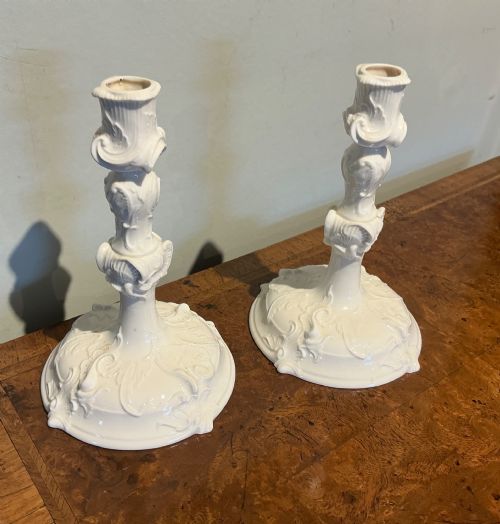
Listings feature metals spanning brass, gilt bronze, sterling silver, and pewter alongside various timber species.
Mappin and Webb·Nymphenburg
The Vintage Candle Stand Pair Glossary
- Torchiere
- A tall ornamental stand designed to support a light fixture or candle holder. These pieces elevate illumination sources to eye level in a room.
- Ejector
- A built-in internal mechanism found in certain brass candlesticks that pushes the candle stub upward for easy removal. This practical addition simplifies maintenance.
- Pricket
- A sharp metal spike atop a candlestick designed to impale and secure a candle. This form often appears in church or ecclesiastical lighting.
- Ormolu
- Finely ground high-carat gold applied to a bronze base using a mercury-gilding process. The method produces a rich golden lustre characteristic of decorative metalwork.
- Champleve
- An enamelling technique where troughs are dug into a metal surface and filled with vitreous enamel before firing. It creates vibrant patterns alongside exposed metal.
Vintage Candle Stand Pair: Frequently Asked Questions
How do I date a brass candlestick?
Dating relies on manufacturing techniques such as seaming marks, base construction, and stylistic cues from periods like the Georgian era or Victorian times.
Examining the underside and any maker marks helps narrow the decade of production.
Were these pairs meant for dining tables?
While many candlesticks and candelabra served dining rooms, taller torcheres and pedestals functioned as independent floor-standing accents in hallways and parlours.
Placement depended entirely on the scale of the object and the specific lighting needs of the interior.
How do I maintain silver plated candlesticks?
Regular dusting with a soft cloth prevents tarnish build-up without abrasive cleaning.
Polishing requires gentle agents formulated specifically for silver plate to preserve the underlying metal layer.
What is the difference between a candlestick and a candelabra?
A candlestick holds a single candle upright on a central shaft.
A candelabra branches out into multiple arms to support several candles simultaneously from one base.