



Vintage Bronze Style Figure
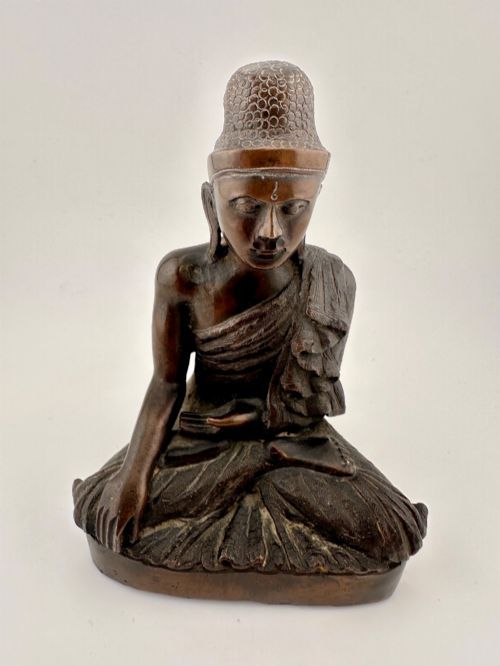
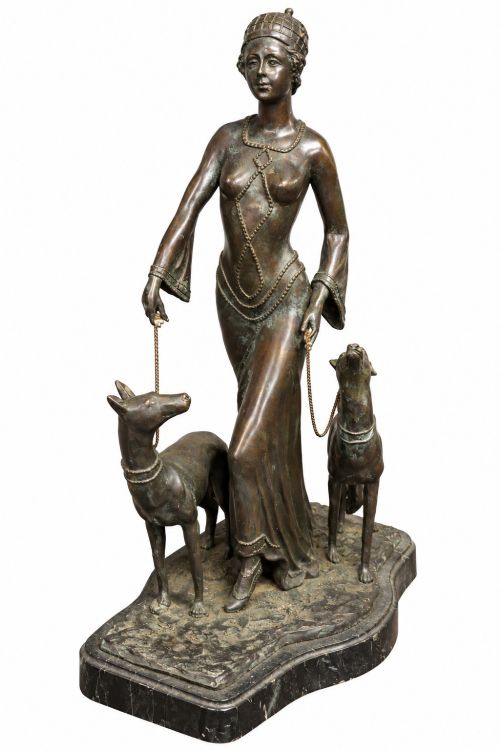
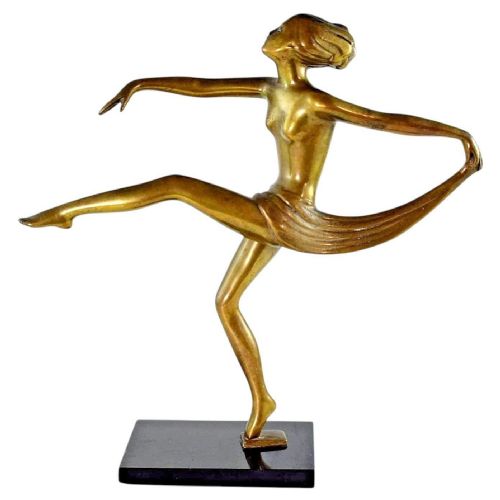
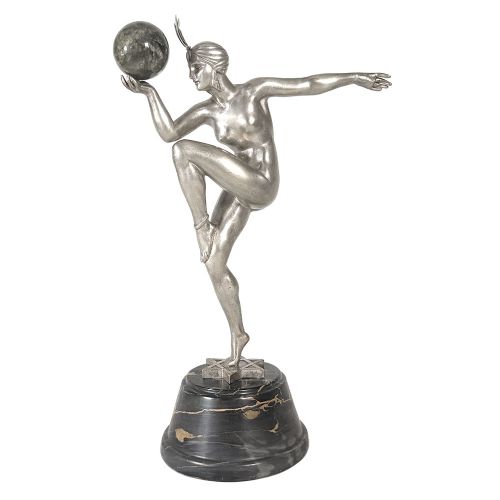
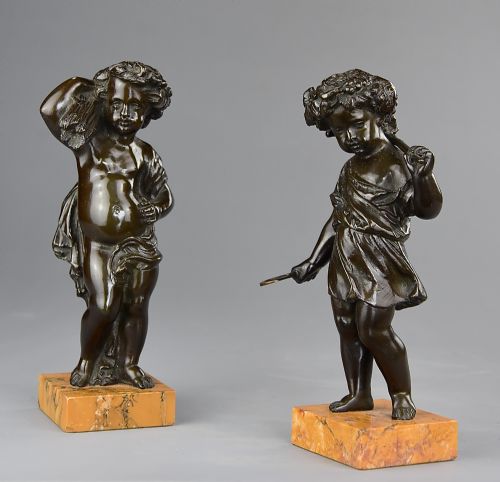
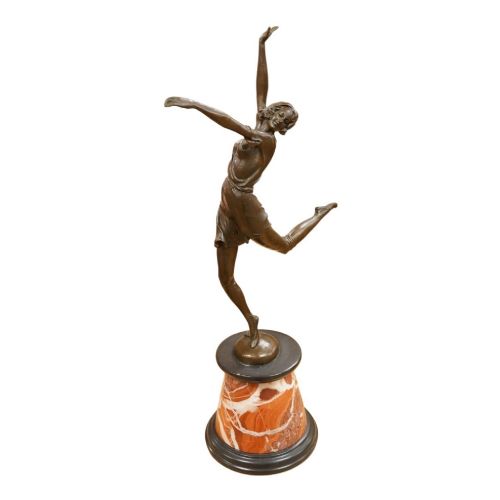
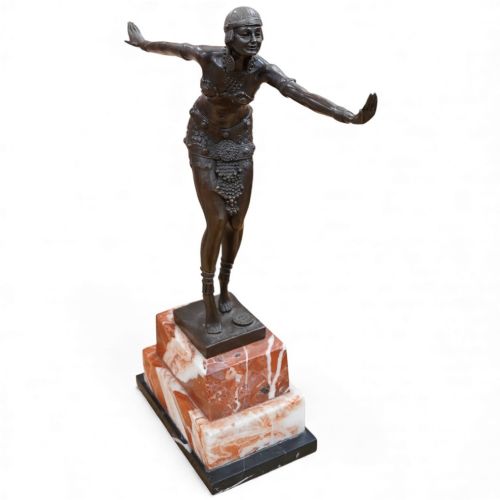
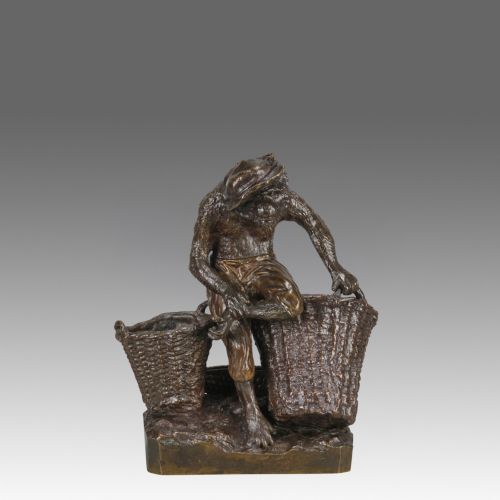
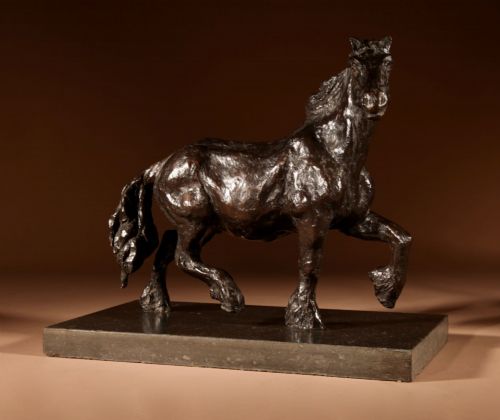
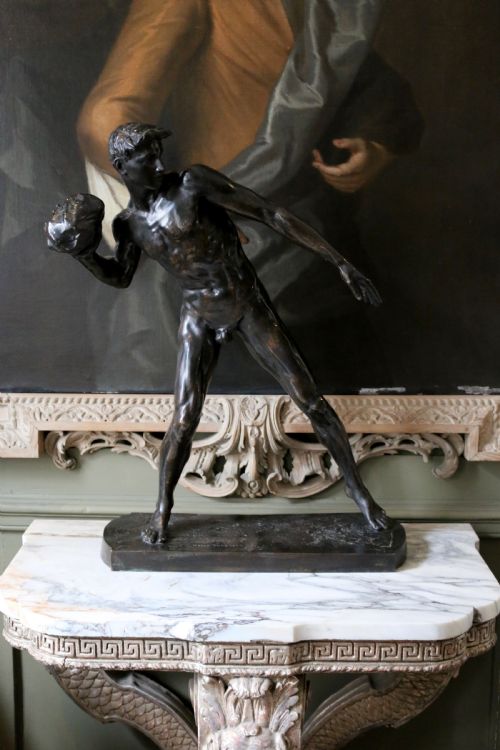
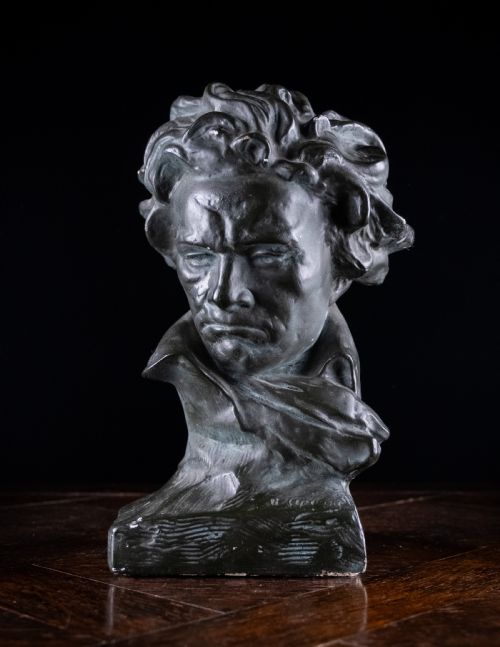
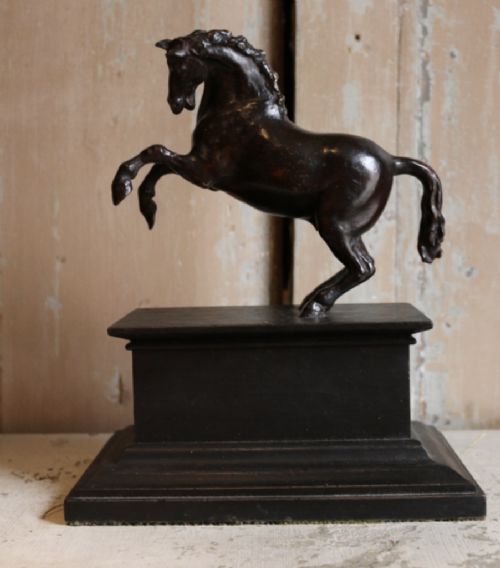
When you search for a vintage bronze style figure, you find sculptural works spanning animalier subjects, classical busts, and Art Deco dancers cast in metal, bronze, and spelter.
Vintage Bronze Style Figure
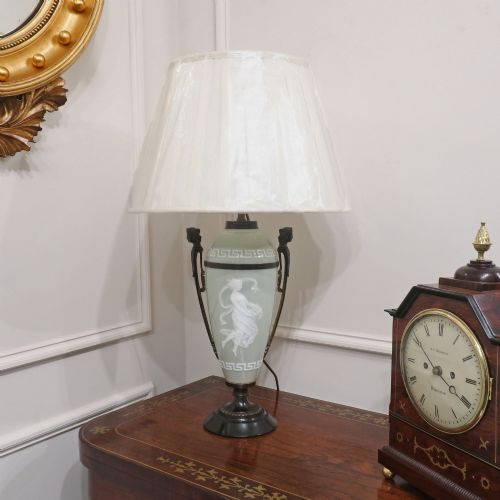
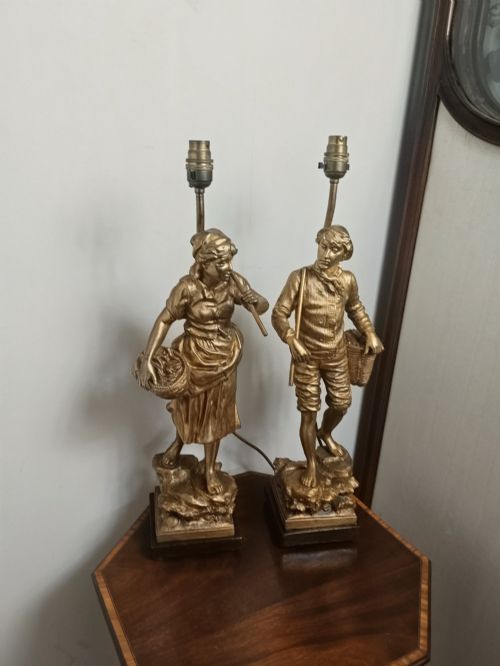
A vintage bronze style figure encompasses a diverse array of sculptural objects, ranging from heavy metal casts to lighter alloy figures mounted on stone bases. When exploring this selection, buyers encounter everything from animalier groups and classical portrait busts to decorative table lamps and figurative dancers.
The offerings span multiple periods, drawing heavily on nineteenth-century academic traditions as well as twentieth-century Art Deco aesthetics. Many pieces incorporate functional elements, doubling as candlesticks, mantel clocks, or lighting fixtures while retaining their sculptural form.
How they were made
Makers utilised traditional casting methods for metal pieces, working primarily with bronze, brass, gilt metal, and spelter to achieve varied patination and surface detail. Many figures are paired with supportive mounts or plinths fashioned from marble and onyx.
Other works combine metal casting with applied paint, cold-painted finishes, or enamel work, while alternative mediums such as terracotta, plaster, and porcelain appear across specific portrait busts and decorative lamp bodies.
Vintage Bronze Style Figure Retail Price Guide 2026
Typical asking prices for vintage bronze style figure among the pieces listed under this phrase on Sellingantiques today, from the lower quarter to the upper quarter. They describe what is for sale here now, not the wider market.
Among the metal horses and classical emperors, a tiny cold-painted bronze mouse quietly holds its ground.
What varies in quality
Material composition also dictates the character of the object, as genuine bronze or heavy cold-painted metal carries a different weight and presence compared to lighter spelter or plaster alternatives. The integration of quality secondary materials, such as veined marble bases or detailed porcelain elements, elevates the overall execution.
Josef Lorenzl·Claude Michael Clodion·E Rousseau·Hamo Thornycroft·Christophe Fratin·Renee Sintenis·Charles Arthur Bourgeois·D.H. Chiparus·Vannetti·Japy Freres
The Vintage Bronze Style Figure Glossary
- Animalier
- A nineteenth-century artistic style focusing on the realistic depiction of animals, often shown in dynamic motion or natural poses.
- Spelter
- A zinc alloy commonly utilised as a less costly alternative to bronze for figurative castings, frequently given a bronze-like or painted finish.
- Cold painted
- A technique where metal figures are painted with cold enamel colours rather than being fired in a kiln.
- Patination
- The natural or artificial surface coloration developed on metal over time through age or chemical treatment.
- Grand Tour
- A traditional trip through Europe undertaken by upper-class scholars and collectors, inspiring miniature bronzes of classical antiquities.
Vintage Bronze Style Figure: Frequently Asked Questions
What materials are these figures made from?
These pieces utilise a range of metals including bronze, brass, gilt metal, and spelter, alongside supporting elements of marble, onyx, and wood.
Alternative mediums such as terracotta, painted plaster, and porcelain also appear across specific sculptural busts and lamp bodies.
How do I distinguish bronze from spelter?
Bronze is a heavier, more durable alloy that typically accepts deep patination and allows for sharper, finer details in the casting process.
Spelter is a softer zinc-based metal that feels lighter and often shows painted or bronze-toned surface finishes rather than natural oxidation.
How were these figures used originally?
Many served purely as decorative sculptures, mantel ornaments, or cabinet figures intended to display classical or modern taste.
Others were adapted for practical interior use, functioning as table lamps, wall light brackets, candlesticks, or clock housings.
What is an animalier figure?
An animalier figure is a sculpture dedicated to the realistic and often dramatic portrayal of wild or domestic animals.
These works gained popularity in the nineteenth century, capturing creatures in motion or interacting with their environment.