




Art Deco Female Nude
When you search for an art deco female nude, you meet the stylised elegance and kinetic energy characteristic of interwar European sculpture and design.
Art Deco Female Nude
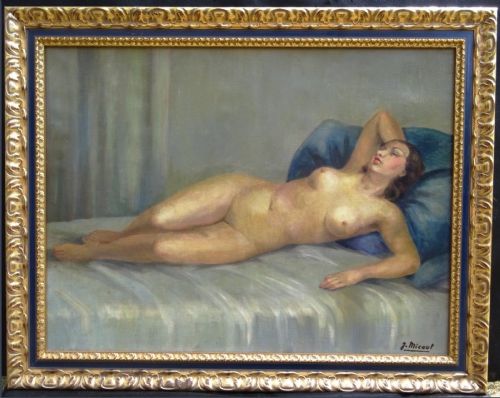
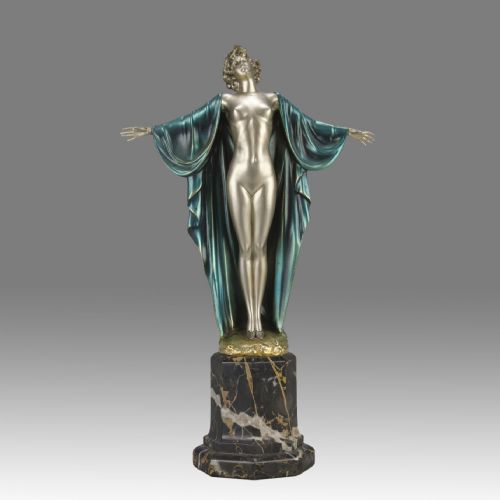
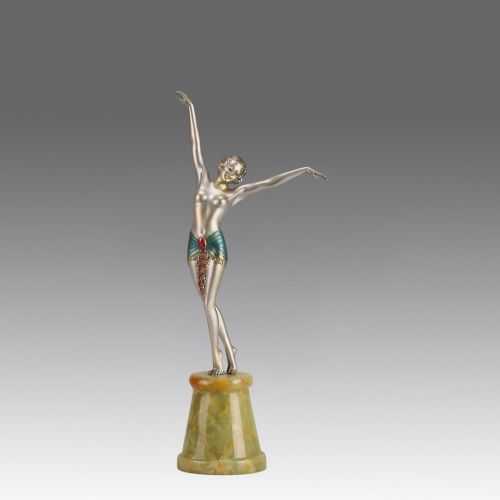
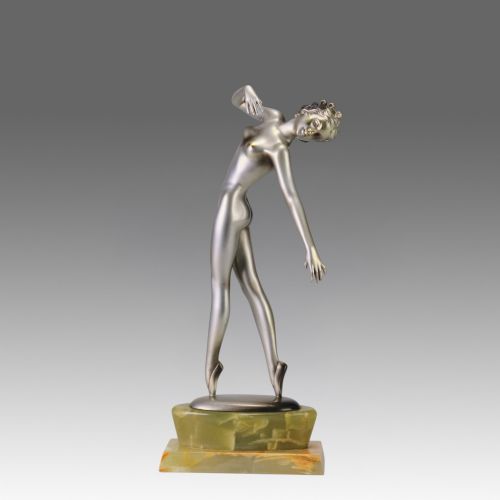
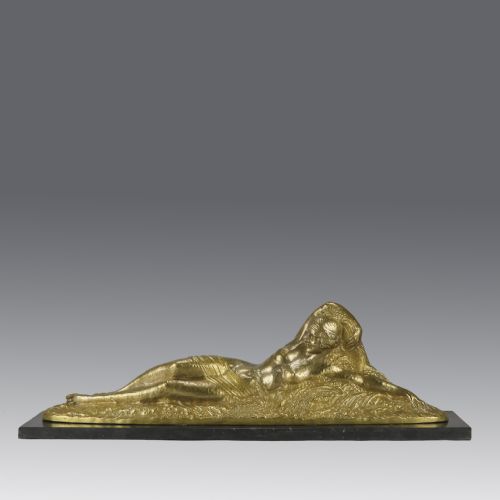
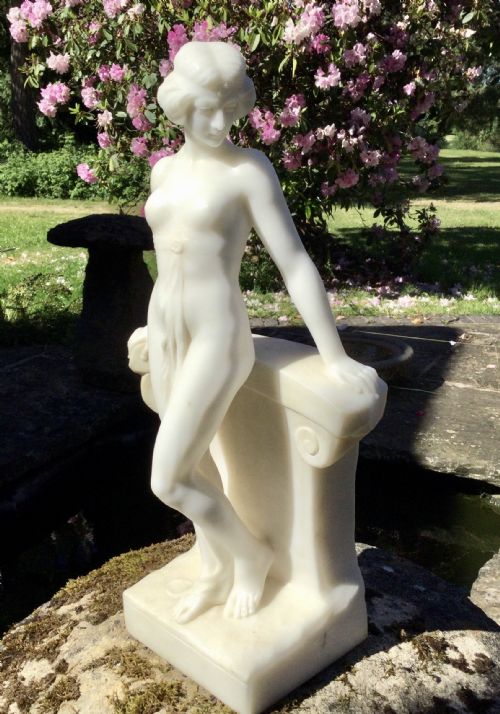
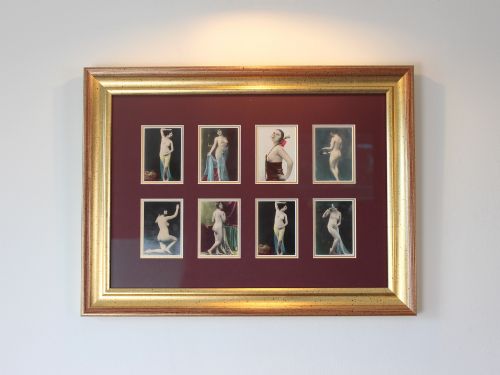
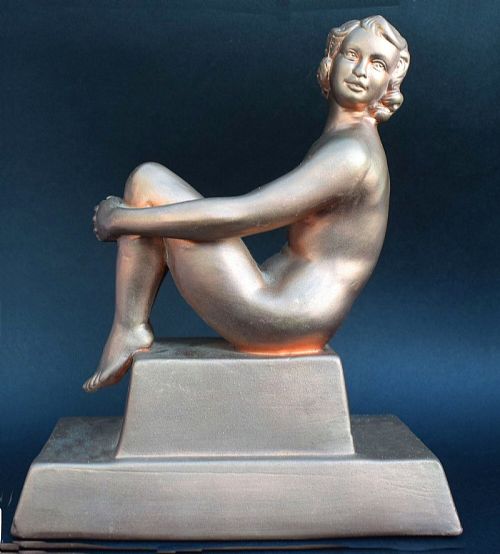
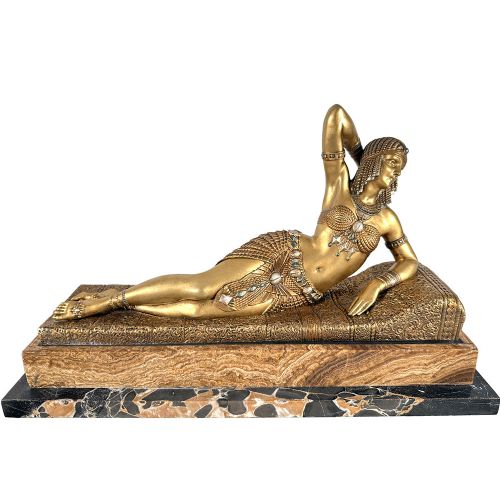
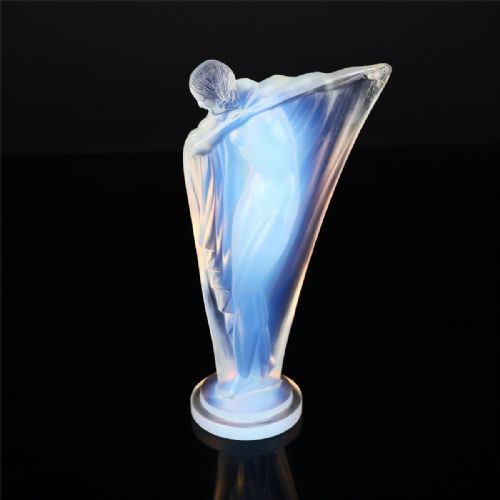
The pieces catalogued under art deco female nude span small bronze figurines, carved marble figures, table lamps, oil paintings, and framed photographs originating predominantly from the 1920s and 1930s. Sculptures cast in bronze, often paired with marble or onyx bases, dominate the selection alongside ceramic and opalescent glass statuettes.
Makers and artists working within French Art Deco, School of Paris, and Viennese bronze traditions produced these works to capture modern athleticism, dance, and repose. Dancers, bathers, and mythological subjects such as Diana or Cleopatra frequently appear as the central motif.
Buyers will encounter both signed foundry editions by noted sculptors and unsigned decorative items created for domestic interiors as wall lights, desk accessories, and lighting centrepieces.
How They Were Made
Foundries utilised the lost-wax casting method to produce bronze sculptures, allowing for intricate surface details on dancers and acrobats. Craftsmen applied cold-painting, silvering, or gilding directly to the metal surface, whilst others combined bronze figures with carved ivory, marble plinths, and onyx bases.
Glass pieces were pressed or moulded in opalescent finishes, and lamp makers integrated sculpted figures into functional domestic lighting fixtures alongside painted ceramic and porcelain bodies.
Art Deco Female Nude Retail Price Guide 2026
Typical asking prices for art deco female nude among the pieces listed under this phrase on Sellingantiques today, from the lower quarter to the upper quarter. They describe what is for sale here now, not the wider market.
Several dancers balance precariously on oversized balls or leap across marble columns, capturing the buoyant optimism of the roaring twenties.
What Varies in Quality
The integration of materials dictates the success of a piece, particularly where patinated or cold-painted bronze meets carved stone, hand-tinted photographic paper, or moulded glass. Harmony of proportions and the strength of the signature or foundry mark further separate standard decorative objects from masterworks.
Ferdinand Preiss·Josef Lorenzl·Demetre Chiparus·Pierre Le Faguays·Claire Jeanne Roberte Colinet·Paul Philippe
The Art Deco Female Nude Glossary
- Cold-painted bronze
- A technique where bronze sculpture is painted with non-heat-set colours, often oil-based paints, after casting. This surface decoration is susceptible to flaking if handled improperly.
- Spelter
- An alloy of zinc and copper used as a cost-effective substitute for bronze in decorative figures. It is softer and lighter than genuine bronze.
- Opalescent glass
- Glass containing ingredients that scatter light to create a milky or iridescent appearance with changing colour tones. It gained popularity in French decorative glass production.
- Car mascot
- A sculptural ornament mounted on the radiator cap of automobiles during the early twentieth century. Many featured aerodynamic female nudes designed by prominent sculptors.
- Patinated metal
- Metal treated with chemicals, heat, or acids to produce a specific surface colour and sheen. This coating protects the underlying metal whilst defining the visual contours.
Art Deco Female Nude: Frequently Asked Questions
What materials are common?
Sculptures and decorative objects utilise bronze, patinated metal, marble, onyx, and opalescent glass. Paper works and canvases feature oil paint, drawings, and hand-tinted photography.
Craftsmen frequently combined these mediums, mounting metal figures onto stone plinths or incorporating them into functional table lamps and wall lights.
Who made these pieces?
Prominent European sculptors and designers working during the interwar period created these works, with many pieces cast in French and Austrian foundries. Factories such as Royal Dux also produced ceramic variations.
Signed pieces by artists like Demetre Chiparus and Josef Lorenzl represent the most documented output within this category.
How were lamp figures used?
Figurines functioned as structural components for domestic lighting, serving as the stem or base of table lamps and wall sconces. They illuminated interiors while functioning as sculptural art.
Wiring and electrical fittings were integrated into the design to blend utility with the modern aesthetic of the period.
How to tell periods apart?
Works from the 1910s often retain lingering Art Nouveau fluidity, whereas items from the 1920s and 1930s embrace strict Art Deco geometry, stylised anatomy, and machine-age dynamism. Subject matter shifts from classical romanticism to athletic dancers and modern liberated figures.
Signatures, foundry stamps, and material combinations help anchor pieces within their specific decade of production.