





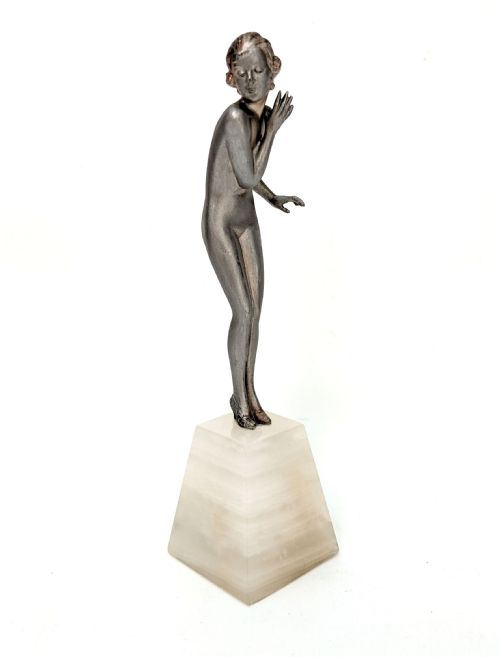


Josef Lorenzl Figure
A josef lorenzl figure captures the dynamic elegance of the Art Deco period through lithe dancers and expressive subjects.
Josef Lorenzl Figure
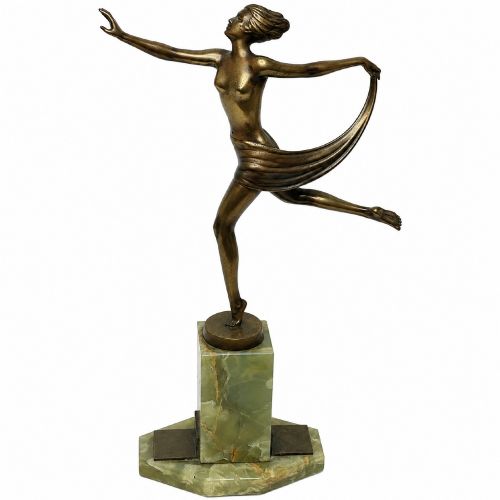
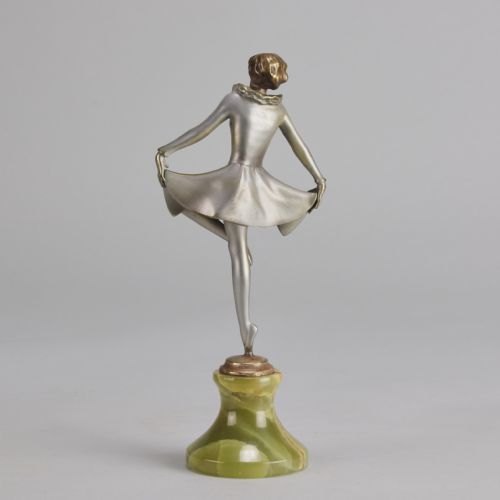
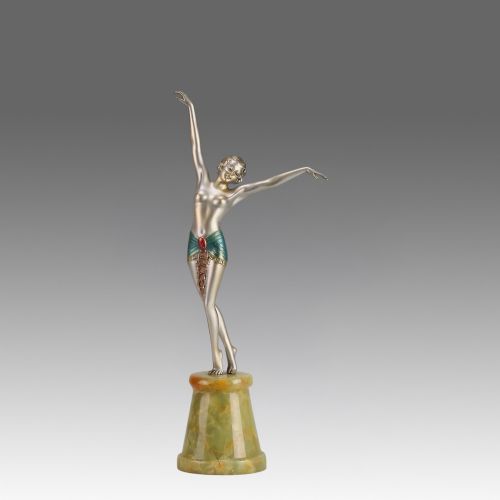
A josef lorenzl figure represents the quintessential sculptural style of the Art Deco era, originating primarily from the 1920s and 1930s. These pieces frequently depict female dancers, ballerinas, and narrative subjects with elongated limbs and fluid motion.
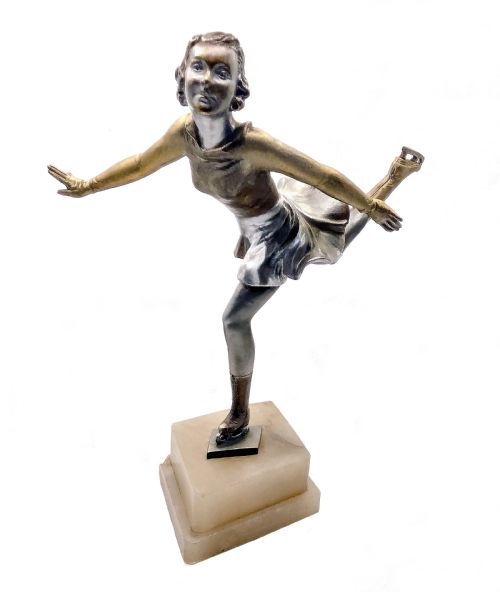
The most common examples encountered in this selection include cold-painted bronze and silvered bronze statuettes mounted on stone bases. Spelter alternatives also appear, often capturing similar iconic subjects such as ice skaters and scarf dancers.
Materials and construction
Foundries utilised cast bronze and spelter as the primary media for these sculptures, frequently applying cold-paint or silvering to achieve detailed surface finishes. Enamel accents occasionally enhance the decorative appeal of the metallic surfaces.
Many of these figures are mounted upon heavy onyx or marble bases, which provide stability and contrast to the slender metallic forms. Wood elements also appear in specific mountings and supporting structures.
Josef Lorenzl Figure Retail Price Guide 2026
Typical asking prices for josef lorenzl figure among the pieces listed under this phrase on Sellingantiques today, from the lower quarter to the upper quarter. They describe what is for sale here now, not the wider market.
Materials recorded across these listings include bronze, cold-painted bronze, spelter, silvered bronze, onyx, wood, and enamel.
Distinguishing quality
The distinction between tiers rests upon the choice of base metal and the preservation of the original surface treatment. Cast bronze iterations with intact cold-painted polychromy sit at the higher end of the scale.
Artistic execution in the modeling of the dancer's pose and drapery dictates the overall success of the casting. Signed pieces and documented titles carry a greater clarity of origin compared to unsigned or attributed works.
Josef Lorenzl
The Josef Lorenzl Figure Glossary
- Cold paint
- A decorative paint applied to metal surfaces after casting, without subsequent firing. This finish is delicate and prone to loss over time.
- Spelter
- A zinc alloy commonly utilised as a less expensive alternative to bronze for sculptural figures. It provides a receptive surface for metallic or painted finishes.
- Onyx
- A banded variety of chalcedony used frequently for the heavy plinths and bases supporting Art Deco figures. Its natural striations provide varied visual patterns.
- Silvered bronze
- A bronze casting treated with a silver surface layer to produce a reflective metallic sheen. This technique highlights the contours of the dancer's form.
Josef Lorenzl Figure: Frequently Asked Questions
What periods do these figures date from?
These sculptures originate predominantly from the interwar decades of the 1920s and 1930s. This timeframe defines the height of the Art Deco movement in European decorative arts.
Most documented examples belong securely within this narrow chronological window, reflecting the active period of production.
How were these figures displayed originally?
Many figures were designed as cabinet bronzes or desk ornaments, mounted firmly onto heavy stone bases of onyx or marble. The weight of the base anchors the elongated, slender forms of the dancers.
They served as decorative art objects within domestic interiors of the period rather than architectural installations.
Are all pieces signed by the artist?
Signatures vary across the range of available sculptures, with many examples remaining entirely unsigned. Attribution often relies on stylistic markers, proportions, and known subject matter.
Documentation in historical archives helps connect unsigned or attributed casts to the established body of work.
What subjects are most common?
Dancers, ballerinas, and female figures in motion form the vast majority of the sculptural subjects. Specific named pieces depict characters from performance, ice skating, and allegorical themes.
Male figures and narrative groupings appear less frequently than the solitary female dancer.