






1930s Nude Sculpture
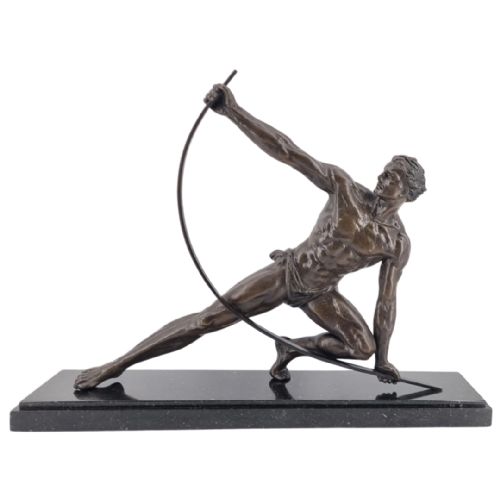
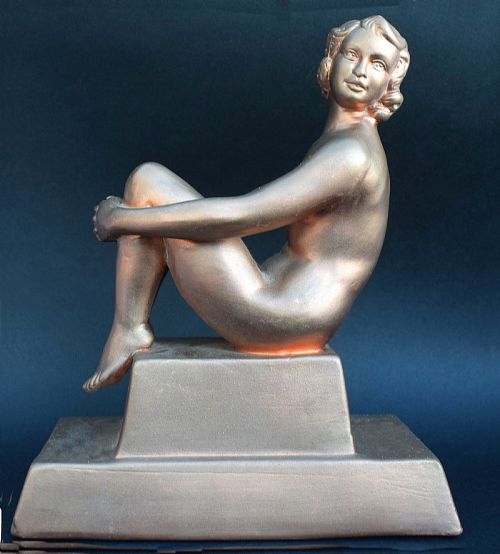
These 1930s nude sculpture pieces capture the confident lines of the Art Deco period, offering collectors a striking human form in bronze, marble, and glass.
1930s Nude Sculpture
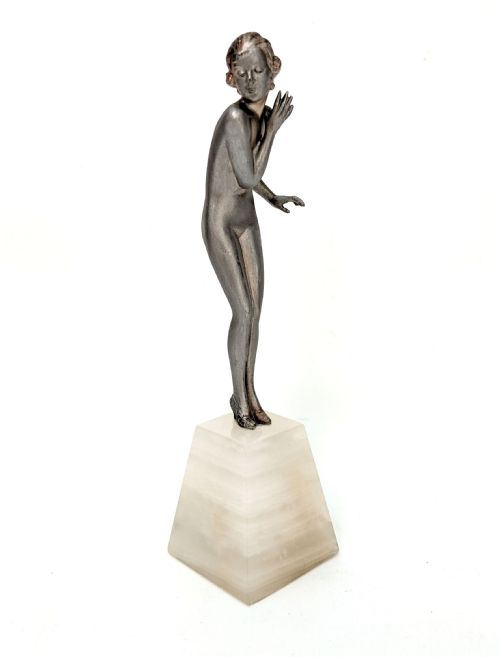
A 1930s nude sculpture typically takes the form of a stylised female figure, often depicted in motion such as a hoop dancer or stretching arms. These pieces embody the sleek aesthetic of the Art Deco period, capturing the human form with stylised grace.
Most examples originate from France or England, reflecting European studio practices of the interwar decades. The selection leans heavily on figures mounted upon marble or onyx bases, establishing a solid architectural footing for the delicate metal or glass work above.
The materials vary from cast metal and spelter to cold painted bronze and opalescent glass. Buyers encounter both monumental bronze works and smaller porcelain or glass figurines, each bringing a distinct tactile presence to a collection.
Materials and construction
Makers utilised bronze, spelter, and cast metal to shape the primary figures, frequently applying patination or cold painting to enhance the surface detail. These metals allow for slender, dynamic limbs and poised balancing acts.
Many sculptures are paired with heavy bases carved from marble or onyx, anchoring the lighter metallic or glass figures. Opalescent glass examples harness light through specialised moulding techniques, creating a translucent glow across the nude form.
1930s Nude Sculpture Retail Price Guide 2026
Typical asking prices for 1930s nude sculpture among the pieces listed under this phrase on Sellingantiques today, from the lower quarter to the upper quarter. They describe what is for sale here now, not the wider market.
Listings feature bronze, marble, onyx, spelter, enamel, patinated metal, cast metal, and opalescent glass.
Assessing quality
The choice and execution of the base material also indicate tier, with substantial, polished marble or onyx mounts demonstrating greater ambition than simpler wooden or lesser stone foundations.
Ferdinand Preiss·Josef Lorenzl·Sibylle May·Lucille Sevin·Royal Dux·Ugo Cipriani·C Neuhaus
The 1930s Nude Sculpture Glossary
- Spelter
- A zinc alloy commonly utilised as a less expensive alternative to bronze during the Art Deco era. It takes patination well to simulate heavier metals.
- Cold painted
- A method where paint is applied to a bronze or metal sculpture without heat firing. This technique preserves fine surface details on the figures.
- Opalescent glass
- Glass that diffuses light with a milky, iridescent sheen, popular in French figurines from the period. It shifts in tone depending on the angle of illumination.
- Patinated metal
- Metal treated with chemicals or heat to alter its surface colour and finish. This process protects the underlying material while adding depth to the sculpture.
1930s Nude Sculpture: Frequently Asked Questions
Are these sculptures French or English?
The evidence points to workshops across both France and England during the interwar years. French studios often utilised opalescent glass and fine bronze casting.
English pieces also appear, maintaining the same Art Deco sensibility in their figural composition.
What metals were used?
Sculptors worked in bronze, gilt bronze, spelter, and patinated metal. Bronze allowed for strong, slender lines in figures like dancers and bathers.
Spelter provided a more accessible alternative for figures produced in larger quantities.
How should I display them?
These pieces generally require a stable surface, as many incorporate heavy marble or onyx bases. Placing them where light can catch opalescent glass or patinated bronze enhances their sculptural qualities.
Ensure they sit away from high-traffic edges to protect delicate outstretched limbs.
How do I identify the period?
The styling relies firmly on Art Deco aesthetics, featuring geometric discipline alongside stylised human forms. Materials like onyx bases and opalescent glass point directly to the 1920s and 1930s.
Signatures or stamps from period artists further confirm the era of production.