



Vintage Bronze Hunting Figure
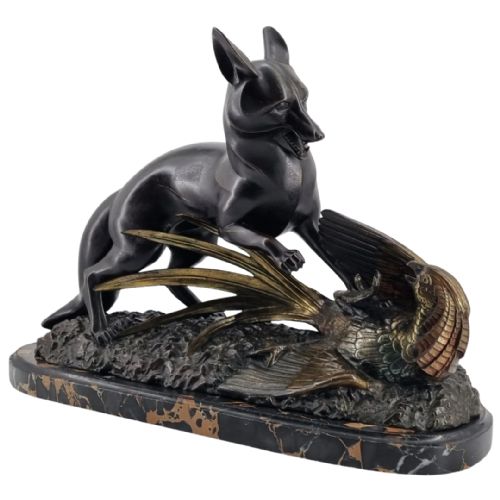
A vintage bronze hunting figure brings the taut energy of the chase into a room through cast metal and animal forms.
Vintage Bronze Hunting Figure
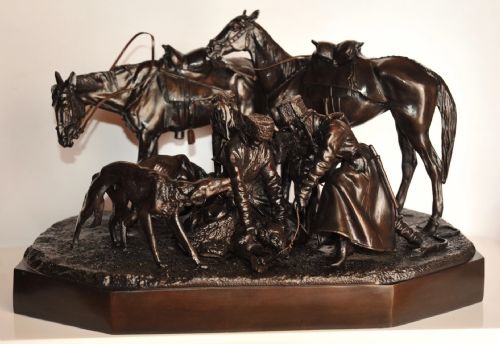
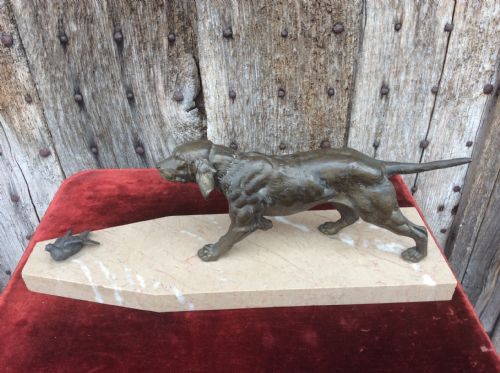
A vintage bronze hunting figure depicts hounds, setters, borzois, foxes, wolves, and huntsmen captured in dynamic poses of pursuit. You will most frequently meet nineteenth-century French animalier bronzes alongside early twentieth-century Art Deco interpretations on this page.
The subjects range from solitary working dogs and hounds with birds to dramatic wolf hunting groups and huntsmen on horseback. These sculptures frequently incorporate sturdy stone bases made from marble or onyx to support the heavy metal casting.
Materials and construction
The makers utilised traditional metalcasting techniques to shape bronze and spelter, often finishing select pieces with a silvered surface treatment. These metal figures were then mounted securely onto heavy marble or onyx plinths.
Artisans applied detailed chiselling and patination to the metal after casting to define the fur, musculature, and textures of each hunting animal. The resulting sculptures combine dense metal forms with polished stone bases.
Several hounds are forever frozen mid-stride with lifted paws, eternal optimists chasing stone rabbits.
Distinguishing quality
The fidelity of the casting and the crispness of the chasing separate standard decorative metalwork from superior animalier sculpture. Finer pieces demonstrate precise anatomy and lifelike tension in the animal's posture.
The integration between the metal figure and its marble or onyx base indicates the overall standard of manufacture. Well-executed patination and clear signatures from established makers elevate the standing of the work.
C Masson·Jules Moigniez·Christophe Fratin·Isidore Bonheur·Dubucand·Nikolai Lieberich
The Vintage Bronze Hunting Figure Glossary
- Animalier
- A nineteenth-century artistic movement focused on the realistic depiction of animals. Sculptors in this style studied animal anatomy closely to capture movement and behaviour accurately.
- Spelter
- A zinc alloy commonly utilised as a substitute for bronze in decorative figures. It is lighter than bronze and typically carries a painted or patinated surface finish.
- Patina
- The surface coloration and sheen developed on metal over time or applied intentionally through chemical treatment. This finish enhances the visual depth and texture of the cast sculpture.
- Plinth
- A heavy base of marble or onyx that supports the bronze or spelter figure. It provides structural stability and grounds the composition visually.
Vintage Bronze Hunting Figure: Frequently Asked Questions
What is an animalier bronze?
An animalier bronze is a nineteenth-century sculpture focused specifically on realistic representations of animals, particularly dogs, horses, and wildlife in active postures.
These works were produced by specialised sculptors who studied anatomy to capture the precise tension and movement of animals during the hunt.
How do I care for bronze figures?
Bronze figures require minimal maintenance beyond gentle dusting with a soft, dry cloth to prevent the accumulation of grit in crevices.
Avoid using chemical polishes or water, as these can strip the original patination and damage the protective surface finish of the metal.
Are marble bases original?
Marble and onyx bases were commonly paired with bronze and spelter hunting figures during the nineteenth and early twentieth centuries to provide weight and stability.
The stone plinth was typically selected by the maker or foundry as an integral component of the overall sculptural design.
How do I distinguish bronze from spelter?
Bronze is a dense, heavy copper alloy that develops a warm patination and sounds resonant when lightly tapped. Spelter is a zinc-based metal that feels lighter and often shows grey metal beneath worn paint layers.
Examining the underside or mounting points can also reveal the distinct weight and material characteristics of the casting.