

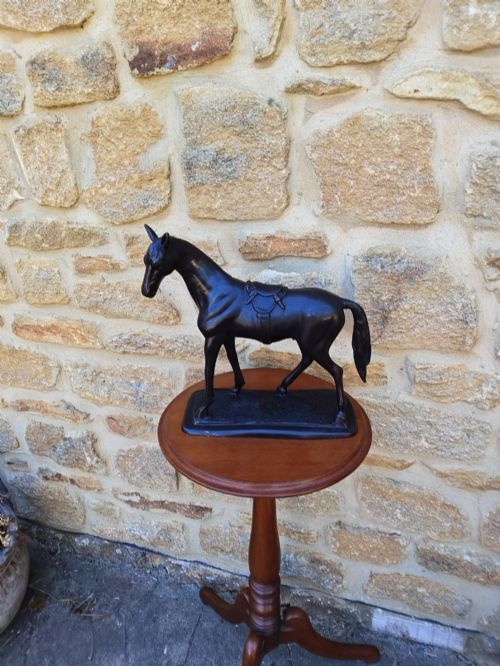
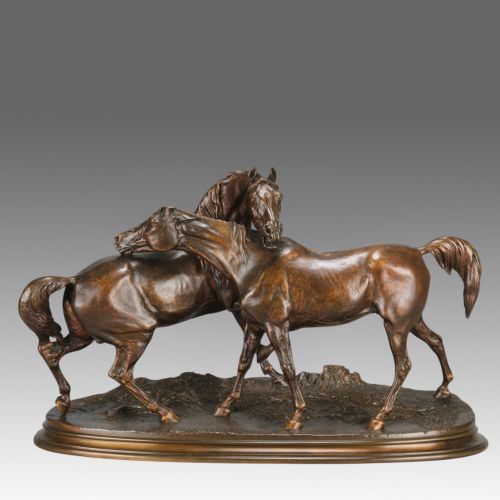
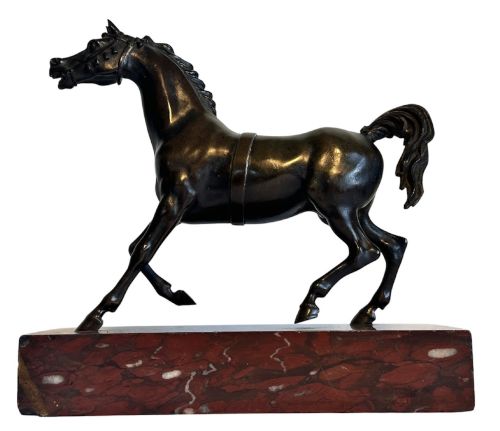
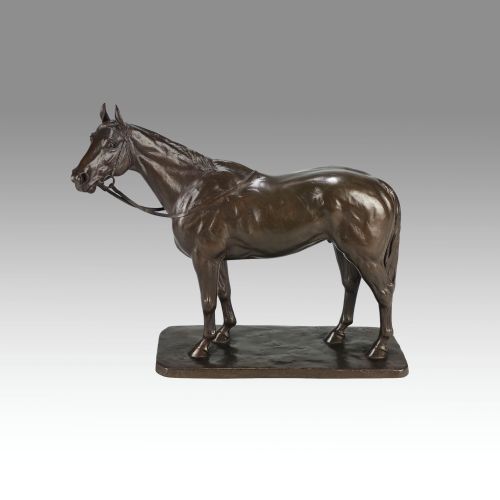


Vintage Bronze Equine Sculpture
These vintage bronze equine sculpture pieces capture horse form across the nineteenth and twentieth centuries.

Vintage Bronze Equine Sculpture
A vintage bronze equine sculpture represents horses through various historical periods including the nineteenth century, Edwardian era, and the nineteen twenties and thirties. The forms range from individual animal studies to large statues and figures mounted on marble or onyx bases.
Most examples found here bridge European animalier traditions and Asian foundry work from Japanese Meiji, Taisho, and Showa periods. Buyers frequently encounter French animalier casts alongside Austrian cold painted bronze horses and Japanese foundry pieces.
The subjects span realistic stallions and standing horses to dynamic Art Deco interpretations and Bugatti style models. These works serve as sculptural centrepieces reflecting distinct regional casting methods of their respective decades.
Materials and Techniques
Foundries utilised traditional metal casting techniques to form these equine sculptures from bronze, brass, and cast metal. Many works incorporate natural stone elements, mounting the metal figures upon heavy marble or onyx bases.
Certain Austrian pieces receive hand applied pigments in the cold painted method, adding colour directly to the metallic surface without firing. Japanese and European workshops employed detailed chasing and finishing to define musculature and texture.
Vintage Bronze Equine Sculpture Retail Price Guide 2026
Typical asking prices for vintage bronze equine sculpture among the pieces listed under this phrase on Sellingantiques today, from the lower quarter to the upper quarter. They describe what is for sale here now, not the wider market.
Listings feature bronze, brass, and cast metal equine sculptures mounted on marble and onyx bases across multiple historical periods.
Assessment of Quality
Quality in a vintage bronze equine sculpture depends on the precision of the cast and the fidelity of the anatomical detail. Superior examples display sharp definition in the musculature, mane, and expression without obscuring tool marks from the finishing process.
The integrity of the mounting also dictates worth, particularly where heavy marble or onyx bases secure the metal subject. Signed pieces originating from established foundries or documented makers demonstrate superior artistic execution compared to unmarked commercial casts.
P J Mêne·Kunio Itô·Sakai Kōzan
The Vintage Bronze Equine Sculpture Glossary
- Animalier
- A nineteenth century movement dedicated to realistic depictions of animals. Sculptors in this tradition focused heavily on anatomical accuracy and natural movement.
- Cold Painted Bronze
- A method where metal sculptures are painted with cold enamel rather than fired in a kiln. This technique requires careful surface preparation so the pigment adheres permanently.
- Foundry
- A workshop or factory where metal is melted and poured into moulds. Japanese and European foundries utilised distinct alloy compositions and patination methods.
- Patina
- The surface coloration and sheen developed naturally over time or applied chemically by the artist. It protects the metal and highlights fine sculptural details.
- Taisho Period
- A period in Japanese history spanning from nineteen twelve to nineteen twenty six. Sculptures from this era often blend traditional craftsmanship with modern design influences.
Vintage Bronze Equine Sculpture: Frequently Asked Questions
How do I identify a cold painted bronze?
Cold painted pieces feature visible pigment applied over the metal surface rather than a chemical patina. Look for areas where the paint has worn thin through handling.
Examine the recesses of the casting where brushwork or pigment accumulation remains visible under magnification.
What defines the animalier style?
Animalier sculpture focuses strictly on accurate animal anatomy and dynamic behaviour. These works emerged prominently in nineteenth century France through artists studying subjects in menageries.
The style prioritises lifelike tension and movement over idealized human narratives.
How should I clean a bronze horse?
Dust the sculpture regularly with a soft dry cloth to prevent particulate buildup. Avoid chemical polishes that strip the historic patina from the metal.
Consult a specialist conservator if the surface requires deeper cleaning or stabilisation.
Are marble bases original to the sculptures?
Many nineteenth and twentieth century bronzes were cast specifically to be mounted on fitted marble or onyx plinths. The stone provides necessary weight and stability for heavy equine figures.
Check that the mounting pins and underside match the age of the primary metal cast.
How do Japanese bronzes differ from European ones?
Japanese bronzes from the Meiji and Taisho periods often utilise distinct copper alloys and intricate patination techniques. Their casting typically emphasises linear grace and subtle surface textures.
European animalier works tend toward heavier muscular definition and narrative realism.