
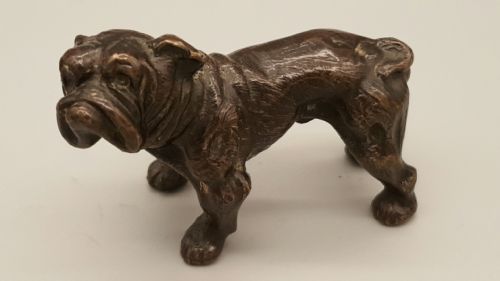


Vintage Bronze Dog Ornament
These vintage bronze dog ornament pieces capture canine character across styles from the nineteenth century to the art deco period.
Vintage Bronze Dog Ornament
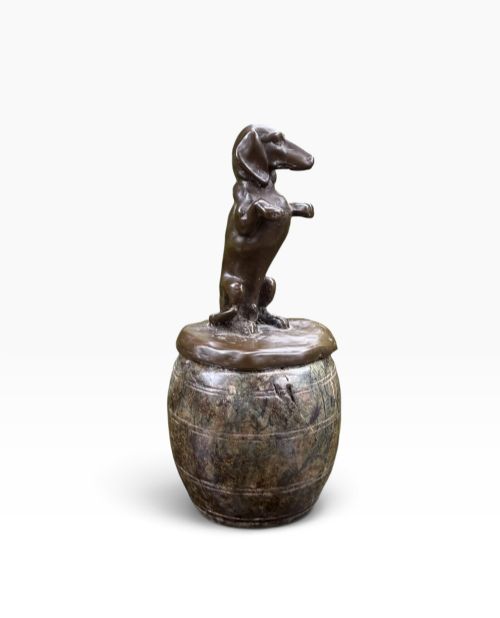
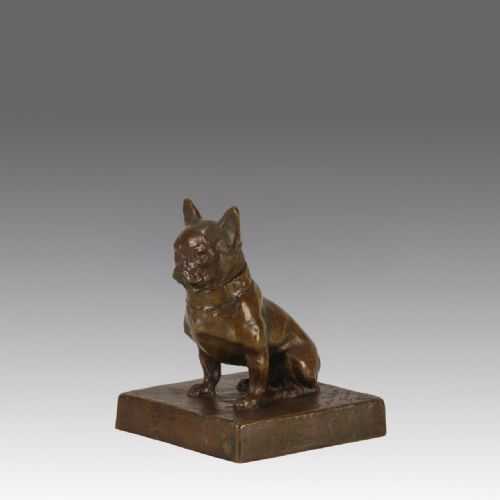
A vintage bronze dog ornament brings sculptural realism and decorative charm into domestic spaces through enduring metal forms. These pieces capture specific breeds like dachshunds, terriers, greyhounds, and pugs in various characteristic poses.
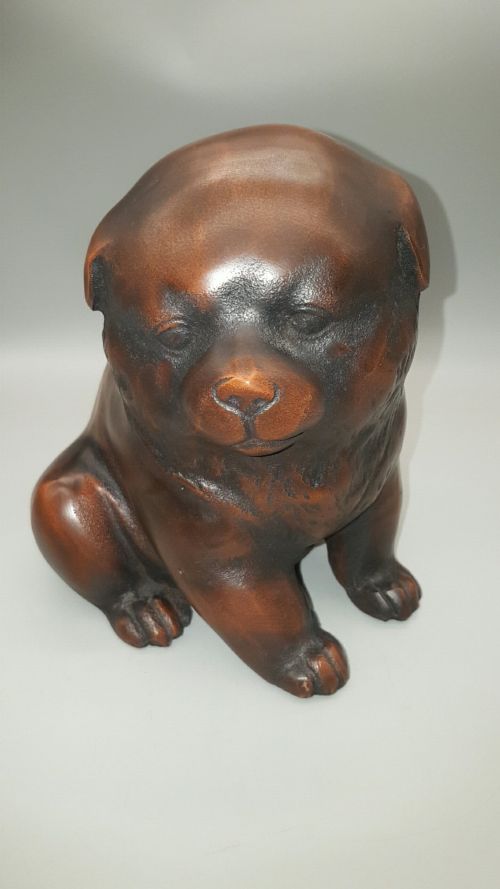
Buyers will encounter multiple regional traditions on this page, notably Austrian cold-painted works, French animalier sculptures, and Japanese castings. The range spans small desk accessories and paperweights to substantial fireside statues.
Most examples originate from the nineteenth and early twentieth centuries, reflecting the era's fascination with naturalistic animal studies. Functional pieces such as inkwells and car mascots also appear among the pure decorative figures.
Materials and casting methods
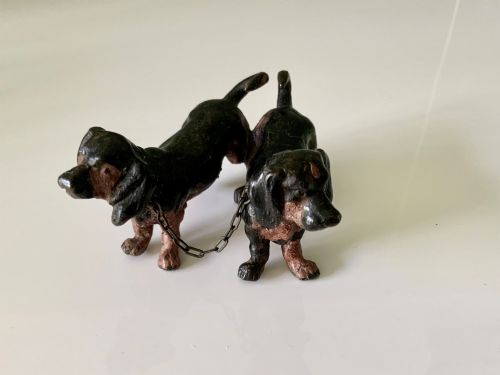
Foundries utilised traditional casting techniques to shape molten bronze into lifelike animal forms, often finishing surfaces with rich patinas. Many Austrian pieces received detailed cold-painted enamel finishes applied directly onto the metal.
Several sculptures incorporate contrasting natural bases such as marble or onyx to support the metal figures. Metal alloys and cast iron appear alongside solid bronze in various decorative sculptures and utilitarian objects.
Materials seen across these listings include bronze, marble, onyx, cast iron, and cold-painted enamel.
Factors that distinguish finer examples
The precision of anatomical detail and the expressiveness of the animal's posture separate standard castings from exceptional works. Master sculptors captured distinct breed characteristics and textures with notable nuance.
The preservation of original cold-painted enamel surfaces greatly influences the integrity of Austrian pieces. Well-executed patination and clear artist signatures or foundry marks elevate the standing of a bronze sculpture.
Tsunemitsu·Dora Heber·Edith Parsons·Arthur Waagen·P. de Soete·Franze Bergman·Dubucand·AL Barye·Barbedienne
The Vintage Bronze Dog Ornament Glossary
- Animalier
- A nineteenth-century artistic movement dedicated to the realistic portrayal of animals. Sculptors in this tradition focused on anatomical accuracy and dynamic movement.
- Cold-painted bronze
- A technique where bronze figures are painted with unfired enamel colours. This method was notably practiced by Austrian workshops in Vienna.
- Patina
- The surface coloration and sheen developed naturally through age or applied chemically by the foundry. It enhances the depth and texture of bronze sculptures.
- Animal figurine
- A small-scale sculptural representation of an animal. These decorative items range from simple paperweights to detailed cabinet bronzes.
- Car mascot
- A decorative ornament mounted on the radiator cap of a motor vehicle. These figures were popular during the art deco period.
Vintage Bronze Dog Ornament: Frequently Asked Questions
How do I care for cold-painted bronze?
Keep these pieces away from direct sunlight and moisture to protect the delicate enamel surface. Dust them gently with a soft, dry cloth rather than using liquid cleaners.
Harsh cleaning products will strip the original cold-painted finish from the metal. Gentle handling preserves the remaining pigment on antique Austrian figures.
Were these always meant as ornaments?
Many figures served practical purposes in addition to their decorative appeal. Items such as inkwells, paperweights, and car mascots fulfilled everyday functions.
Other sculptures were created purely as desk ornaments or cabinet pieces. Functional designs often incorporate integrated ink pots or mounting hardware.
What is Vienna bronze?
Vienna bronze refers to small, detailed metal sculptures produced in Austrian workshops around the turn of the twentieth century. These pieces are celebrated for their humorous or lifelike animal subjects.
Most Vienna bronzes feature distinctive cold-painted enamel colours. They often depict dogs, birds, and other animals in realistic or whimsical poses.
How can I identify the period?
Stylistic markers help date these bronze figures to specific eras like the Victorian period or art deco. Animalier works tend to reflect nineteenth-century realism, while streamlined forms point to the 1920s and 1930s.
Signatures, foundry stamps, and base materials like marble or onyx also provide clues to the manufacturing date. Examining the casting quality and patina offers further context.