



Vintage British Timepiece
A vintage british timepiece brings mechanical precision and domestic history together through desk clocks, pocket watches, and wall clocks spanning centuries.
Vintage British Timepiece
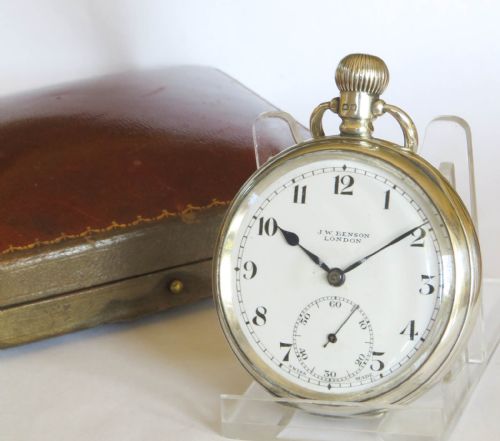
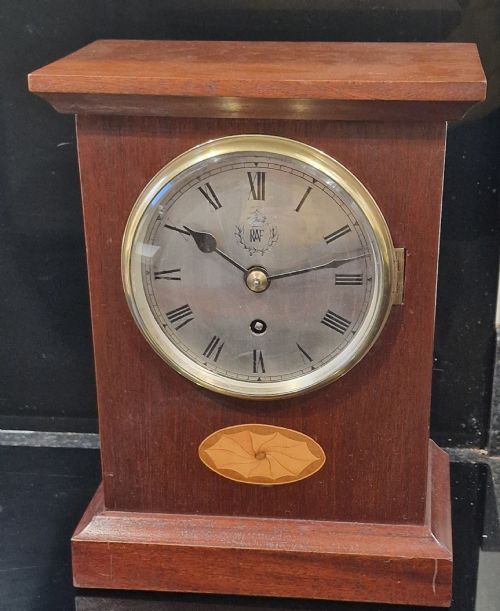
A vintage british timepiece spans practical railway infrastructure pieces, military issue instruments, and domestic mantel or desk models. Collectors encounter pocket watches, wristwatches, and wall clocks crossing Victorian, Edwardian, and mid-century eras.
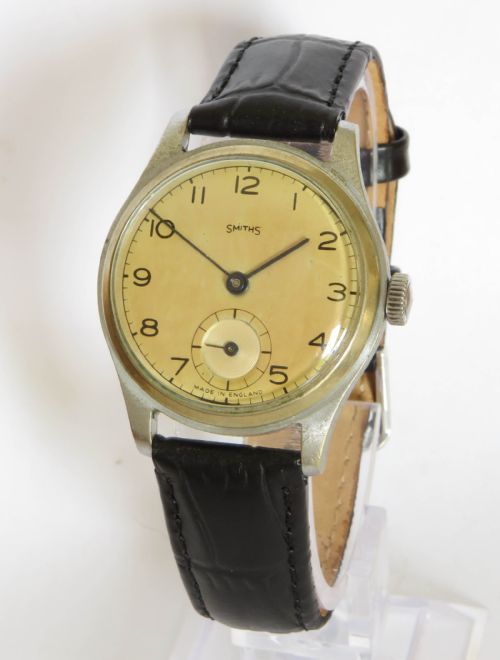
The selections on this page feature domestic manufacturers like Smiths alongside specialised railway and military contractors. Pieces range from oak bracket clocks to chrome desk timepieces and gold wristwatches.
Early examples include fusee wall clocks from the nineteenth century, while mid-century output brings Art Deco glass designs and robust mechanical wristwatches.
Materials and construction
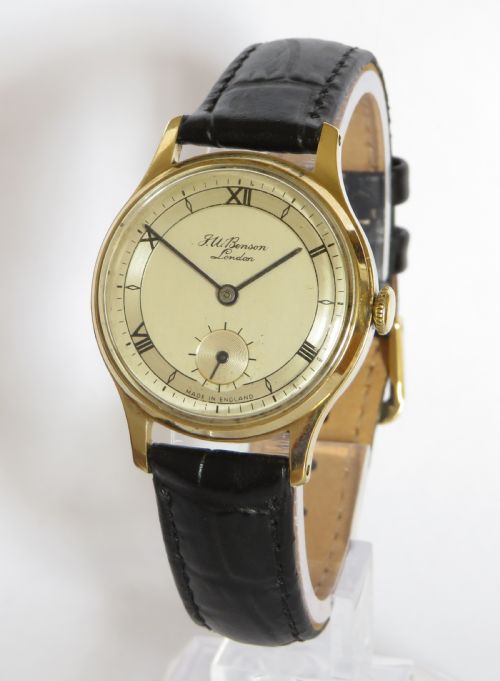
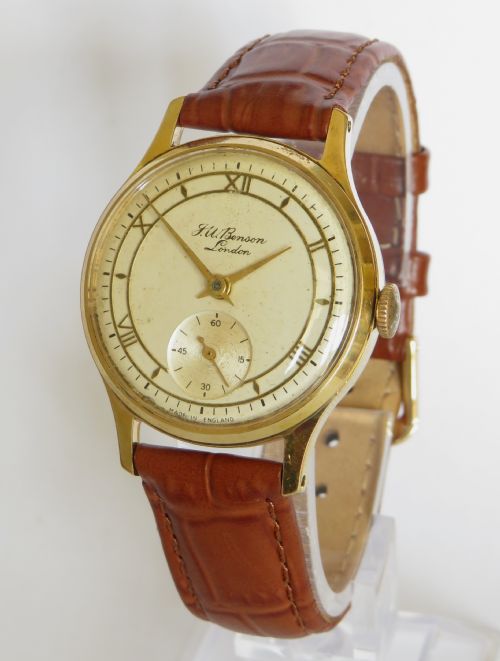
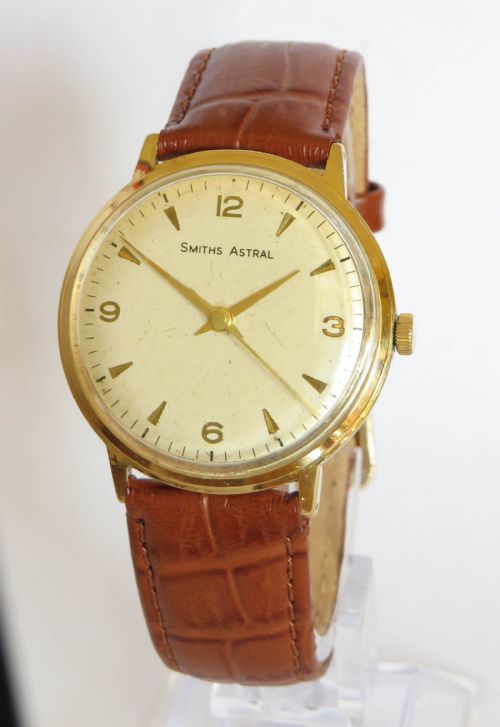
Movements rely on mechanical gear trains, fusee setups, and later electric or manual winding systems. Dials incorporate enamel finishes, raised numerals, and occasionally precious metals like nine-carat gold for higher-tier wristwatches.
Listings incorporate brass, chrome, glass, and nine-carat gold across wall clocks, pocket watches, and desk clocks.
Judging quality and execution
Quality rests upon the precision of the movement and the integrity of the original casing materials. Solid precious metal cases or specialist railway and military issue markings indicate higher production standards.
The refinement of dial typography, enamel preservation, and maker signatures distinguish standard domestic output from bespoke or commissioned pieces intended for institutional use.
J W Benson·Smiths·Bush of London·Liberty and Co·Bravingtons Ltd·John Walker·H W Bedford London
The Vintage British Timepiece Glossary
- Fusee
- A conical pulley used on older clocks to maintain even tension on the gear train as the mainspring unwinds. This mechanism improves timekeeping accuracy across the power reserve.
- Bracket clock
- A portable domestic clock originally designed to sit on a bracket on the wall. Later versions sit securely on tables or mantelpieces.
- Pocket watch
- A timepiece designed to fit in a pocket, typically secured with a chain. These often feature hinged metal dust covers and enamel dials.
- Mantle clock
- A clock designed to sit on the shelf above a fireplace. They appear in materials ranging from blue glass and brass to carved oak.
- Enamel
- A glassy substance fused to metal dials through firing to create a durable, smooth surface. It provides a crisp background for painted numerals.
Vintage British Timepiece: Frequently Asked Questions
How do I wind a mechanical desk clock?
Insert the appropriate key into the winding arbor and turn it clockwise until you feel firm resistance. Avoid overwinding, as this can damage the internal mainspring.
Allow the clock to run down fully before attempting any adjustment to the speed regulation.
What distinguishes a railway issue clock?
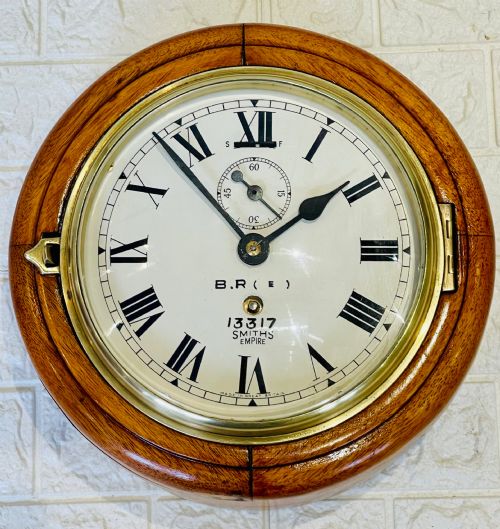
Railway issue pieces carry specific company engravings or broad arrow marks denoting institutional service. These pieces required rigorous timekeeping accuracy for operational safety.
They often feature robust fusee movements built to withstand vibration in offices and stations.
How are gold content marks read on watches?
British gold wristwatches typically display hallmark stamps indicating nine-carat gold purity alongside maker marks and assay office symbols. These stamps confirm the precise metallic composition of the case.
Third-party casings may also carry sponsor marks identifying the retailer who sold the finished piece.
Can Art Deco clocks be repaired easily?
Art Deco glass and chrome models utilise standard mechanical movements that experienced horologists can service. Replacement parts for common calibres remain accessible.
Specialist care is required only when handling brittle decorative glass cases or painted enamel dials.