


Yellow Gold Dress Watch
A yellow gold dress watch brings together precious metal and precise timekeeping, offering a refined piece of history to wear on the wrist.
Yellow Gold Dress Watch
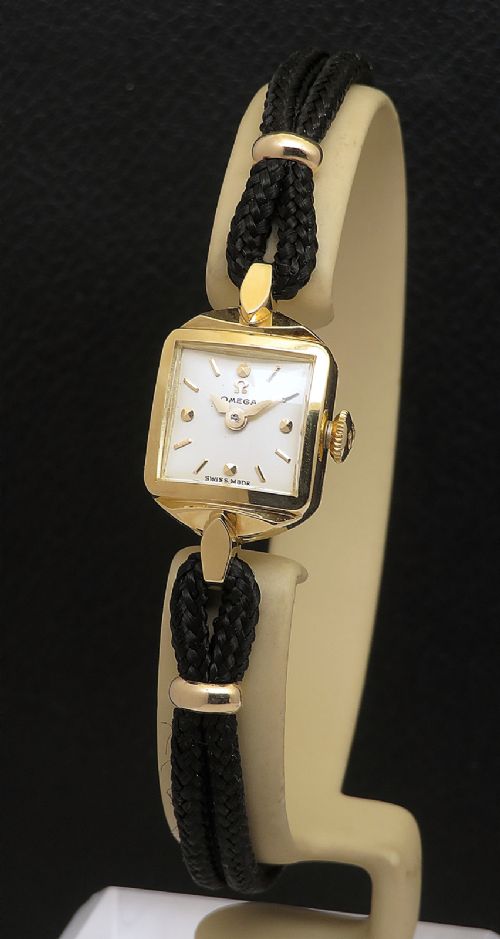
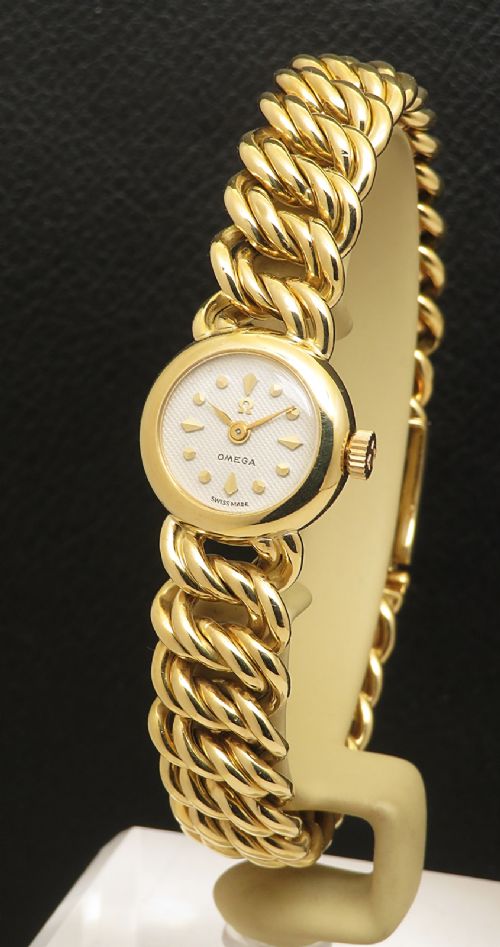
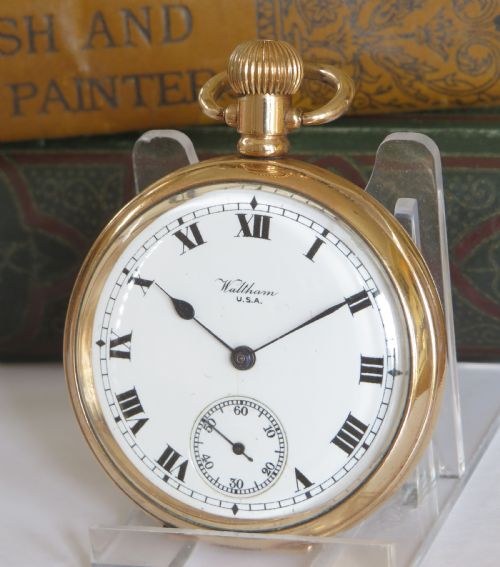
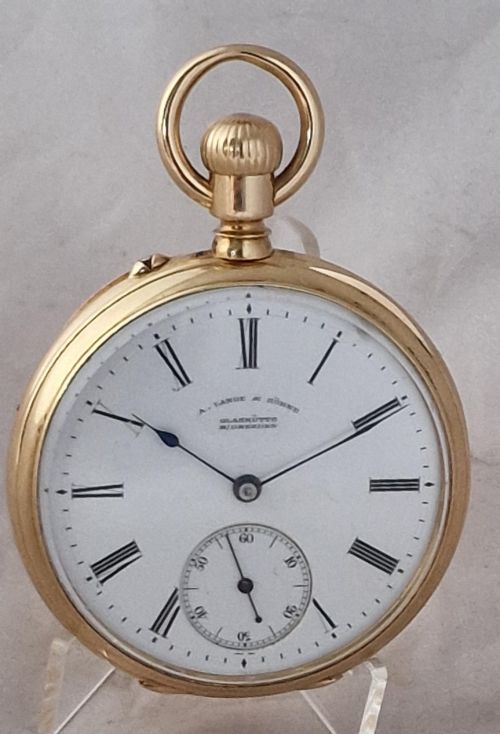
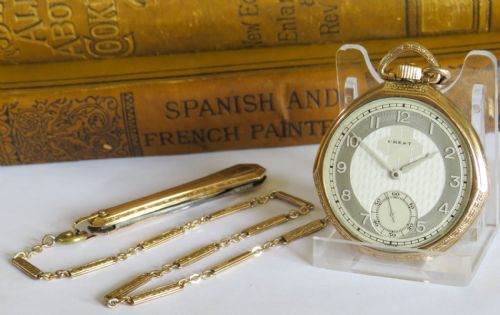
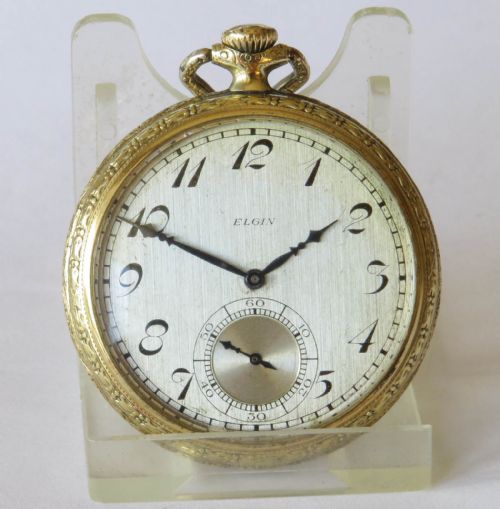
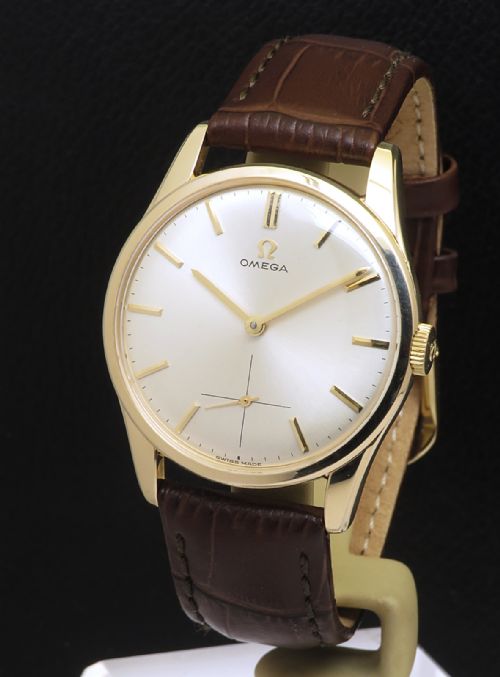
When you search for a yellow gold dress watch, you encounter timepieces spanning the Victorian period through the mid-century modern era, including pocket watches and wristwatch formats. The selections range from Edwardian open-faced pieces to Art Deco cocktail watches and 1950s manual wind designs.
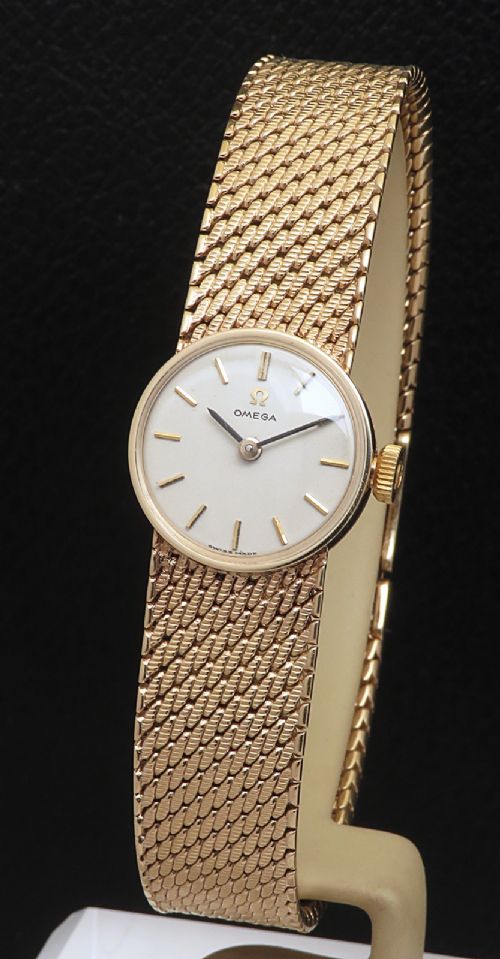
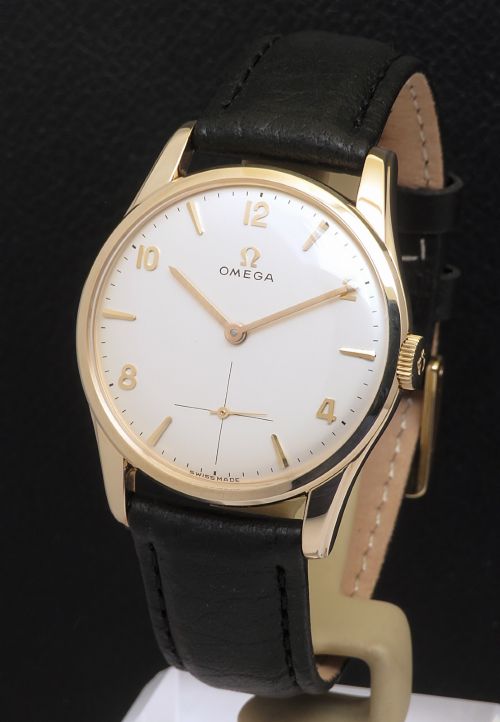
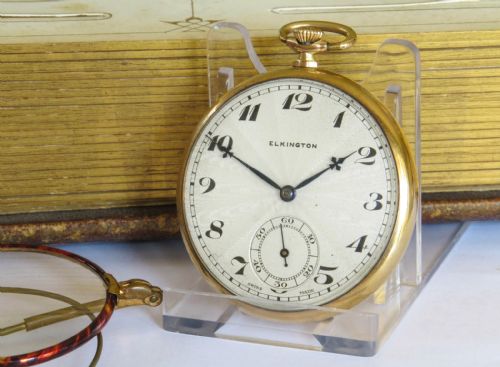
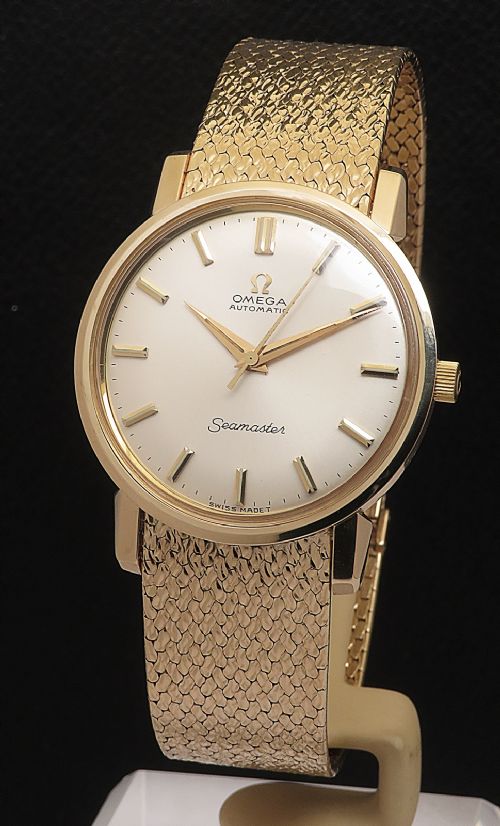
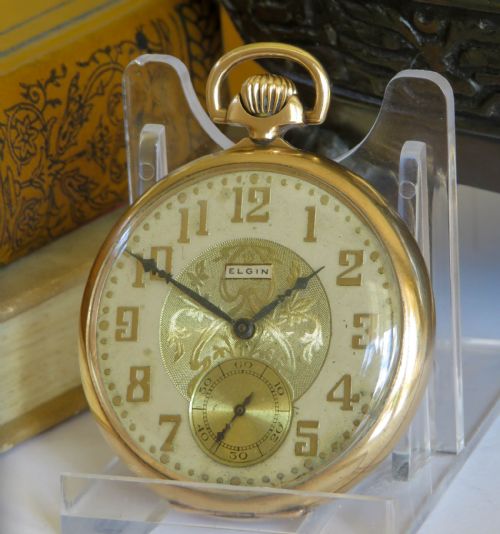
The wristwatches and pocket watches on this page frequently originate from decades such as the 1920s, 1950s, and 1960s. Omega models in solid 9ct or 18ct gold appear regularly alongside pieces by makers like Longines, Smiths, and Elgin.
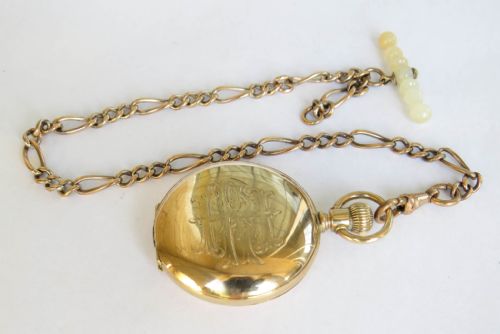
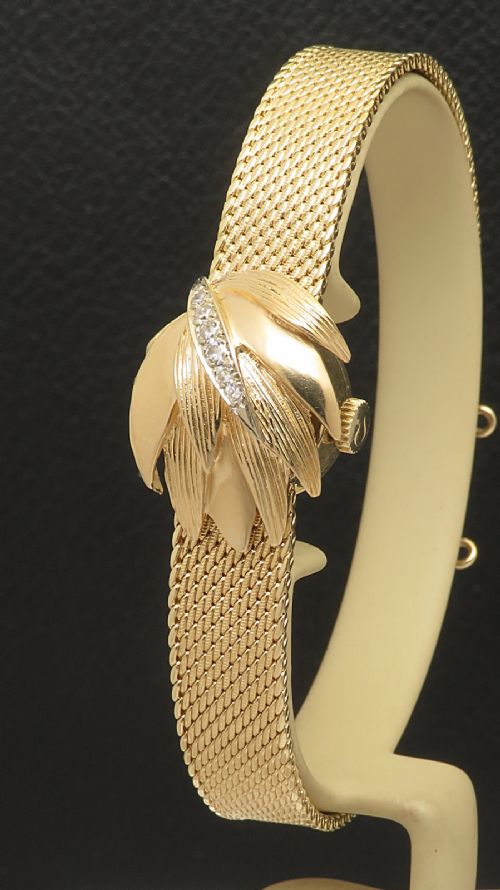
The forms vary between slim men's dress styles, ladies' cocktail designs with diamond hoods, and sturdy pocket watches complete with chains or full hunter cases. Each period brings distinct casing shapes and dial configurations to the selection.
Materials and construction
Makers utilised 9ct, 14ct, and 18ct solid gold for cases, alongside gold plate and standard metal options. Glass, acrylic, and enamel protect the dials, while leather straps secure the wristwatches.
Movements rely on precision engineering, housing mechanical components like manual wind and automatic calibres. Pocket watches often feature open-faced configurations or full hunter metal covers to protect the glass lens.
Materials across the selection range from glass and acrylic to 9ct, 14ct, and 18ct solid gold.
Distinctions in quality
The hierarchy of these timepieces rests upon the purity of the metal and the pedigree of the movement. Solid 18ct gold cases paired with recognised Swiss or British movements occupy the upper tier, differing significantly from gold-plated alternatives.
The presence of original boxes, papers, and specific dial details like two-tone configurations or salmon finishes elevates certain pieces. Craftsmanship in the casing, such as hooded diamond settings on cocktail watches, separates standard production from exceptional examples.
Omega·Waltham·Lange and Sohne·Tavannes·Elgin·Elkington·Smiths·Accurist·Longines·Baume and Mercier·Longines Wittnauer·Monte Ancre·Patek Philippe·Girard-Perregaux
The Yellow Gold Dress Watch Glossary
- Calibre
- The specific internal movement of a watch. This term designates the particular mechanical design created by the manufacturer.
- Full hunter
- A pocket watch featuring a spring-loaded metal cover that protects the glass dial. Pressing the crown opens the case.
- Manual wind
- A timepiece requiring regular hand-turning of the crown to tension the mainspring. This traditional mechanism powers mechanical watches without batteries.
- Cocktail watch
- A small, ornate women's wristwatch often set with precious stones and designed for formal evening wear. These pieces double as fine jewellery.
- Open faced
- A pocket watch lacking a protective metal front cover. The dial remains visible at all times beneath the glass.
Yellow Gold Dress Watch: Frequently Asked Questions
Can I wear my dress watch daily?
These pieces suit daily wear provided you treat them with appropriate care. Avoid exposing vintage mechanical movements to heavy impacts or vigorous sports.
Keep older models away from water unless the listing specifically confirms modern waterproofing standards. Removing the watch during manual labour preserves the casing and delicate internal gears.
What is an Art Deco watch?
An Art Deco watch reflects the geometric design style popular during the 1920s and 1930s. These pieces often feature rectangular cases, stylized numerals, and symmetrical patterns.
The aesthetic emphasises clean lines and streamlined elegance, marking a distinct departure from earlier ornate Victorian styles.
How do pocket watches differ from wristwatches?
Pocket watches are designed to be carried in a waistcoat pocket, secured by a chain attached to a buttonhole. They typically feature larger movements and open-faced or hunter cases.
Wristwatches secure directly to the arm with a strap or bracelet for immediate time reading. Both formats utilise similar mechanical winding systems.