



Vintage Horology Gift
A vintage horology gift offers the tangible weight of mid-century and earlier timekeeping for anyone who appreciates mechanical craftsmanship.
What vintage horology gift pieces are
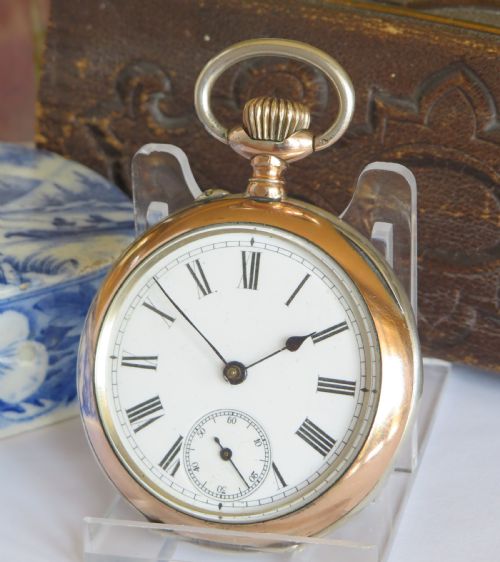
When you search for a vintage horology gift, you encounter mechanical pocket watches and wristwatches spanning from the Edwardian era through the mid-century modern period. These timepieces encompass everyday utilitarian designs alongside precision dress pieces produced by established watchmakers.
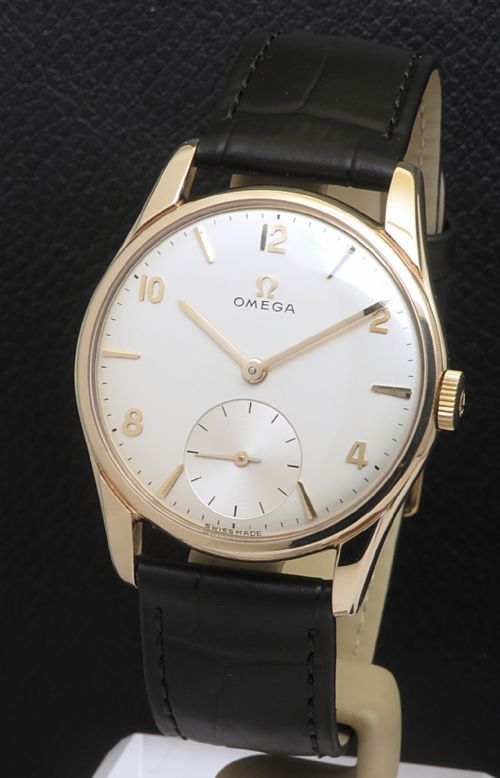
The selection on this page most frequently highlights mid-century British horology alongside continental European manufacture, featuring gold, silver, and plated cases. Forms range from open-face pocket watches with classic dial markings to gold dress watches driven by manual-wind mechanical movements.
How they were made
Cases utilise precious metals including solid nine-carat gold, rose gold plate, and sterling silver, paired with traditional components like acrylic crystals and enamel dials. Movements rely on intricate mechanical gear trains housed within protective metal housings.
Dials display applied numerals or painted Arabic characters, complemented by specialised elements such as explorer configurations and jewelled movements designed to reduce friction in the internal mechanics.
Retail Price Guide 2026
Typical UK retail prices for vintage horology gift, calculated from the Sellingantiques database of over a million retail prices indexed since 2003. This retail price guide relies exclusively on Sellingantiques data; no external sources or auction records are used, so the figures do not describe the wider market.
Listings span five decades from the Edwardian period through the nineteen-sixties, utilising solid gold, silver, and acrylic components.
What varies in quality
Quality rests upon the sophistication of the internal movement, distinguished by the jewel count and the precision of the calibre. Higher-tier examples originate from dedicated manufacturing houses possessing fully documented English or continental heritage.
Material choice dictates the standing of the piece, with solid precious metal cases and original signed dials sitting above base metal plated alternatives. Preservation of the dial typography and the integrity of the watch case define the upper tier of surviving examples.
The Vintage Horology Gift Glossary
- Calibre
- A specific designation used by watchmakers to identify a particular movement design or model. This helps collectors trace the exact mechanical lineage of a timepiece.
- Jewels
- Synthetic rubies or sapphires placed within the movement at high-friction pivot points to reduce wear. Higher jewel counts generally indicate a more refined mechanical specification.
- Open-face
- A pocket watch design that lacks a protective metal hinged cover over the crystal and dial. This style allows immediate time-telling at a glance.
- Explorer dial
- A distinctive dial layout featuring prominent numerals at key intervals for high legibility. This configuration is particularly prized by collectors of mid-century wristwatches.
Frequently Asked Questions
Are these watches suitable for daily wear?
These historical timepieces require mindful handling compared to modern quartz alternatives. Regular servicing ensures the mechanical movements continue to function reliably.
Protective care from moisture and impacts helps preserve delicate internal components and vintage crystals during regular use.
How do I wind a mechanical watch?
Turn the crown gently between your thumb and forefinger in a forward direction until you feel firm resistance. Stop immediately once tension builds to avoid damaging the mainspring.
Wind the piece at a consistent time each day if you wear it regularly to maintain steady operation.
What does a jewel count mean?
Jewels act as low-friction bearings for the gear train pivots inside a mechanical movement. More jewels generally reflect a more complex and durable mechanism.
Traditional movements often specify counts such as fifteen jewels to denote their grade.
How do I identify the production era?
Case hallmarks, dial typography, and movement calibres provide direct clues to the decade of manufacture. Edwardian pieces display distinct ornamentation compared to later mid-century designs.
Stylistic shifts from ornate early pocket watches to streamlined mid-century wristwatches mark the passing decades.