
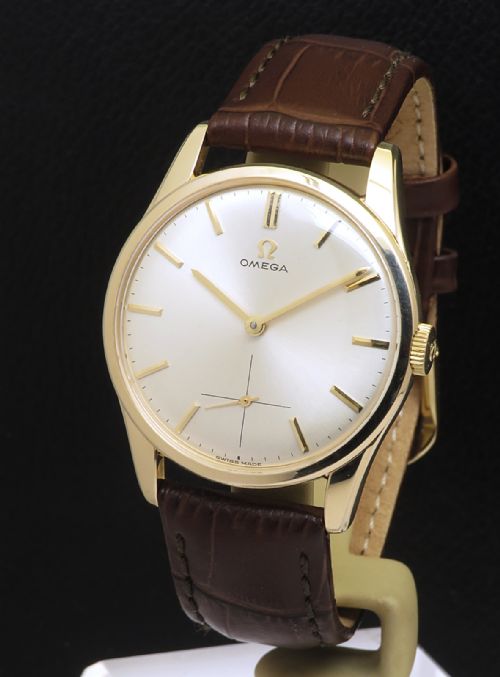


9ct Gold Timepiece
A 9ct gold timepiece brings together precious metal and precision engineering, offering a tangible link to decades of horological design.
9ct Gold Timepiece
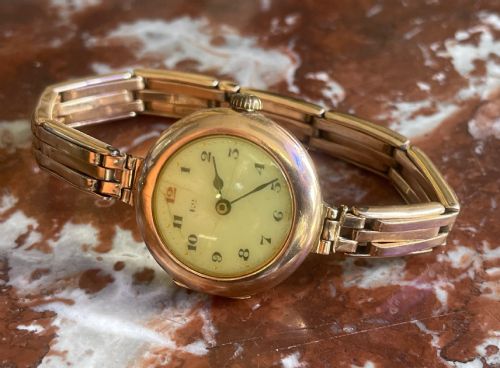
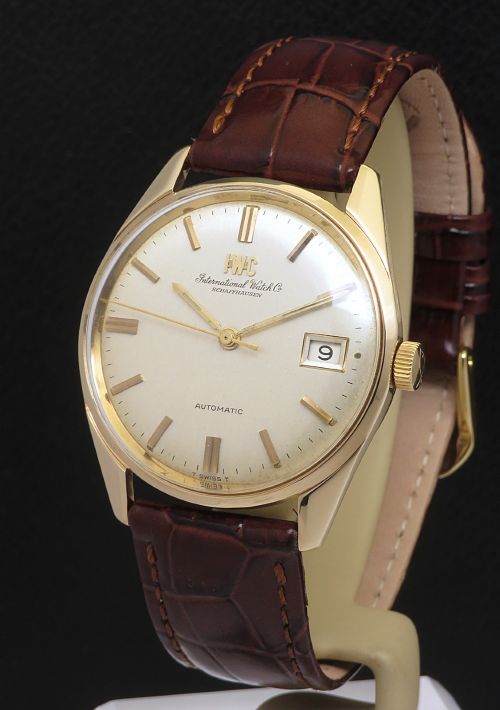
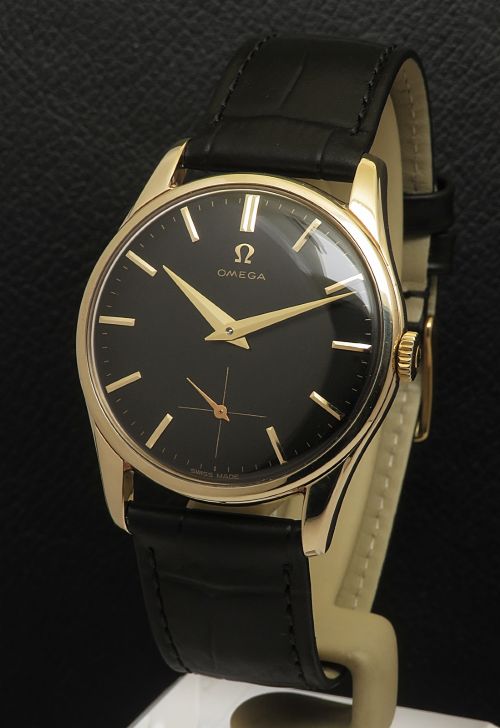
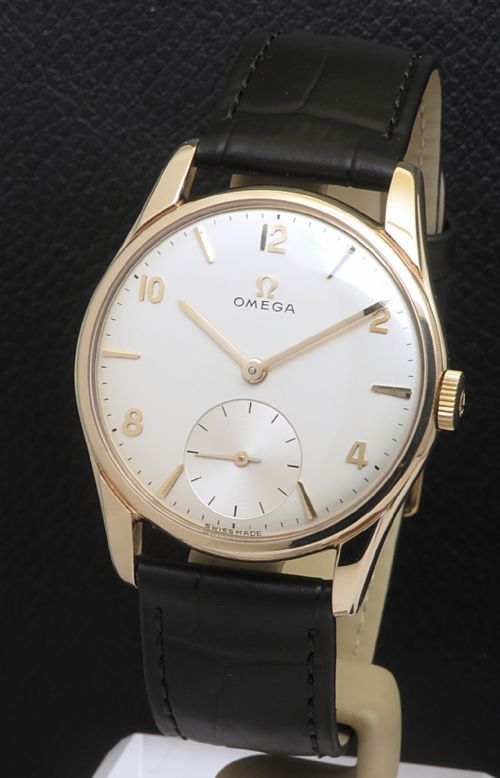
When you search for a 9ct gold timepiece, you encounter a selection spanning the Edwardian era through to the 1960s. These objects take the form of wristwatches, pocket watches, and half hunter designs encased in solid gold.
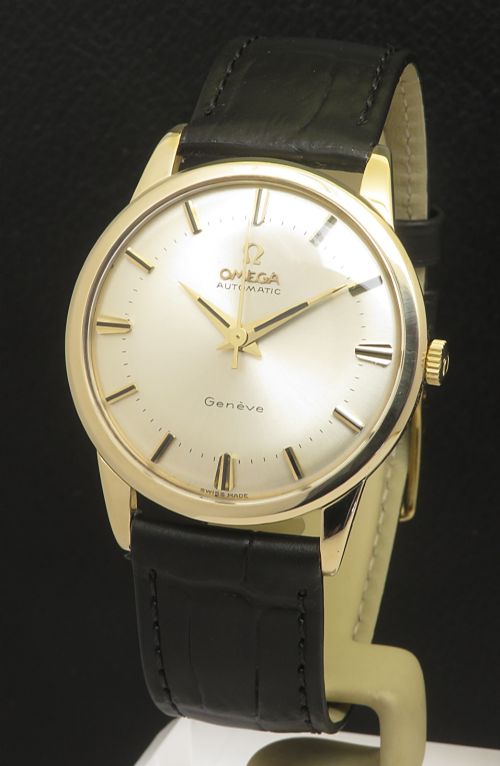
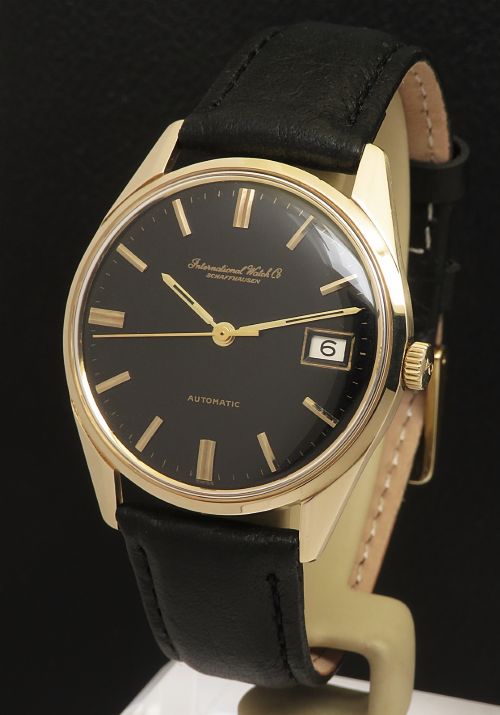
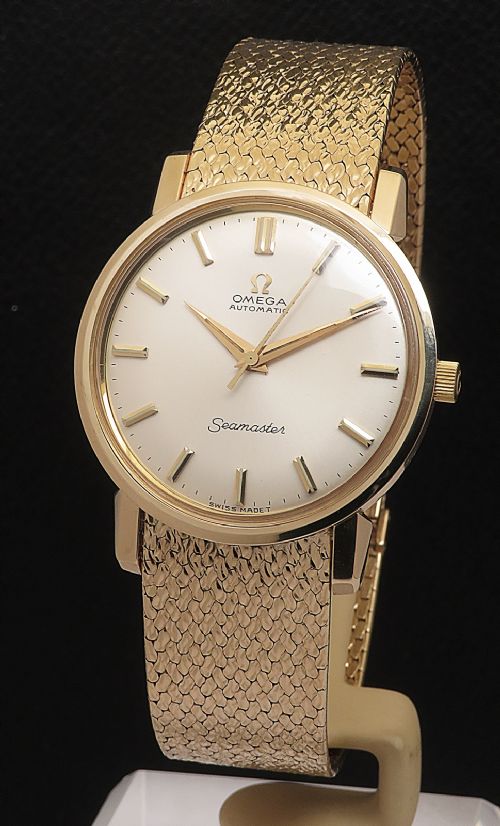
The pieces on this page lean heavily toward mid-century production, particularly Swiss and British manufactures from the 1950s and 1960s. Omega, Smiths, and IWC dominate the selection alongside earlier examples from the early twentieth century.
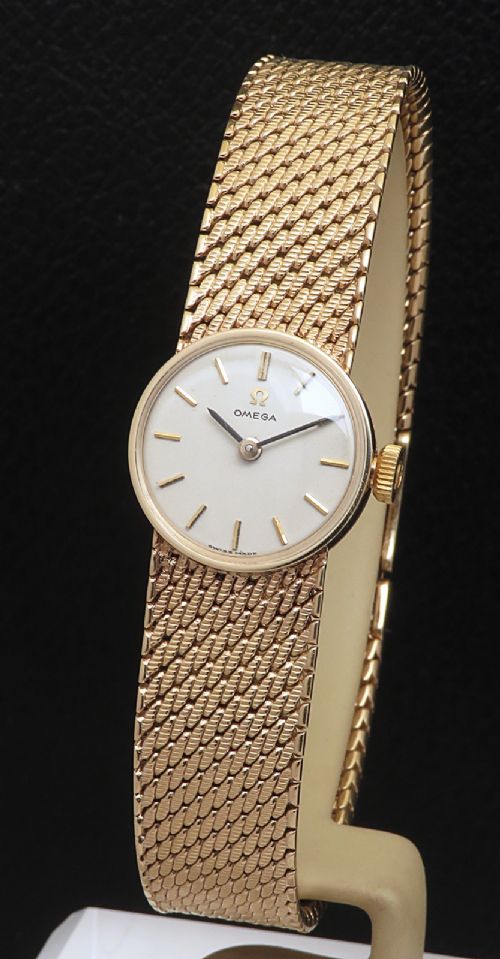
Buyers find both men's and ladies' variations, ranging from robust automatic chronometers to slim manual-wind dress watches. Each piece reflects the prevailing style of its decade, from Art Deco influences to clean mid-century modern aesthetics.
Distinguishing quality factors
The calibre of the internal mechanical movement largely defines the standing of a watch, with adjusted chronometer grades and high jewel counts separating standard pieces from finer examples. Maker reputation also dictates desirability, as established Swiss and British houses command greater attention.
Preservation of the original dial and case geometry determines the integrity of the object. Unpolished gold cases with crisp hallmarks and untactful dial restorations sit at the upper end of the scale compared to heavily worn alternatives.
Listings feature 9ct gold timepieces spanning from the 19th Century through the 1960s, incorporating materials like leather, enamel, and blued steel.
Omega·Rolex Wilsdorf and Davis·IWC·Eastern Watch Case Co·SMITHS·Accurist·Cyma·Aster·Longines
The 9ct Gold Timepiece Glossary
- Calibre
- The specific internal mechanical movement manufactured for a watch. Understanding the calibre helps identify the exact movement family and its functional capability.
- Half Hunter
- A pocket watch featuring an outer case with a glass or open centre panel allowing the time to be read without opening the cover. This design protects the enamel dial beneath.
- Chronometer
- A high-precision watch movement tested and certified to meet strict accuracy standards over various temperatures and positions. These movements represent superior horological development.
- Engine-turned
- A decorative surface technique involving precise geometric patterns engraved into metal using a manually operated lathe. This finish appears frequently on pocket watch cases and dial faces.
- Automatic
- A self-winding mechanical movement that uses the natural motion of the wearer's arm to power the mainspring. This mechanism removes the need for daily manual winding.
9ct Gold Timepiece: Frequently Asked Questions
How do I wind a manual timepiece?
Gently rotate the crown clockwise between your thumb and forefinger until you feel a distinct increase in resistance. Stop immediately at this point to avoid damaging the internal mainspring.
Wind your watch at the same time each day to maintain consistent tension and accurate timekeeping. Avoid over-winding older mechanical movements.
Are these watches water resistant?
Vintage pieces from the early to mid-twentieth century lack modern rubber gaskets and modern sealing technology. Even models marked waterproof or Seamaster should be kept away from water.
Moisture bypasses old crown seals and crystal seats easily, causing rust on the delicate steel components inside the movement. Treat these items as strictly non-waterproof.
How do I date my gold watch?
Examine the inside of the case back for British hallmarks, which include specific date letters corresponding to assay office records. Serial numbers stamped on the movement itself also allow comparison against maker production ledgers.
Stylistic cues such as dial typography, hand shape, and case geometry provide secondary clues for narrowing down the decade of manufacture.
Can I wear a vintage watch daily?
Daily wear is entirely possible provided the mechanical movement receives regular servicing by a qualified horologist. Treat the watch with care during active tasks to protect the acrylic crystal and 9ct gold case from heavy knocks.
Keep older watches away from strong magnetic fields found in modern electronics, as magnetism alters the precise rate of the balance spring.