
Antique Mechanical Wristwatch
An antique mechanical wristwatch carries the precise mechanical craft of the early to mid-twentieth century directly on the wrist.
Antique Mechanical Wristwatch
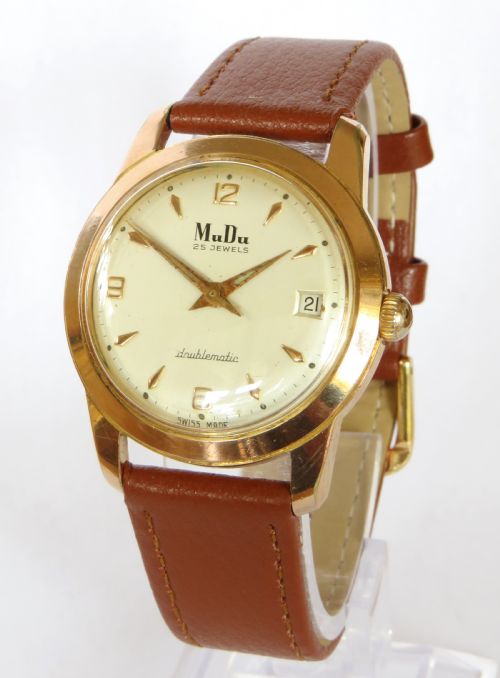
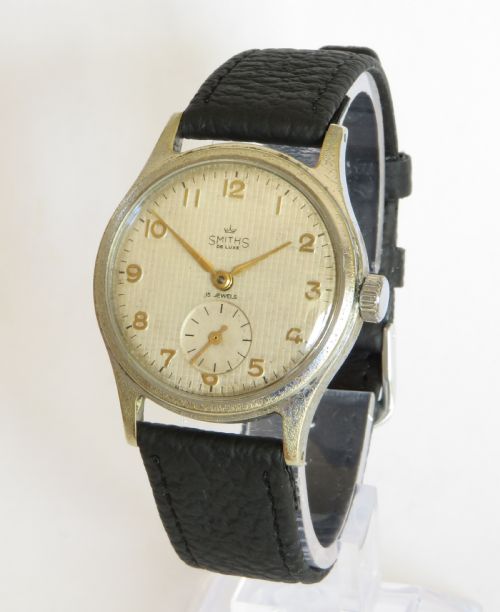
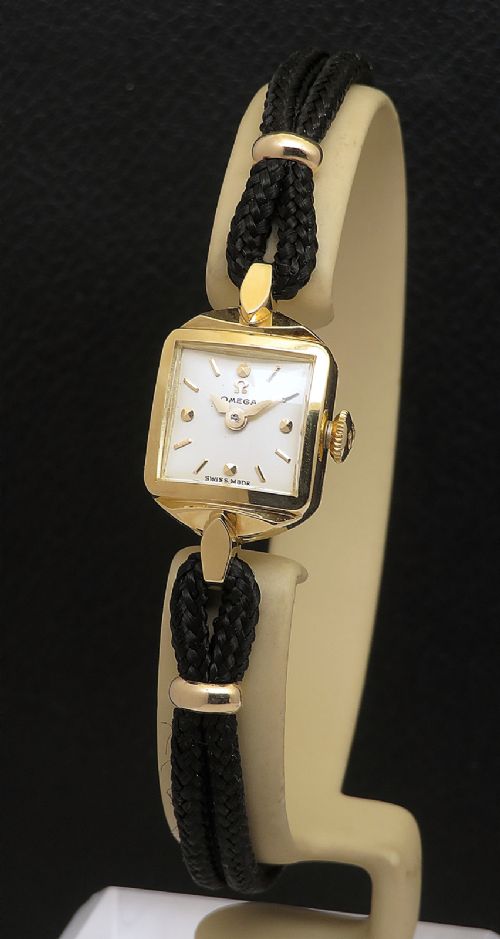
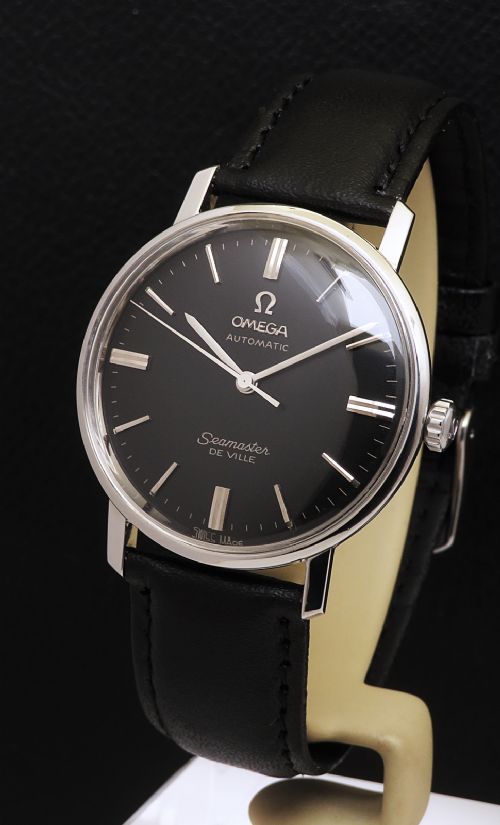
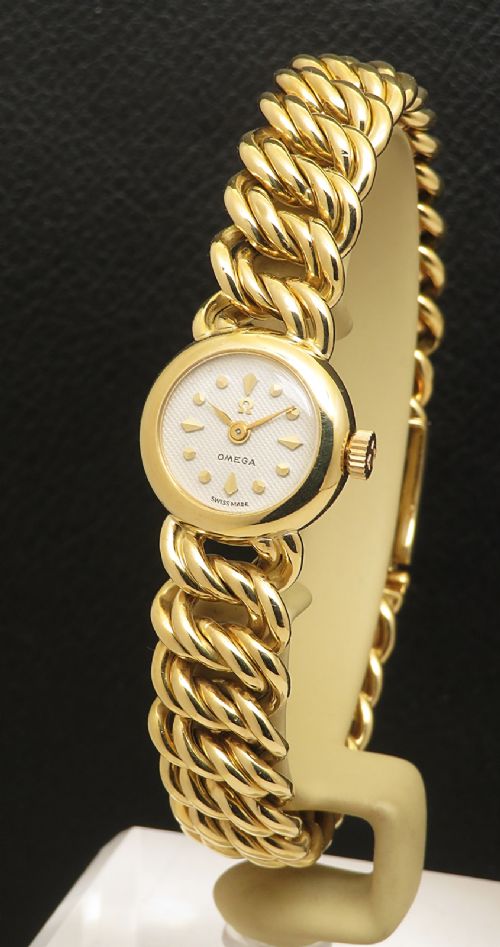
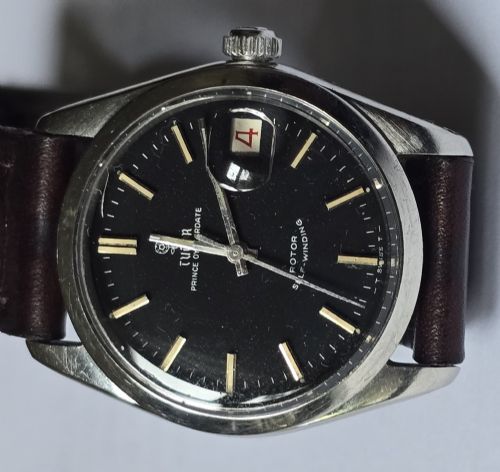
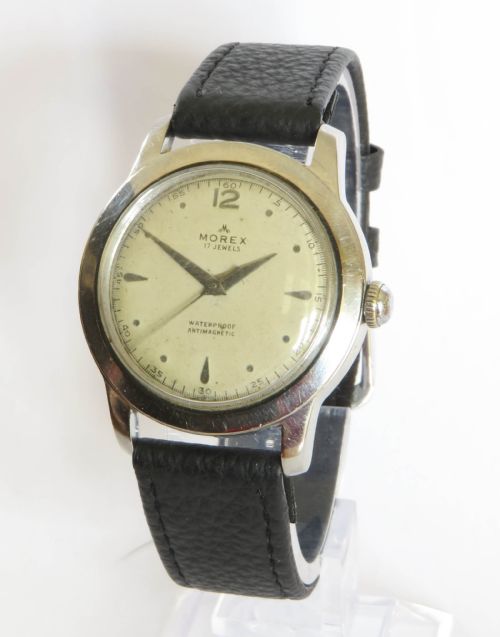
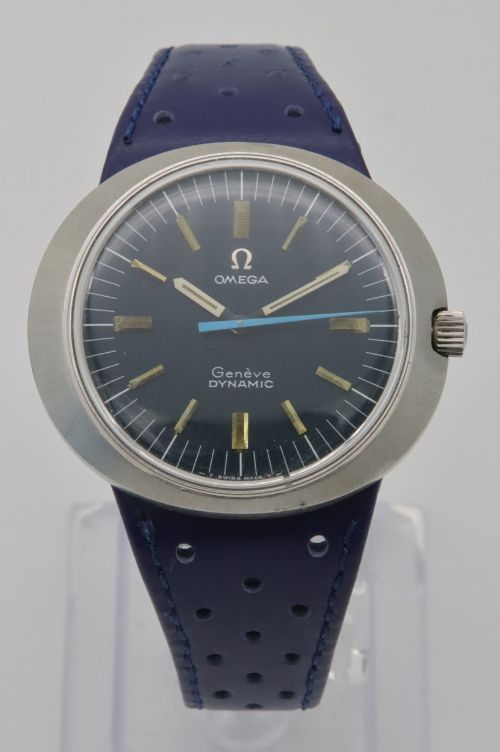
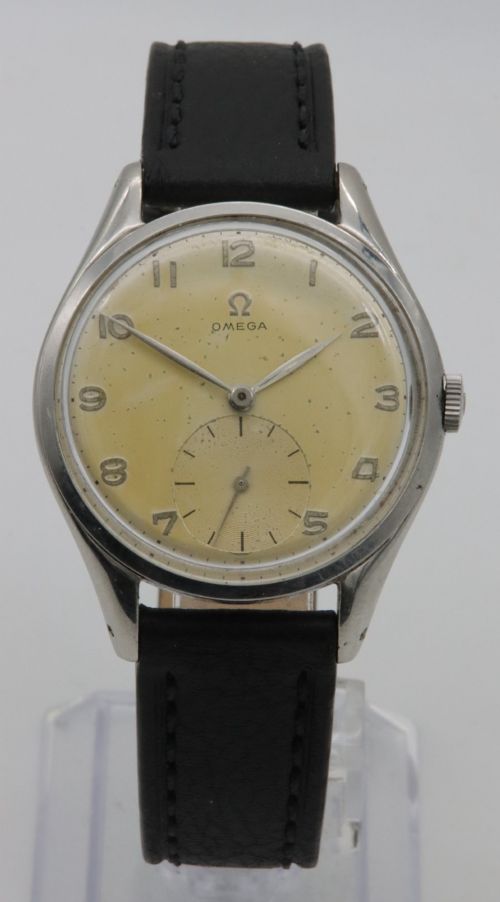
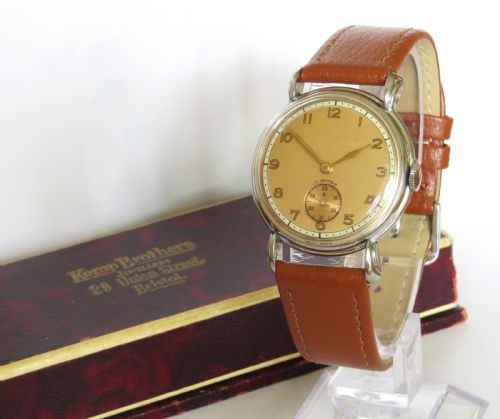
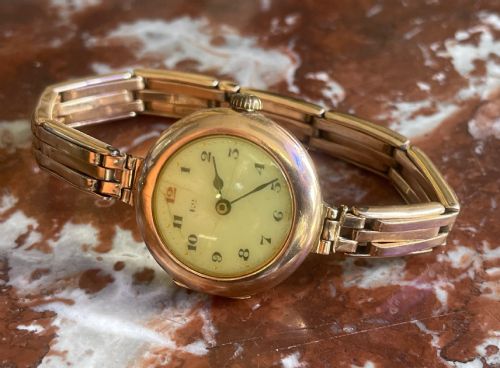
An antique mechanical wristwatch spans periods from the Edwardian era through the 1960s, encompassing military pieces, aviator chronographs, and cocktail watches. Buyers searching for an antique mechanical wristwatch typically encounter mid-century designs alongside earlier trench watches from the 1910s and 1920s.
The forms range from large steel dress models and tank watches to round gold cases and specialist pilot instruments. Swiss and British makers dominate the selection, offering manual wind and early automatic movements housed in diverse stylistic idioms from Art Deco to Mid-Century Modern.
Materials and Construction
Casework relies on solid 9ct gold, gold plate, stainless steel, chrome, and silver, paired with protective glass or acrylic crystals over enamelled or patinated dials. Leather straps complete the assembly, connecting the metal components to the wearer.
Internal movements depend on intricate mechanical gears, springs, and escapements driven by manual winding or automatic winding systems like bumper mechanisms. Workshop assembly requires precise calibration by horologists to ensure reliable timekeeping.
Object forms include standard wristwatches alongside specialised military trench watches, aviator chronographs, and elegant cocktail watches.
Distinctions in Quality
Quality separates mass-produced utility movements from superior chronometer-grade calibres produced by established Swiss and British houses. The finish of the movement components, the complexity of complications such as chronographs, and the integrity of the original dial dictate the standing of a piece.
Substantial precious metal cases or robust military specifications elevate certain examples above standard chrome-plated alternatives. Original boxes, papers, and factory signatures further distinguish the finest specimens from ordinary survivors.
Omega·Rolex·Longines·Cyma·Eterna·Smiths·Zenith·Girard Perregaux
The Antique Mechanical Wristwatch Glossary
- Calibre
- The specific internal movement design and model created by a watchmaker. This identifier allows collectors to trace the exact mechanical lineage within a brand.
- Chronograph
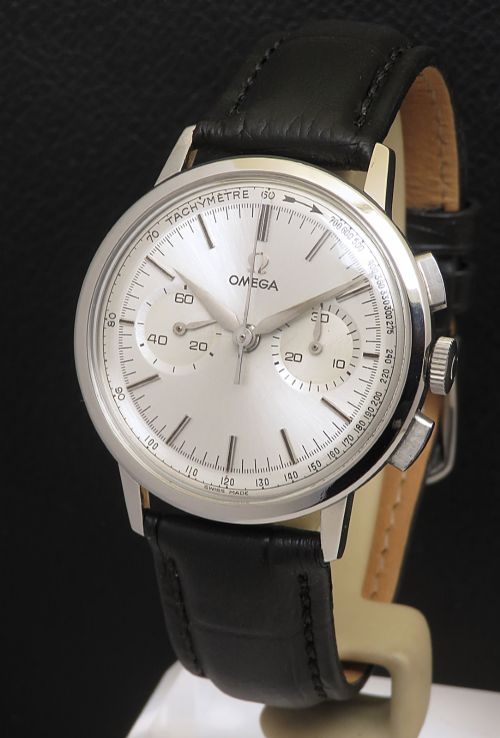
- A watch equipped with a complication that measures elapsed time independently through stopwatch functions. These mechanisms involve additional gear trains and pushers on the case.
- Trench watch
- An early wristwatch adapted from pocket watch conversions and ruggedised for military use during the First World War. They typically feature wire lugs and luminous painted dials.
- Bumper automatic
- An early self-winding movement where the rotor swings back and forth within a limited arc rather than rotating fully, cushioned by springs. This design represents a transitional phase in automatic horology.
- Tank watch
- A rectangular timepiece with bold vertical case sides that extend into the strap attachments, named after military combat vehicles. The geometry draws directly from Art Deco design principles.
Antique Mechanical Wristwatch: Frequently Asked Questions
How do I wind a mechanical watch?
Turn the crown clockwise between your thumb and forefinger until you feel gentle resistance. Stop immediately at that point to avoid over-winding and straining the mainspring.
For manual wind pieces, perform this routine daily at roughly the same time. Automatic models require less frequent manual winding if worn regularly, as wrist movement powers the internal rotor.
Can I wear my vintage watch daily?
Many collectors wear their vintage timepieces regularly, provided basic care is observed. These mechanical items require respect for their age and delicate internal architecture.
Keep them away from water, magnetic fields, and heavy impacts. Routine servicing by a qualified horologist every few years ensures the lubricants remain effective.
What is an aviator chronograph?
An aviator chronograph is a specialist timepiece designed for pilots to calculate speed, distance, or elapsed flight duration. The dial includes additional sub-dials and specialised scales alongside standard time display.
Fitted with chronograph pushers, these watches served as critical navigation instruments during mid-century military and commercial flight.
How do I identify a trench watch?
Trench watches date from the 1910s and early 1920s, bridging the transition from pocket watches to wristwear. They feature distinctive wire loop lugs soldered to the case to hold a leather strap.
Enamel dials with large Arabic numerals and cathedral hands are common, often retaining original military issue marks or radium lume on the markers.