


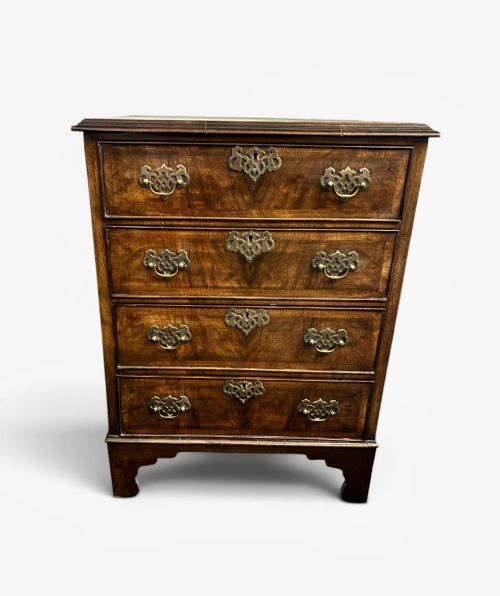
Vintage Brass Handle Chest
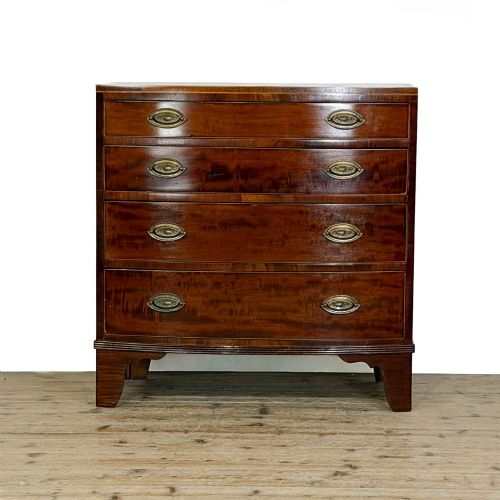
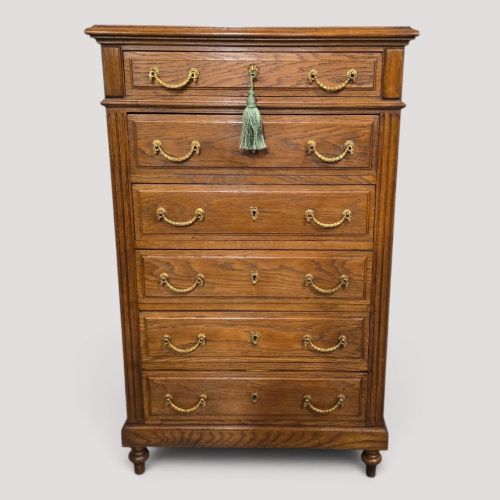
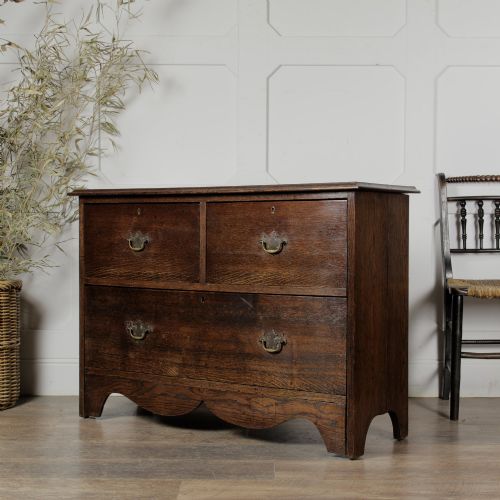
A vintage brass handle chest brings together substantial timber and durable metal hardware to store textiles and papers with straightforward elegance.
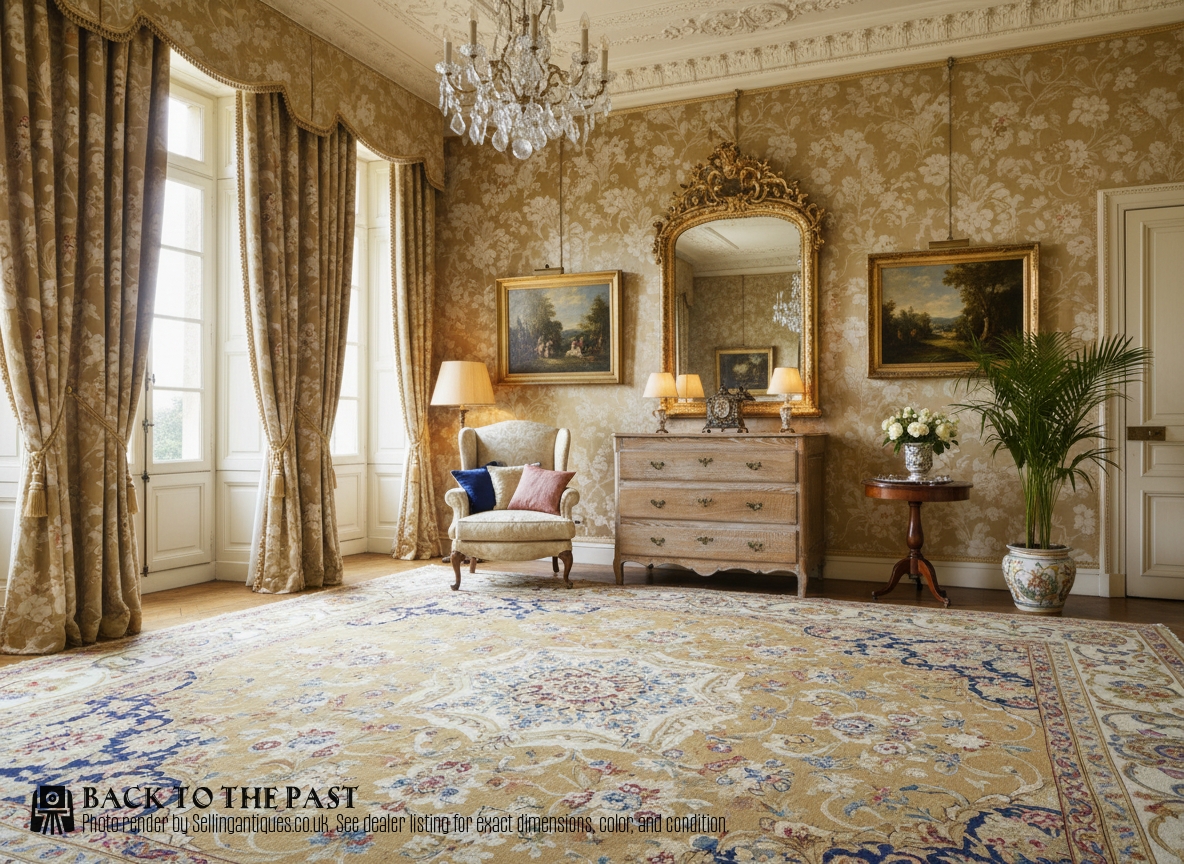
Vintage Brass Handle Chest
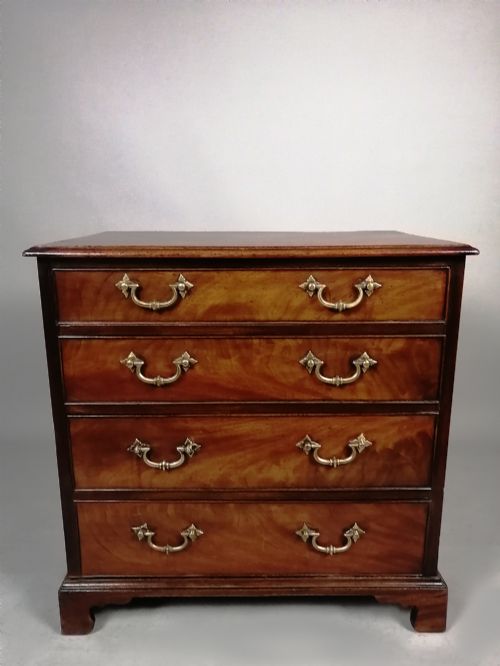
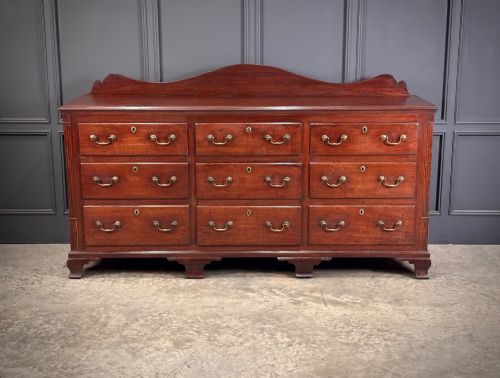
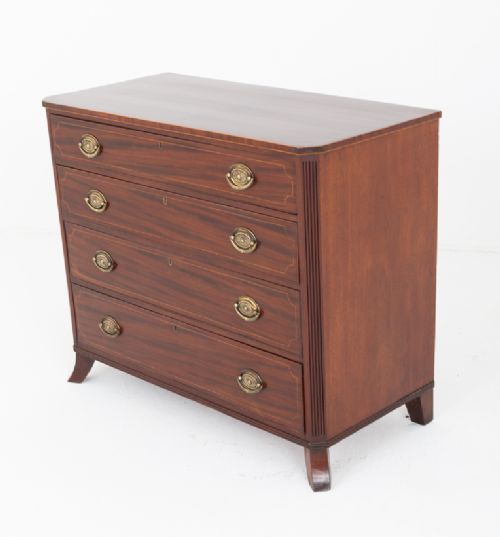
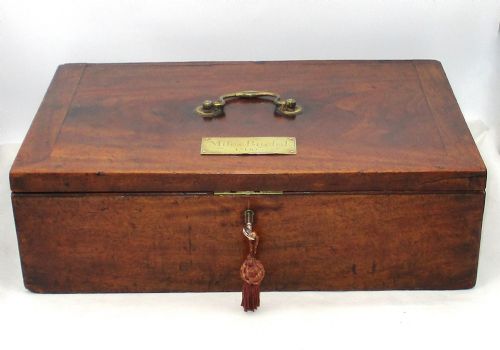
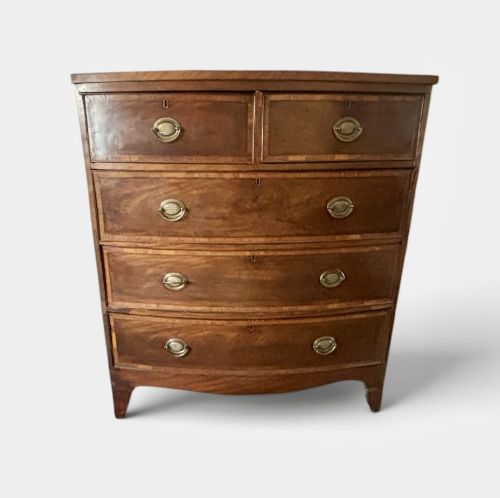
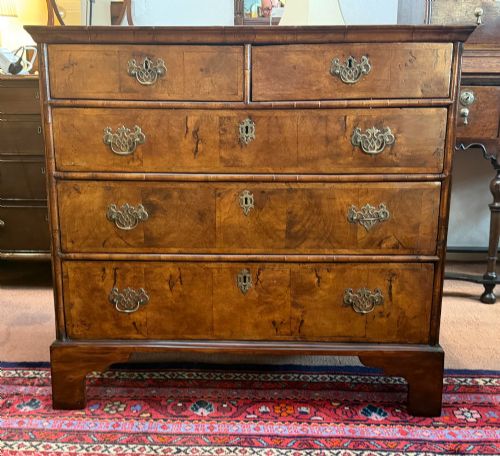
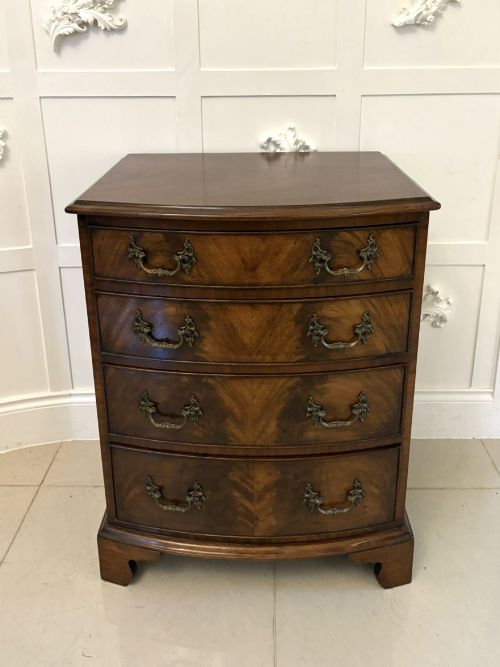
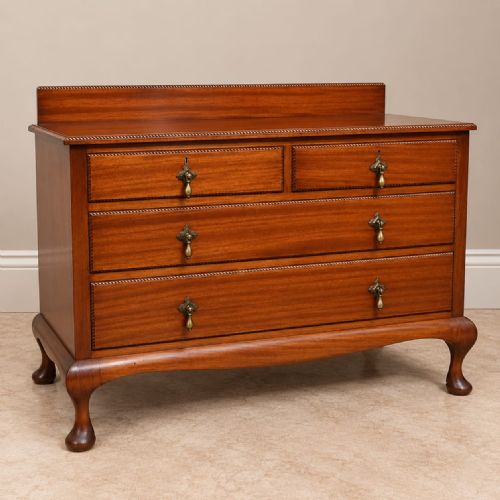
When you search for a vintage brass handle chest, you encounter practical storage furniture built from durable woods and fitted with metal mounts. These pieces take the form of chests of drawers, document boxes, trunks, and writing bureaux.
The selections span multiple eras including the Georgian, Regency, Victorian, and Edwardian periods. Mahogany remains the most common primary timber, alongside oak, walnut, and camphor wood.
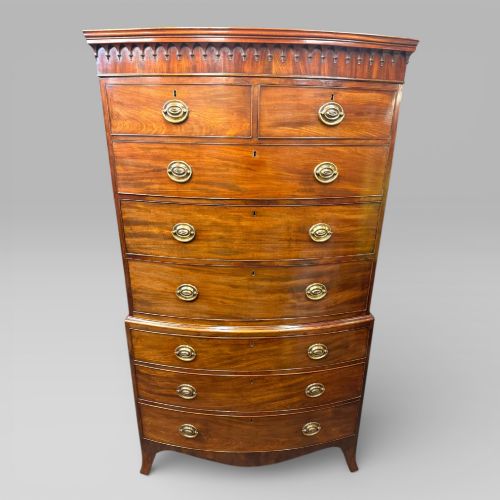
Makers constructed these storage items to serve domestic and travel needs across English, American, and continental workshops. Standard configurations range from low oak units to tall bow-front chests on chests.
How they were made
Cabinetmakers constructed carcass frames using hardwoods such as mahogany, oak, and walnut, frequently incorporating flame veneers and satinwood bandings for decorative effect. They joined drawer sides using tight hand-cut dovetails that ensured structural endurance under daily loads.
Solid brass handles and escutcheons were cast and fitted to drawer faces, secured by pins or threaded posts behind the wood. Secondary timbers like pine often formed internal drawer linings and back panels while exterior surfaces received polished finishes.
Camphor wood military trunks retain their distinct aromatic scent centuries after deployment.
What varies in quality
Quality shifts depending on the selection of primary timber and the precision of the cabinetmaker's joinery. Superior examples utilise figured mahogany, flame mahogany, or burr walnut with matching grain patterns across successive drawer fronts.
The refinement of the brass hardware and the crispness of edge mouldings dictate the tier of craftsmanship. Pieces featuring secondary woods of equal grade and intact original brass handles sit at the upper end of the range.
Jas Shoolbred
The Vintage Brass Handle Chest Glossary
- Bow front
- A convex curved cabinet front that projects outward at the centre. This curved profile appears frequently on Georgian and Regency mahogany chests.
- Dovetail
- A joint formed by interlocking wedge-shaped fingers that secures drawer corners together. Hand-cut dovetails indicate traditional period craftsmanship.
- Brushing slide
- A pull-out board inset beneath the top surface used for writing or folding garments. These sliding shelves are typically found on Georgian examples.
- Tallboy
- A tall chest of drawers made in two stacked sections, often a chest on chest configuration. George III versions provide substantial vertical storage.
- Escutcheon
- A protective metal plate surrounding a keyhole to prevent timber wear. They are cast in brass to match the drawer pulls.
Vintage Brass Handle Chest: Frequently Asked Questions
What is a brass handle chest?
A brass handle chest is a wooden storage unit fitted with metal drawer pulls and mounts. These items primarily include chests of drawers and document boxes.
Craftsmen built them across the Georgian, Victorian, and Edwardian eras using timbers like mahogany and oak to hold clothing and household goods.
How do I identify a Georgian chest?
Georgian chests display hand-cut dovetailing, period timber selections like mahogany or oak, and characteristic proportions. Many incorporate brass swan-neck handles and bracket feet.
Later revival pieces replicate these traits, so examining internal wood construction helps confirm the production era.
Where were these chests used?
These pieces served practical storage functions in bedrooms, hallways, and studies. Document boxes and campaign trunks also accommodated travel needs.
Their robust timber construction allowed them to withstand heavy daily use across domestic and administrative settings.
How do I care for wooden chests?
Keep wooden chests away from direct heat sources and drastic humidity changes to protect the timber and veneers. Regular dusting maintains the polished finish.
Avoid commercial silicone sprays and use appropriate wax polish sparingly to preserve the natural grain of the wood.