




1920s Walnut Chest
A 1920s walnut chest brings rich grain and practical storage to a room, offering both Art Deco flair and traditional revival forms.
1920s Walnut Chest
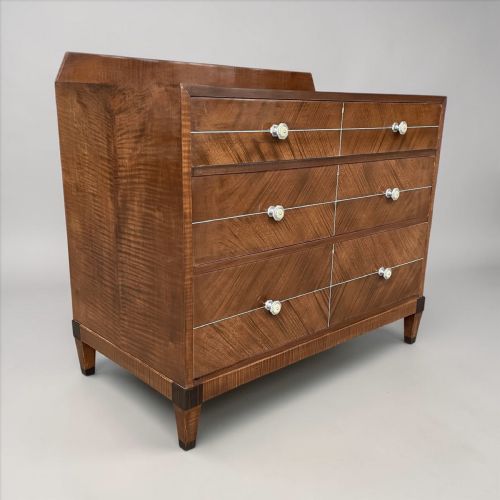
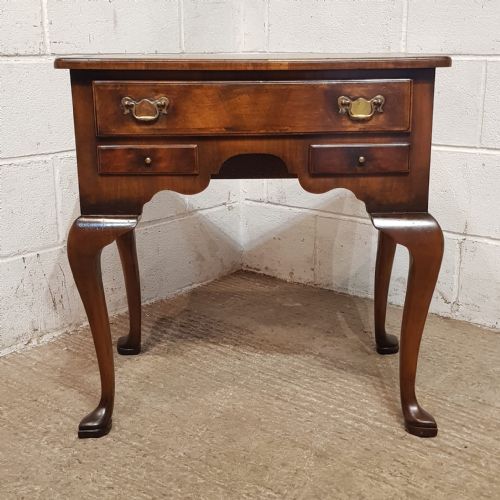
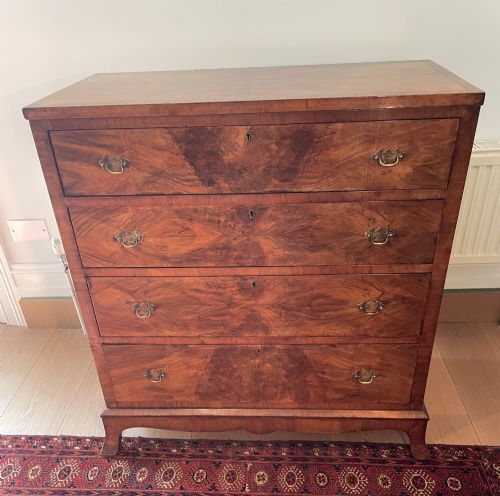
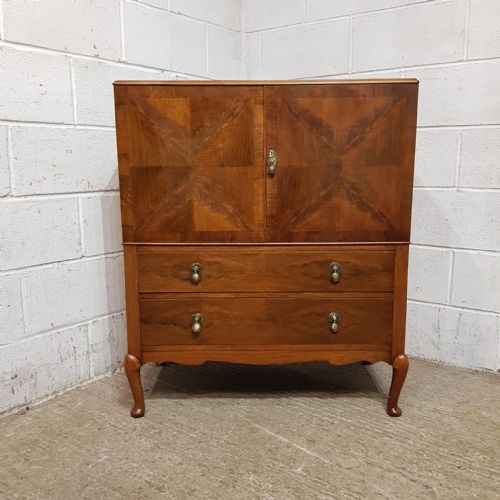
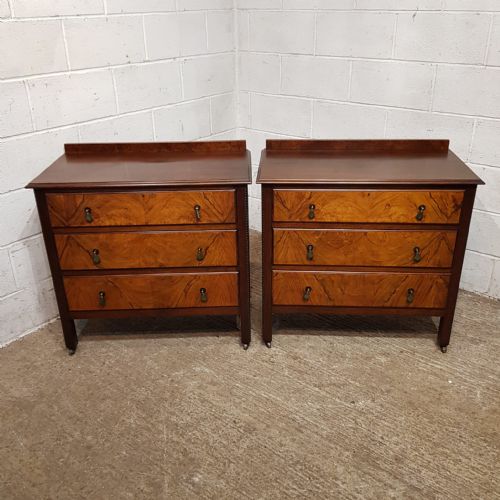
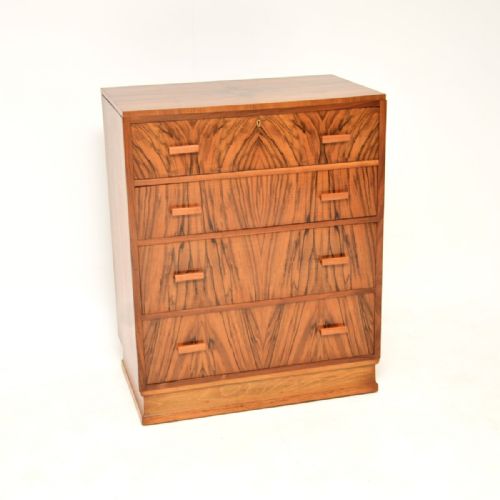
A 1920s walnut chest encompasses several practical forms built during the 1920 and 1930 periods, ranging from traditional tallboys and lowboys to striking Art Deco pieces. Buyers searching for a 1920s walnut chest will encounter traditional drawer configurations as well as bedside cabinets and cocktail drinks cabinets.
The selection on this page shows pieces spanning the George V era through to the distinct geometric lines of Art Deco. Alongside standard chests of drawers, one finds specialised forms such as folding cabinets and chests on stand.
Revival styles also appear frequently, with Queen Anne and Georgian influences sitting alongside Arts and Crafts execution. These variations provide buyers with a choice between stately period revivals and streamlined modernist designs.
What varies in quality
Quality in a 1920s walnut chest depends on the selection and application of the veneer, with matched burr walnut sitting at the upper end of the scale. Superior pieces display thoughtful grain orientation that flows coherently across the entire front of the cabinet.
The integrity of the underlying construction and the finesse of the joinery distinguish standard production items from workshop pieces. Details such as drawer linings, hardware selection, and the crispness of revival mouldings further separate the tiers.
1920s Walnut Chest Retail Price Guide 2026
Typical asking prices for 1920s walnut chest among the pieces listed under this phrase on Sellingantiques today, from the lower quarter to the upper quarter. They describe what is for sale here now, not the wider market.
Object types recorded across the inventory include tallboys, lowboys, cocktail cabinets, and bedside cabinets.
Arthur Simpson·Heal's
The 1920s Walnut Chest Glossary
- Burr walnut
- A figured wood veneer taken from the growth excrescences of walnut trees, prized for its swirling grain patterns. It forms the decorative surface on many high-end cabinets from this era.
- Tallboy
- A tall chest of drawers, often constructed in two sections with a chest sitting on a lower base. This form maximises vertical storage capacity while maintaining a compact footprint.
- Lowboy
- A small low table with drawers, functioning similarly to a small chest or dressing table. These pieces typically feature slender legs supporting a drawer-fitted carcase.
- Cocktail cabinet
- A specialised storage piece designed for serving drinks, featuring fitted interior compartments for glassware and bottles. They often showcase decorative burr walnut veneers on the exterior doors.
- Crossbanded
- A border technique where thin strips of veneer are laid perpendicular to the main grain direction. This decorative edging frames drawer fronts and table tops on revival styles.
1920s Walnut Chest: Frequently Asked Questions
What is a tallboy?
A tallboy is a high chest of drawers that provides substantial vertical storage without taking up excessive floor space.
These pieces often split into upper and lower sections, making them manageable to move while retaining their imposing height.
How do I clean walnut?
Walnut surfaces respond best to gentle dusting with a soft, dry cloth to remove daily grit.
Occasional application of appropriate wax polish maintains the timber's lustre without building up heavy residues that obscure the grain.
Are these pieces Art Deco?
Many pieces from this decade embrace the bold geometric forms and streamlined silhouettes characteristic of the Art Deco movement.
Others adhere to traditional revival aesthetics like Queen Anne or Georgian styles, demonstrating the design diversity of the period.
Where should I place it?
A walnut chest suits bedrooms, hallways, or living spaces where its warm tones and figured grain can act as a focal point.
Care should be taken to keep wooden furniture away from direct heat sources and strong sunlight to protect the veneer.