




Vintage Brass Curb
These vintage brass curb pieces are heavy hearth guards spanning Victorian, Edwardian, and Art Deco periods, designed to anchor a room.
Vintage Brass Curb
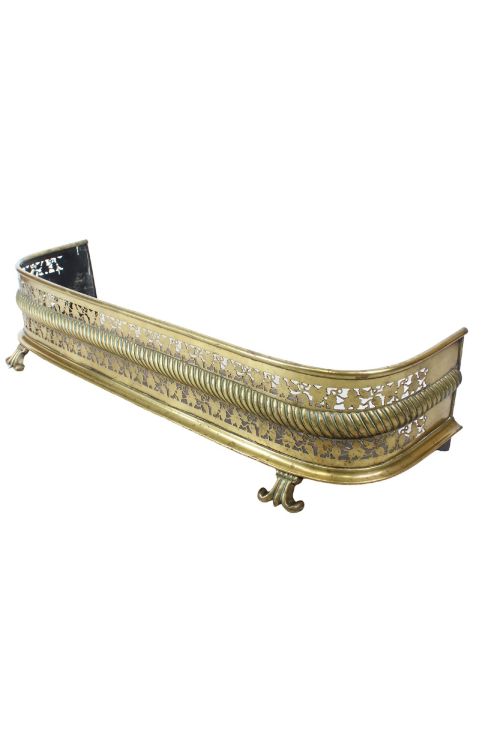
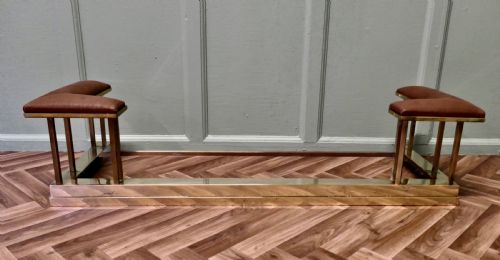
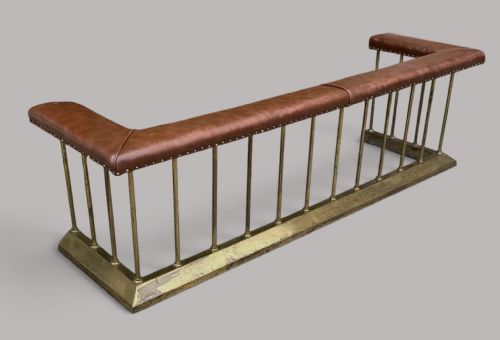
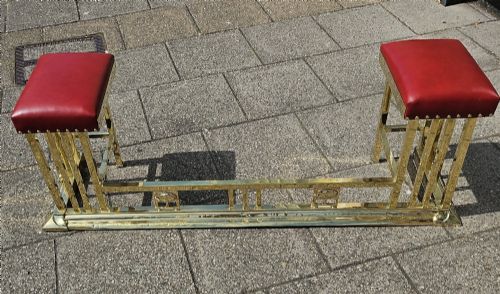
When you search for a vintage brass curb, you are looking at hearth furniture designed to contain embers and frame an open fire. These items take the form of fireplace fenders, club fenders with leather seats, and extending kerbs.
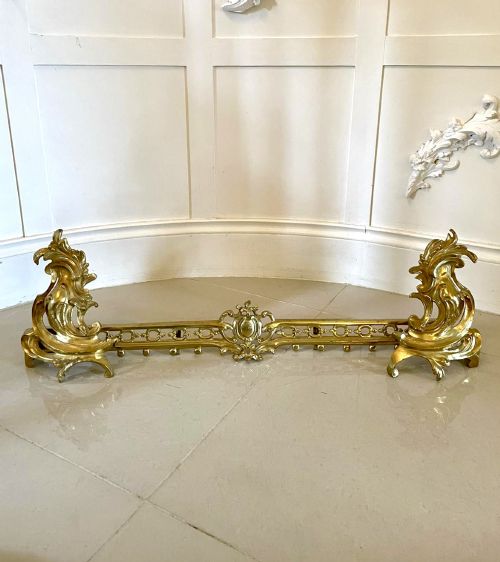
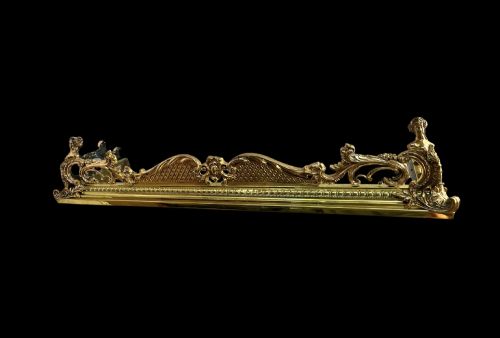
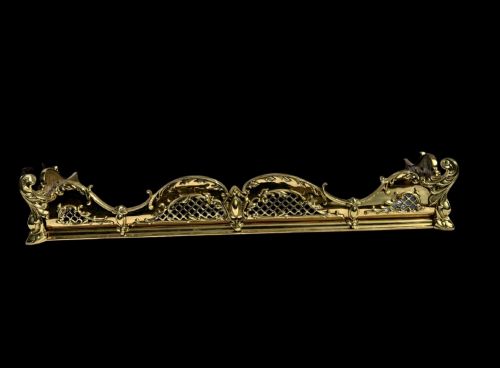
The pieces you meet on this page originate predominantly from the nineteenth and early twentieth centuries. Victorian and Edwardian examples appear frequently, alongside occasional French Rococo and Art Nouveau interpretations.
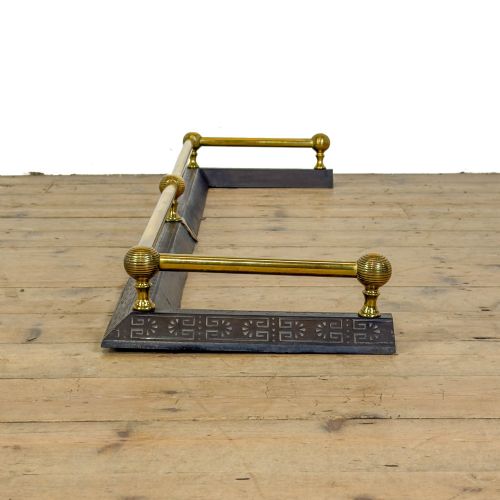
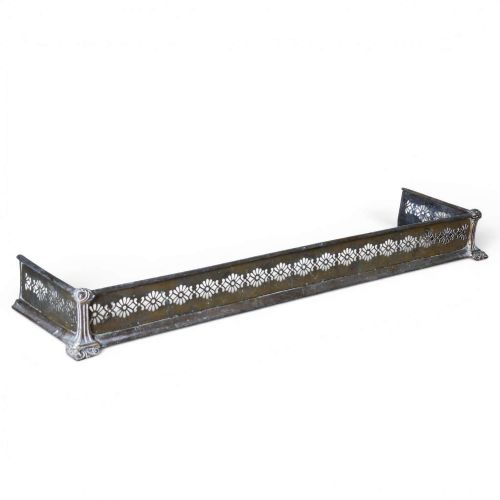
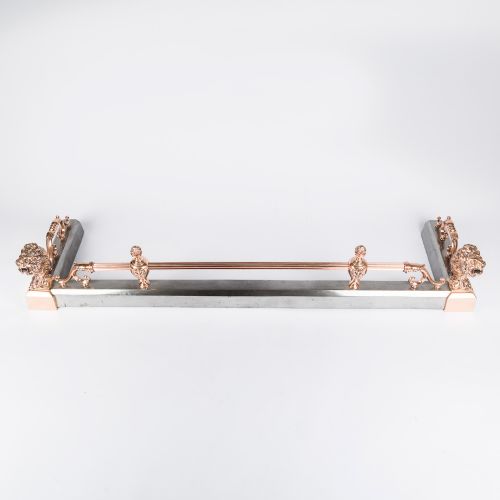
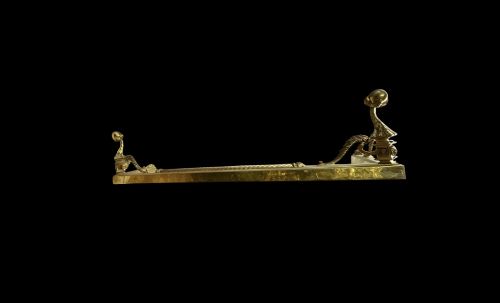
Forms range from simple pierced brass rails to heavy cast brass and steel combinations. Many incorporate adjustable or extending mechanisms to fit various hearth dimensions.
How they were made
Makers utilised cast and sheet brass, often combining iron, steel, and bronze for structural rigidity. Leather upholstery appears on club fender seat pads, typically secured with studding.
Piercing, scrolling, and moulding techniques shaped the metal components. Gilded brass finishes and polished surfaces provide the characteristic sheen seen across these hearth accessories.
Listings feature brass combined with iron, steel, leather, and bronze across Victorian, Edwardian, and Art Deco periods.
What varies in quality
Substance and weight separate robust examples from lighter pieces. Cast brass components and heavy gauge steel offer greater durability than thin sheet metal constructions.
The intricacy of piercing and the finish of chased or scrolled details indicate the level of craftsmanship involved. Original leather upholstery and intact extending mechanisms also influence the character of each fender.
The Vintage Brass Curb Glossary
- Fender
- A low metal guard placed around the hearth to keep coals and ash from spilling onto the floor. These items also serve to frame the fireplace opening.
- Club fender
- A specialised hearth guard featuring upholstered corner seats flanking the fireplace. These pieces date largely from the late nineteenth and early twentieth centuries.
- Kerb
- An alternative spelling for curb, referring to the boundary structure of the fireplace fender. It denotes the low barrier enclosing the hearth area.
- Pierced brass
- Metalwork decorated by cutting or stamping ornamental patterns through the sheet. This technique lightens the visual weight of heavy brass rails.
Vintage Brass Curb: Frequently Asked Questions
What is a club fender?
A club fender is a hearth guard that incorporates low upholstered seats at either side. These allowed people to sit close to the fire for warmth.
They emerged in nineteenth-century interiors and often feature leather cushions supported by brass and steel frames.
How do I measure for a fender?
You measure the width and depth of your hearth stone to ensure the guard fits the perimeter. Extending models offer flexibility if exact dimensions vary.
Allow clearance for fire irons and ensure the guard sits securely on the floor.
How do I clean antique brass?
You clean antique brass gently to preserve the patination accumulated over decades of use. Avoid harsh chemical cleaners that strip the historic surface.
A soft cloth and mild soap solution suffice for general maintenance of polished or gilded metal.
Are these fenders adjustable?
Many nineteenth and twentieth-century fenders include extending mechanisms. These allowed the width to be modified for different hearth sizes.
Adjustable examples often feature sliding rail sections secured with internal bolts.