

Vintage Brass Bed Frame
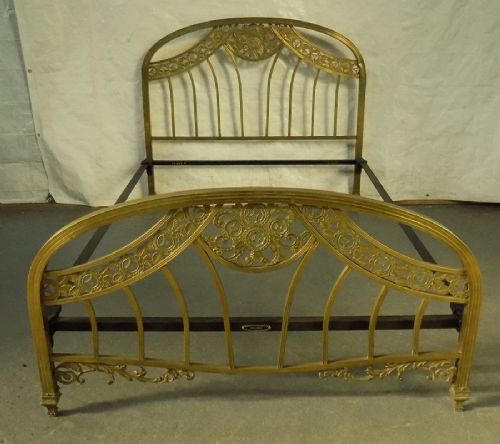
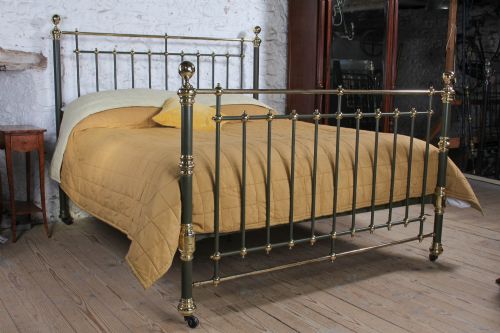
A vintage brass bed frame brings warmth and structural presence to a bedroom, drawing the eye with polished metal and cast detail.
Vintage Brass Bed Frame
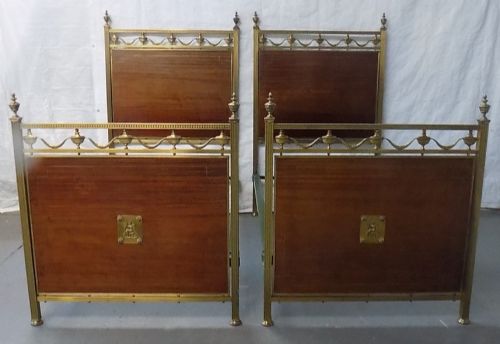
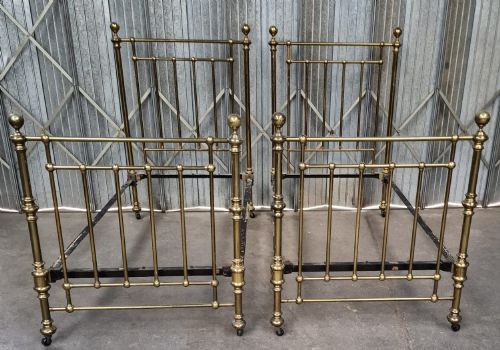
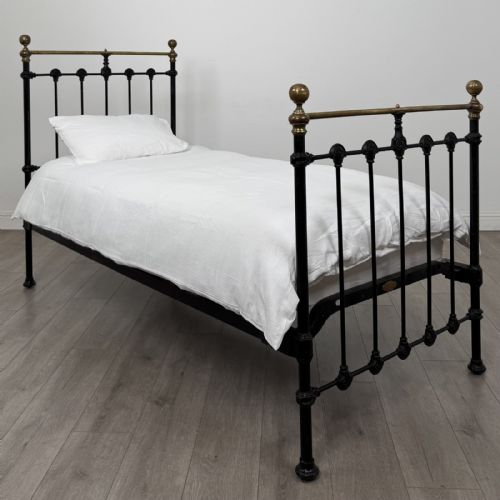
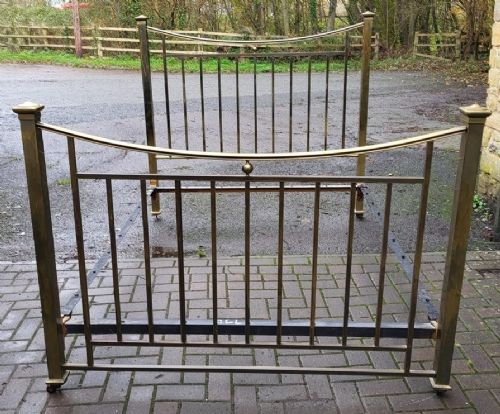
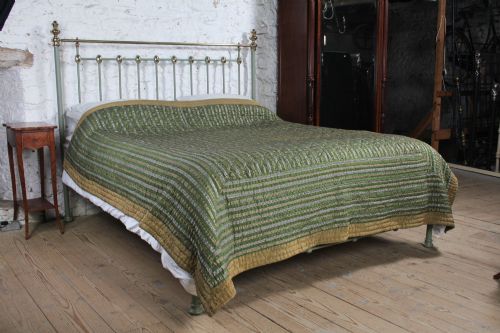
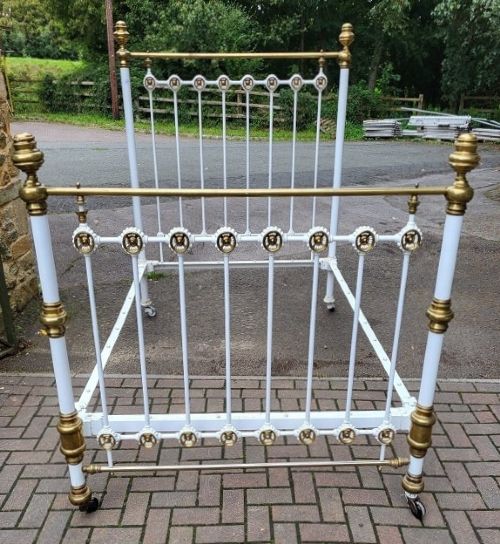
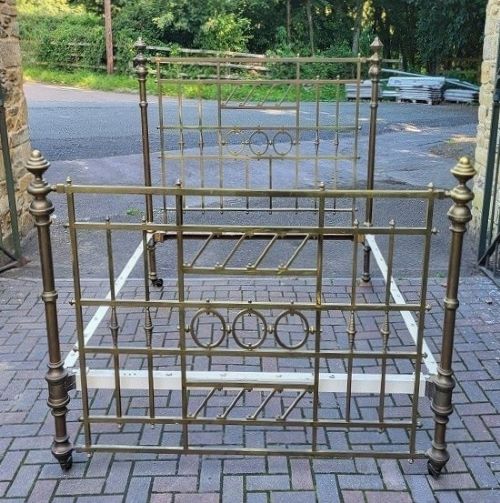
A vintage brass bed frame is a sturdy piece of furniture designed for sleeping, combining metal framework with decorative headboards and footboards. When buyers search for a vintage brass bed frame, they encounter robust Victorian and early twentieth-century examples ranging from single sizes to super king dimensions.
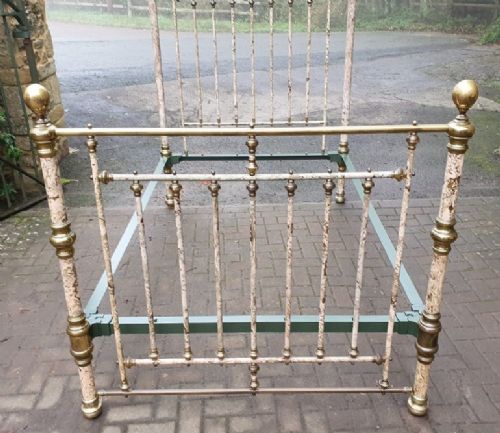
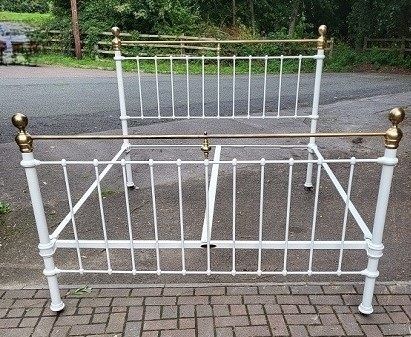
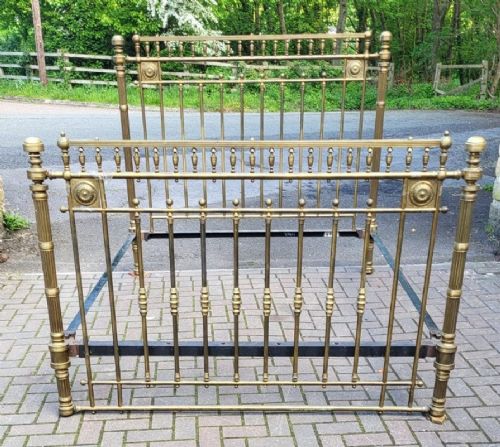
The most common versions met on this page are double and king size Victorian bedsteads. These pieces often feature substantial metal tubing paired with decorative cast brass components, sometimes incorporating iron side rails known as irons.
How they were made
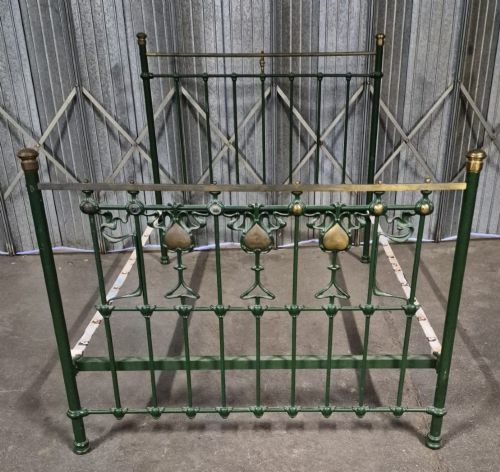
Makers constructed these bedsteads using a combination of brass, cast iron, and wrought iron. The primary structural elements often relied on iron for strength, whilst visible decorative tubing and finials utilised bright brass.
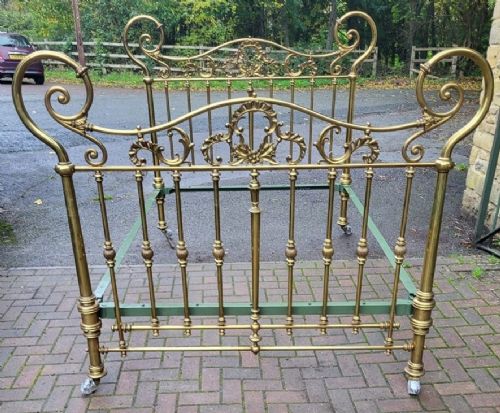
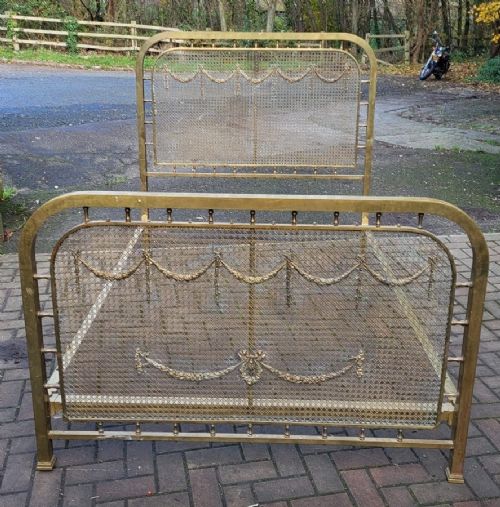
Craftsmen employed casting techniques to shape ornate junctions, collars, and decorative panels. Certain pieces incorporated inlaid mother of pearl or detailed wooden elements like maple to enhance the visual appeal of the metalwork.
Vintage Brass Bed Frame Retail Price Guide 2026
Typical asking prices for vintage brass bed frame among the pieces listed under this phrase on Sellingantiques today, from the lower quarter to the upper quarter. They describe what is for sale here now, not the wider market.
One exceptional Victorian bed frame successfully combines cold industrial metal with shimmering mother of pearl.
What varies in quality
Quality in these bedsteads rests on the weight and thickness of the brass tubing and the crispness of the cast ornamentation. Superior examples display deeply detailed junctions and heavy, solid construction rather than thin, pressed sheet metal.
The sophistication of the design dictates the upper tier of the range, seen in Gothic Revival motifs, Art Nouveau curves, or unusual maker attribution. Simpler utilitarian frames sit at the base, whilst elaborate multi-material creations command greater visual interest.
Maple and Co·Hoskins and Sewell·RW Winfield
The Vintage Brass Bed Frame Glossary
- Bedstead
- A framework of a bed upon which mattresses and bedding are supported. This traditional term appears frequently in nineteenth-century listings.
- Half tester bed
- A bed featuring a canopy that extends only partway over the length from the headboard. It creates a focused overhead structure without overwhelming the room.
- Irons
- The metal side rails that connect the headboard and footboard together to support the mattress base. They provide essential structural rigidity to the frame.
- Finial
- A decorative ornamental crowning piece fitted to the top of bedposts. Makers often cast these in brass to match the primary frame.
- Gothic Revival
- A design style drawing on medieval architectural motifs such as pointed arches and quatrefoils. This style imparts a dramatic ecclesiastical character to Victorian metalwork.
Vintage Brass Bed Frame: Frequently Asked Questions
How do I choose the right size?
Measure your bedroom floor space carefully and check the specific dimensions provided in the listing details, remembering that super king and king sizes require considerably more clearance than standard double or single bedsteads.
Account for the protruding decorative brass finials and headboard height, as these can affect ceiling clearance and placement beneath windows.
Are modern mattresses compatible with vintage frames?
Many older bedsteads utilise non-standard or historic dimensions that differ from contemporary metric mattress sizes. It is essential to verify the internal length and width of the iron side rails before purchasing a modern mattress.
Some buyers utilise custom mattress makers to ensure a precise fit within these historic metal structures.
How do I date a brass bed frame?
Examine the stylistic cues, such as geometric Victorian lines, soaring Gothic Revival arches, or flowing Art Nouveau curves. The presence of specific maker stamps or patent marks on the ironwork can also narrow down the production era.
Materials provide further clues, as combinations involving mother of pearl or specific casting methods align with late nineteenth or early twentieth-century manufacturing practices.
How should I clean polished brass?
Dust the metal regularly with a soft, dry cloth to prevent the accumulation of airborne particles. Avoid harsh chemical abrasive cleaners that can strip historic patination or damage protective lacquers.
Consult a specialist conservator if you wish to restore the bright golden shine of neglected brass surfaces.