
Vintage Botanical Wall Art
Vintage botanical wall art brings the colour and quiet study of the natural world indoors through centuries of painted and printed flower and bird studies.
Vintage Botanical Wall Art
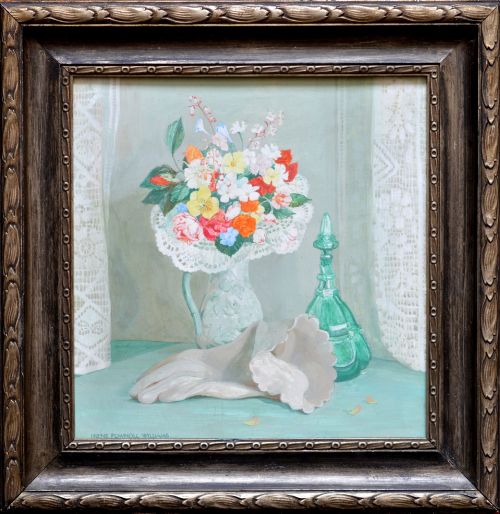
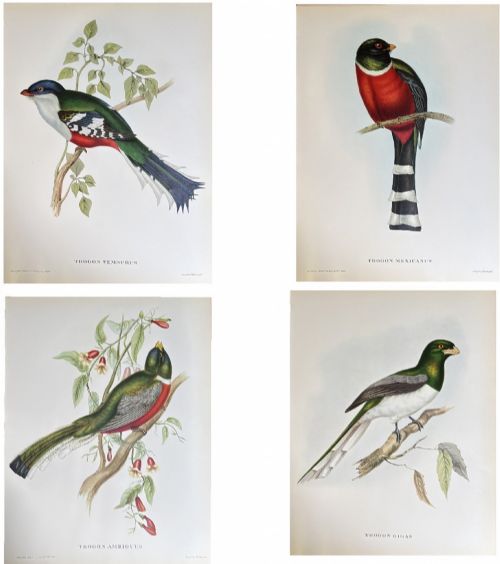
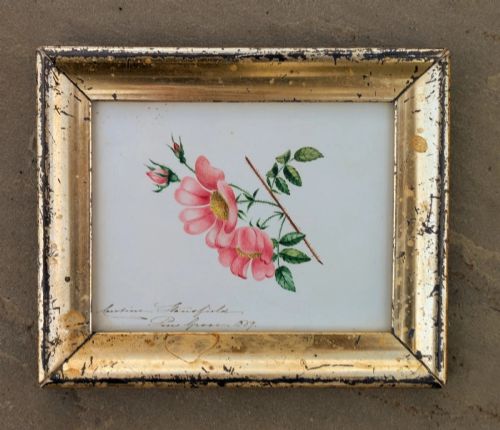
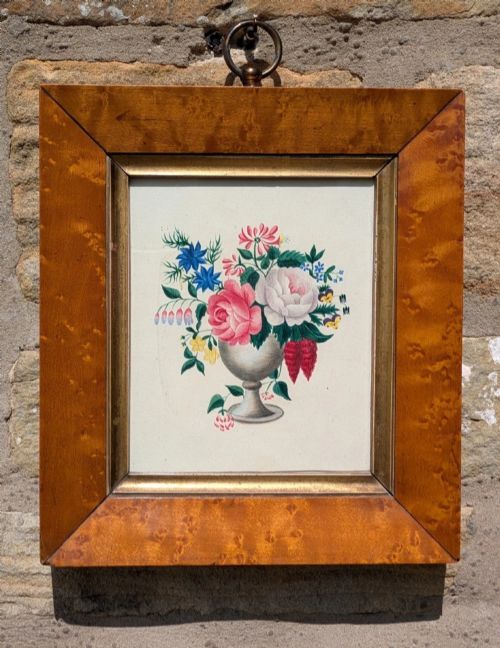
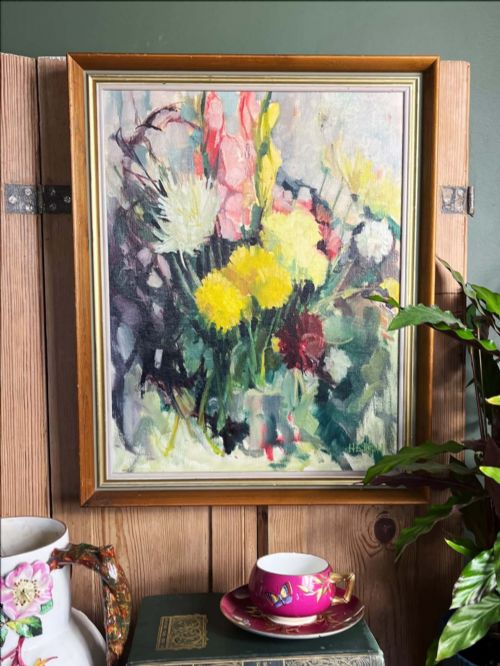
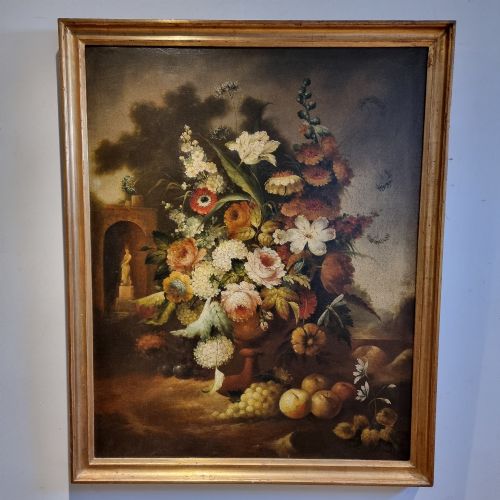
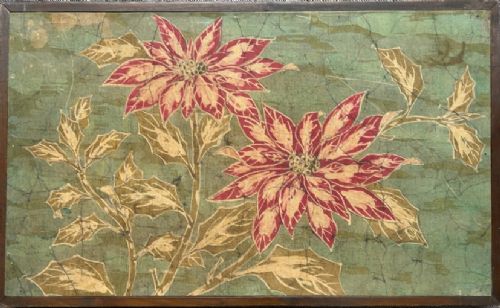
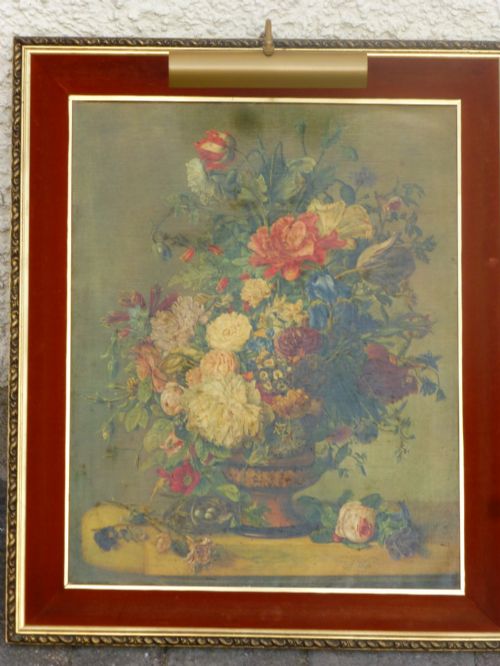
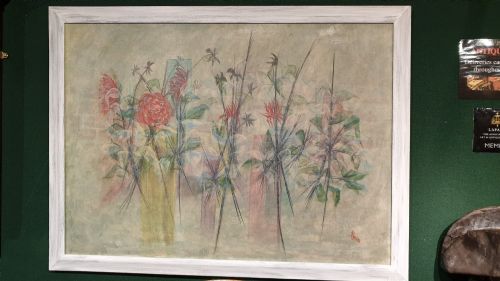
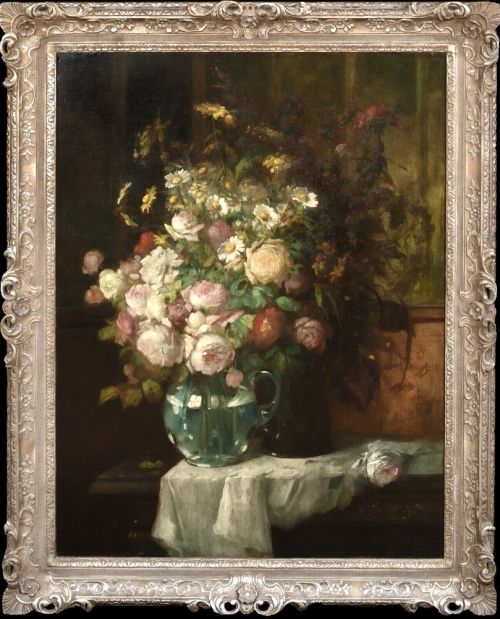
Vintage botanical wall art covers a broad span of decorative floral and natural history subjects designed for interior display. Buyers searching this phrase encounter everything from precise nineteenth century watercolours and tropical bird prints to mid-century impressionist oil paintings.
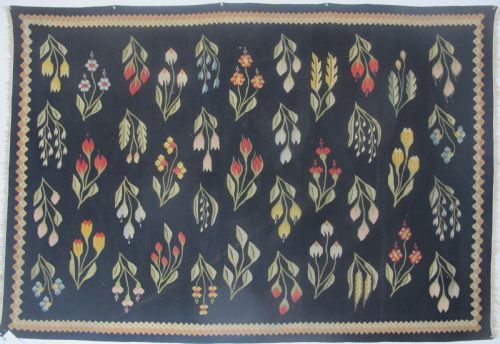
The selection ranges from delicate works on paper and panel to large canvas oil paintings, framed prints, and woven textile panels. Nineteenth century watercolours and mid-century impressionist studies of garden flowers appear frequently among the available works.
How they were made
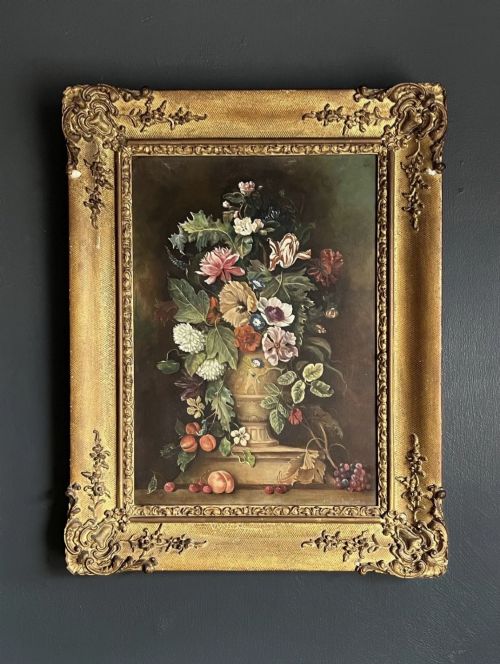
Makers utilised traditional mediums including oil paint, watercolour, gouache, and pencil, applying them to canvas, wood panels, and fine paper. Many works rely on layered watercolours or textured oil paints to capture the delicate detail of petals and foliage.
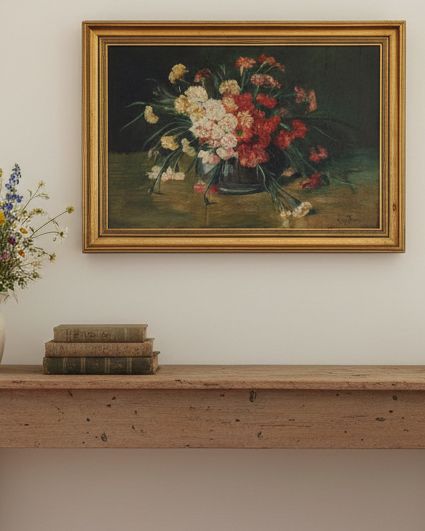
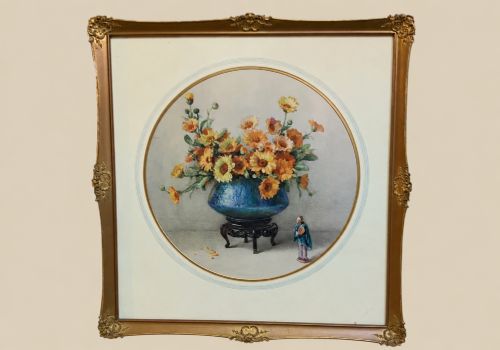
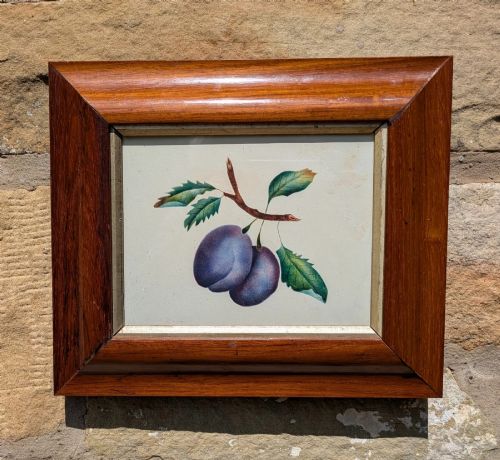
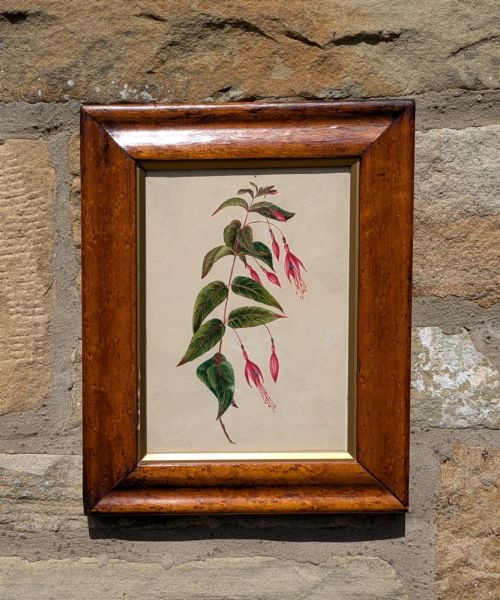
Framing is an integral part of the physical object, with pieces often housed in period gilt gesso frames, rosewood surrounds, or simple timber mouldings that protect the paper or canvas beneath glass.
Vintage Botanical Wall Art Retail Price Guide 2026
Typical asking prices for vintage botanical wall art among the pieces listed under this phrase on Sellingantiques today, from the lower quarter to the upper quarter. They describe what is for sale here now, not the wider market.
Listings feature works spanning from the Regency era through the mid-twentieth century, utilising paper, canvas, and wood panels.
What varies in quality
Quality rests in the precision of the botanical draftsmanship and the confidence of the brushwork. Skilled artists render structural accuracy in stems and leaves while maintaining fluid light across the composition.
The harmony of the original framing relative to the period of the artwork influences the overall integrity of the piece. Superior examples display thoughtful composition and a cohesive balance between subject and ground.
Irene Christobelle Pownoll Williams·Emma Fordyce MacRae·Konstantin Stoitzner·Manuela Bonati·Owen Bowen·James Tower
The Vintage Botanical Wall Art Glossary
- Gouache
- An opaque water-based paint that dries to a matte finish, allowing for rich colour saturation in botanical studies.
- Lithograph
- A print produced from a flat stone or metal plate, commonly used for botanical and bird illustrations.
- Panel
- A flat wooden support used as a rigid alternative to canvas for oil and tempera paintings.
- Verdure tapestry
- A woven wall hanging featuring a stylized landscape or foliage motif, often produced in French workshops.
- Oleograph
- A mechanical reproduction on canvas that simulates the texture and appearance of an oil painting.
Vintage Botanical Wall Art: Frequently Asked Questions
How do I date a botanical watercolour?
Dating relies on the paper weight, watermark evidence, and framing style associated with the period of execution. Inscriptions on the reverse often record the artist and year.
Watercolours from the nineteenth century frequently employ hand-tinted ink lines and lighter washes, whereas mid-century examples show different paper deterioration and pigment stability.
Are these pieces original paintings or prints?
The selection includes both hand-painted original works and historic printed plates. Titles and descriptions specify whether a work is an oil painting, watercolour, or lithographic print.
Original watercolours and oils show brush texture and pigment build-up under close inspection, distinguishing them from flat mechanical reproductions.
How should I hang and light them?
Works on paper and canvas require placement away from direct sunlight to prevent fading of watercolours and oil pigments. Stable indoor humidity protects wooden panels and historic frames.
Wall placement should use picture rails or secure wall hooks appropriate for the weight of the framed artwork and glass.
What frames are typical for these pieces?
Historic frames range from ornate gilt gesso moulding to simple rosewood and wooden surrounds chosen by contemporary makers. Many pieces retain their original period framing.
Maintenance involves dusting the carved details gently with a dry cloth without applying liquid cleaners to the gilded surfaces.