




Vintage Boat Landscape
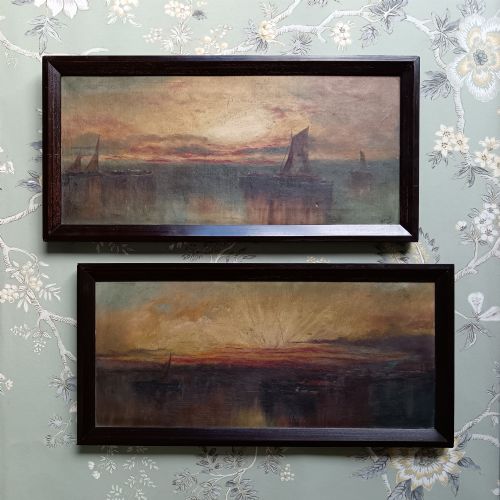
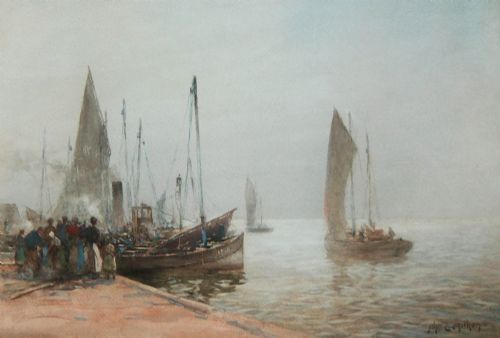
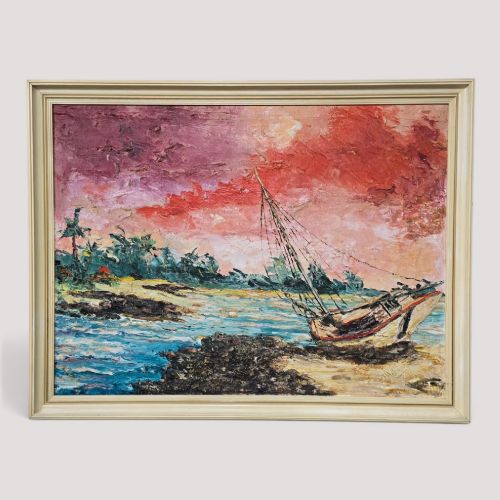
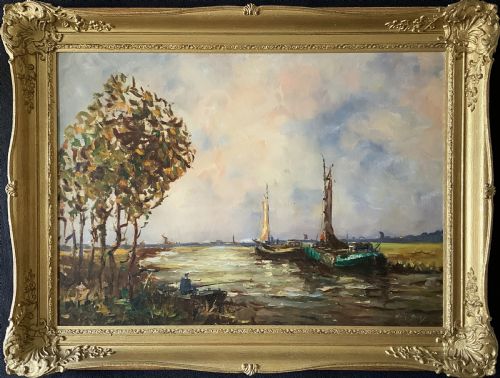
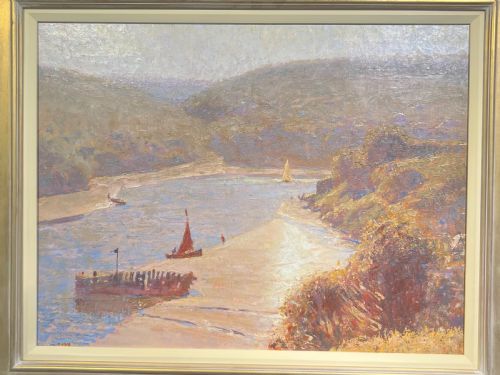
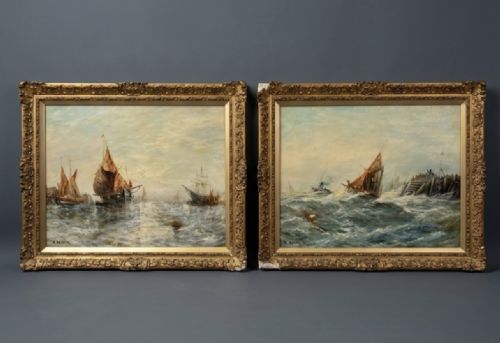
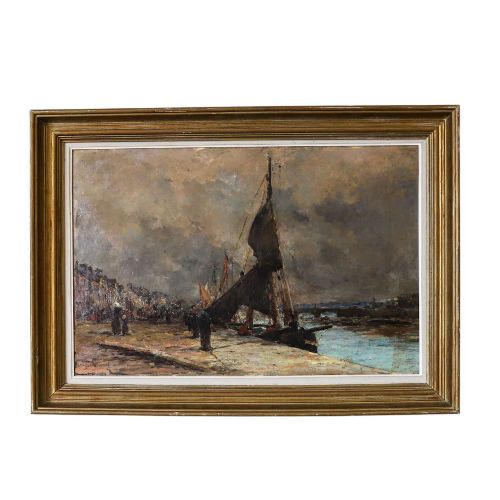
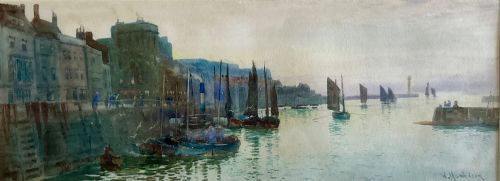
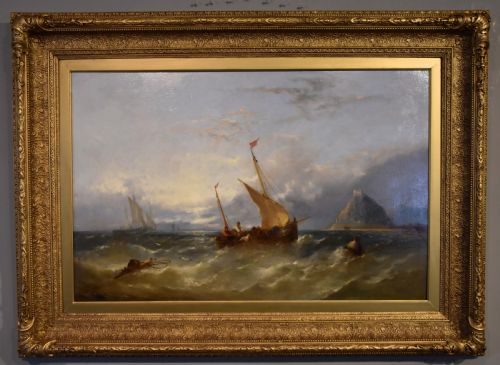
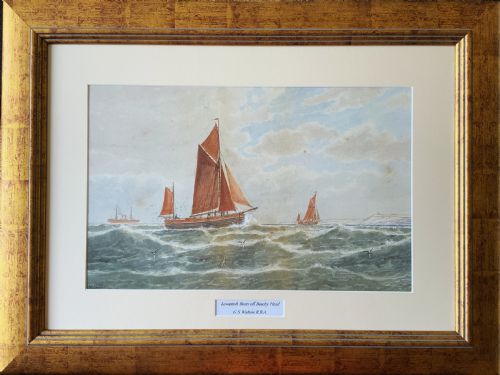
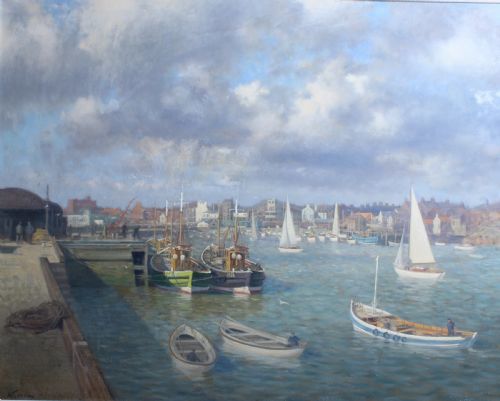
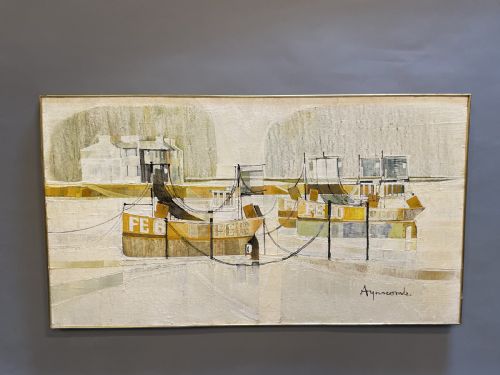
These framed vintage boat landscape paintings and watercolours capture maritime scenes, harbours and rivers from the nineteenth century to the mid-twentieth century.
Vintage Boat Landscape
A vintage boat landscape brings together maritime settings and pastoral or urban scenery, focusing on vessels moored in harbours, navigating canals or working off the coast. These works span from Victorian depictions to mid-century modernist interpretations.
The most common formats on this page are oil paintings on canvas or board and watercolours on paper, often housed within their original gilt wood frames. Subjects range from British coastal ports and Dutch canals to Mediterranean harbours.
Makers and artists of various nationalities recorded busy quaysides, quiet estuaries and coastal communities using media that reflected prevailing regional styles of their respective decades.
What separates examples across the range
Quality rests in the handling of light, atmosphere and perspective, where confident brushwork creates convincing depth in water and sky. Weaker pieces often rely on stiff repetition and muddy colour mixing without capturing maritime movement.
The harmony between the artwork and its period frame also alters the overall integrity of the piece. Well-preserved surfaces retain their original pigment vibrancy without excessive retouching or structural damage to the canvas and board.
Listings feature works from the nineteenth century through to the 1960s, executed in oil and watercolour on canvas, board and paper.
James E. Aitken·Willem Bos·Thomas Bush Hardy·Abraham Hulk Snr·Edward Seago·George Stanfield Walters·William Henry Williamson
The Vintage Boat Landscape Glossary
- Watercolour
- A painting method where fine pigment is suspended in a water-soluble binder, traditionally applied to absorbent paper. It relies on the white of the paper showing through transparent washes to create light.
- Gilt Wood
- Timber carved or moulded and coated with a thin layer of gold leaf or metallic powder. This finish was standard for framing fine art throughout the Victorian and Edwardian periods.
- Seascape
- A work of art depicting the sea, coastal views, ships or maritime activity. It forms a primary genre distinct from inland terrestrial landscapes.
- Impressionism
- A nineteenth-century painting style characterised by relatively small, thin yet visible brush strokes and an open composition. It prioritises accurate depiction of light and its changing qualities.
Vintage Boat Landscape: Frequently Asked Questions
How do I date a vintage boat landscape?
Dating relies on stylistic clues, framing techniques and artist signatures recorded in the medium. Victorian and Edwardian works often feature heavier gilt frames and traditional maritime attire, whereas mid-century pieces show looser brushwork.
Examining the reverse of the canvas, panel or paper backing often reveals handwritten labels, gallery stamps or old exhibition dates that help confirm the period of creation.
What is the difference between oil and watercolour marine paintings?
Oil paintings utilise thick pigments on canvas or board, offering rich texture and deep colour layering. Watercolours use translucent washes on paper, resulting in lighter, more luminous coastal views.
Oils were generally framed behind glass less frequently than watercolours, which required glazed protection to prevent moisture damage to the paper.
How should I care for a framed oil painting?
Keep oil paintings away from direct sunlight and dramatic temperature fluctuations to prevent the canvas from slackening and the paint layers from cracking. Dust the surface gently with a soft, dry brush without applying moisture.
Ensure the hanging environment remains stable and check that the securing cord and wall fixings on the frame remain secure over time.
Where were these maritime scenes typically painted?
Artists travelled widely around British ports such as Whitby, St Ives and Scarborough, as well as European destinations including Dutch canals and Mediterranean harbours. Many worked plein air directly on location to capture changing tidal conditions.
Local boatyards, fishing fleets and busy trading rivers provided endless subjects for artists documenting working coastal industries.