



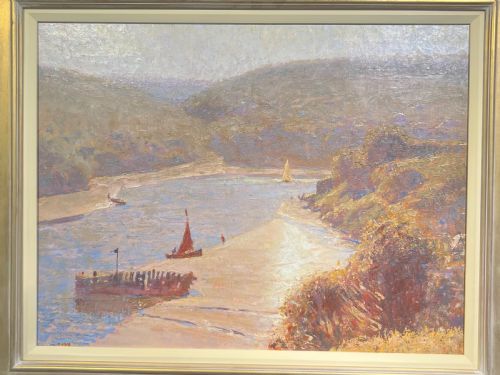
Impressionist Coastal Painting
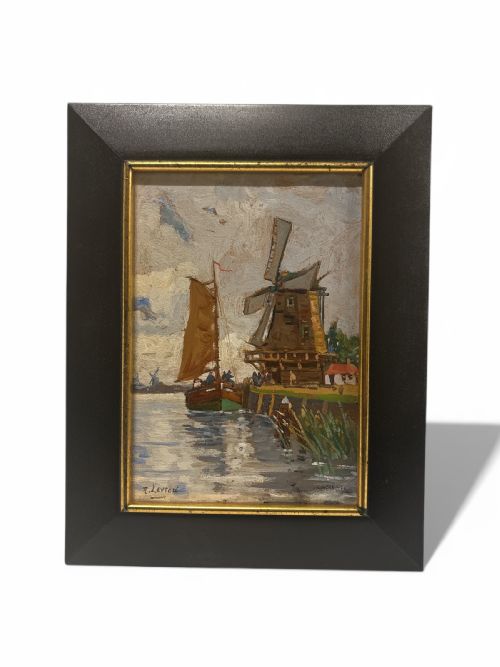
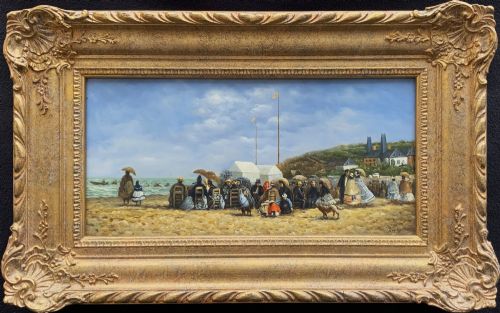
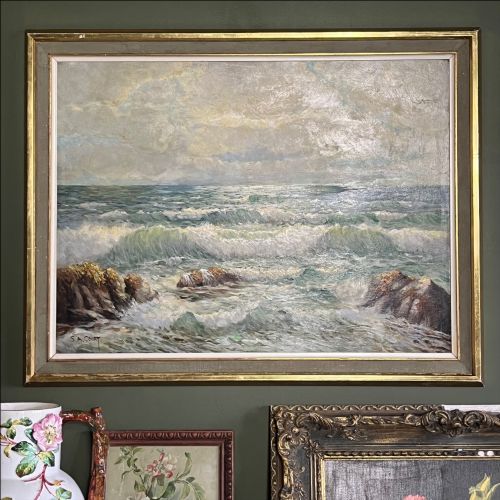
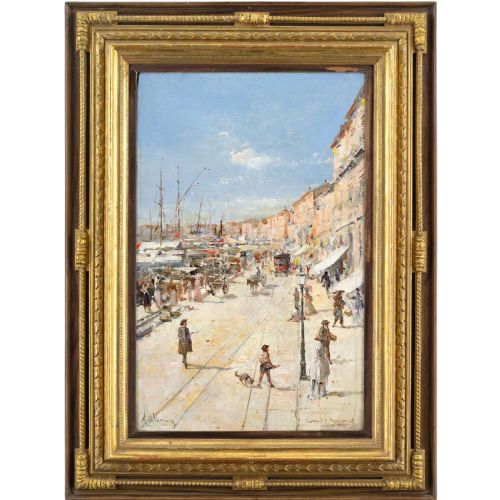
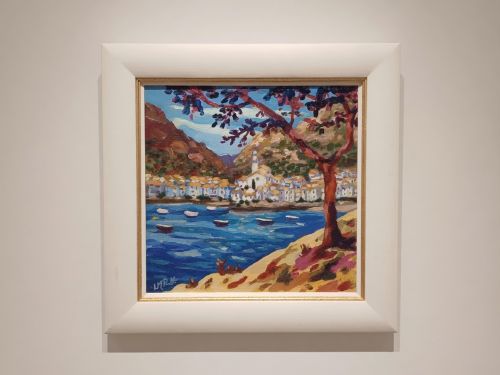
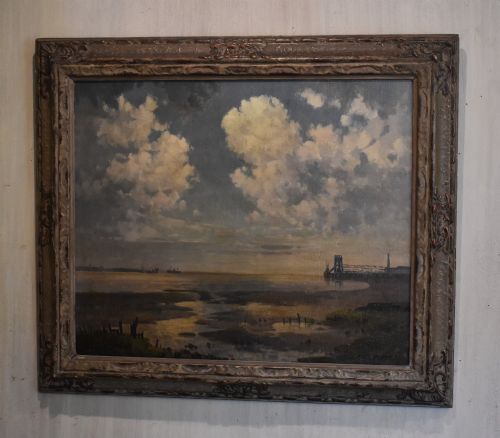
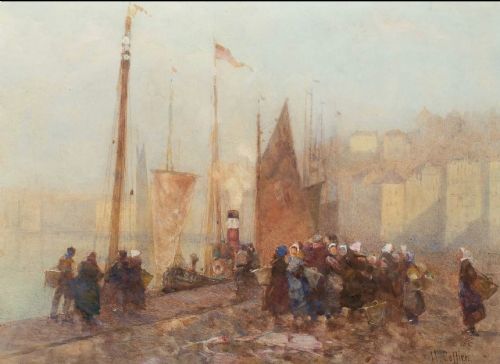
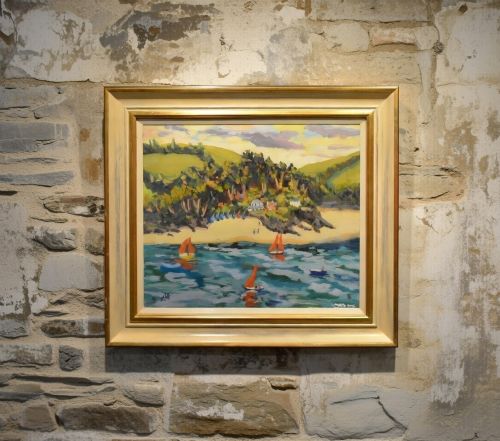
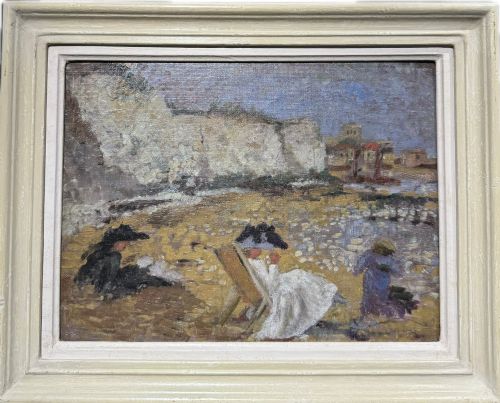
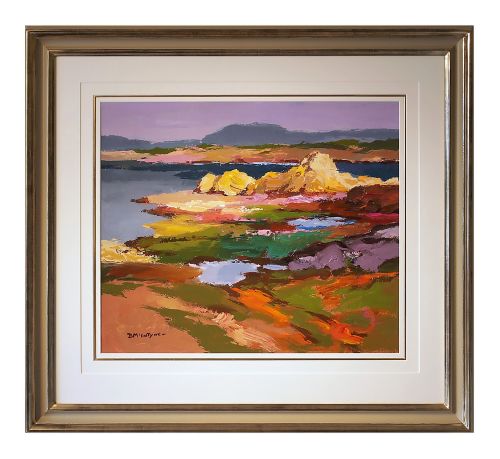
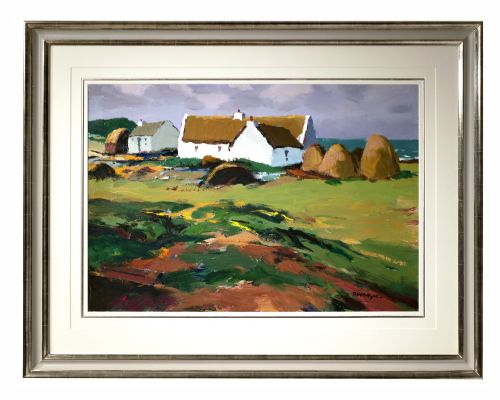
An impressionist coastal painting captures sea and shore with loose brushwork, bringing the bright atmosphere of harbour and cliff directly into a room.
Impressionist Coastal Painting
An impressionist coastal painting focuses on marine views, harbours, and seaside cliffs rendered through the lens of British and French movements from the late nineteenth century to the mid-twentieth century. Buyers exploring this category encounter works spanning the nineteen-tens through the nineteen-sixties, depicting scenes from Cornish fishing villages to the French Riviera.
The common forms include framed oil paintings on canvas or board, alongside delicate watercolours on paper depicting coastal activity such as landing the catch or loading ships. These works range from en plein air sketches capturing fleeting light to composed studio landscapes.
Origins stretch across British regional schools, notably St Ives and Yorkshire, as well as continental coastal hubs including Normandy, Brittany, and Sicily.
How They Were Made
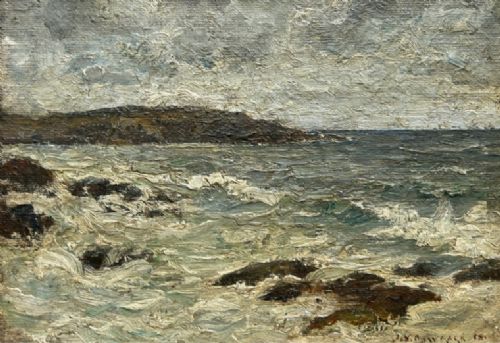
Artists worked primarily with oil paint or watercolour applied to traditional supports like woven canvas, prepared wooden board, heavy paper, and simple wood panels. Many oils employ thick impasto technique to build tactile texture that mirrors rough seas and rocky shorelines.
Works created en plein air relied on portable materials that allowed painters to capture rapid shifts in maritime weather and coastal illumination directly on location.
Impressionist Coastal Painting Retail Price Guide 2026
Typical asking prices for impressionist coastal painting among the pieces listed under this phrase on Sellingantiques today, from the lower quarter to the upper quarter. They describe what is for sale here now, not the wider market.
Listings feature works created on canvas, board, and paper using oil paint and watercolour across the nineteenth and twentieth centuries.
What Varies in Quality
Quality rests in the economy and sureness of the brushwork, where confident marks convey movement in water and air without excessive detail. Superior examples demonstrate a precise control of tone that fixes light upon the surface of the sea.
The strength of composition distinguishes exceptional pieces, particularly in how the artist balances harbour walls, shipping vessels, and open horizons across the canvas or board.
R Leyton·Clifford Hanney·Sidney A Court·William Banks Fortescue·Augusto Alberici·Lucy Pratt·Clive Browne·Paul Bret·Hector Caffieri·Donald McIntyre·Cecil Allan Mould·Erich Mercker·John Holland·Frank Kelsey·Raymond Moritz·Joseph Edward Hennah·Edward Matthew Elliott·Louis Suire·Gustave Vidal·Gyrth Russell·Jean Baptiste Olive·Raymond Picque·William Lee Hankey·George Turland Goosey·Norman Lloyd
The Impressionist Coastal Painting Glossary
- Impasto
- Paint applied thickly to a canvas or board, standing out in relief from the surface. This technique builds physical texture that catches light across waves and cliffs.
- En plein air
- Painting outdoors to capture the actual light and atmosphere of a landscape directly. Artists working this way completed their coastal scenes before nature changed.
- Watercolour
- Pigments suspended in a water-based solution applied to paper. It relies on the white of the paper shining through thin, translucent washes.
- Board
- A rigid flat panel used as a painting support instead of stretched canvas. These supports appear frequently in mid-century outdoor studies.
- Post-Impressionism
- An artistic movement following impressionism that extended its use of vivid colour and thick paint while exploring more structured forms. Works in this style emphasise personal expression over pure optical realism.
Impressionist Coastal Painting: Frequently Asked Questions
What subjects appear in these paintings?
The works depict harbours, rocky coastlines, sandy beaches, and fishing vessels operating around British and European shores. Common motifs include low tide harbours, cliff paths, and daily maritime labour.
Scenes frequently capture specific locations such as St Ives, Cornwall, Normandy, Sicily, and the French Riviera.
How do I hang a heavy framed oil?
Large oil paintings on canvas or board require secure picture hooks fixed directly into wall studs or appropriate masonry fixings. Heavy frames need proper wire or D-ring placement to support the substantial weight.
Ensure the hanging height places the centre of the canvas at comfortable eye level for viewing.
How do I tell watercolours from oils?
Watercolours are painted on paper under glass, showing transparent washes where the white paper ground remains visible beneath the pigment. They possess a delicate, flat surface texture.
Oils are painted on canvas or board with opaque pigments that often retain visible brush marks and thick impasto texture.
What periods do these paintings span?
The available selection spans from the late nineteenth century through the Victorian era and into the mid-twentieth century, including the nineteen-fifties and sixties.
Earlier pieces reflect traditional nineteenth-century marine styles, while mid-century works embrace bolder post-impressionist and abstract tendencies.