


Vintage Black Chest
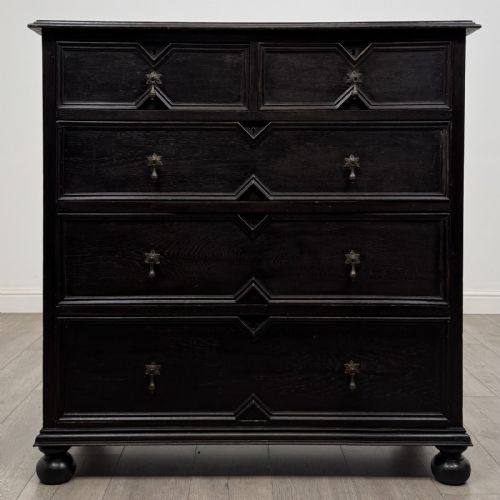
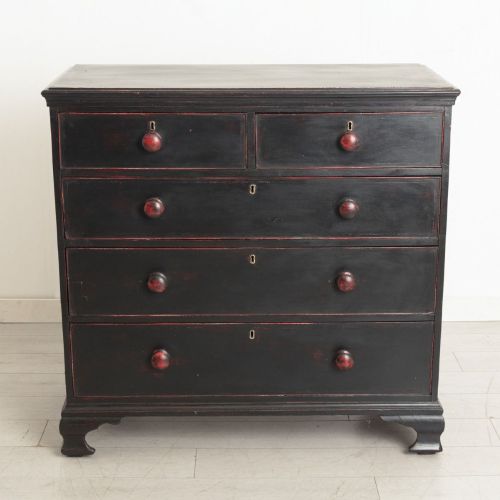
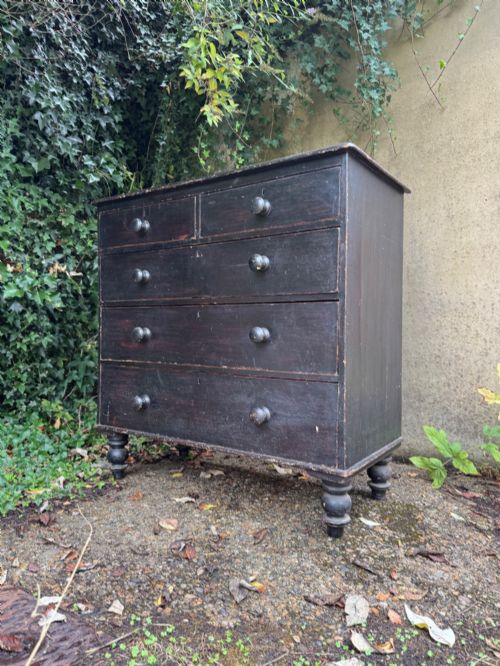
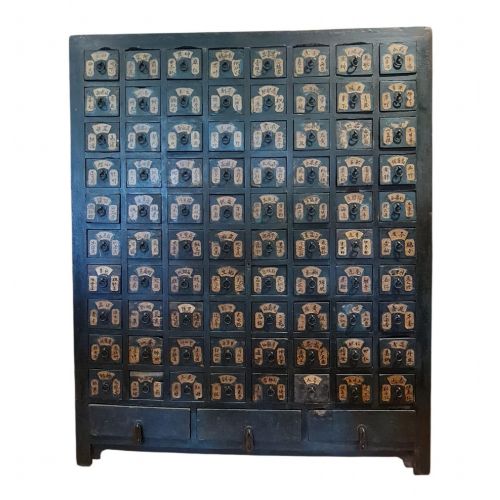
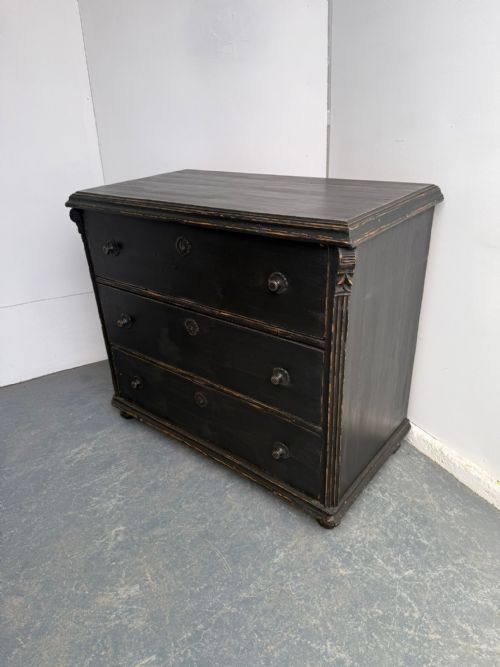
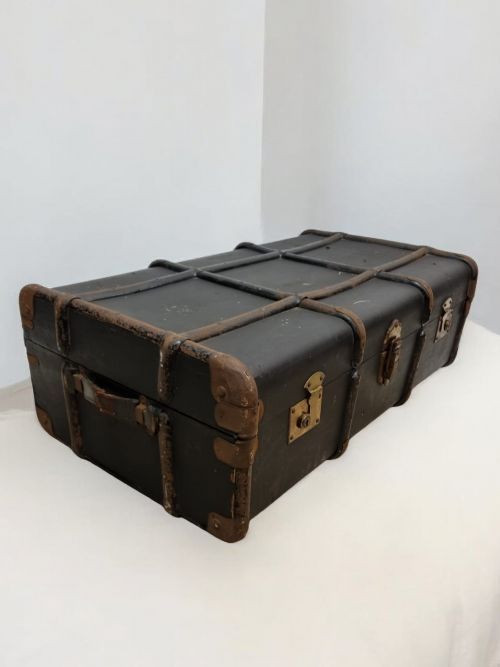
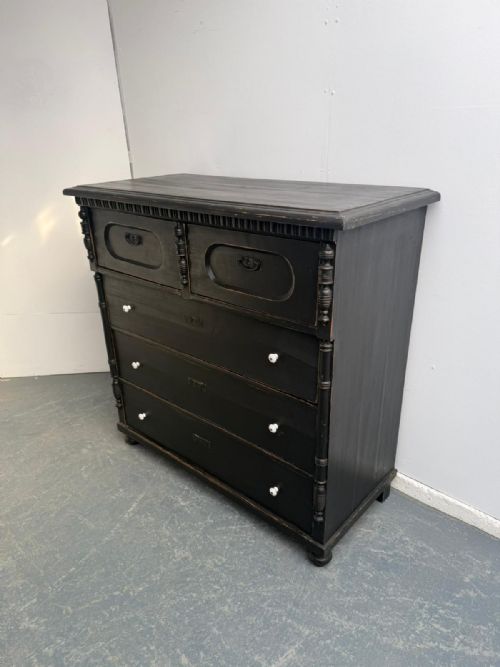
A vintage black chest brings deep dark tone and sturdy storage to a room, ranging from travel trunks to tall drawer units.
Vintage Black Chest
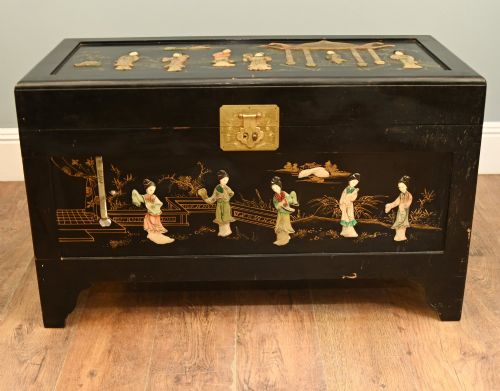
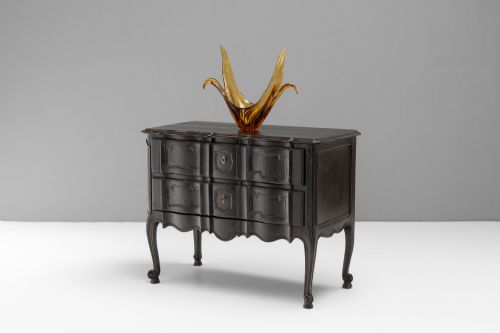
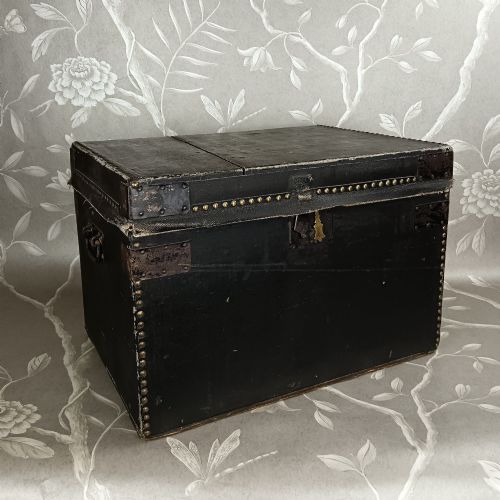
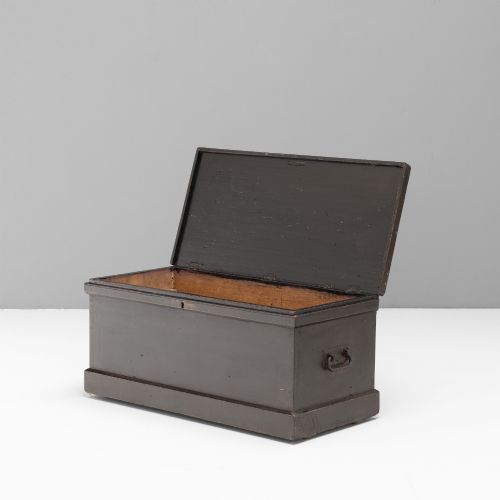
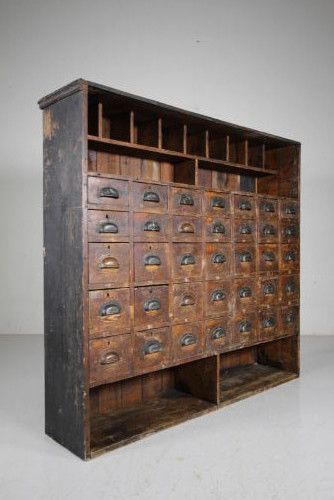
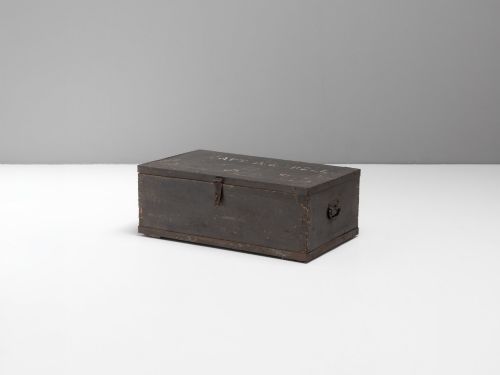
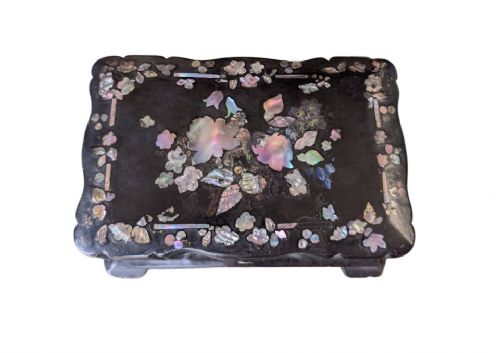
A vintage black chest encompasses a broad mix of utilitarian trunks, travel luggage, and domestic drawer units originating from the eighteenth century through to the nineteen-twenties. Buyers searching for a vintage black chest will encounter painted pine strong boxes, campaign trunks, ebonised commodes, and lacquered cabinets.
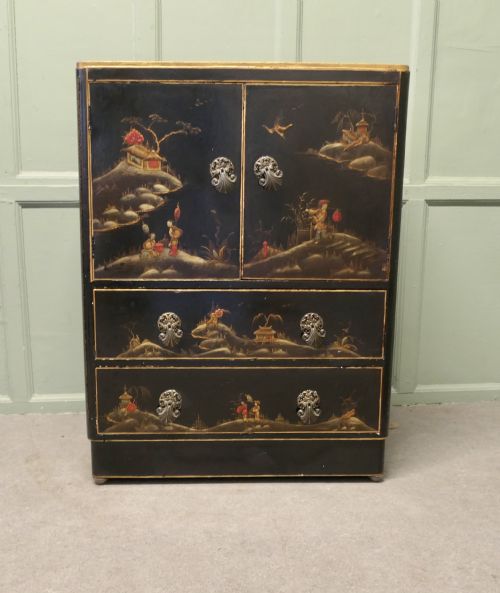
The domestic examples lean heavily toward painted pine from nineteenth-century Hungary and Scandinavia alongside English drawer units, while travel pieces include steamer chests and leather or canvas covered travelling trunks. More decorative pieces draw on Chinoiserie styles, Japanese tansu work, and French art deco designs.
Materials and construction
Makers built these pieces primarily from solid pine, oak, camphorwood, and elm, applying black paint, ebonising, or lacquer finishes directly to the wood. Surface decoration often involves hand-painted motifs, while structural strength relies on iron bands, brass hardware, leather straps, and dovetail joints.
Travel trunks and campaign chests incorporate robust metal corners, drop handles, and reinforced bracing designed to withstand long journeys by sea or rail. Domestic chests of drawers and cabinets utilise traditional drawer construction with timber linings and original locks.
Vintage Black Chest Retail Price Guide 2026
Typical asking prices for vintage black chest among the pieces listed under this phrase on Sellingantiques today, from the lower quarter to the upper quarter. They describe what is for sale here now, not the wider market.
Seamen occasionally painted spirited patriotic mottoes like Emblem of Liberty inside their pine storage chests.
The markers of quality
Quality rests on the survival of original surface treatments, whether that is aged black paint, glossy lacquer, or ebonised wood showing honest wear. Pieces retaining their factory hardware, functioning brass locks, leather hinges, and maker plates stand apart from heavily restored examples.
The standard of joinery and timber selection defines the better pieces, from neatly cut dovetails on drawer carcasses to the weight of the iron fittings and internal compartmentalisation in trunks.
Wm. Insall of Bristol
The Vintage Black Chest Glossary
- Ebonised
- Wood treated with a stain or chemical process to make it appear like ebony. This dark finish was popular during the Regency and Victorian periods.
- Chinoiserie
- European interpretations of Chinese and East Asian artistic traditions. It frequently appears on lacquer cabinets and cupboards.
- Campaign trunk
- Portable furniture designed for military officers on the move. These pieces usually feature recessed brass handles and corner brackets.
Vintage Black Chest: Frequently Asked Questions
How do I date a painted chest?
Dating relies on examining the construction methods, nail types, timber preparation, and the ageing of the paint layer. Hand-forged ironwork and square-headed nails point firmly to nineteenth-century manufacture.
Secondary indicators include the style of the handles, drawer dovetailing, and any surviving maker labels or hand-written inscriptions inside the lid or backing boards.
Were all black chests originally painted black?
Many pine and oak chests received black paint or ebonising later in their lives or during specific stylistic revivals. However, numerous examples from Hungary, Scandinavia, and Asia were finished in black paint or lacquer from the outset.
Original surface age manifests as crackle, minor chips, and wax accumulation rather than a flat, modern synthetic coating.
How were campaign trunks used?
Campaign trunks travelled with military officers, diplomats, and explorers across the British Empire. Their modular design allowed packing, stacking, and transport on pack animals or ships.
Recessed hardware protected the chests from catching on ropes or doorways during transit while maintaining a rigid frame.
How do I care for a lacquered surface?
Lacquered and painted pieces require stable room temperatures away from direct sunlight and excessive humidity. Direct heat causes timber movement that can crack brittle lacquer and old paint layers.
Dusting should be done gently with a dry, soft cloth without applying modern chemical polishes or abrasive cleaners that strip historic finishes.