





Antique Black Tallboy
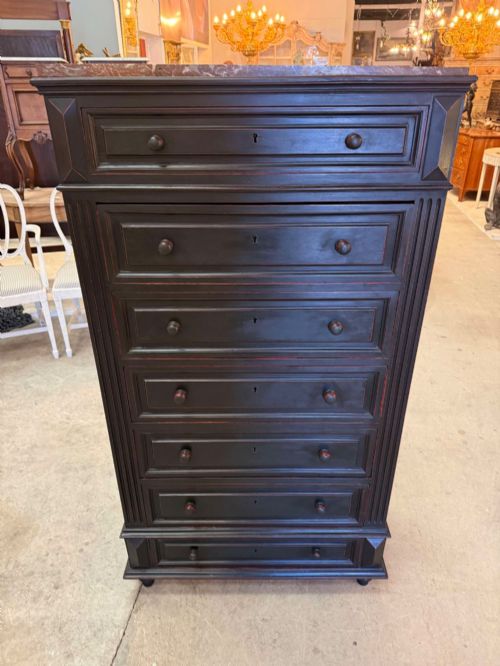
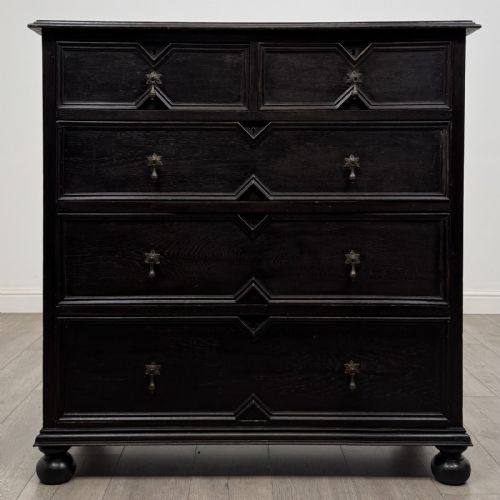
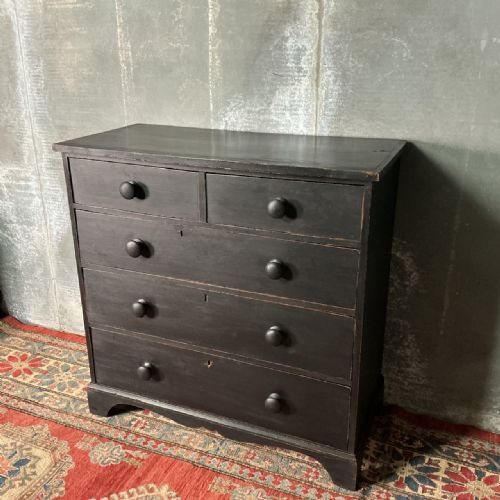
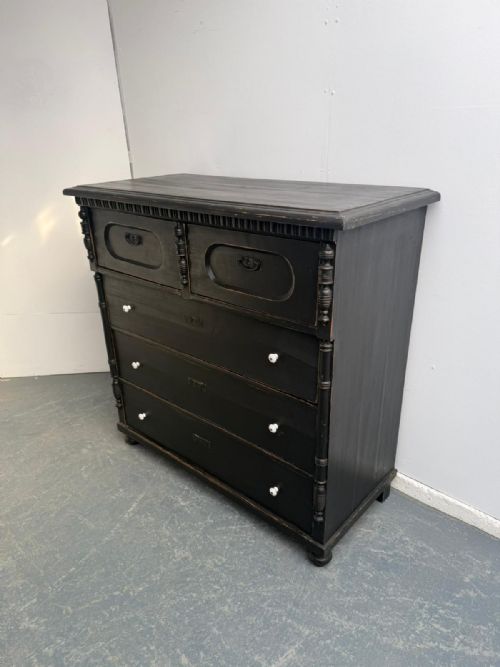
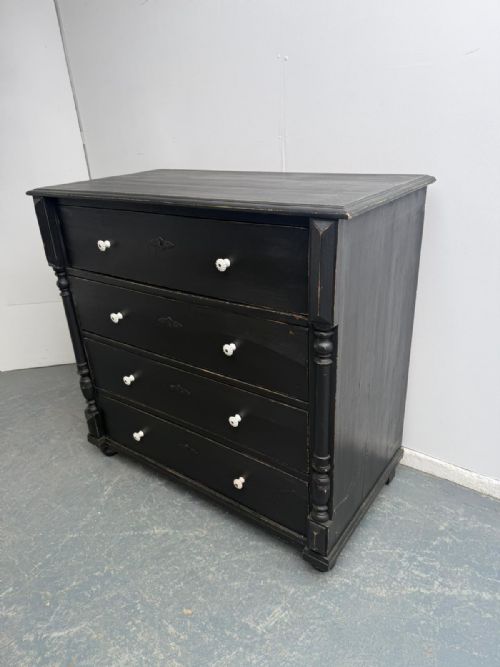
An antique black tallboy provides serious storage with deep presence, combining tall proportions with dark surfaces.
Antique Black Tallboy
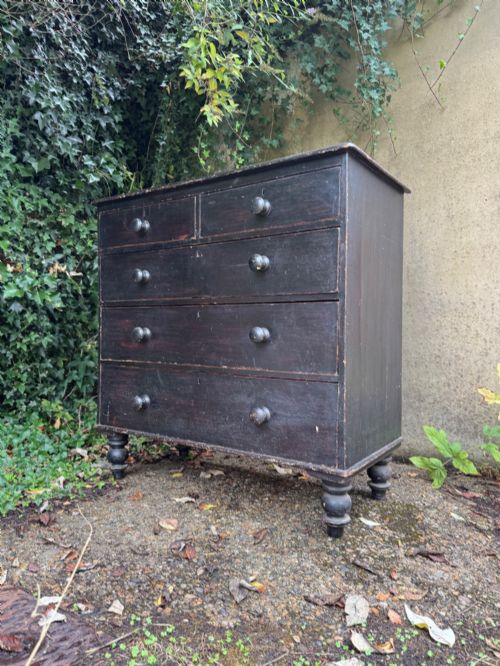
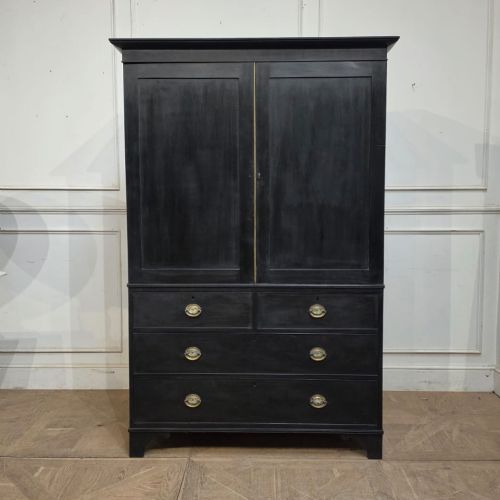
An antique black tallboy groups together imposing storage forms like chests of drawers, linen presses, and chests on chest that stand higher than standard drawer units. These pieces stretch from the robust pine and painted Hungarian examples of the Victorian era up to earlier Georgian chinoiserie and ebonised pieces.
The vertical emphasis defines the form, whether constructed as a single tall chest or two stacked sections. Buyers frequently encounter painted pine surfaces and ebonised wood finishes alongside more elaborate japanned and decorated structures.
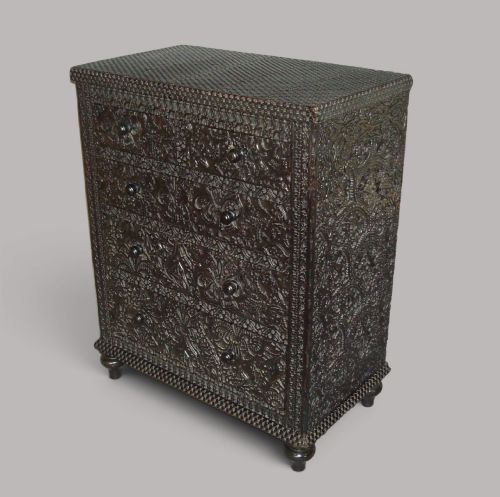
Origins span English workshops, Hungarian vernacular pieces, and Anglo-Indian colonial production, bringing varied regional proportions to the tall furniture format. The selection ranges from straightforward country chests to highly decorative bureau bookcases and longcase clocks.
How they were made
Construction relies on solid timbers like pine and oak, often finished with paint, ebonised treatments, or intricate japanning. Joinery techniques connect deep carcases to multiple graduating drawers, supporting heavy vertical loads.
Surface decoration involves hand-painted layers, black finishes, and decorative details in brass and metal hardware. Wood surfaces receive dark stains or black paint to create the distinctive ebonised and painted visual character.
Antique Black Tallboy Retail Price Guide 2026
Typical asking prices for black tallboy among the pieces listed under this phrase on Sellingantiques today, from the lower quarter to the upper quarter. They describe what is for sale here now, not the wider market.
Clockmakers occasionally built time tall enough to tower over standard furniture, merging timekeeping with vertical cabinetry.
What varies in quality
The refinement of the surface decoration separates standard painted finishes from sophisticated chinoiserie and japanned work. Hand-painted details and original decorative schemes hold greater visual depth than later repainting.
Proportion and structural integrity distinguish simpler vernacular pieces from formally designed Georgian and Victorian case furniture. The quality of the timber, drawer construction, and original hardware configuration drive distinctions across the range.
Gardner of London
The Antique Black Tallboy Glossary
- Tallboy
- A tall chest of drawers, typically constructed as one chest stacked upon another or as a single elongated drawer unit.
- Ebonised
- Wood treated with a dark finish to imitate the appearance of ebony wood.
- Japanning
- A European imitation of East Asian lacquerwork, applied as a decorative painted and varnished finish on furniture.
- Bureau Bookcase
- A writing cabinet featuring a sloping desk flap combined with upper shelving or cupboard space.
- Linen Press
- A tall piece of cabinetry designed specifically for storing folded linens and textiles on internal sliding trays.
Antique Black Tallboy: Frequently Asked Questions
What is a tallboy?
A tallboy is a vertical storage piece that combines the capacity of a large chest of drawers within a narrower floor footprint.
These units often feature stacked drawer sections or integrated upper cupboards designed for maximum vertical storage.
How do I date a tallboy?
Dating relies on examining construction methods, timber choices, and stylistic markers such as Victorian paintwork or Georgian japanning.
Hardware styles and the integration of secondary woods also help place pieces within specific periods.
Are painted finishes original?
Original painted and ebonised surfaces show consistent wear patterns and integration with the underlying timber structure.
Closer inspection of the paint layers reveals whether the dark finish dates to the period of manufacture or represents a later application.
Where do these pieces fit in a room?
The vertical proportions allow these tall chests to occupy narrow wall spaces while offering substantial drawer capacity.
Their dark surfaces provide a strong visual anchor against lighter walls in bedrooms, halls, or living spaces.