

Vintage Bird Ornament
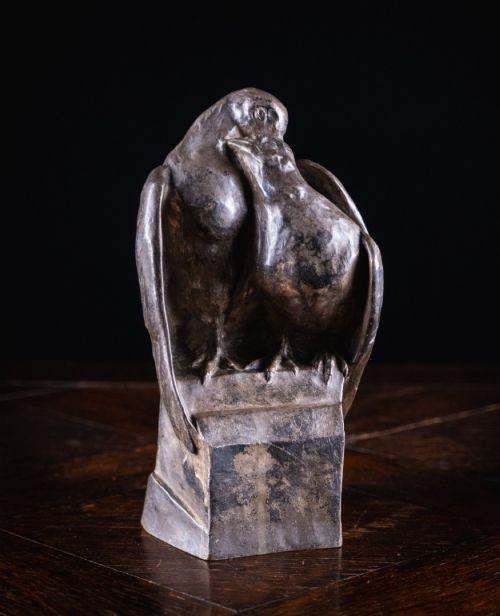
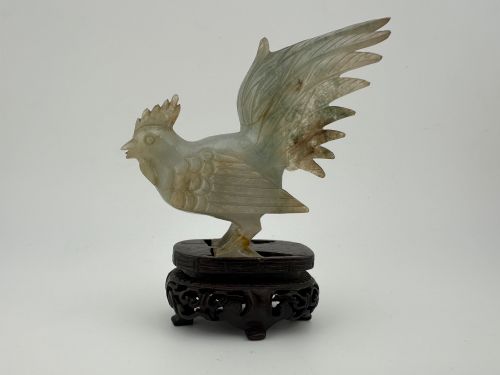
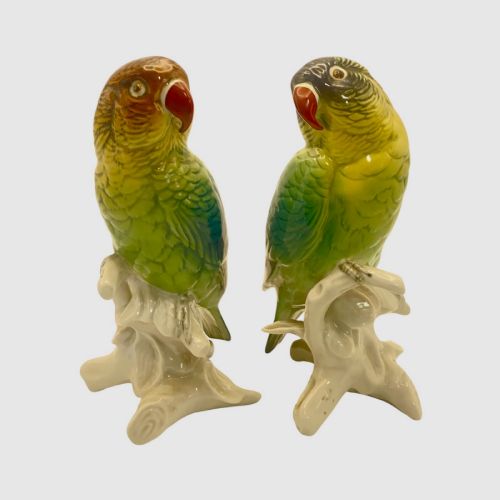
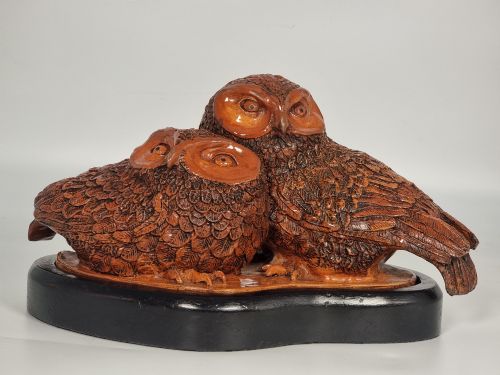
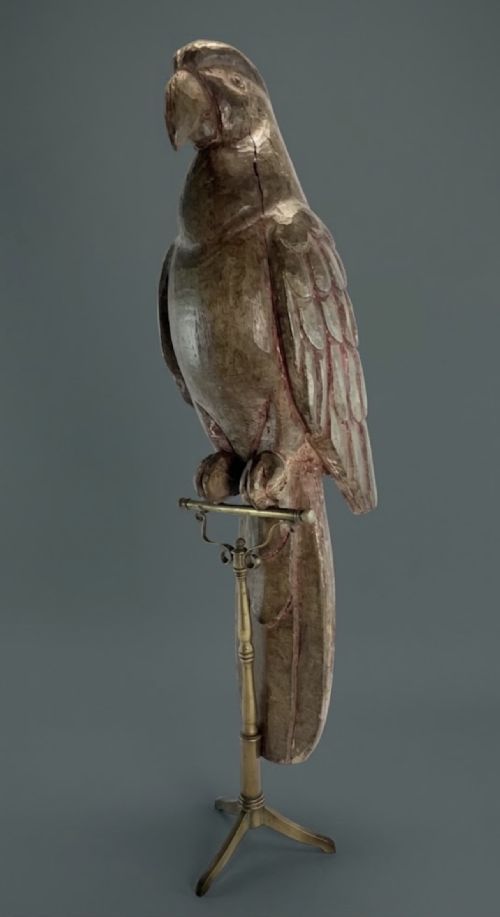
A vintage bird ornament brings domestic spaces alive with form, capturing everything from a cold-painted bronze owl to a carved wooden parrot.
Vintage Bird Ornament
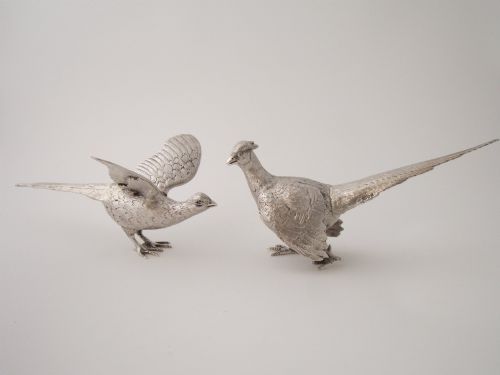
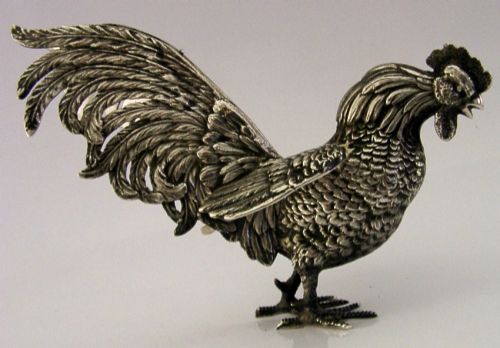
A vintage bird ornament spans centuries of craftsmanship, taking the form of sculptures, figurines, table ornaments and paperweights. When searching for a vintage bird ornament, buyers encounter diverse depictions ranging from wild birds of prey to domestic fowl.
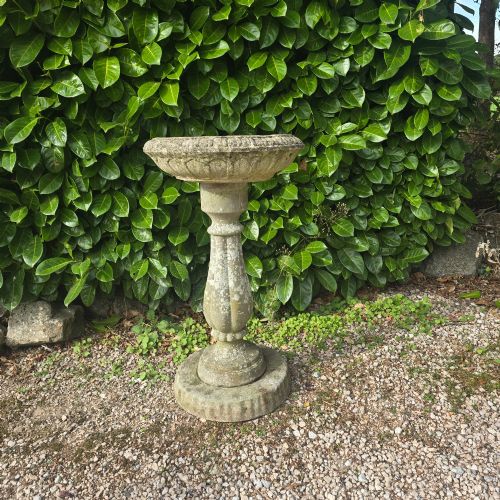
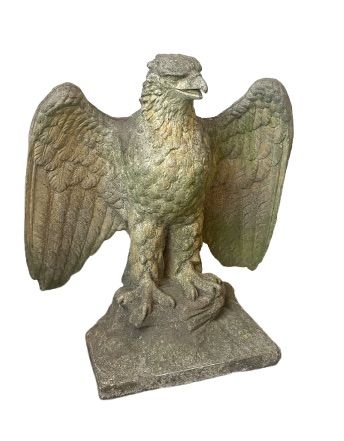
The selection includes pieces originating from the Victorian and Edwardian eras, through Art Deco designs of the 1930s, up to mid-century silver models. Forms vary from small silver pill boxes and desk studies to garden bird baths and large statues.
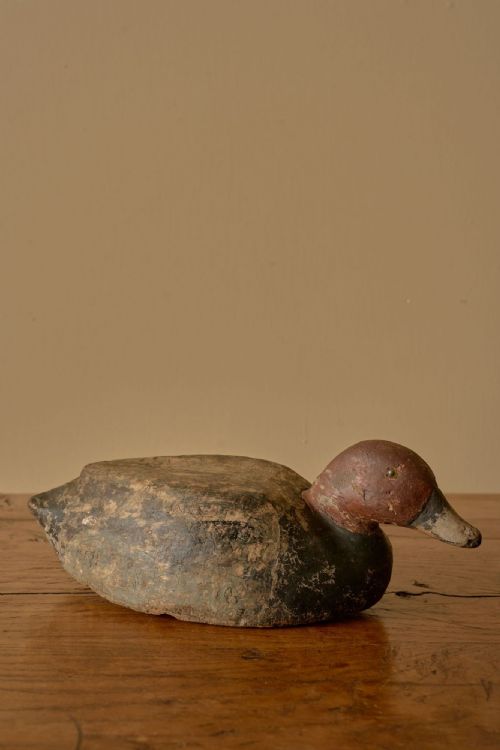
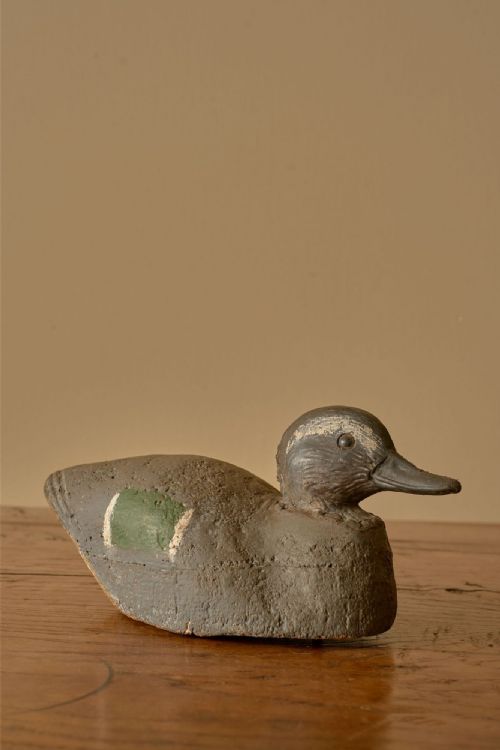
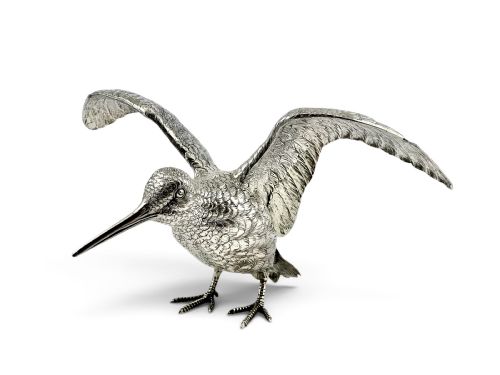
Materials span precious metals like sterling silver and bronze alongside cast iron, wood, stone, porcelain and glass. Subjects cover pigeons, pheasants, owls, cockerels, parrots and waterfowl modelled with distinct stylistic approaches.
How they were made
Metal pieces often utilise casting techniques, such as the lost-wax method for bronze figures or cold-painting applied over metal surfaces. Silver items involve silversmithing techniques, sometimes incorporating hallmarks to record the assay office and date.
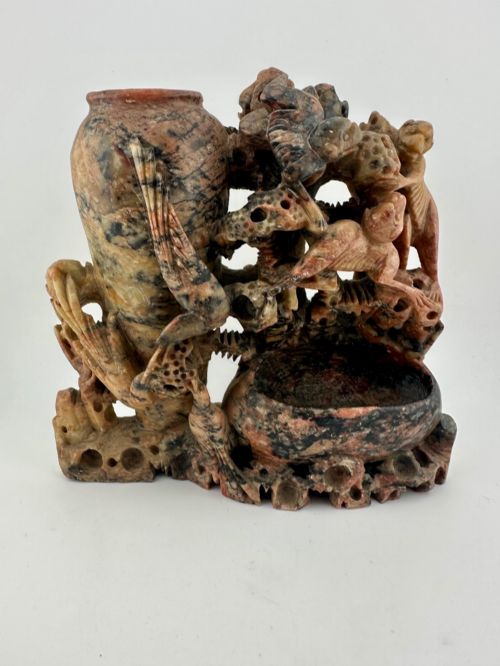
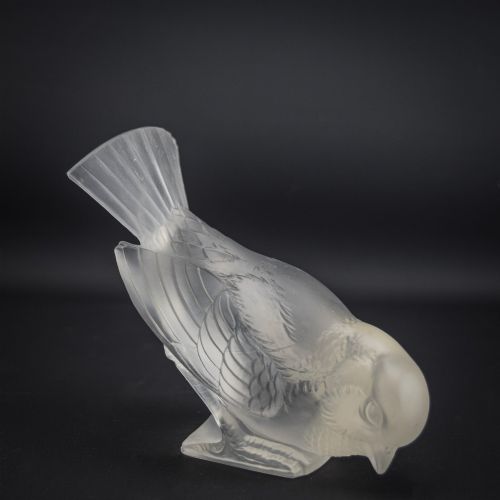
Carved pieces rely on woodworking or stone-carving skills, shaping materials like wood, marble or pale green stone into detailed avian forms. Glass ornaments employ moulding methods, visible in pressed glass paperweights, while ceramics utilise pottery shaping and glaze firing.
Vintage Bird Ornament Retail Price Guide 2026
Typical asking prices for vintage bird ornament among the pieces listed under this phrase on Sellingantiques today, from the lower quarter to the upper quarter. They describe what is for sale here now, not the wider market.
Listings feature pieces spanning the Victorian era through the 1960s, executed in materials including bronze, silver, marble, cast iron and wood.
What varies in quality
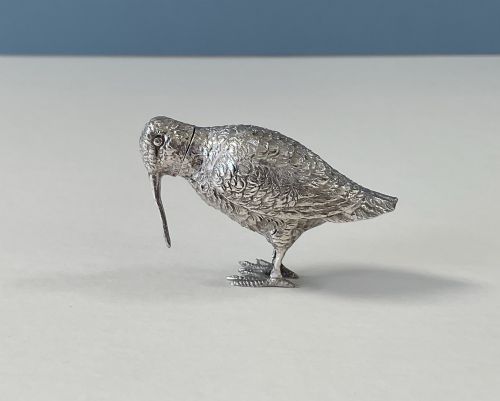
Quality rests in the fidelity of the sculptural form and the precision of surface detail, whether in the feather engraving of a silver woodcock or the hand-painted enamel of a cold-painted bronze. The expression and posture of the creature determine artistic success.
Material selection and maker attribution elevate certain works, such as signed bronzes by known foundries or marked silver and glass creations. The integrity of the medium, preservation of original paint and balance of mounted figures on marble or wooden plinths distinguish finer examples.
Franz Bergman·Karl Ens·Rene Lalique·Frederique Cederlund-Ozanne
The Vintage Bird Ornament Glossary
- Cold-painted bronze
- A technique where bronze figures are painted with oil-based colours rather than fired in a kiln. This method produces vivid plumage on small animalier sculptures.
- Animalier
- A nineteenth-century artistic movement focusing on the realistic portrayal of animals. Sculptors in this style captured birds and beasts in dynamic motion.
- Vienna bronze
- Small bronze figurines produced in Austrian foundries during the late nineteenth and early twentieth centuries. These are renowned for meticulous cold-painted detailing.
- Hallmark
- Official marks stamped onto silver and precious metals indicating purity, maker and place of manufacture. These symbols provide exact dating for British and continental pieces.
- Paperweight
- A heavy decorative object placed on loose papers to prevent them from scattering. Glass and bronze bird figures frequently served this practical desktop function.
Vintage Bird Ornament: Frequently Asked Questions
How do I identify an Art Deco bird figure?
Art Deco pieces from the 1930s typically feature stylised sleek lines and geometric bases.
Subjects like golden pheasants, albatrosses and seagulls appear frequently in glass and metal from this era.
Were these figures meant for display?
Many items functioned as desk ornaments, table centrepieces or paperweights in domestic interiors.
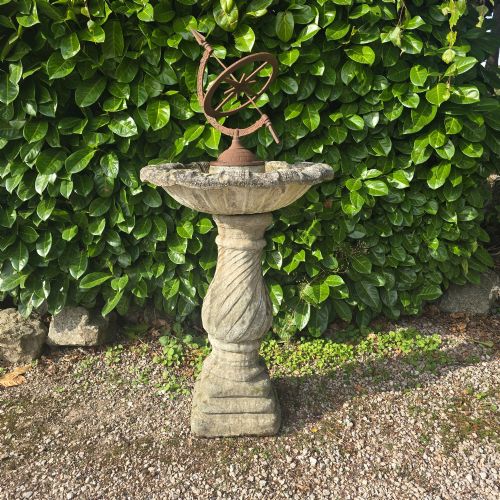
Larger stone and cast iron examples were built as garden statues and bird baths for outdoor spaces.
What is cold-painted bronze?
Cold-painting involves applying oil paint to a cast bronze sculpture without subsequent high-temperature firing.
This technique preserved delicate multi-coloured finishes on small nineteenth and twentieth-century animal figures.