




Vintage Brass Bird
These vintage brass bird pieces range from heavy cast eagles to intricate cages, bringing a distinct avian character to domestic spaces.
Vintage Brass Bird
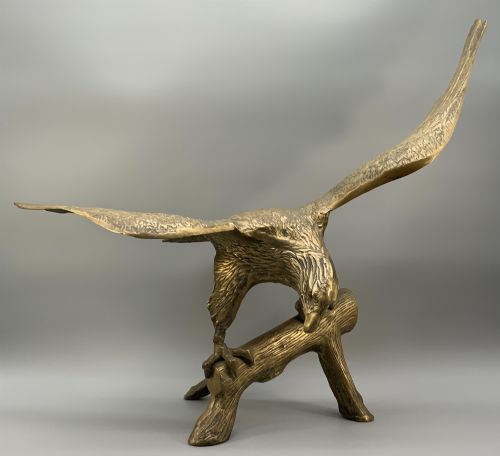
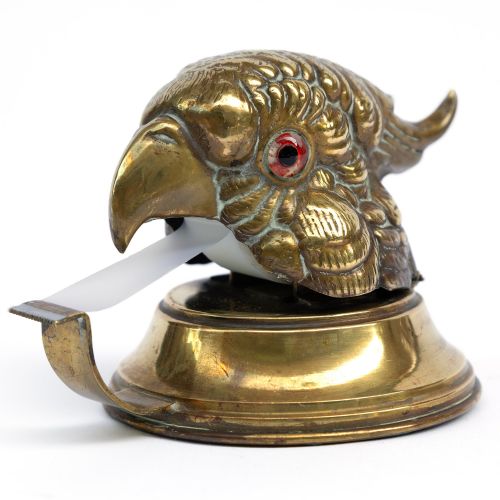
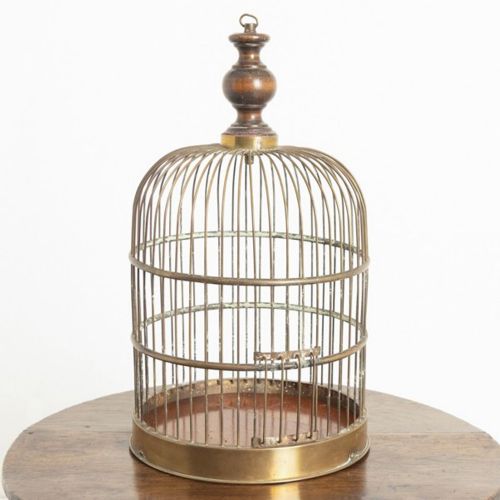
A vintage brass bird encompasses a wide array of decorative objects, sculptures, and functional items spanning the nineteenth century through the mid-twentieth century. When exploring this selection, buyers frequently encounter heavy cast eagles, desktop dispensers, and domestic bird cages.
The objects originate from diverse traditions, including European Art Deco sculptures, Victorian folk art, and East Asian bronze and cloisonne works. Pieces often incorporate mixed materials, pairing brass with copper, glass, or enamel to depict parrots, cranes, and birds of prey.
Materials and construction methods
Many sculptures and figures utilise cast brass, bronze, or gilt bronze, sometimes enhanced with hand-carved wooden elements or hand-painted enamel details. Metalwork techniques range from sand casting for heavy raptors to delicate wirework employed in structural brass bird cages.
Makers integrated various decorative techniques such as cloisonne enamel and ormolu mounts to add colour and texture to the metallic surfaces. Glass and opaline inserts also appear, providing contrasting translucent elements against solid metal frames.
Vintage Brass Bird Retail Price Guide 2026
Typical asking prices for vintage brass bird among the pieces listed under this phrase on Sellingantiques today, from the lower quarter to the upper quarter. They describe what is for sale here now, not the wider market.
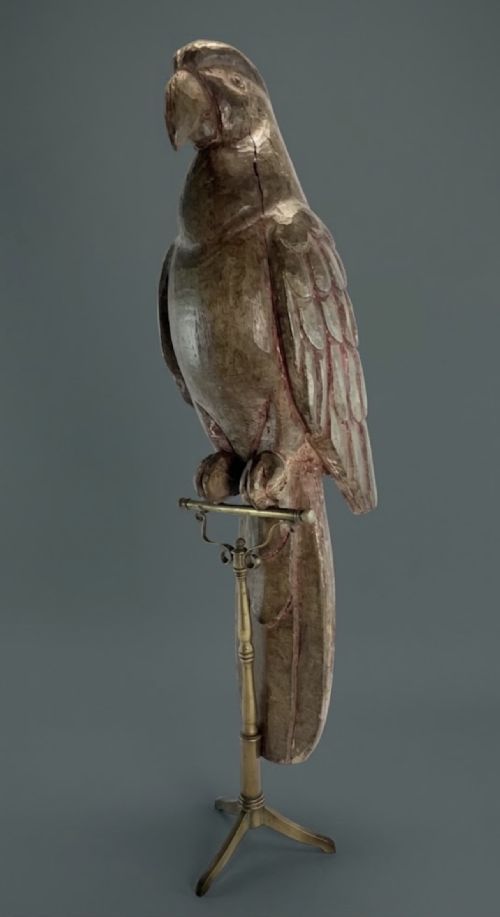
Several pieces feature winged visitors captured permanently in mid-flight, perched on branches, or peering out from miniature gilded cages.
Distinctions in craftsmanship
Quality rests in the precision of the casting and the crispness of surface detail, particularly around feathers, talons, and facial expressions. Superior pieces demonstrate careful finishing and clean integration where different components join.
Artistic execution dictates the standing of a piece, whether in the naturalistic proportions of an Art Deco pelican or the intricate wiring of a Japanese cloisonne charger featuring avian motifs.
Karl Griesbaum·Baetens London·BELINDA GENTLE
The Vintage Brass Bird Glossary
- Cloisonne
- A technique where thin metal wires are soldered to a metal body to create compartments filled with enamel paste before firing. This method produces vibrant decorative patterns featuring birds and floral motifs.
- Ormolu
- Finely ground high-carat gold applied to a bronze or brass object using a mercury-gilding process. It provides a rich golden finish often seen on nineteenth-century mounts and decorative hardware.
- Cast Brass
- Molten alloy poured into a mould to form solid shapes such as animal sculptures or structural fittings. This technique allows for repeating complex three-dimensional forms.
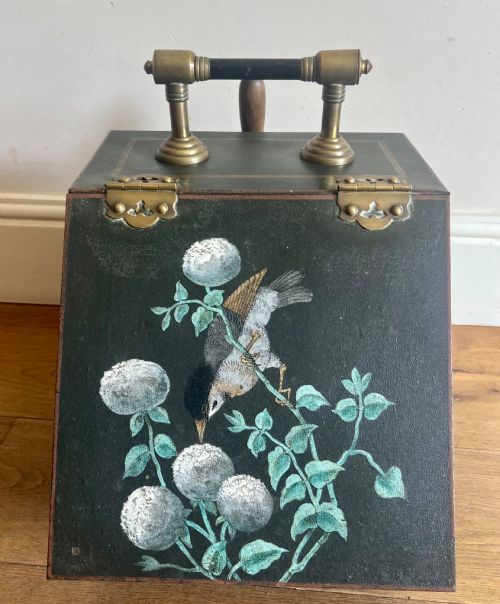
- Tole Ware
- Enamelled or lacquered metalware, typically tin or steel, painted with decorative scenes. It offers a colourful alternative to plain brass vessels.
- Fusee Clock
- A timepiece driven by a spring connected via a cord or chain to a conical pulley to ensure even power delivery. These mechanisms often feature sculptural gilt bronze decorations.
Vintage Brass Bird: Frequently Asked Questions
How do I clean vintage brass?
Maintenance requires gentle dusting with a soft cloth to preserve the natural oxidation and historical patina accumulated over decades.
Harsh chemical polishes should be avoided because they strip away the surface character valued by collectors.
Are vintage brass bird cages functional?
Most surviving examples serve primarily as decorative objects or ambient display pieces rather than enclosures for live animals.
Their substantial metal construction makes them striking focal points for interior styling.
How can I date my brass bird sculpture?
Dating relies on stylistic markers such as Victorian ornamentation, Art Deco geometric lines, or mid-century minimalism.
Examining casting methods and fastening techniques also helps place an item within its correct historical period.
What is the difference between brass and bronze?
Brass is an alloy primarily composed of copper and zinc, yielding a brighter, yellower tone suitable for detailed casting and hardware.
Bronze consists mainly of copper and tin, producing a darker, warmer metal frequently utilised for fine art sculptures.