

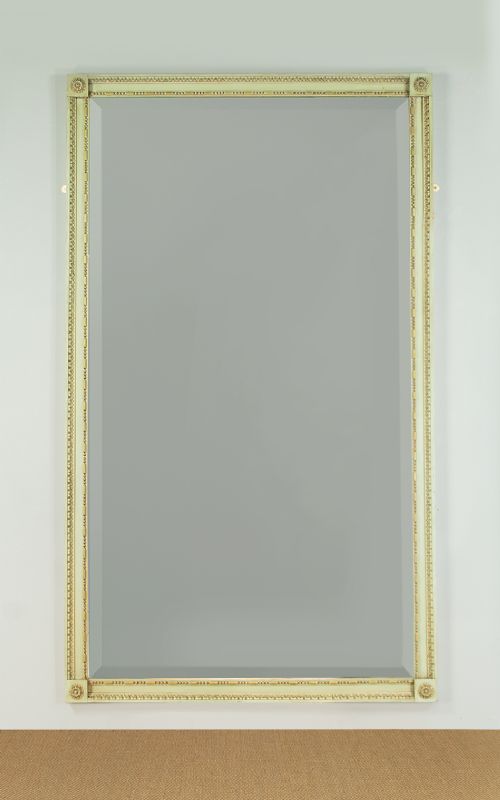
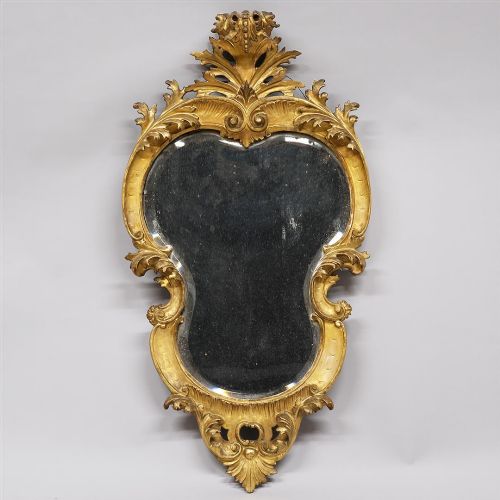
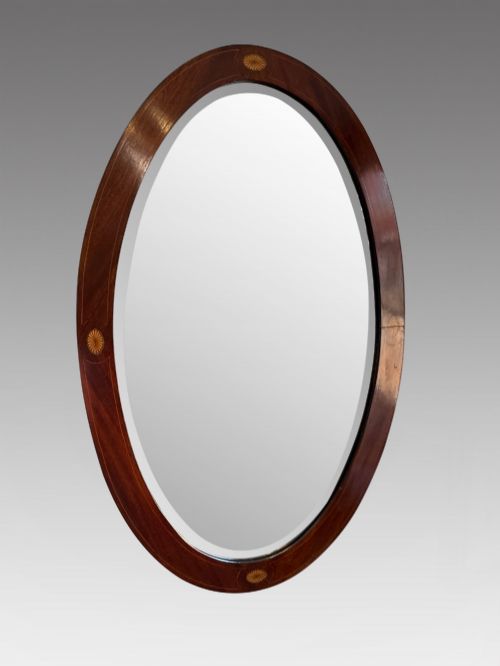
Vintage Bevelled Wall Mirror
A vintage bevelled wall mirror brings depth and reflected light to a room through angled glass edges.
Vintage Bevelled Wall Mirror
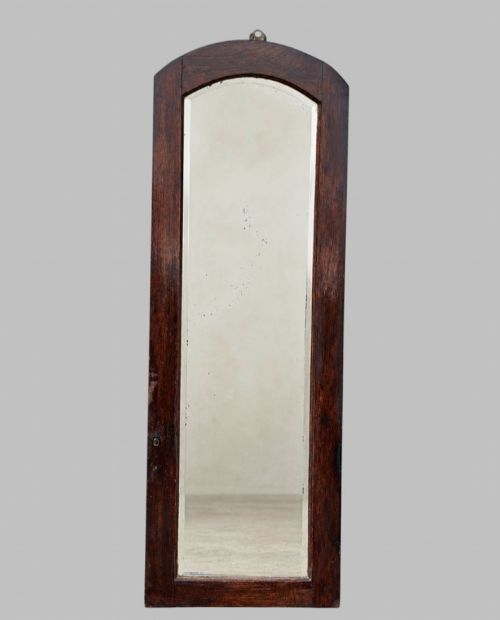
A vintage bevelled wall mirror serves as a decorative focal point while bouncing natural light around a space. These pieces span periods from the late nineteenth century through the Art Deco era, encompassing Victorian, Edwardian, and regional European styles.
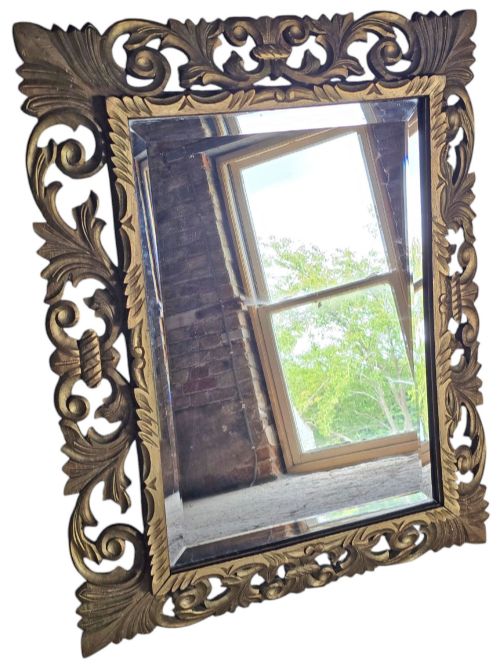
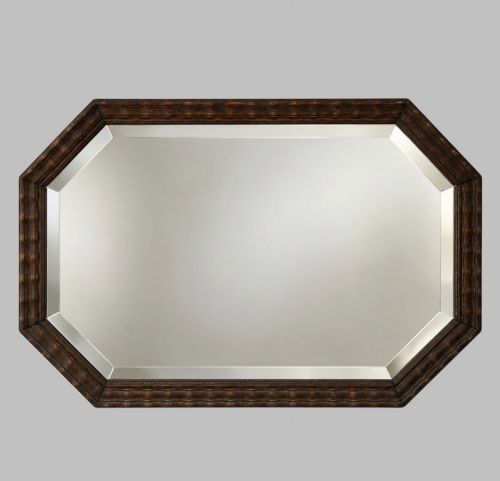
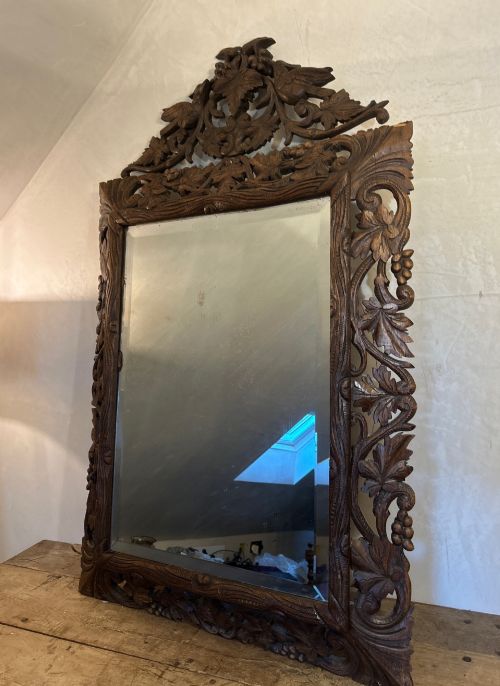
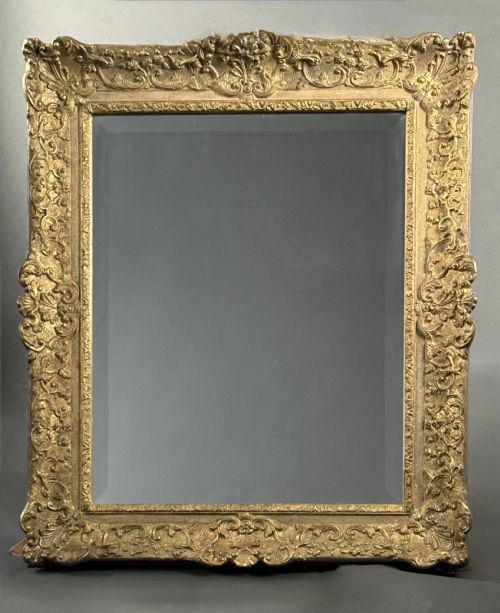
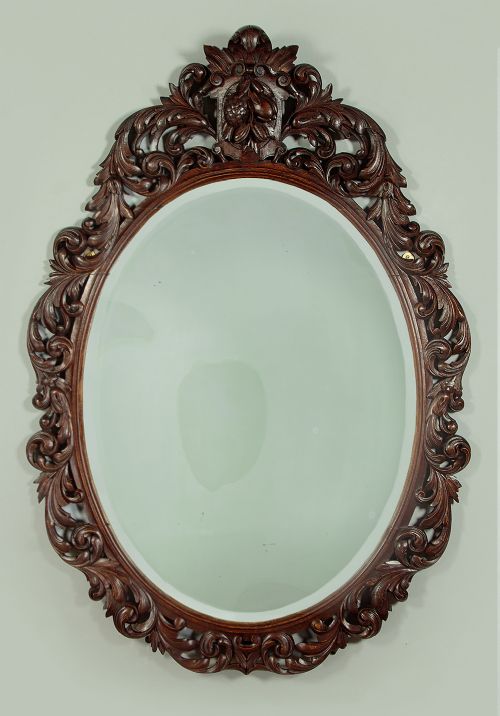
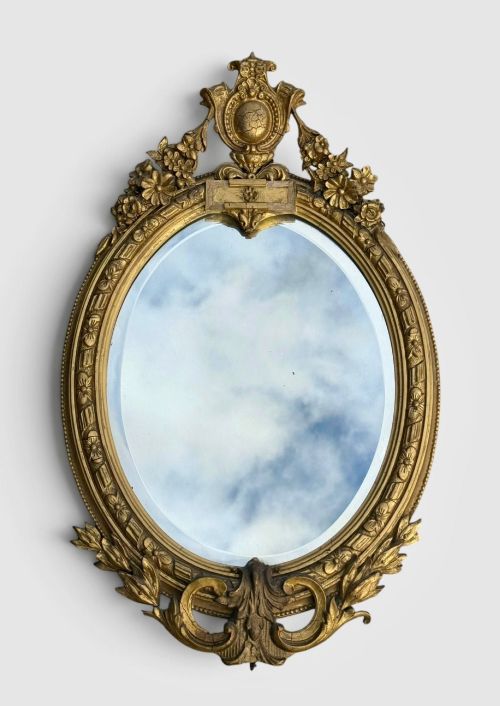
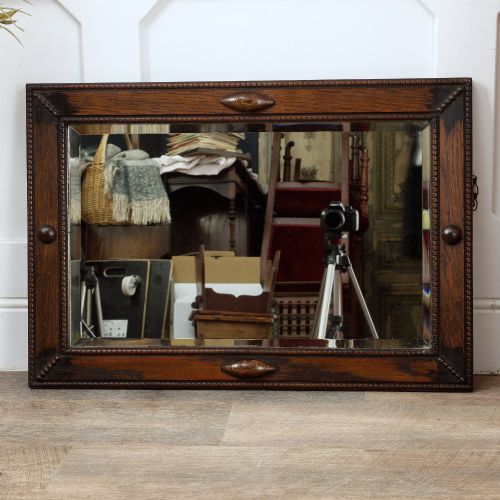
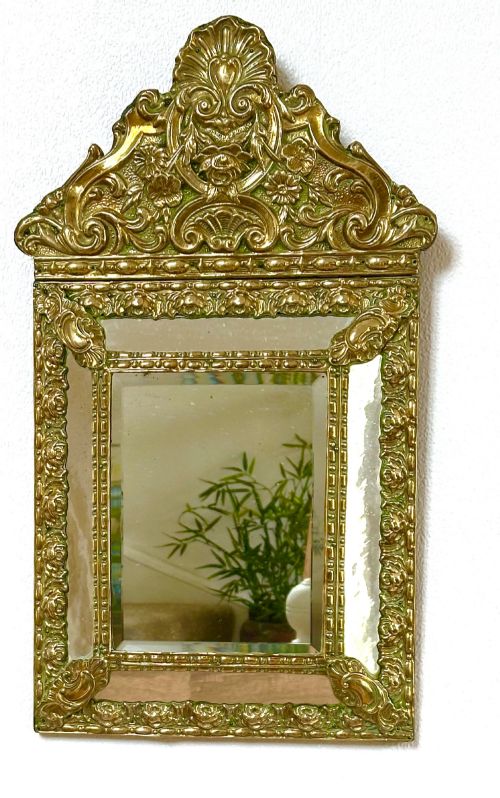
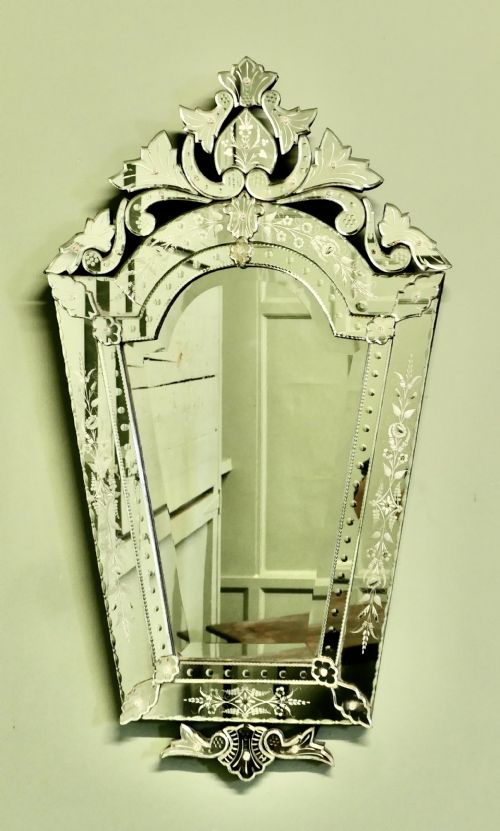
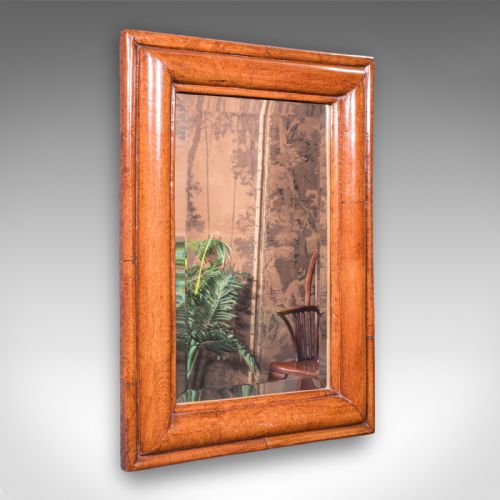
Buyers most frequently encounter oak and mahogany frames from the early twentieth century alongside ornate giltwood and gesso pieces. Forms range from simple rectangular shapes to elaborate overmantles, Venetian etched plates, and brass frames.
Origins stretch across English workshops, French studios, and Italian glasshouses, offering variety in both timber and gilded finishes.
How they were made
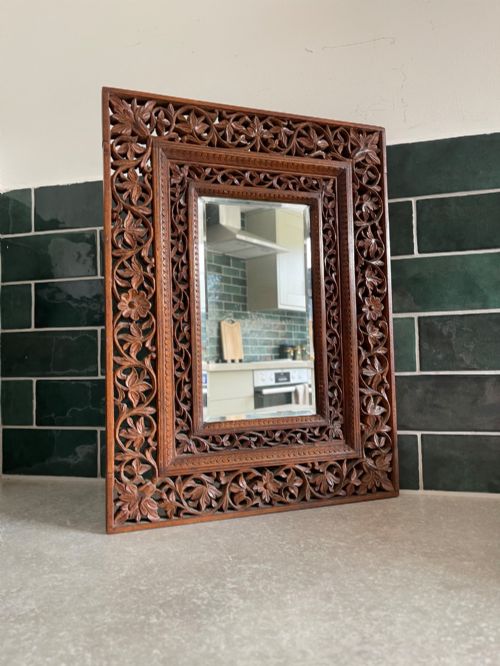
Makers shaped heavy glass plates by grinding and polishing the outer borders at an angle to create the characteristic bevel. Frames relied on traditional woodworking joinery for oak, walnut, and mahogany, or carved gesso applied over wooden carcases for gilt pieces.
Gilders applied thin leaf gold or metal pigments to prepared gesso grounds, occasionally burnishing the surfaces to achieve contrasting matte and bright areas. Brass and metal frames utilised casting and joining techniques common to the Arts and Crafts and later twentieth-century movements.
Listings feature oak, mahogany, walnut, and rosewood alongside giltwood, brass, and painted glass surfaces.
What varies in quality
The depth and clarity of the glass plate establish the baseline quality of a piece, alongside the crispness of hand-carved details on wooden or gesso frames. Superior examples retain their original silvering and backboards, showing minimal oxidation within the glass.
The intricacy of construction separates standard production items from finer studio pieces, particularly where marquetry, etching, or custom gilt finishes are involved. Original hanging hardware and undisturbed maker details further distinguish the upper tier of surviving examples.
Waring & Gillow
The Vintage Bevelled Wall Mirror Glossary
- Bevel
- The sloping edge ground along the perimeter of a glass mirror plate. This technique catches light at various angles and adds dimension to the reflection.
- Gesso
- A plaster-like mixture applied to wooden frames as a base for gilding or painting. Artisans carved intricate decorative motifs directly into this dried material.
- Overmantle
- A large mirror designed to hang specifically above a fireplace mantelpiece. These pieces often feature wide proportions to match the width of the hearth below.
- Venetian
- A style of mirror characterised by engraved glass sections, applied glass floral elements, and minimal wooden framing. The glass itself forms the primary decorative surface.
Vintage Bevelled Wall Mirror: Frequently Asked Questions
How do I hang a heavy mirror safely?
Heavy wall pieces require fixings secured directly into wall studs or masonry using appropriate weight-rated brackets. Wire alone is often insufficient for large frames.
Distributing the weight across two mounting points prevents the piece from tilting and relieves strain on the original wooden frame joints.
How should I clean antique mirror glass?
Use a soft microfiber cloth and a mild, ammonia-free glass cleaner applied to the cloth rather than directly onto the glass. This prevents liquid from seeping behind the plate.
Avoid spraying near the edges where the silvering backing is exposed to moisture and potential deterioration.
What causes dark spots on old mirrors?
Age-related foxing occurs when moisture penetrates the protective backing behind the glass plate, oxidising the silver layer over decades. This natural patina appears as small dark clouds or speckles.
Many collectors value this evidence of age as proof of an authentic vintage glass plate.
Can I place these mirrors in bathrooms?
High humidity and steam accelerate the degradation of original mirror backing and weaken glued joints on antique wooden frames. Bathrooms present a challenging environment for fragile vintage pieces.
Dry hallways, living rooms, and bedrooms offer more stable conditions for preserving delicate gilding and timber.