




Vintage Barware Ice Bucket
These vintage barware ice bucket pieces bring functional elegance to entertaining, combining period craftsmanship with practical hosting appeal.
Vintage Barware Ice Bucket
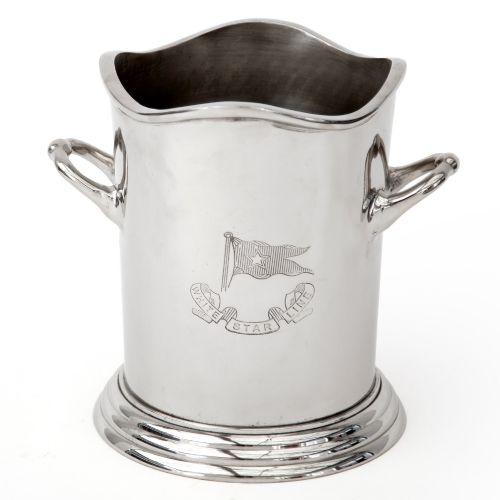
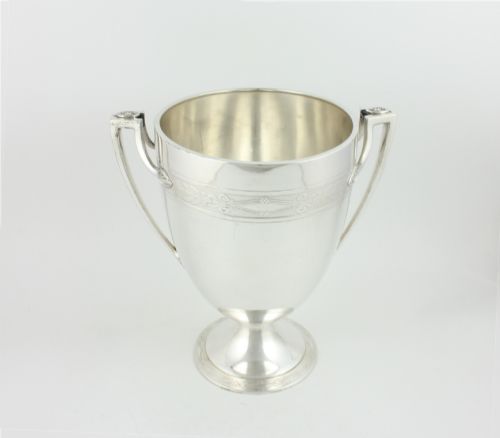
A vintage barware ice bucket serves to chill ice, wine, or champagne at the table, spanning forms from simple buckets to substantial coolers. The selection draws on periods stretching from the nineteenth century through the mid-twentieth century, encompassing Edwardian, Victorian, and Art Deco designs.
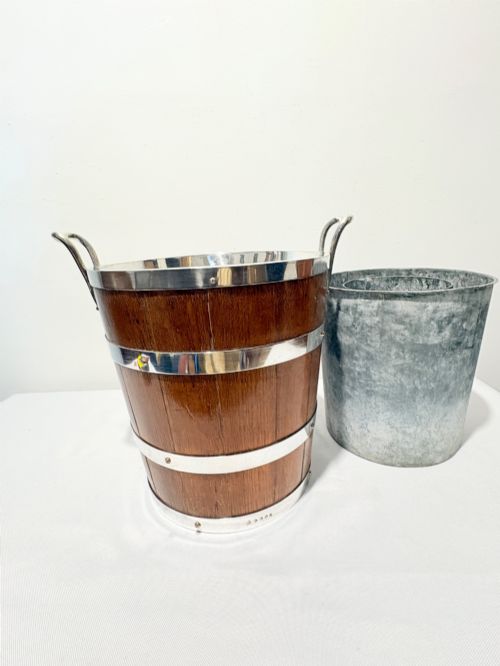
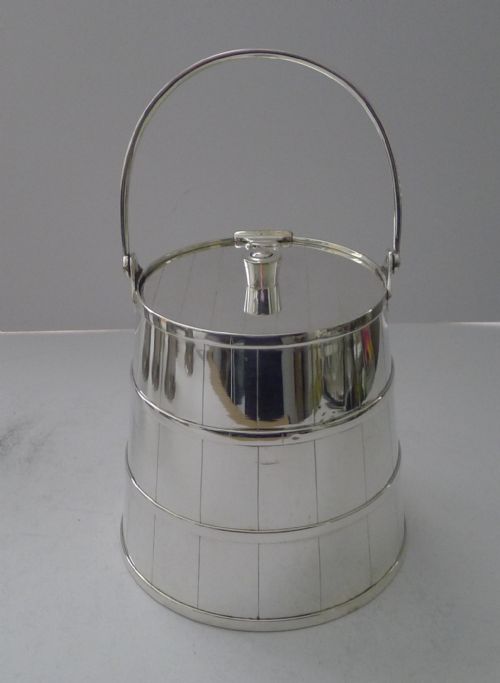
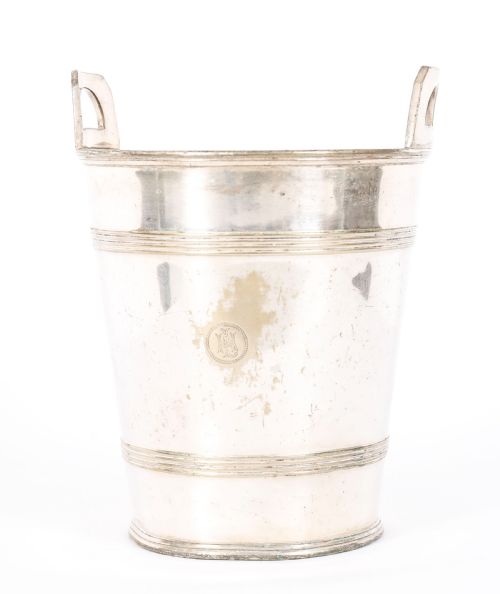
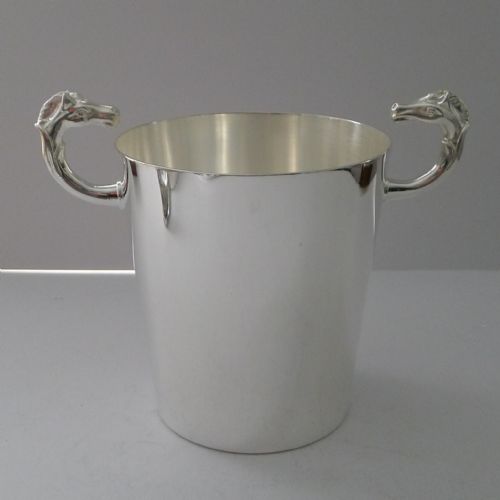
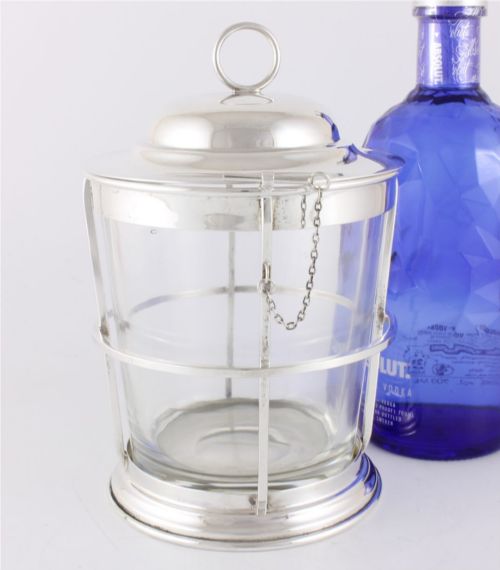
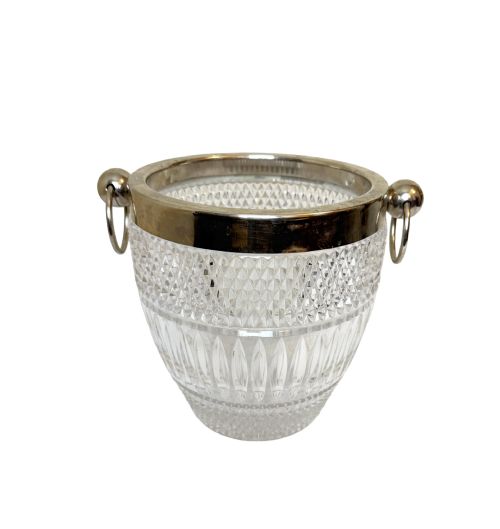
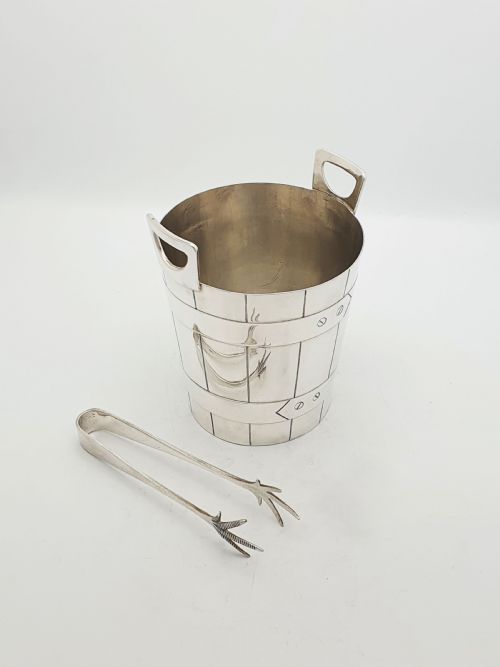
Most examples found here combine metal and glass, often taking the form of silver-plated bodies paired with cut crystal or glass liners. Makers from England, France, and Italy produced these vessels in shapes ranging from traditional barrels to novelty lanterns and horse head motifs.
How They Were Made
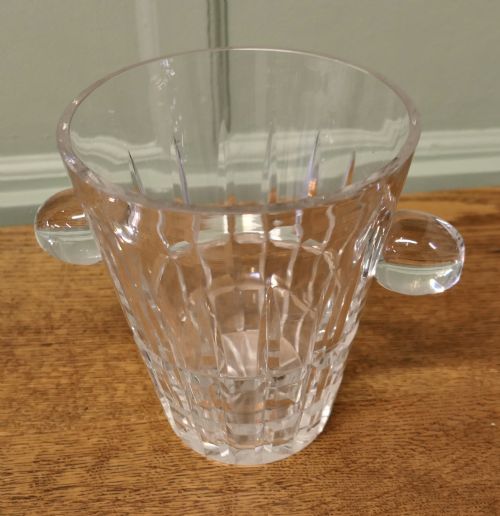
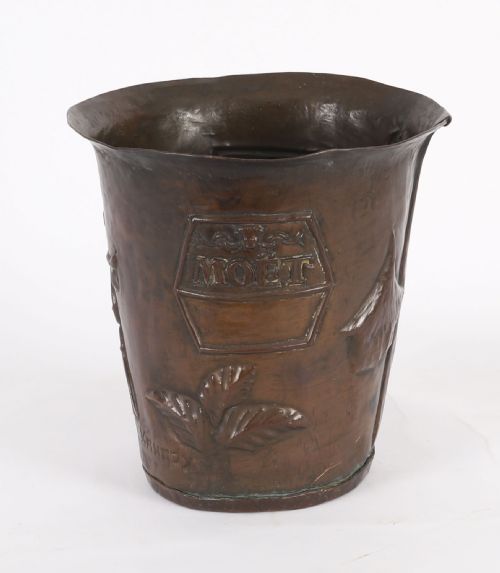
Makers utilised silver plate over base metals, copper, brass, and heavy lead crystal to construct these ice buckets and wine coolers. Techniques involved hand-blowing and cutting glass, alongside heavy embossing and silver plating on copper or white metal.
Mounts and handles in gilt bronze or cast brass frequently accompanied cut crystal bodies, while oak staves appeared in coopered wooden designs fitted with ceramic or silver-plated interiors.
Some nineteenth-century hosts preferred their ice served from miniature wooden beer barrels complete with tiny silver hoops.
What Varies in Quality
The standard of a vintage barware ice bucket rests on the weight of the metal and the depth of the crystal cutting. Heavy lead crystal combined with substantial silver plate indicates superior manufacture compared to lighter, thinner alternatives.
Execution of detail in cast mounts, handles, and engraved motifs distinguishes standard production from pieces by notable workshops. The integration of original liners and matching tongs completes a higher grade of survival.
Hutton Sheffield·Christofle·Mappin & Webb·Elkington·James Dixon & Sons
The Vintage Barware Ice Bucket Glossary
- Silver plate
- A thin layer of silver fused to a base metal such as copper or Britannia metal. This technique provided the appearance of solid silver at a lower cost.
- Old Sheffield plate
- An early method of fusing a sheet of sterling silver to a copper core before rolling. Pieces made this way often reveal a faint copper line where the metal edges meet.
- Lead crystal
- Glass containing metal oxide that increases weight, brilliance, and resonance. It allows for deep, sharp geometric or floral cutting.
- Champagne cooler
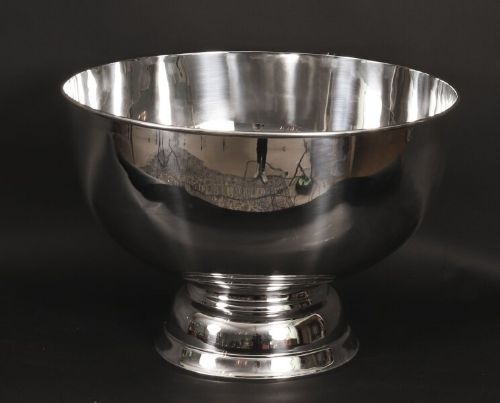
- A larger vessel designed to hold a bottle submerged in ice and water. These often feature twin handles or floor-standing frames.
Vintage Barware Ice Bucket: Frequently Asked Questions
How do I clean a silver plated ice bucket?
Wash the interior gently with warm soapy water and a soft cloth, avoiding abrasive pads that damage silver plate. Dry thoroughly to prevent water spots.
Polish the exterior periodically with a dedicated silver cream using straight strokes rather than circular motions. Rinse well if the bucket will hold ice for consumption.
Can these ice buckets hold wine bottles?
Many larger examples function equally well as wine coolers or champagne buckets. Dimensions determine whether a vessel accommodates a standard bottle alongside ice.
Smaller bucket forms suit ice cubes alone, while twin-handled or deeper pails handle bottled drinks comfortably.
What is the difference between an ice bucket and a wine cooler?
Ice buckets generally feature smaller proportions with lids and swing handles designed for serving ice cubes at a table or bar. Wine coolers typically stand wider and deeper without lids to accommodate upright or resting bottles.
Many vintage designs overlap in terminology, serving both functions depending on the setup.
How do I identify an Art Deco ice bucket?
Art Deco pieces display geometric patterns, clean vertical lines, and stylised motifs typical of the interwar period. Look for stepped forms and streamlined silver plate.
French and English makers from the nineteen-twenties and nineteen-thirties frequently utilised these modern design elements.