




Vintage Art Deco Table
When you search for a vintage art deco table, you are looking at surfaces defined by geometric discipline and figured woods that date primarily from the nineteen-thirties.
Vintage Art Deco Table
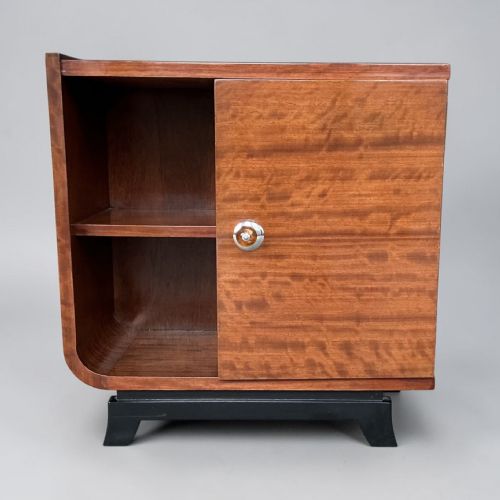
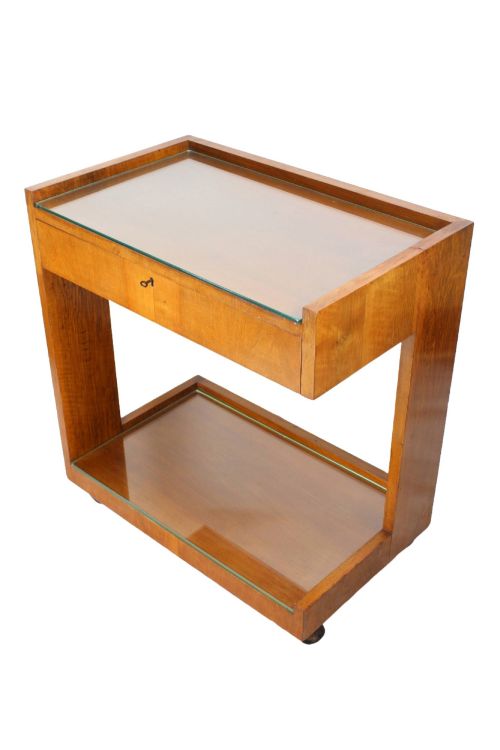
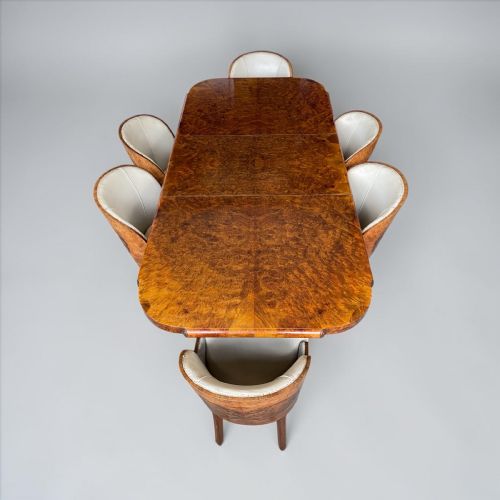
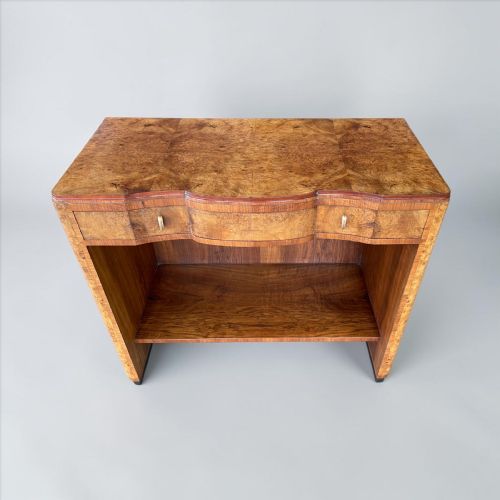
A vintage art deco table spans various forms designed for daily utility, from compact coffee tables and bedside cabinets to expansive dining surfaces and writing desks. When exploring a vintage art deco table selection, side tables and occasional coffee tables in figured timber appear with notable frequency alongside larger writing surfaces.
The materials reflect the aesthetic priorities of the period, drawing on walnut, oak, and exotic veneers shaped into clean geometric lines or curved profiles. Many pieces originate from English and French workshops, utilising contrasting wood grains and occasional glass or brass components to articulate the design.
How They Were Made
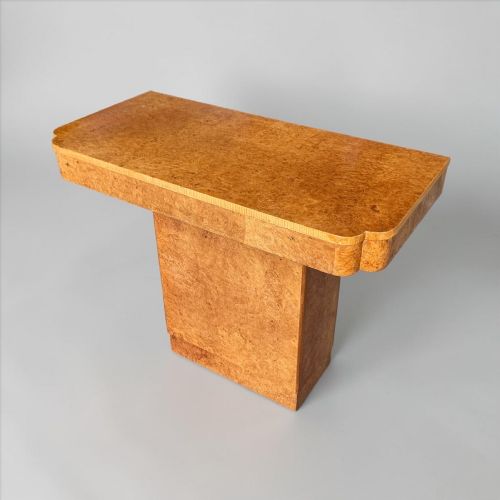
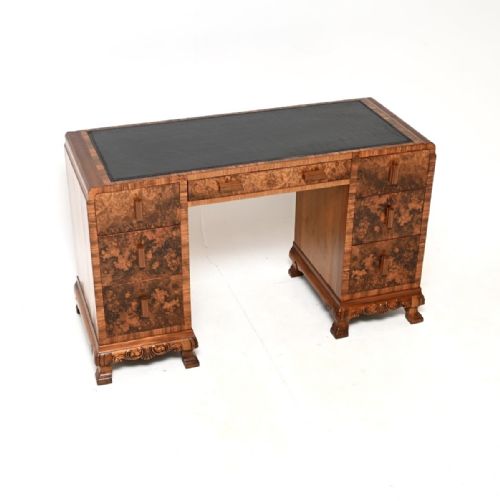
Construction relies heavily on solid timber frames overlaid with carefully matched wood veneers, particularly burr walnut and figured walnut, which create striking symmetrical patterns across table tops. Cabinetmakers employed advanced wood-bending techniques and precision joinery to achieve the sweeping curves and tiered silhouettes characteristic of the period.
Secondary materials such as brass, chrome, glass, and leather are integrated into the primary wooden structures, serving both structural and decorative functions on desks and occasional tables. Surface finishes were typically polished to a high sheen to accentuate the natural grain patterns of the wood.
Vintage Art Deco Table Retail Price Guide 2026
Typical asking prices for vintage art deco table among the pieces listed under this phrase on Sellingantiques today, from the lower quarter to the upper quarter. They describe what is for sale here now, not the wider market.
What Varies In Quality
Quality in these surfaces is determined primarily by the selection and bookmatching of the wood veneers, where symmetrical grain alignment separates standard production pieces from finer examples. The handling of secondary materials, such as heavy cast brass mounts or inset leather panels, further distinguishes the craftsmanship of individual workshops.
Structural integrity depends on the precision of the underlying joinery and the condition of the veneer over decades of use, with superior examples maintaining unblemished surfaces and stable frames. The sophistication of the overall silhouette, whether simple rectilinear oak or complex multi-tiered walnut, dictates the refined nature of the piece.
Maurice Adams·McIntosh·Henry Clifford Davis·Fratelli Toso·Eileen Grey
The Vintage Art Deco Table Glossary
- Veneer
- A thin layer of superior wood adhered to a base of standard timber to provide a decorative surface figure. This technique allowed makers to utilise expensive woods economically.
- Bookmatching
- A method of arranging veneer sheets cut from the same log to mirror one another, creating symmetrical patterns. This is commonly observed on top surfaces.
- Burr Walnut
- A specialised wood growth resulting in intricate, swirling grain patterns highly prized for decorative furniture panels. It defines many principal surfaces.
- Chinoiserie
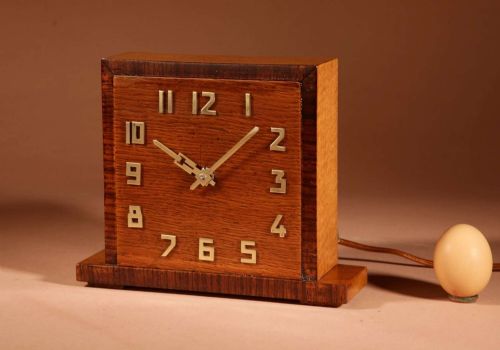
- A decorative style reflecting Chinese artistic influences, occasionally applied to clock cases and occasional furniture of the era. It introduces painted or lacquered motifs.
- Amsterdam School
- An architectural and design movement emphasising expressive forms, traditional brickwork, and rich timber detailing. Pieces from this tradition often feature distinctive geometric joinery.
Vintage Art Deco Table: Frequently Asked Questions
What periods do these tables come from?
The pieces originate predominantly from the nineteen-thirties, reflecting the height of the design movement, alongside examples from the nineteen-twenties and occasional Edwardian reinterpretations.
Craftsmen during these decades utilised traditional timber framing alongside modern industrial materials to shape the characteristic silhouettes.
How do I care for walnut veneer?
Polished wood surfaces require regular dusting with a soft dry cloth and protection from direct sunlight and excessive moisture to prevent veneer lifting.
A light application of appropriate furniture wax helps maintain the sheen on walnut and oak without buildup.
Are these surfaces suitable for daily use?
Tables and desks from this era were built for functional domestic interiors, utilising durable hardwood frames and robust joinery designed to withstand everyday activities.
Care should be taken with hot items or liquids on polished wood and leather desk pads to preserve the original finish.
How do I distinguish French and English pieces?
French examples frequently incorporate exotic wood selections like rosewood alongside adventurous curved profiles and integrated metal mounts.
English production tends toward figured walnut and oak with restrained geometric forms and practical utility.